For years, bone health stayed in the background of mainstream healthcare conversations. Cardiac diseases, cancer, diabetes, and infectious outbreaks dominated attention, funding, and innovation. Meanwhile, millions of people quietly lost bone density, strength, and mobility without obvious symptoms. By the time fractures occurred, the damage was already advanced. That silent pattern is changing. In 2026, the bone densitometer market reflects a deeper shift in how healthcare systems view aging, chronic disease, and preventive diagnostics.
I have watched diagnostic imaging markets evolve for more than a decade, and bone densitometry stands out as one of the most underestimated segments that is now moving toward strategic importance. The projected growth from roughly USD 335 million in 2025 to over USD 511 million by 2035 does not signal hype. It signals structural demand. A steady CAGR of around 4.3% may look modest compared to high-tech digital health segments, but in medical device markets, consistency often reveals essential clinical value rather than short-term excitement.
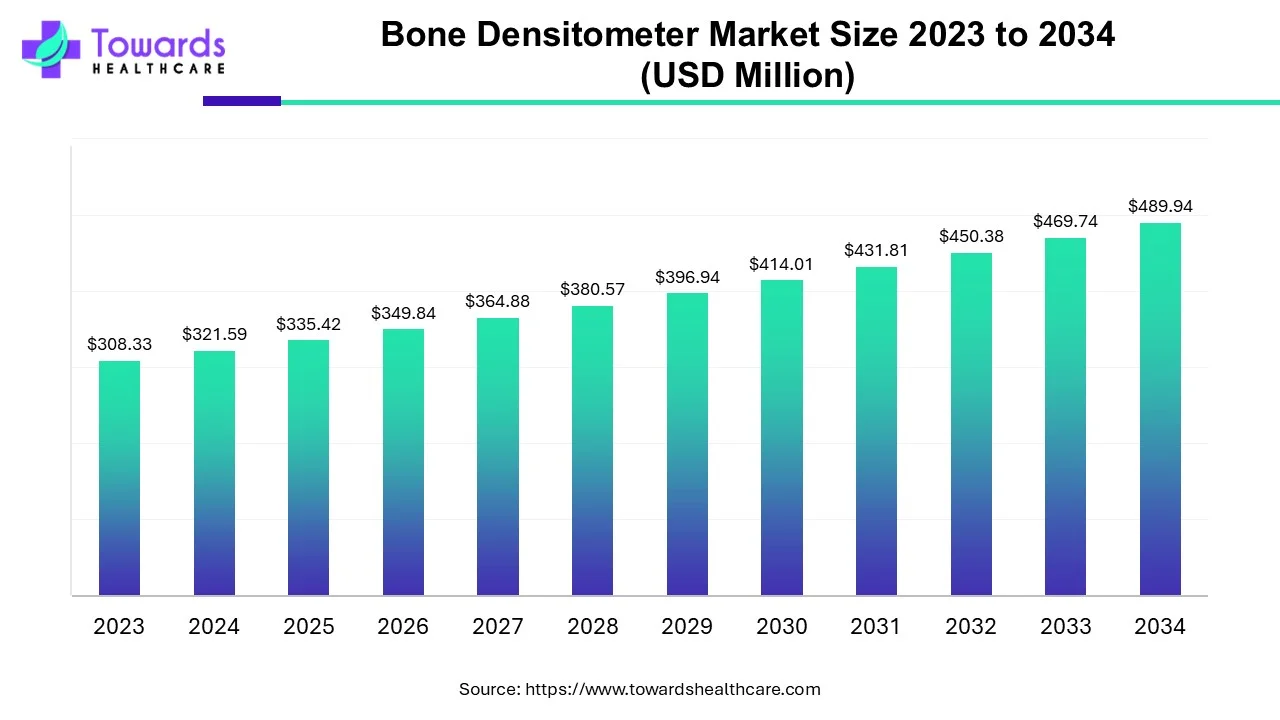
Bone densitometers are no longer niche machines used occasionally in specialized hospitals. They are becoming central tools in managing aging populations, chronic metabolic disorders, autoimmune conditions, and postmenopausal health. The conversation has shifted from “Do we need bone density testing?” to “How early and how often should we use it?”
Why Fragile Bones Have Become a Global Healthcare Priority
The growth of this market is rooted in demographics more than technology alone. The world is aging at a pace healthcare systems have never experienced before. Longer life expectancy sounds like a success story, but it also brings a higher prevalence of degenerative conditions. Bone loss accelerates with age, particularly in postmenopausal women due to hormonal changes that affect calcium regulation and bone remodeling.
Osteoporosis and osteopenia now represent major public health challenges rather than isolated clinical concerns. Hundreds of millions of women globally live with reduced bone density, and a significant proportion of adults over 50 face a lifetime risk of osteoporotic fractures. These fractures are not minor events. A hip fracture, for example, often triggers a cascade of complications, reduced mobility, loss of independence, and increased mortality risk.
Healthcare systems have recognized that preventing fractures is far less costly and less traumatic than treating them. This realization places bone densitometers at the center of preventive care strategies. Early detection allows physicians to recommend medication, nutritional interventions, physical activity adjustments, and lifestyle changes before fractures occur. That preventive shift drives consistent demand for bone density testing across hospitals, specialty clinics, and diagnostic centers.
The Machine That Sees What the Eye Cannot
A bone densitometer may appear simple, but its clinical impact is profound. By measuring bone mineral density, the system gives physicians a quantitative view of bone strength. Dual-energy X-ray absorptiometry, commonly known as DXA or DEXA, has become the gold standard. It uses low-dose ionizing radiation to produce precise measurements of bone density at critical sites such as the spine and hip, where fracture risk carries serious consequences.
DXA stands out because it balances accuracy, speed, and patient comfort. The procedure is quick, noninvasive, and widely accepted by clinicians. This reliability explains why axial bone densitometry, which includes DXA and quantitative computed tomography, held a dominant share of the market in recent years. Clinicians trust axial measurements when making decisions about treatment initiation, monitoring therapy effectiveness, and assessing fracture risk.
At the same time, peripheral bone densitometry is gaining traction. Devices that measure bone density at the wrist, heel, or finger provide convenient screening options, especially in community settings or primary care environments. Governments and healthcare systems that focus on early screening see peripheral systems as cost-effective tools to identify at-risk individuals who may later require more comprehensive axial testing. This complementary role supports growth across different technology segments rather than competition between them.
Bone Health Connects to More Diseases Than We Once Thought
For a long time, bone densitometry was associated almost exclusively with osteoporosis. Clinical practice now paints a broader picture. Bone density assessment plays a role in managing chronic kidney disease, cystic fibrosis, rheumatoid arthritis, and even body composition analysis.
Kidney disease illustrates this connection clearly. The kidneys regulate minerals such as calcium and phosphorus, both essential for bone strength. When kidney function declines, mineral imbalances can lead to bone fragility. With millions of adults living with kidney disease and many unaware of their condition, physicians increasingly use bone densitometry to monitor skeletal complications. This link between renal and bone health expands the clinical relevance of densitometers beyond traditional endocrine and geriatric departments.
Rheumatoid arthritis presents another example. As a chronic inflammatory condition, RA affects joints and can accelerate bone loss both locally and systemically. Long-term use of corticosteroids, common in RA management, further increases osteoporosis risk. As global RA prevalence continues to rise, bone density monitoring becomes a standard part of comprehensive care. The application segment for rheumatoid arthritis is expected to grow faster than many traditional indications, reflecting this integrated approach to chronic disease management.
Hospitals Lead Today, Specialty Clinics Shape Tomorrow
Hospitals currently represent the largest end-use segment for bone densitometers. Their infrastructure, access to capital, trained staff, and involvement in clinical research make them early adopters of advanced imaging systems. Hospitals also manage complex cases where precise bone density data influences surgical decisions, long-term therapy, and multidisciplinary care.
However, the real transformation is happening outside large hospital walls. Specialty clinics focusing on endocrinology, rheumatology, orthopedics, and women’s health are rapidly expanding their diagnostic capabilities. These centers offer personalized care and often serve as first points of contact for patients with bone-related concerns. As outpatient care models grow and value-based healthcare emphasizes early intervention, specialty clinics increasingly invest in densitometry systems. Their projected high growth rate signals a shift toward more decentralized bone health management.
This trend aligns with broader healthcare restructuring. Services once limited to tertiary hospitals are moving closer to communities. Portable and user-friendly densitometers support this transition, enabling high-quality diagnostics in smaller facilities without compromising accuracy.
Technology Pushes Precision, AI Adds Intelligence
Technological innovation in bone densitometry does not always attract headlines, but it steadily enhances clinical value. Modern systems offer improved spatial resolution, better image processing, and advanced visualization tools that help clinicians identify subtle changes in bone structure. Reduced scan times and optimized radiation doses make the procedure even safer and more patient-friendly.
Artificial intelligence introduces a new dimension. AI algorithms can assist in image interpretation, automate region-of-interest selection, and flag abnormalities that might escape manual review. This support reduces variability between operators and improves diagnostic consistency. AI-driven tools can also analyze large datasets to refine fracture risk prediction models, combining bone density values with patient demographics and clinical history.
Opportunistic screening represents another promising area. AI systems can analyze existing imaging studies performed for other reasons and extract bone-related insights without additional scans. This approach increases detection rates without adding patient burden, making bone health assessment more integrated into routine care.
Regional Dynamics Reflect Uneven but Powerful Demand
North America holds a leading position in the bone densitometer market due to advanced healthcare infrastructure, strong reimbursement frameworks, and high awareness of osteoporosis and related disorders. Major device manufacturers operate in this region, supporting continuous innovation and market penetration.
Yet the most dynamic growth stories are unfolding in Asia-Pacific. Countries such as China and India face rapidly aging populations and rising awareness of postmenopausal health. Urbanization, improved healthcare access, and government initiatives to address chronic diseases are driving adoption of diagnostic imaging technologies, including bone densitometry. Forecasts suggesting a large share of future osteoporotic fractures occurring in this region underline the urgency.
Emerging markets present a paradox. On one hand, the burden of bone disease is significant. On the other, cost constraints limit access to advanced equipment. This tension shapes market strategies, encouraging manufacturers to develop cost-effective models and encouraging policymakers to explore funding mechanisms that expand access to essential diagnostics.
Cost Remains the Market’s Most Stubborn Barrier
Despite clear clinical benefits, bone densitometers are not inexpensive. Acquisition costs, maintenance, calibration, and staff training create financial pressure, especially for smaller facilities. In regions with limited healthcare budgets, administrators must weigh densitometer investments against other urgent needs.
Reimbursement structures also influence adoption. If bone density tests are under-reimbursed or not covered adequately, facilities may struggle to justify purchases. This economic reality slows penetration in some markets even when clinical demand exists. Efforts to reduce device costs, streamline maintenance, and demonstrate long-term cost savings through fracture prevention are critical to overcoming this barrier.
From a systems perspective, investing in bone densitometry can reduce overall healthcare expenditures by preventing fractures that require surgery, hospitalization, and long-term rehabilitation. Translating that long-term value into short-term budget decisions remains a key challenge for policymakers and providers alike.
Women’s Health Drives a Major Portion of Demand
Postmenopausal women form one of the most important patient groups for bone densitometry. Hormonal changes accelerate bone loss, and many women remain unaware of their risk until a fracture occurs. As awareness campaigns expand and routine screening becomes more common, demand for densitometry in women’s health settings grows.
Collaborations between device manufacturers and broader women’s health solution providers highlight this trend. Bone density measurement is increasingly integrated with other diagnostic services, reinforcing a holistic approach to female health. This integration supports earlier intervention and aligns with preventive care models that healthcare systems increasingly promote.
From Reactive Medicine to Predictive Care
What makes the bone densitometer market particularly interesting in 2026 is how well it fits the shift from reactive to predictive medicine. Instead of responding only after fractures, clinicians now have tools to assess risk and act earlier. Bone density values, combined with clinical risk factors, help create individualized management plans.
This predictive approach mirrors trends across healthcare, where data-driven insights guide prevention strategies. Bone densitometry contributes tangible, measurable data that directly influences therapeutic decisions. That practical relevance ensures continued demand even as healthcare technologies evolve.
The Next Decade Belongs to Integrated Bone Care
Looking ahead to 2035, the market’s growth trajectory reflects more than device sales. It reflects a broader recognition that bone health underpins mobility, independence, and quality of life. As populations age, maintaining skeletal strength becomes central to healthy aging strategies.
Future progress will likely focus on integration. Bone densitometry will not stand alone but will connect with electronic health records, AI risk models, and multidisciplinary care pathways. Screening programs may expand, especially in high-risk groups, and portable systems may bring diagnostics to community settings.
The story of the bone densitometer market is not dramatic, but it is deeply important. It shows how a relatively quiet technology can play a critical role in addressing one of the most widespread and impactful health challenges of our time. Fragile bones may not cause immediate headlines, but the effort to detect and manage bone loss early will shape the health, mobility, and independence of millions in the years ahead.
Access our exclusive, data-rich dashboard dedicated to the medical devices market – built specifically for decision-makers, strategists, and industry leaders. The dashboard features comprehensive statistical data, segment-wise market breakdowns, regional performance shares, detailed company profiles, annual updates, and much more. From market sizing to competitive intelligence, this powerful tool is one-stop solution to your gateway.
Access the Dashboard: https://www.towardshealthcare.com/access-dashboard
Checkout Bone Densitometer Market Report Now at: https://www.towardshealthcare.com/checkout/5125
Become a valued research partner with us – https://www.towardshealthcare.com/schedule-meeting
You can place an order or ask any questions, please feel free to contact us at [email protected]
Powering Healthcare Leaders with Real-Time Insights: https://www.towardshealthcare.com/healthcare-intelligence-platform
Europe Region – +44 778 256 0738
North America Region – +1 8044 4193 44
APAC Region: +91 9356 9282 04
Visit Our Website: https://www.towardshealthcare.com
Find us on social platforms: LinkedIn | Twitter | Instagram | Medium | Pinterest