The pharmaceutical market is one of the biggest and fastest-growing industries in healthcare. Globally, it is expected to reach around $1881.67 billion by 2026, and a closer look at the numbers shows a clear leader: prescription drugs.
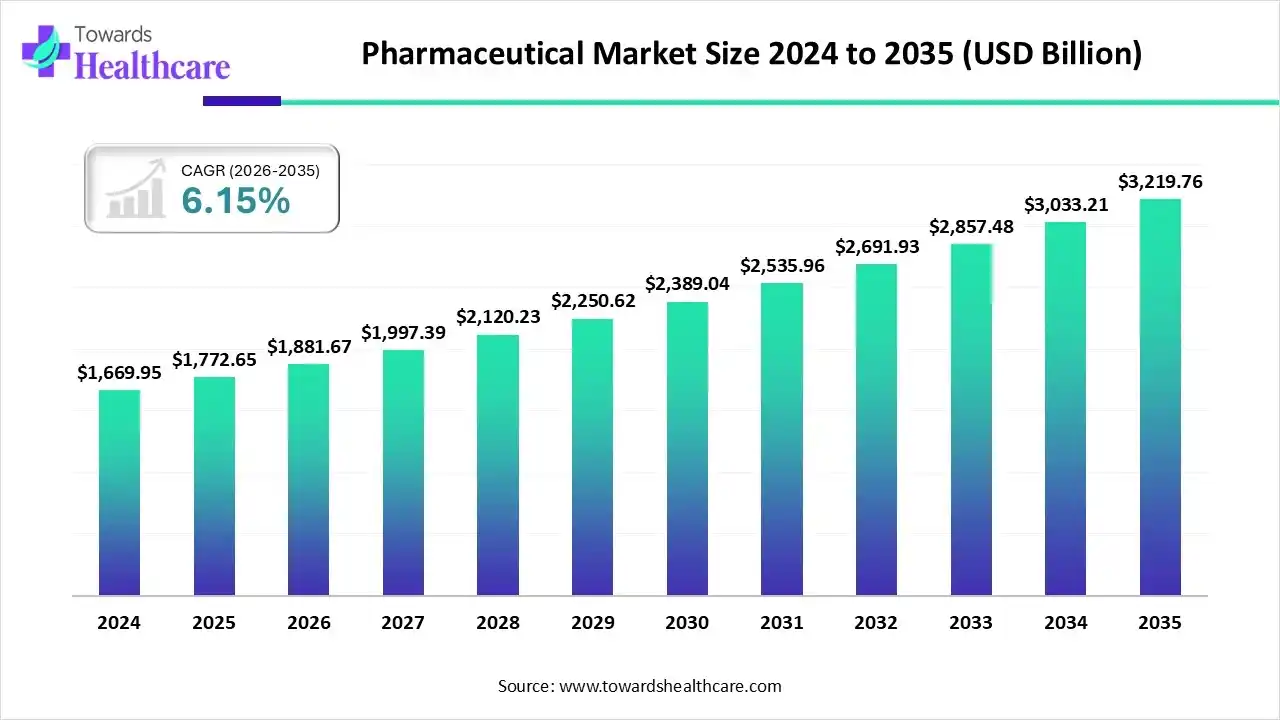
In 2025, prescription medications account for 75% of the global pharmaceutical market, while over-the-counter (OTC) drugs make up the remaining 25%. But why do prescriptions dominate so heavily, and what does this mean for patients, healthcare providers, and the industry?
| Segmentations | Share 2025 (%) |
| Prescription | 75 |
| OTC | 25 |
Prescription Drugs: The Market Leader
Prescription drugs are specially designed to treat complex medical conditions. Unlike OTC drugs, they are not meant for self-use; they require guidance from doctors or healthcare professionals.
Doctors prescribe these medications carefully, considering a patient’s health condition, age, and other medicines they may be taking. This ensures safety, reduces side effects, and improves treatment effectiveness.
Why Prescriptions Hold the Top Spot:
-
Market Share: Prescription drugs dominate 75% of the global pharmaceutical market in 2025.
-
Effectiveness: They can treat serious illnesses like heart disease, cancer, diabetes, and chronic respiratory conditions.
-
Safety: Regulated by strict global standards to ensure high quality and minimal risks.
Globally, North America is the largest market for prescription drugs, accounting for around 40% of the total revenue in 2025. Europe follows with 25–30%, and Asia-Pacific is quickly catching up, contributing about 20%, thanks to rising healthcare awareness and access.
OTC Medications: Small Share but Fast Growth
OTC drugs are medicines that can be bought without a doctor’s prescription. They are usually for minor illnesses like colds, headaches, or mild allergies. In 2025, OTC drugs make up 25% of the market, but they are growing faster than prescription medications.
Why OTC is Growing Quickly:
-
CAGR: OTC segment is expected to grow at around 7–8% annually from 2025–2030.
-
Convenience: People can treat minor ailments quickly without visiting a doctor.
-
Safety: Most OTC medicines are low in toxicity, and regulations ensure they are safe when used correctly.
The global OTC drug market was valued at around $152 billion in 2026, with the United States being the largest contributor, followed by Europe and Asia. Countries like India and China are seeing strong growth in OTC sales due to rising self-care trends and online pharmacies.
How Prescriptions Dominate the Market
Prescription drugs are at the top not just because of their current sales, but because of several global healthcare trends:
-
Rising Chronic Diseases: Worldwide, chronic illnesses are on the rise. For example:
-
Diabetes: Over 530 million adults are living with diabetes in 2025.
-
Cardiovascular diseases: Account for around 32% of global deaths.
Prescription drugs are essential for managing these conditions effectively.
-
-
Advanced Drug Development: Pharmaceutical companies invest billions into research and development. In 2024 alone, global R&D spending for prescription drugs reached $210 billion. This investment produces highly effective treatments like biologics, targeted cancer therapies, and vaccines.
-
Healthcare Access and Awareness: Patients increasingly trust doctors and professional guidance over self-diagnosis. Prescription drugs are preferred because they provide measurable, reliable results.
-
Regulation and Standards: Strict FDA and EMA guidelines ensure that prescription drugs meet high safety and efficacy standards, which increases patient confidence.
Global Numbers That Show the Dominance
-
Global Prescription Market (2025): $1.125 trillion
-
OTC Drug Market (2026): $152 billion
-
North America Share: 40% of prescription sales
-
Europe Share: 25–30%
-
Asia-Pacific Share: 20%
-
Top Growing Markets: India, China, Brazil, and Southeast Asia
-
CAGR (2025–2030): Prescription 5–6%, OTC 7–8%
Prescription dominance is also evident in specific drug categories:
-
Oncology drugs: Expected to reach $200 billion by 2027.
-
Cardiovascular drugs: About $150 billion in 2025.
-
Diabetes treatments: Around $120 billion in 2025.
Why This Matters for Patients
Prescription drugs dominate because they work better, are safer, and are tailored to individual needs. Patients dealing with serious conditions trust prescriptions to manage their health effectively.
Even though OTC drugs are convenient, they are usually less powerful and cannot replace prescription medicines for chronic or serious conditions. For minor ailments, OTC drugs work fine, but serious diseases need professional guidance.
Prescription drugs dominate the pharmaceutical market because they combine trust, effectiveness, and safety. Patients rely on them to treat serious illnesses, while healthcare providers and pharma companies continue to innovate and invest heavily in these therapies.
OTC medications, while smaller in market share, are rising fast, showing the world’s shift toward self-care and convenience. Together, prescriptions and OTC drugs create a dynamic market that is evolving to meet global health needs.
Access our exclusive, data-rich dashboard dedicated to the therapeutics area sector – built specifically for decision-makers, strategists, and industry leaders. The dashboard features comprehensive statistical data, segment-wise market breakdowns, regional performance shares, detailed company profiles, annual updates, and much more. From market sizing to competitive intelligence, this powerful tool is one-stop solution to your gateway.
Access the Dashboard: https://www.towardshealthcare.com/access-dashboard
Checkout the Market Report Now at: https://www.towardshealthcare.com/checkout/5341
You can place an order or ask any questions, please feel free to contact us at [email protected]
Europe Region – +44 778 256 0738
North America Region – +1 8044 4193 44
APAC Region: +91 9356 9282 04
Visit Our Website: https://www.towardshealthcare.com
Find us on social platforms: LinkedIn | Twitter | Instagram | Medium