The healthcare landscape is quietly transforming, and oral GLP-1 therapies are at the center of it. What once relied heavily on injections is now shifting toward pills, offering a more comfortable and accessible treatment option.
This change is not just about convenience; it reflects a deeper shift in patient behavior, clinical trust, and pharmaceutical innovation. As of 2025, oral GLP-1 therapies are redefining how patients manage chronic conditions like type 2 diabetes and obesity.
Why Oral Peptide GLP-1 Agonists Lead the Game
Download Free Sample: https://www.towardshealthcare.com/download-sample/6351
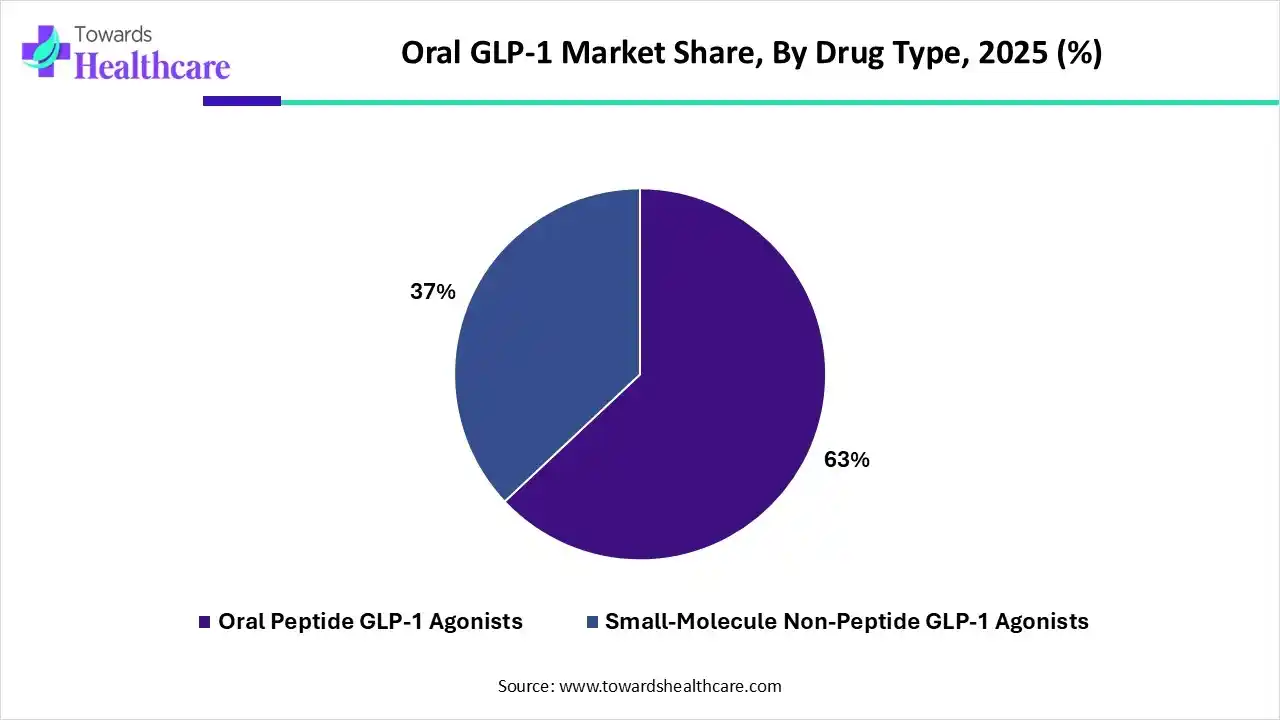
The oral peptide GLP-1 agonists segment dominates the market with an impressive 63% share. This leadership does not come by chance—it is backed by strong clinical outcomes and real-world patient acceptance.
These drugs effectively regulate blood glucose levels while also supporting weight loss. For patients, this dual benefit makes them highly appealing, especially when combined with the ease of oral intake.
Another major factor is adherence. Patients are more likely to stick to treatments that fit seamlessly into their daily routines. Swapping injections for tablets removes a psychological and physical barrier, making long-term treatment more sustainable.
The Rise of the Next-Gen Molecules
While peptide-based drugs dominate today, the future is already taking shape. Small-molecule, non-peptide GLP-1 agonists are emerging as the fastest-growing segment in this space.
These newer molecules bring distinct advantages. They are easier to manufacture, potentially more cost-effective, and offer better oral bioavailability. This means the body can absorb and use the drug more efficiently.
Key reasons driving their rapid growth include:
- Improved convenience with no dependency on injections
- Potential for combination therapies with other treatments
- Strong pipeline backed by ongoing clinical trials
This segment represents the next wave of innovation, signaling that the market is far from reaching saturation.
Semaglutide: The Molecule That Changed Everything
When it comes to molecules, semaglutide stands far ahead, capturing a dominant 71% share. Its success lies in its proven ability to deliver consistent results in both glycemic control and weight reduction.
Doctors trust it. Patients prefer it. And pharmaceutical companies continue to invest heavily in its development and expansion.
Its widespread adoption is also driven by strong clinical evidence and continuous product innovation. The molecule has set a benchmark, making it difficult for competitors to match its current level of influence.
A New Challenger Gains Momentum
At the same time, newer molecules like orforglipron are rapidly gaining attention. Unlike traditional peptide-based drugs, these are small-molecule oral therapies designed to eliminate the need for injections entirely.
Their growing popularity stems from their simplicity and effectiveness. Patients no longer have to deal with complex administration methods, and healthcare providers see them as a scalable solution for a larger population.
As regulatory approvals progress and clinical trials deliver promising results, this segment is expected to expand aggressively in the coming years.
Hospitals Still Hold the Power
Despite the digital shift in healthcare, hospitals and specialty clinics remain the dominant distribution channel, holding a 52% market share in 2025.
These settings offer advanced diagnostic tools, expert supervision, and structured treatment plans. Patients often begin their treatment journey here, where physicians prescribe and monitor oral GLP-1 therapies closely.
Hospitals also play a crucial role in early adoption. Many new therapies are introduced and tested in these environments before reaching a broader audience.
Digital Pharmacies Are Changing Access
While hospitals dominate today, online pharmacies are quickly gaining ground. They represent the fastest-growing distribution channel, driven by changing consumer behavior and digital adoption.
Patients increasingly prefer the ease of ordering medicines online, especially when combined with telemedicine consultations. This shift reflects a broader trend toward convenience and accessibility in healthcare.
Some factors accelerating this growth include:
- Doorstep delivery and reduced travel needs
- Increased privacy for patients managing chronic conditions
- Competitive pricing and wider product availability
This evolution shows how technology is reshaping even the most traditional aspects of healthcare delivery.
Who Drives the Demand?
The diabetic population continues to dominate the oral GLP-1 market, accounting for 64% of total demand. This is largely due to the rising global prevalence of type 2 diabetes and the need for effective, long-term treatment options.
Oral GLP-1 drugs offer a practical solution, improving both blood sugar control and patient compliance. Governments and healthcare systems are also supporting their adoption through awareness programs and improved accessibility.
The Weight Loss Revolution
Another powerful growth driver is the increasing demand from obese and overweight individuals. This segment is expected to grow the fastest, fueled by rising awareness of weight management therapies.
Oral GLP-1 drugs are no longer seen as just diabetes treatments. They are becoming a key tool in tackling obesity, offering a non-invasive and effective option for weight reduction.
As clinical success stories continue to emerge, more individuals are turning to these therapies as part of their health journey.
More Than a Market—A Behavioral Shift
The rise of the oral GLP-1 market reflects more than just pharmaceutical growth. It highlights a broader behavioral shift in how patients approach treatment.
People want therapies that are effective, simple, and aligned with their lifestyle. Oral GLP-1 drugs check all these boxes, making them a preferred choice across different patient groups.
At the same time, pharmaceutical companies are pushing boundaries with innovation, ensuring that newer, better options continue to enter the market.
What Lies Ahead?
The future of the oral GLP-1 market looks dynamic and competitive. While current leaders maintain strong positions, emerging molecules and digital distribution channels are set to disrupt the landscape.
The focus will likely shift toward affordability, accessibility, and personalized treatment options. As technology and medicine continue to intersect, the market will evolve beyond its current structure.
Final Thought
The dominance of oral peptide GLP-1 agonists with a 63% share is not just a statistic—it is a signal. A signal that healthcare is moving toward patient-friendly solutions without compromising on effectiveness.
As innovation accelerates and patient expectations evolve, the oral GLP-1 market will continue to redefine how chronic conditions are treated—one tablet at a time.
Access our exclusive, data-rich dashboard dedicated to the healthcare market – built specifically for decision-makers, strategists, and industry leaders. The dashboard features comprehensive statistical data, segment-wise market breakdowns, regional performance shares, detailed company profiles, annual updates, and much more. From market sizing to competitive intelligence, this powerful tool is one-stop solution to your gateway.
Access the Dashboard: https://www.towardshealthcare.com/access-dashboard
Checkout the Market Report Now at: https://www.towardshealthcare.com/checkout/6351
You can place an order or ask any questions, please feel free to contact us at [email protected]
Europe Region – +44 778 256 0738
North America Region – +1 8044 4193 44
APAC Region: +91 9356 9282 04
Visit Our Website: https://www.towardshealthcare.com
Find us on social platforms: LinkedIn | Twitter | Instagram | Medium