Author: Elena Morales

  • Rising Bone-Related Disorders Driving the Demand for Bone Grafts and Substitutes

    Rising Bone-Related Disorders Driving the Demand for Bone Grafts and Substitutes

    Bone-related disorders, including bone cancer, bone infections, and spinal cord injuries, have become significant health concerns across the globe. These conditions often lead to severe complications, requiring interventions such as bone grafts and substitutes for effective treatment and recovery. As these disorders continue to rise, the demand for bone grafts and substitutes is experiencing substantial growth. In fact, the global bone grafts and substitutes market was valued at US$ 2.99 billion in 2023 and is projected to grow to US$ 5.95 billion by 2034, expanding at a compound annual growth rate (CAGR) of 6.45% from 2024 to 2034.
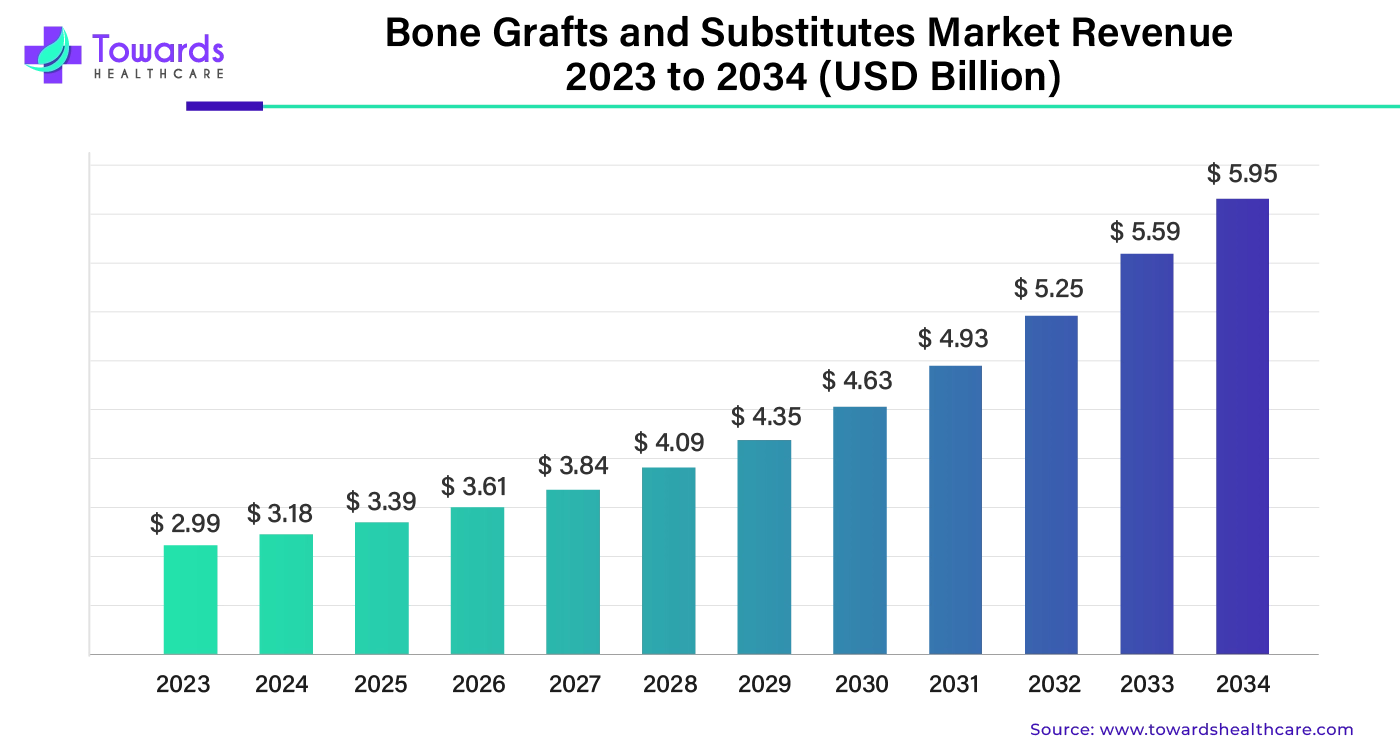
    Bone Grafts and Substitutes Market Revenue 2023 - 2034

    Get All the Details in Our Solution – Download Brochure @ https://www.towardshealthcare.com/download-brochure/5227

    Bone Cancer, Infections, and Spinal Cord Injuries: A Growing Concern

    Bone cancer, infections, and spinal cord injuries are among the most prevalent bone-related conditions that necessitate medical intervention. Bone cancer, although rare, can severely impact the skeletal system, requiring surgical intervention and sometimes bone grafts to restore lost tissue. Bone infections, including osteomyelitis, can weaken bone structures, often leading to the need for surgical procedures and grafting. Additionally, spinal cord injuries, which often cause debilitating paralysis, can also involve the spine’s bones, where grafts are used to promote healing and restore structural integrity.

    As the global population ages and more individuals engage in high-risk activities, these disorders are becoming more common, thus escalating the need for effective treatment options. Bone grafts and substitutes play a critical role in improving outcomes for patients with these disorders by promoting bone healing and restoring functionality.

    Technological Advancements Enhancing Bone Graft Solutions

    Recent technological advancements are revolutionizing the development and manufacturing of bone grafts and substitutes. Artificial intelligence (AI) is playing a crucial role in improving the design and customization of bone grafts. AI-driven tools allow for the creation of more personalized grafts that can be tailored to fit the unique anatomy of individual patients. Moreover, AI technologies streamline the production process, ensuring faster and more accurate manufacturing, which is essential for addressing the growing demand.

    Another breakthrough is the use of 3D printing technology in bone graft production. 3D printing allows for the creation of highly precise and anatomically correct bone grafts. It provides the advantage of using biocompatible materials that mimic natural bone tissue, improving graft integration and reducing the risk of rejection. This technology also opens the door for creating complex bone structures and scaffolds that support cell growth, further enhancing the healing process.

    Growing Research and Development in Bone Graft Substitutes

    The field of bone graft substitutes is experiencing rapid research and development (R&D), driven by the search for more effective, sustainable, and innovative solutions. Traditional bone grafts, derived from donor tissue, are associated with various challenges, including the risk of disease transmission and immune rejection. This has led to a significant focus on developing synthetic substitutes that offer greater compatibility and longevity.

    Researchers are exploring novel materials such as bioactive ceramics, biodegradable polymers, and composite materials to create bone substitutes that mimic the mechanical properties of natural bone. These materials not only promote faster healing but also reduce complications, such as graft rejection or infection.

    Moreover, the rise of stem cell-based therapies is providing new avenues for developing bone graft substitutes that can regenerate bone tissue more effectively. Stem cells have the potential to promote the formation of new bone, offering a promising alternative to traditional grafting methods.

    Our Table of Content (TOC) covers key healthcare market segments, materials, technologies and trends—helping you navigate market shifts and make informed decisions: https://www.towardshealthcare.com/table-of-content/bone-grafts-and-substitutes-market-sizing

    Invest in Our Premium Strategic Solution @ https://www.towardshealthcare.com/price/5227

    We’ve prepared a service to support you. Please feel free to contact us at  sales@towardshealthcare.com

    Web: https://www.towardshealthcare.com

    Visit Dental Specifics: https://www.towardsdental.com

    Get the latest insights on industry segmentation with our Annual Membership: Get a Subscription

    For Latest Update Follow Us: https://www.linkedin.com/company/towards-healthcare
  • Driving Innovation in Healthcare Revenue Cycle Management: Key Advancements and Market Growth

    The healthcare industry is continually evolving to meet the challenges of rising administrative costs, regulatory compliance, and the need for efficient operations. One of the key areas that has seen tremendous growth and transformation is Healthcare Revenue Cycle Management (RCM). This field, which oversees the financial processes involved in patient care—from insurance verification to billing—has become a focal point for technological innovation. As the demand for more streamlined financial management continues to rise, the global healthcare RCM market has experienced significant growth.

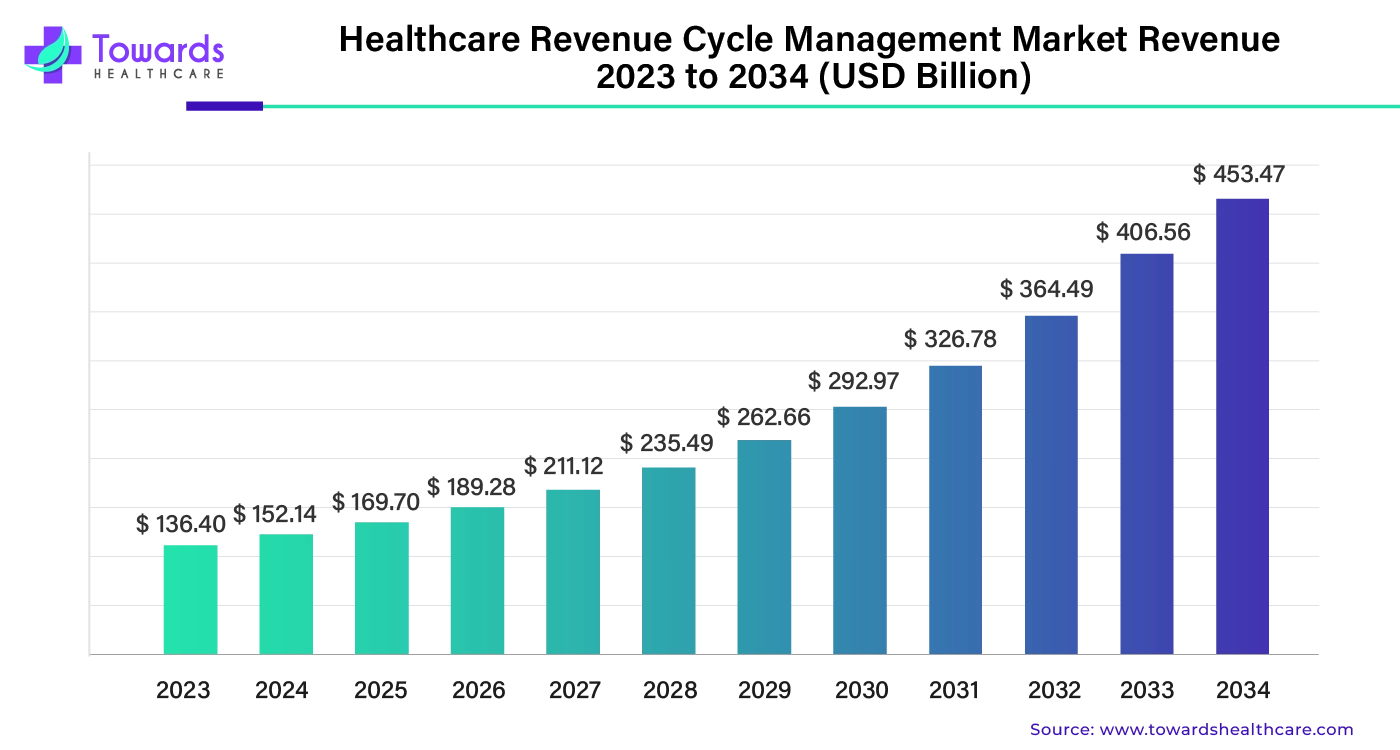
    The market was valued at US$ 136.40 billion in 2023 and is expected to reach US$ 453.47 billion by 2034, growing at a compound annual growth rate (CAGR) of 11.54% from 2024 to 2034. This rapid growth is driven by the increasing reliance on advanced technology to enhance financial operations in the healthcare sector. As the importance of revenue cycle management continues to grow, many organizations have started providing finance-related services to healthcare facilities, supporting the industry’s transformation.

    Healthcare Revenue Cycle Management Market Revenue 2023 - 2034

    Get All the Details in Our Solution – Download Brochure @ https://www.towardshealthcare.com/download-brochure/5223

    Several leading companies in the healthcare space have made significant strides in this domain, including Infinx, Omega Healthcare, and Inovalon.

    Infinx’s Cutting-Edge Research & Development Center in Bengaluru

    In July 2024, Infinx Healthcare announced the opening of its new, state-of-the-art Research & Development (R&D) Center in Bengaluru, India. This milestone marks a significant commitment by Infinx to drive innovation in healthcare RCM. By expanding its R&D capabilities, Infinx aims to develop advanced solutions that will streamline revenue cycle processes, reduce inefficiencies, and enhance the overall financial performance of healthcare providers.

    The new facility is designed to foster collaboration and creativity in the development of next-generation solutions for healthcare providers, payers, and other stakeholders involved in the revenue cycle. Infinx’s dedication to innovation and technological advancement will play a key role in reshaping the landscape of healthcare RCM, ensuring better outcomes for medical professionals and patients alike.

    Omega Healthcare’s Digital Platform to Optimize Administrative Processes

    In October 2023, Omega Healthcare announced the launch of its Omega Digital Platform (ODP), a cutting-edge tool designed to help healthcare institutions reduce administrative costs and improve their financial outcomes. The platform integrates advanced technologies such as automation, artificial intelligence (AI), and machine learning to enhance the efficiency and accuracy of various RCM functions. By doing so, the ODP aims to minimize the time and effort spent on administrative tasks, such as coding, billing, and claims management.

    The platform also provides real-time insights and analytics, enabling healthcare organizations to make data-driven decisions that can lead to improved bottom-line results. With this new development, Omega Healthcare has positioned itself as a leader in helping healthcare institutions optimize their RCM processes and reduce operational overhead.

    Inovalon’s RCM Intelligence: A Data-Driven Approach to Performance Metrics

    Back in October 2022, Inovalon, a leading provider of cloud-based software solutions, made waves with the introduction of its RCM Intelligence platform. This sophisticated software system is designed to provide healthcare professionals with valuable insights into key RCM performance metrics, such as claim corrections, rejection rates, and payer performance.

    RCM Intelligence utilizes integrated analytics and advanced visualization tools to give users a comprehensive understanding of their revenue cycle operations. By offering in-depth performance insights, the platform allows healthcare organizations to identify areas of improvement, optimize workflows, and enhance revenue cycle efficiency. Inovalon’s data-driven approach empowers healthcare professionals to make informed decisions that improve financial outcomes and streamline operations.

    The Future of Healthcare RCM

    These recent innovations highlight the growing importance of technology in the healthcare revenue cycle management sector. Companies like Infinx, Omega Healthcare, and Inovalon are leading the charge in providing advanced, data-driven solutions that help healthcare providers enhance efficiency, reduce administrative costs, and improve overall financial performance.

    As the healthcare industry continues to evolve, the role of RCM technology will only become more critical. With the ongoing development of AI, automation, and data analytics, healthcare organizations can expect even more robust solutions to emerge, further transforming the way revenue cycles are managed. The future of healthcare RCM is undoubtedly bright, and the innovations being rolled out by these industry leaders are paving the way for a more efficient and financially stable healthcare system.

    With the global healthcare RCM market expected to grow at a CAGR of 11.54%, these advancements are playing a crucial role in driving the industry forward. As more healthcare organizations adopt innovative solutions, the financial landscape of healthcare is poised for long-term improvement, ensuring better outcomes for both providers and patients alike.

    Our Table of Content (TOC) covers key healthcare market segments, materials, technologies and trends—helping you navigate market shifts and make informed decisions: https://www.towardshealthcare.com/table-of-content/healthcare-revenue-cycle-management-market-sizing

    Invest in Our Premium Strategic Solution @ https://www.towardshealthcare.com/price/5223

    We’ve prepared a service to support you. Please feel free to contact us at  sales@towardshealthcare.com

    Web: https://www.towardshealthcare.com

    Visit Dental Specifics: https://www.towardsdental.com

    Get the latest insights on industry segmentation with our Annual Membership: Get a Subscription

    For Latest Update Follow Us: https://www.linkedin.com/company/towards-healthcare
  • The Growing Role of Cloud Computing in Healthcare: Market Trends, Opportunities, and Future Outlook

    Cloud computing has revolutionized the way services are delivered across various industries, and healthcare is no exception. In today’s digital era, cloud computing has become an integral part of the healthcare system, offering essential resources to handle vast amounts of data generated daily. This includes infrastructure, storage, software, tools, and more. As healthcare providers face the challenge of managing a growing volume of patient, staff, financial, and operational data, cloud computing has emerged as a solution to ensure smooth and efficient management.

    The healthcare industry generates enormous amounts of data every day, including patient records, medical histories, diagnostic results, financial transactions, and treatment plans. With the increase in the number of patients and advancements in healthcare technologies, the data produced is not only large in volume but also diverse in nature. Storing and managing such data on local devices and systems can be a daunting task, often leading to issues such as data silos, slow access, and risk of data loss.

    Why Cloud Computing is Essential for Healthcare

    Cloud computing offers a solution to these challenges by providing on-demand access to computing resources over the internet. This includes:

    1. Infrastructure as a Service (IaaS): Healthcare organizations can rely on cloud service providers to offer the necessary infrastructure, such as servers and networking resources, without the need for large upfront investments in physical hardware.
    2. Storage Solutions: Healthcare data, especially patient records and medical images, requires a secure and scalable storage solution. Cloud storage offers flexible and cost-effective options, ensuring data is accessible anytime and anywhere.
    3. Software as a Service (SaaS): Cloud-based software applications streamline healthcare operations, from patient management to billing, diagnostics, and treatment planning. These applications can be updated and maintained remotely, reducing the burden on in-house IT staff.
    4. Data Security and Compliance: Given the sensitive nature of healthcare data, security is paramount. Cloud service providers adhere to stringent data protection standards and regulations, such as HIPAA, ensuring that patient information remains secure and compliant with legal requirements.
    5. Collaboration and Accessibility: Cloud computing enables healthcare professionals to collaborate in real-time, regardless of location. This ensures quicker decision-making and enhances the efficiency of patient care.

    Healthcare Cloud Computing Market Size and Growth

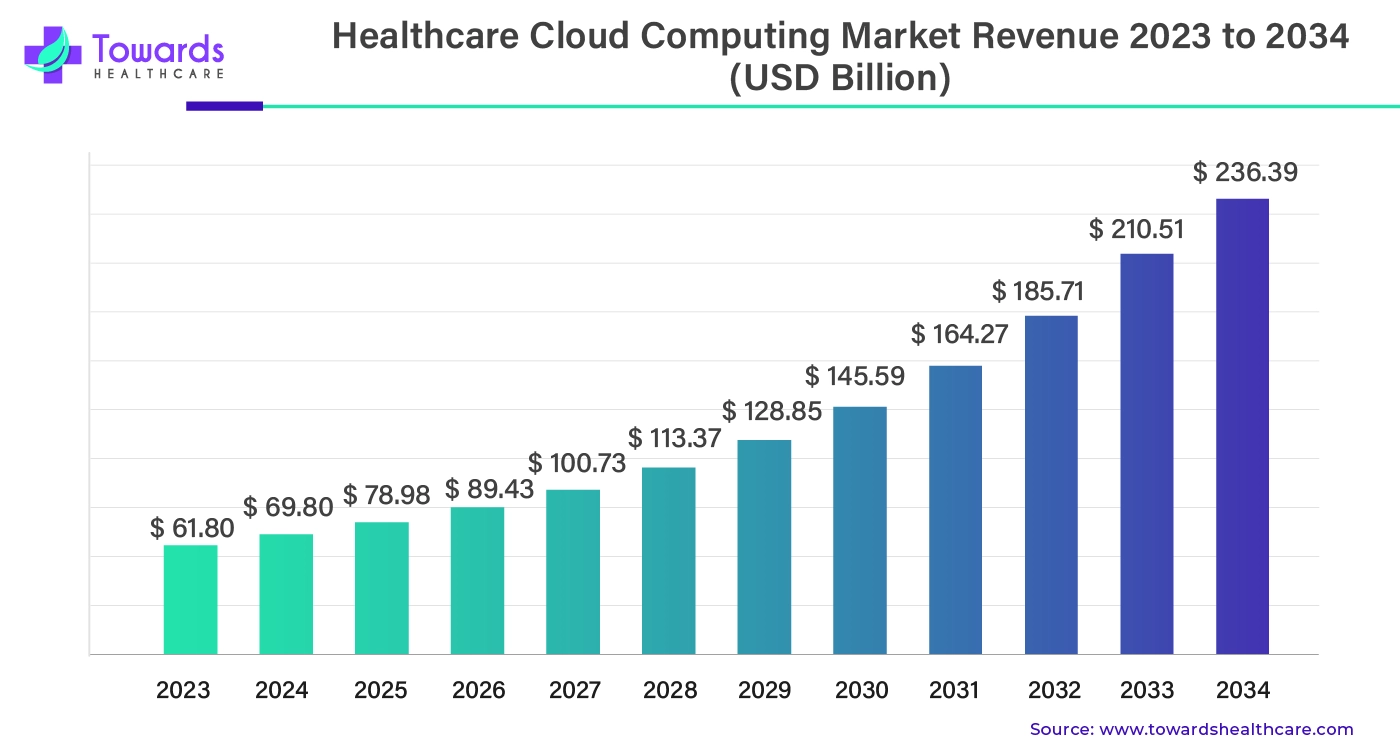
    The global healthcare cloud computing market has experienced significant growth and is poised to continue expanding in the coming years. The market size was estimated at US$ 61.80 billion in 2023 and is projected to grow to US$ 236.39 billion by 2034. This growth is expected to rise at a compound annual growth rate (CAGR) of 13.05% from 2024 to 2034.

    Healthcare Cloud Computing Market Revenue 2023 - 2034

    Get All the Details in Our Solution – Download Brochure @ https://www.towardshealthcare.com/download-brochure/5221

    As the healthcare sector continues to evolve and the amount of data generated rises, the need for effective cloud-based solutions becomes even more critical. Storing and using data on personal devices or local systems can cause slowdowns, which are a major issue in the fast-paced world of healthcare. This is why cloud computing has become a necessary tool for ensuring the smooth flow of operations in healthcare organizations, enabling them to manage, store, and analyze data efficiently.

    The Growing Need for Cloud Computing in Healthcare

    As the healthcare sector continues to evolve, the need for cloud computing solutions becomes more apparent. Increased patient numbers, the expansion of healthcare networks, and the demand for more sophisticated data analytics all contribute to the mounting challenges of data management.

    • Scalability: Cloud computing provides scalability to meet the growing demands of healthcare organizations. Whether a clinic is handling a few patients or a large hospital is managing thousands of patient records, cloud services can adjust to their needs without the hassle of infrastructure upgrades.
    • Cost-Effectiveness: Cloud computing eliminates the need for significant upfront investments in hardware, reducing costs for healthcare providers. Additionally, organizations only pay for the resources they use, which makes it more affordable, especially for smaller healthcare providers.
    • Disaster Recovery: Cloud services ensure that data is regularly backed up, making it easier to recover in case of technical failures or emergencies. This is critical in healthcare, where the loss of patient data can lead to severe consequences.

    Our Table of Content (TOC) covers key healthcare market segments, materials, technologies and trends—helping you navigate market shifts and make informed decisions: https://www.towardshealthcare.com/table-of-content/healthcare-cloud-computing-market-sizing

    Invest in Our Premium Strategic Solution @ https://www.towardshealthcare.com/price/5221

    We’ve prepared a service to support you. Please feel free to contact us at  sales@towardshealthcare.com

    Web: https://www.towardshealthcare.com

    Visit Dental Specifics: https://www.towardsdental.com

    Get the latest insights on industry segmentation with our Annual Membership: Get a Subscription

    For Latest Update Follow Us: https://www.linkedin.com/company/towards-healthcare

  • Advancements in AI and Digital Health Transforming Healthcare Landscape

    Advancements in AI and Digital Health Transforming Healthcare Landscape

    The healthcare sector is experiencing a paradigm shift with the rapid adoption of artificial intelligence (AI) and digital technologies. These innovations are not only enhancing diagnostic processes but also revolutionizing the way healthcare services are delivered, making them more decentralized and personalized. A recent interview with Deepak Sahni, CEO of Healthians, highlighted how AI plays a pivotal role in diagnostics, continuous patient monitoring, and data-driven analytics. These AI-powered solutions enable proactive and personalized interventions, significantly improving patient outcomes. The healthcare industry is increasingly embracing AI’s potential to drive efficiency, accessibility, and precision in healthcare delivery.

    In line with these advancements, the Indian government is taking significant steps to modernize the healthcare ecosystem. In September 2024, the Union government announced plans to establish a central registry for medical practitioners. This initiative aims to create a national database of certified allied healthcare professionals, enhancing transparency, accountability, and access to quality healthcare services. The move is also expected to streamline the process of verifying credentials, ensuring that only qualified professionals are serving the public. By October 2024, the federal and state governments are expected to implement the National Commission of Allied and Healthcare Professionals (NCAHP) Act 2021, in accordance with a Supreme Court directive. This will empower healthcare professionals, standardize practices, and support the integration of allied healthcare workers into the formal healthcare system.

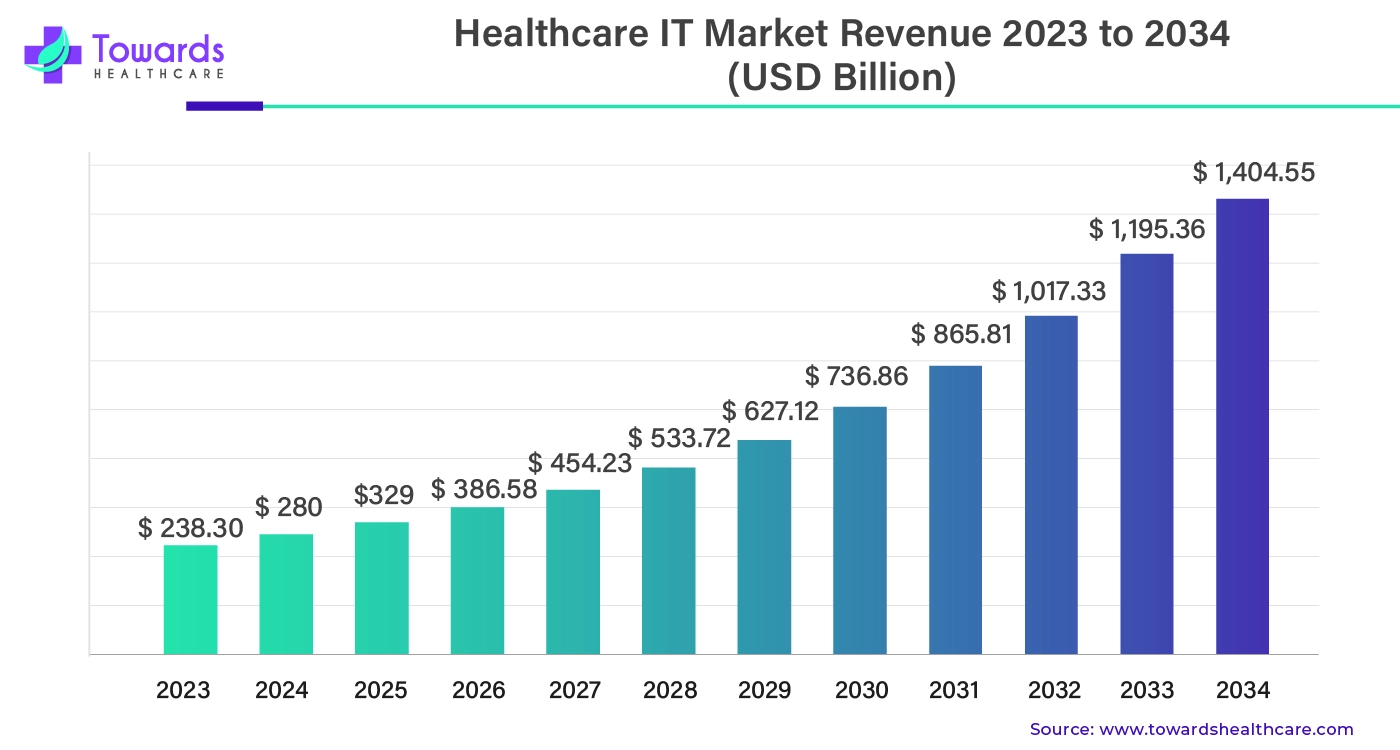
    As these developments take shape, the global healthcare IT market is also witnessing significant growth. In 2023, the market was valued at US$ 238.30 billion and is projected to surge to US$ 1404.55 billion by 2034, reflecting a remarkable compound annual growth rate (CAGR) of 17.5% from 2024 to 2034. With the growing population and an increasing burden of health issues worldwide, vast amounts of data are generated daily. Managing this data efficiently becomes crucial, and healthcare IT solutions are the key to organizing and utilizing this data effectively. The integration of IT into healthcare systems enables better management of patient records, enhances communication, and improves operational efficiency, making IT an essential component of modern healthcare.

    Healthcare IT Market Revenue 2023 - 2034

    Get All the Details in Our Solution – Download Brochure @ https://www.towardshealthcare.com/download-brochure/5220

    In the realm of digital health innovation, the World Health Organization (WHO) unveiled a groundbreaking initiative following World Health Day in April 2024. The WHO introduced S.A.R.A.H., a prototype digital health promoter powered by generative AI and enhanced empathy. S.A.R.A.H., referred to as the Smart AI Resource Assistant for Health, uses advanced language models and AI technology to facilitate personalized health information. This avatar can communicate in eight languages and is accessible around the clock on a variety of devices. By offering accessible and accurate health advice, S.A.R.A.H. has the potential to bridge information gaps, especially in underserved communities, empowering individuals to take charge of their health.

    Further reinforcing the drive toward digital healthcare transformation, UNICEF India, in collaboration with the International Institute of Health Management Research (IIHMR) New Delhi and IIT Bombay, launched a digital course in March 2024. The course is designed to equip healthcare workers with the skills necessary to lead the digital transformation of India’s healthcare sector. As the world moves toward a more connected and technology-driven future, healthcare professionals must be equipped with the tools and knowledge to leverage digital innovations for improving healthcare delivery.

    These initiatives underscore the increasing role of AI and digital health tools in shaping the future of healthcare. From AI-assisted diagnostics to the development of digital health assistants like S.A.R.A.H., the healthcare landscape is evolving to be more proactive, personalized, and accessible. With the growing importance of healthcare IT solutions in managing vast amounts of data, the future of healthcare looks brighter, offering enhanced outcomes for patients and a more efficient, equitable system for healthcare delivery.

    Our Table of Content (TOC) covers key healthcare market segments, materials, technologies and trends—helping you navigate market shifts and make informed decisions: https://www.towardshealthcare.com/table-of-content/healthcare-it-market-sizing

    Invest in Our Premium Strategic Solution @ https://www.towardshealthcare.com/price/5220

    We’ve prepared a service to support you. Please feel free to contact us at  sales@towardshealthcare.com

    Web: https://www.towardshealthcare.com

    Visit Dental Specifics: https://www.towardsdental.com

    Get the latest insights on industry segmentation with our Annual Membership: Get a Subscription

    For Latest Update Follow Us: https://www.linkedin.com/company/towards-healthcare
  • Transforming Corporate Wellness with the Role of AI in Shaping Healthier Workplaces

    Transforming Corporate Wellness with the Role of AI in Shaping Healthier Workplaces

    The corporate wellness industry has seen significant advancements in recent years, with artificial intelligence (AI) playing a pivotal role in enhancing employee well-being. As companies continue to prioritize the health of their workforce, AI’s ability to analyze vast amounts of data and identify patterns has become invaluable in creating more effective wellness solutions. From developing tailored wellness programs to addressing mental health concerns, AI is revolutionizing the way organizations approach employee wellness.

    AI-Driven Insights for Better Wellness Programs

    One of the most prominent applications of AI in corporate wellness is its capacity to analyze employee data and provide actionable insights. By collecting and processing data on employee habits, physical activity, and general well-being, AI can identify trends and patterns that might otherwise go unnoticed. This information can then be used to develop personalized wellness programs that cater to the unique needs of individual employees.

    AI can also gather feedback from employees, allowing companies to refine their wellness initiatives based on real-time data. By using AI to monitor employee satisfaction with wellness programs, organizations can ensure that their initiatives remain relevant and effective, adjusting them to better meet the evolving needs of their workforce.

    Proactive Health Measures and Risk Prevention

    AI’s ability to predict potential health risks and intervene before they escalate is one of its most promising features in corporate wellness. By analyzing patterns in employee data, AI can identify early warning signs of health issues, such as burnout, fatigue, or physical strain. This proactive approach enables organizations to take preventive measures, ensuring that employees receive the necessary support before a minor issue becomes a major concern.

    AI-powered wellness platforms can also help companies design and implement health programs that focus on specific risk factors. For example, AI can analyze the work habits and lifestyle choices of employees and suggest individualized interventions to prevent chronic conditions such as cardiovascular disease, diabetes, or musculoskeletal problems.

    AI’s Impact on Mental Health in the Workplace

    Mental health is a growing concern in today’s corporate world, and AI is emerging as a key tool for addressing this issue. AI’s ability to predict mental stress and detect mental health disorders has been a game-changer for corporate wellness programs. By analyzing behavioral and communication patterns, AI can identify employees who may be experiencing stress, anxiety, or other mental health challenges, even before they verbalize their concerns.

    In a groundbreaking move in February 2024, Aiberry launched AI-powered mental health assessments for corporate wellness platforms. Their AI-based platform, “Botberry,” uses speech patterns and facial expressions to detect signs of mental health disorders. The AI system can engage in conversations with employees, offering a discreet and effective way for employees to assess their mental health without the need for a third-party intermediary. This approach ensures that employees who may be hesitant to seek help are still able to receive the support they need.

    Corporate Wellness Market Growth

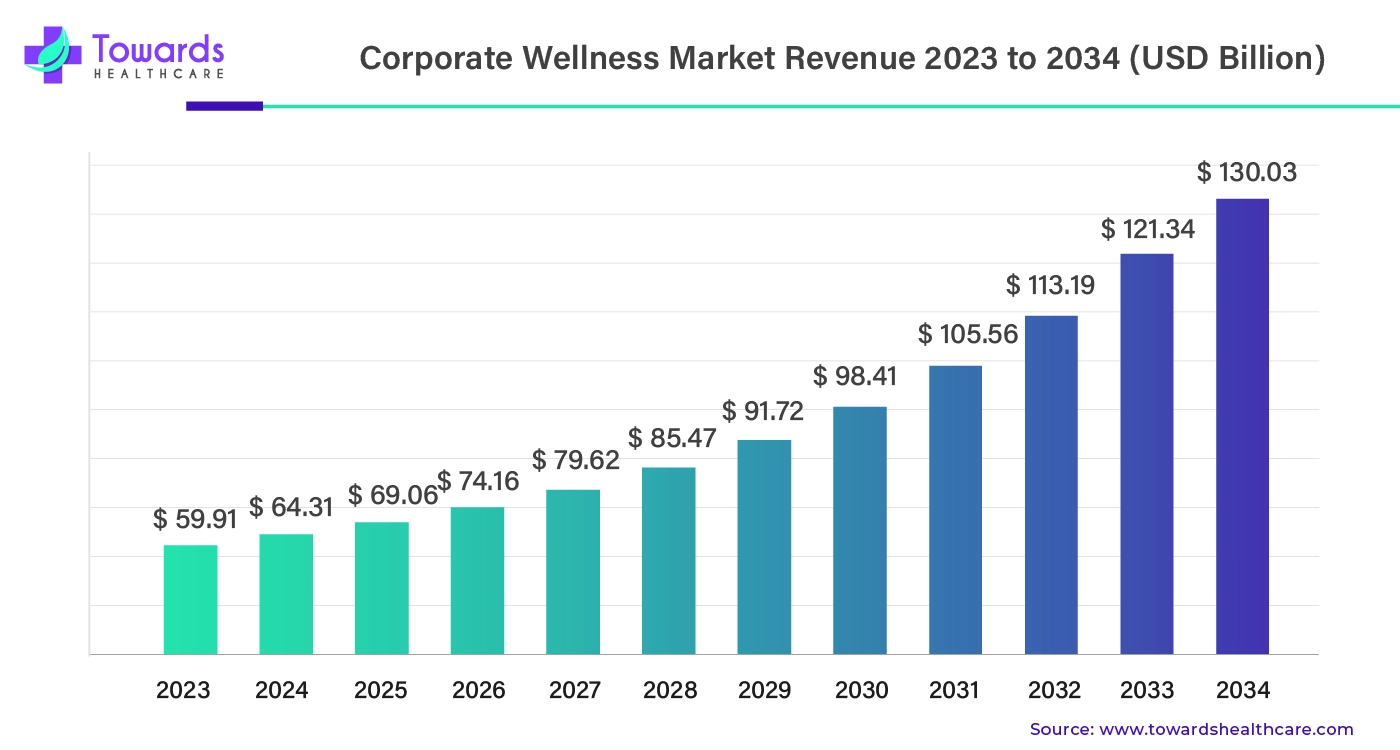
    The corporate wellness market has witnessed robust growth, reflecting an increasing commitment to employee health and well-being across organizations. In 2023, the global corporate wellness market was valued at approximately US$ 59.91 billion and is projected to grow to US$ 130.03 billion by 2034. This represents a compound annual growth rate (CAGR) of 7.35% from 2024 to 2034. As awareness about health and well-being continues to rise, organizations are placing more emphasis on developing holistic wellness programs that go beyond focusing on physical health alone. Today’s wellness programs incorporate all aspects of health, from physical fitness to mental and emotional well-being, and are increasingly shaped by advanced technologies such as AI.

    Corporate Wellness Market Revenue 2023 - 2034

    Get All the Details in Our Solution – Download Brochure @ https://www.towardshealthcare.com/download-brochure/5218

    As AI continues to advance, its role in driving this market growth will only become more prominent. The integration of AI-powered solutions into corporate wellness programs is helping companies create tailored and effective strategies for improving the health of their workforce.

    The Future of AI in Corporate Wellness

    As AI technology continues to evolve, its role in corporate wellness will only expand. In the future, AI could play an even more significant role in real-time health monitoring, wearables, and predictive analytics, offering even deeper insights into employee well-being. With AI’s ability to personalize health programs, monitor stress levels, and prevent health risks, the corporate wellness industry is poised for a transformation that could ultimately improve productivity, reduce healthcare costs, and create healthier, happier work environments.

    Our Table of Content (TOC) covers key healthcare market segments, materials, technologies and trends—helping you navigate market shifts and make informed decisions: https://www.towardshealthcare.com/table-of-content/corporate-wellness-market-sizing

    Invest in Our Premium Strategic Solution @ https://www.towardshealthcare.com/price/5218

    We’ve prepared a service to support you. Please feel free to contact us at  sales@towardshealthcare.com

    Web: https://www.towardshealthcare.com

    Visit Dental Specifics: https://www.towardsdental.com

    Get the latest insights on industry segmentation with our Annual Membership: Get a Subscription

    For Latest Update Follow Us: https://www.linkedin.com/company/towards-healthcare

  • AI Revolutionizing the Automated Cell Counting Industry

    AI is transforming industries across the globe, and the automated cell counting market is no exception. Traditionally, cell counting has been a time-consuming, labor-intensive process. However, with the integration of Artificial Intelligence (AI), this process is becoming more efficient, accurate, and cost-effective.

    AI’s influence on automated cell counting is revolutionizing the way cell numbers and distribution are predicted. What once required painstaking manual labor and expensive hardware is now accomplished more quickly and with greater precision, thanks to AI-driven software. These advancements are streamlining workflows and significantly lowering operational costs. AI not only counts cells but also enhances the ability to differentiate between different cell types, making it particularly valuable in identifying contamination and debris during experiments.

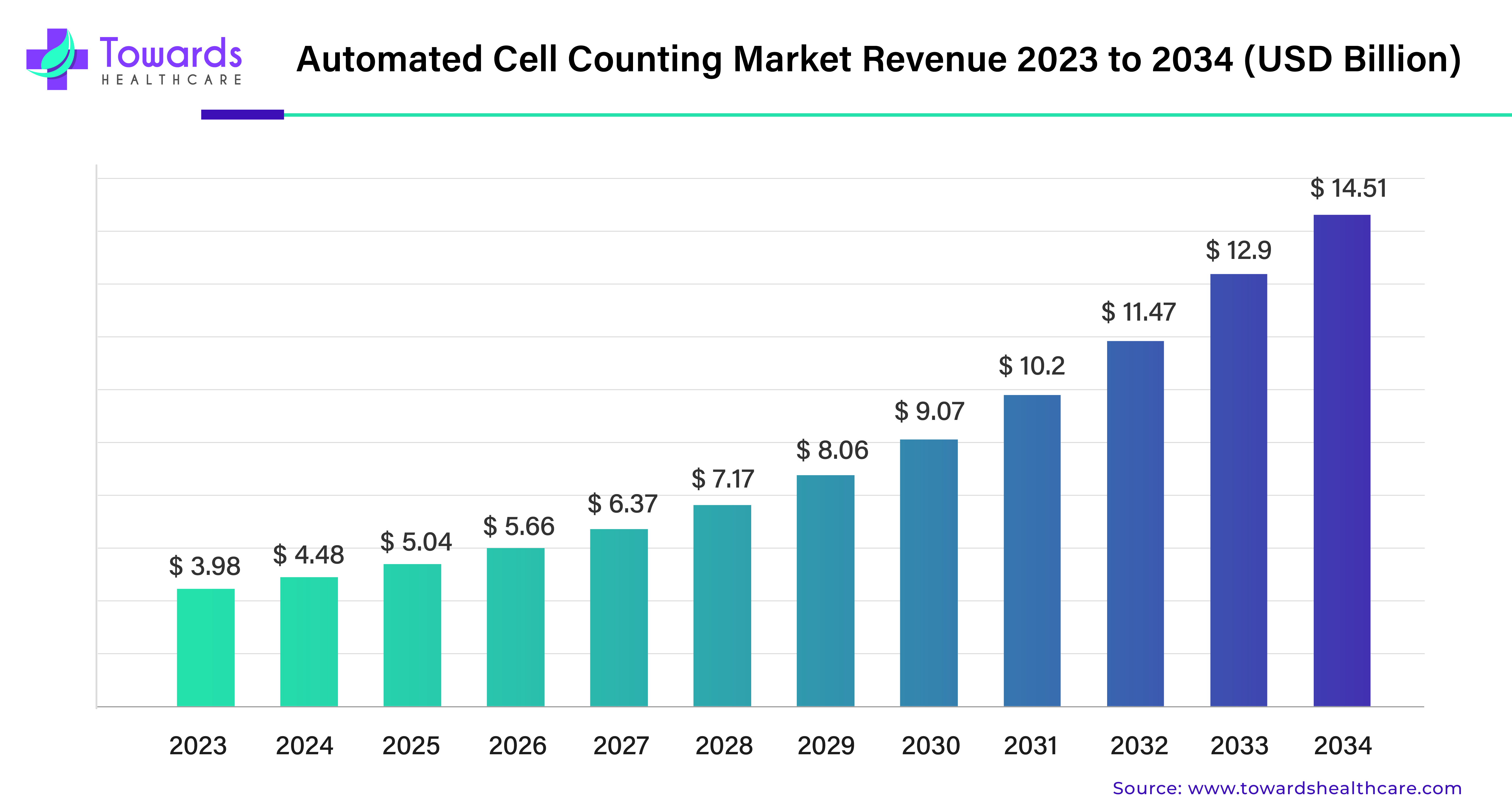
    The global automated cell counting market was estimated at US$ 3.98 billion in 2023 and is projected to grow to US$ 14.51 billion by 2034, rising at a compound annual growth rate (CAGR) of 12.48% from 2024 to 2034. This impressive growth is driven by the increasing need for cell counting in various applications, including cell culture, monitoring cell growth, developing cell-based assays, and other processes crucial for research and diagnostics. As these applications expand, the demand for automated, efficient, and precise cell counting tools rises.

    Automated Cell Counting Market Revenue 2023 - 2034

    Get All the Details in Our Solution – Download Brochure @ https://www.towardshealthcare.com/download-brochure/5215

    A prime example of AI’s impact in this field can be seen with the launch of the Mateo FL by Leica Microsystems, a leader in scientific instrumentation and microscopy. Released in July 2024, the Mateo FL is an AI-powered digital fluorescence microscope designed to advance research applications. The device makes cell counting more efficient than ever before. Traditionally, counting cells manually could take up to 15 minutes, but with the Mateo FL, this process is reduced to just 5 seconds. This dramatic decrease in time spent not only accelerates research but also reduces the chances of contamination by a remarkable 50%.

    The Mateo FL and similar AI-integrated tools mark a turning point for the industry. They offer faster, more reliable results, enabling researchers to focus their efforts on more critical aspects of their studies, such as analyzing results and conducting further experiments. This newfound speed and accuracy can potentially speed up developments in fields like biotechnology, pharmacology, and medical research, where cell counting is a crucial element.

    Our Table of Content (TOC) covers key healthcare market segments, materials, technologies and trends—helping you navigate market shifts and make informed decisions: https://www.towardshealthcare.com/table-of-content/automated-cell-counting-market-sizing

    Invest in Our Premium Strategic Solution @ https://www.towardshealthcare.com/price/5215

    We’ve prepared a service to support you. Please feel free to contact us at  sales@towardshealthcare.com

    Web: https://www.towardshealthcare.com

    Visit Dental Specifics: https://www.towardsdental.com

    Get the latest insights on industry segmentation with our Annual Membership: Get a Subscription

    For Latest Update Follow Us: https://www.linkedin.com/company/towards-healthcare
  • The Promise of CAR T-Cell Therapy in Revolutionizing Cancer Treatment

    Chimeric Antigen Receptor T-cell (CAR-T) therapy is rapidly emerging as one of the most revolutionary treatments in the fight against cancer, particularly blood cancers like leukemia and lymphoma. CAR T-cell therapy harnesses the power of the immune system to target and destroy cancer cells, offering patients a promising alternative to traditional treatments.

    What is CAR-T Cell Therapy?

    CAR-T therapy involves modifying a patient’s own T-cells, which are a critical part of the immune system, to better recognize and fight cancer cells. The T-cells are genetically engineered to express a receptor specific to an antigen found on the surface of malignant cells. This targeted approach allows the immune system to focus its attack on the cancer cells while minimizing damage to healthy tissue.

    One of the most compelling advantages of CAR T-cell therapy is its potential for long-term protection. Once administered, these modified T-cells multiply and persist in the body, offering the possibility of prolonged remission and reducing the chances of cancer recurrence. This characteristic marks CAR T-cell therapy as a promising treatment option, especially for cancers that are resistant to traditional therapies.

    The Success of CAR-T Cell Therapy in Blood Cancers

    CAR-T therapy has shown remarkable success in treating blood cancers, particularly in patients with leukemia and lymphoma. The first CAR T-cell therapies were approved by the U.S. Food and Drug Administration (FDA) for these conditions, and clinical trials have shown impressive results, including patients achieving complete remission after treatment.

    The therapy targets specific antigens present on cancer cells, which helps direct the immune system’s attack with precision, reducing the likelihood of side effects commonly associated with other cancer treatments, such as chemotherapy and radiation. The success of CAR T-cell therapy in blood cancers is leading researchers to explore its potential in treating other types of cancer, including solid tumors.

    The Growing Cell Therapy Market

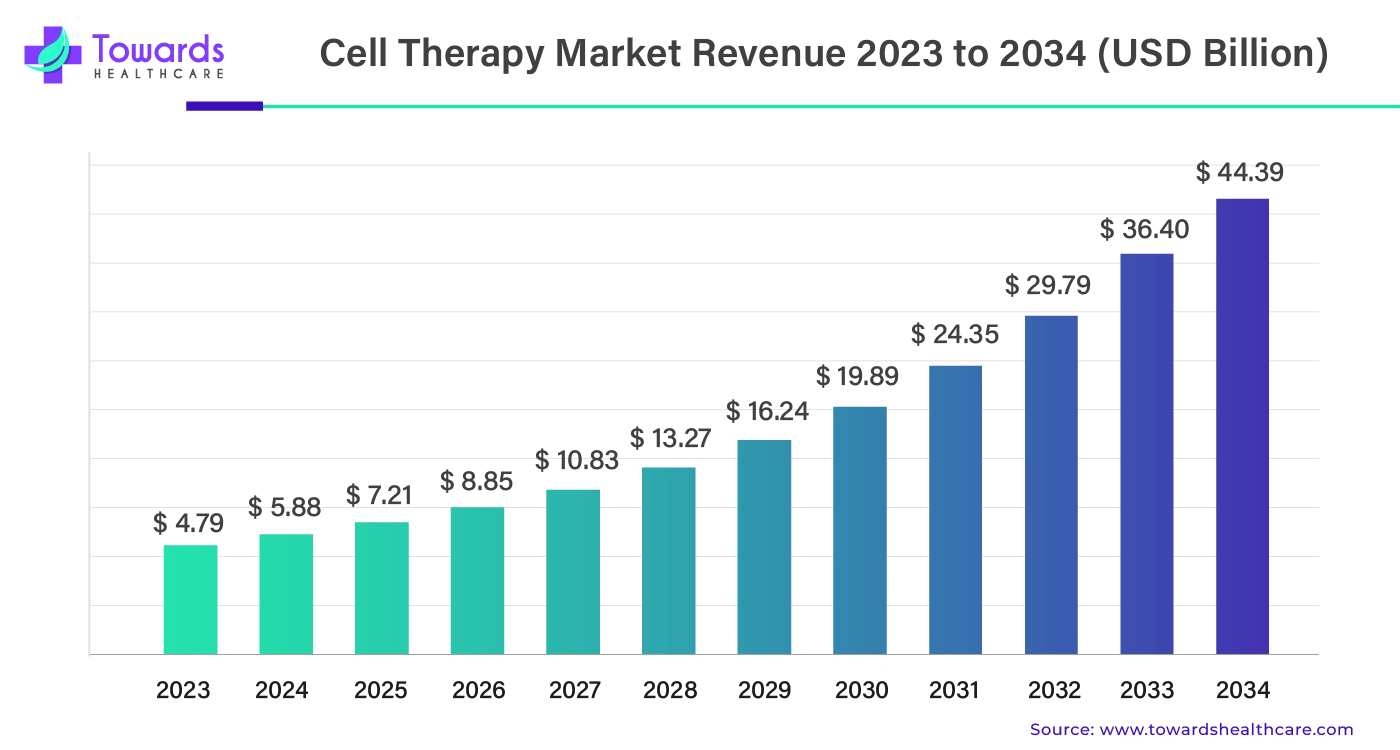
    As CAR-T therapy continues to gain recognition for its potential in cancer treatment, it is also contributing to the rapid growth of the global cell therapy market. In 2023, the cell therapy market was valued at US$ 4.79 billion, and it is projected to expand significantly, reaching US$ 44.39 billion by 2034. This growth is driven by increasing demand for innovative therapeutics, particularly for rare diseases that have limited treatment options.

    The compound annual growth rate (CAGR) for the cell therapy market is estimated at 22.69% from 2024 to 2034, indicating strong momentum as more breakthroughs emerge in cellular medicine. CAR-T therapy, with its personalized and targeted approach, is at the forefront of this growth, offering transformative potential not only for blood cancers but for a broader range of conditions, including autoimmune diseases and other cancers.

    Cell Therapy Market Revenue 2023 - 2034

    Get All the Details in Our Solution – Download Brochure @ https://www.towardshealthcare.com/download-brochure/5210

    Future Implications for Cancer Treatment

    The potential of CAR T-cell therapy goes beyond its current applications in blood cancers. Researchers are optimistic about the possibility of adapting CAR-T technology for other cancer types, including breast, lung, and pancreatic cancers. The ability to customize CAR-T cells to target specific antigens across a range of cancers could transform the landscape of cancer treatment.

    Innovations in CAR-T Manufacturing

    As CAR-T therapies continue to evolve, the manufacturing process is also advancing. A key innovation is the Sefia next-generation manufacturing platform, unveiled by Cytiva in June 2024. This platform is designed to streamline the production of CAR T-cell therapies and other cell-based medicines, making them more accessible and affordable for pharmaceutical companies and healthcare providers. The platform’s efficiency will help bring CAR T-cell therapies to a broader patient population at competitive prices.

    Cytiva’s collaboration with Kite, a Gilead company, has played a significant role in advancing CAR-T technology. Kite’s well-known CAR T therapies, Tecartus® (brexucabtagene autoleucel) and Yescarta® (axicabtagene ciloleucel), were developed using Cytiva’s manufacturing technology. This partnership has paved the way for further advancements in CAR-T production, improving scalability and reducing costs, which are essential for ensuring that CAR-T therapies become widely available.

    Our Table of Content (TOC) covers key healthcare market segments, materials, technologies and trends—helping you navigate market shifts and make informed decisions: https://www.towardshealthcare.com/table-of-content/cell-therapy-market-sizing

    Invest in Our Premium Strategic Solution @ https://www.towardshealthcare.com/price/5210

    We’ve prepared a service to support you. Please feel free to contact us at  sales@towardshealthcare.com

    Web: https://www.towardshealthcare.com

    Visit Dental Specifics: https://www.towardsdental.com

    Get the latest insights on industry segmentation with our Annual Membership: Get a Subscription

    For Latest Update Follow Us: https://www.linkedin.com/company/towards-healthcare
  • Biological Safety Testing Products and Services Market Size, Advances and Growth

    Biological Safety Testing Products and Services Market Size, Advances and Growth

    The life sciences sector has recently witnessed significant developments aimed at enhancing professional standards and advancing testing technologies. From the introduction of a pioneering professional registration program in the UK to the unveiling of cutting-edge sterility testing equipment, these advancements underscore the industry’s commitment to safety, innovation, and excellence.

    UK Introduces Biorisk Professional Registration Scheme

    In July 2024, the United Kingdom launched a groundbreaking program enabling biorisk specialists to gain professional recognition through the Biorisk Professional Registration Scheme (BPRS). Designed collaboratively by the Biorisk Strategic Leadership Group (BSLG) and the Royal Society of Biology (RSB), the program offers practitioners a platform to share knowledge, enhance professional growth, and assess their competencies.

    The BPRS aims to standardize the field of biorisk management by providing a structured pathway for specialists to validate their expertise. This initiative not only promotes knowledge exchange but also supports the professional development of individuals managing biological risks in diverse settings. By fostering a culture of competency and continuous improvement, the scheme is set to elevate the standards of biorisk management across the UK.

    Sartorius Revolutionizes Sterility Testing with Sterisart® Universal Pump

    In May 2024, Sartorius, a leader in life science innovations, unveiled the fourth generation of its Sterisart® Universal pump. This state-of-the-art equipment is designed to meet the stringent quality and safety standards demanded by the pharmaceutical and biotechnology industries.

    The Sterisart® Universal pump facilitates the precise transfer of samples and media into Sterisart® canisters, ensuring reliable sterility testing. This advancement addresses critical challenges in maintaining product integrity and regulatory compliance. With its dependable performance, the new pump represents a significant leap forward in sterility testing technologies, reinforcing Sartorius’ commitment to supporting the highest standards of pharmaceutical and biotechnological manufacturing.

    Biological Safety Testing Market: Size, Advances, and Growth

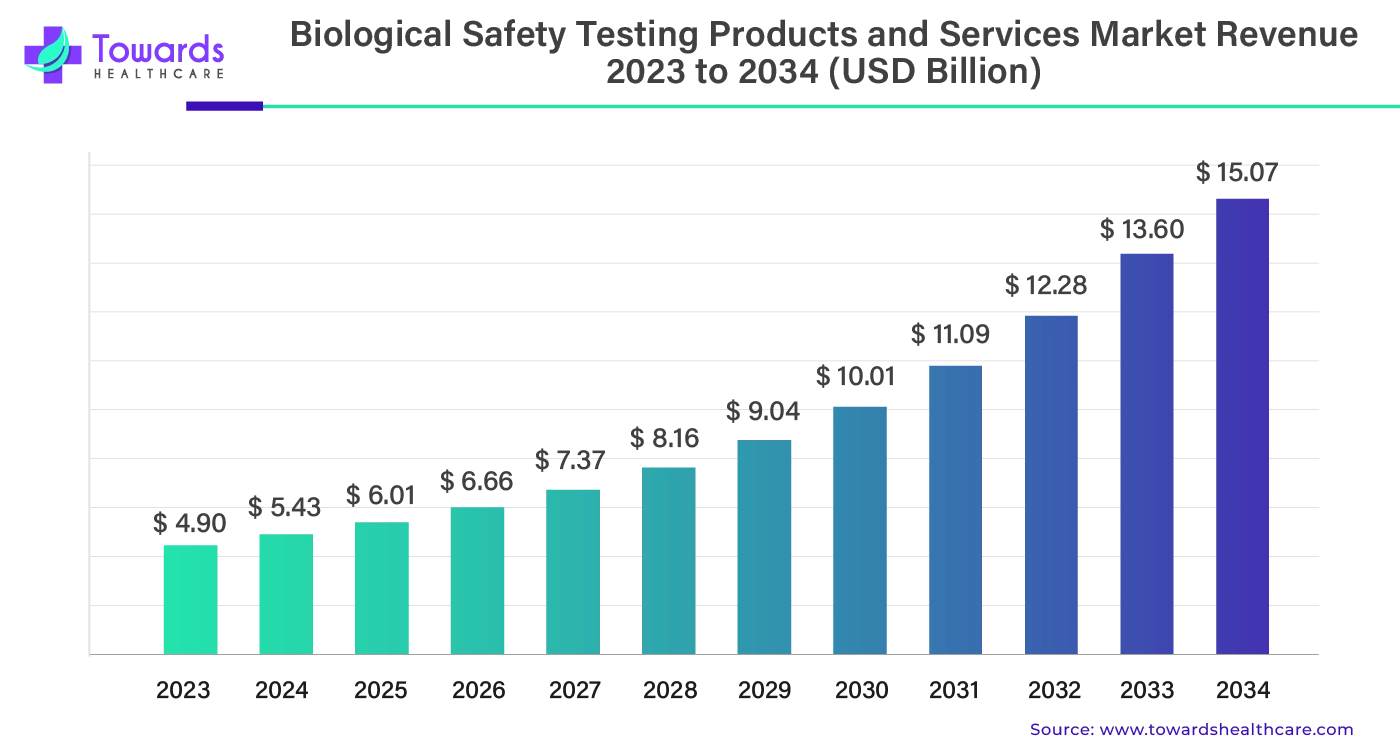
    The global biological safety testing products and services market is experiencing unprecedented growth, driven by increasing concerns about product safety in the pharmaceutical and biotechnology industries. In 2023, the market size was estimated at US$ 4.90 billion and is projected to reach US$ 15.07 billion by 2034, growing at a robust compound annual growth rate (CAGR) of 10.75% from 2024 to 2034.

    Biological Safety Testing Products and Services Market Revenue 2023 - 2034

    Get All the Details in Our Solution – Download Brochure @ https://www.towardshealthcare.com/download-brochure/5209

    This growth highlights the critical role of biological safety testing in ensuring the quality and safety of products, aligning with industry demands for rigorous testing and compliance. As the sector continues to expand, advancements in testing technologies and services will remain pivotal in addressing emerging challenges and upholding global safety standards.

    Merck Expands Biologics Testing Capabilities in China

    In November 2023, Merck reached a major milestone with the second phase expansion of its €29 million Biologics Testing Center in China. This addition of 1,500 square meters builds on the facility inaugurated in 2022, reflecting Merck’s dedication to advancing biosafety capabilities in this vital market.

    The expanded center provides clients with comprehensive testing services, including cell line characterization and lot release, catering to all stages from pre-clinical development to commercialization. As Merck’s first biosafety facility in China, this center enables localized access to critical services, streamlining the development pipeline for biologics. This strategic investment underscores Merck’s role as a leader in the science and technology landscape, fostering innovation and growth in the global biologics sector.

    Our Table of Content (TOC) covers key healthcare market segments, materials, technologies and trends—helping you navigate market shifts and make informed decisions: https://www.towardshealthcare.com/table-of-content/biological-safety-testing-products-and-services-market-sizing

    Invest in Our Premium Strategic Solution @ https://www.towardshealthcare.com/price/5209

    We’ve prepared a service to support you. Please feel free to contact us at  sales@towardshealthcare.com

    Web: https://www.towardshealthcare.com

    Visit Dental Specifics: https://www.towardsdental.com

    Get the latest insights on industry segmentation with our Annual Membership: Get a Subscription

    For Latest Update Follow Us: https://www.linkedin.com/company/towards-healthcare
  • Recent Developments in the Viral Vector and Plasmid DNA Manufacturing Market

    Recent Developments in the Viral Vector and Plasmid DNA Manufacturing Market

    The viral vector and plasmid DNA manufacturing market continues to experience rapid innovation and expansion, driven by advances in biotechnology and increasing demand for efficient, high-quality solutions. Recent milestones in this sector highlight the achievements of key players in enhancing production capabilities and service delivery.

    Market Growth and Trends

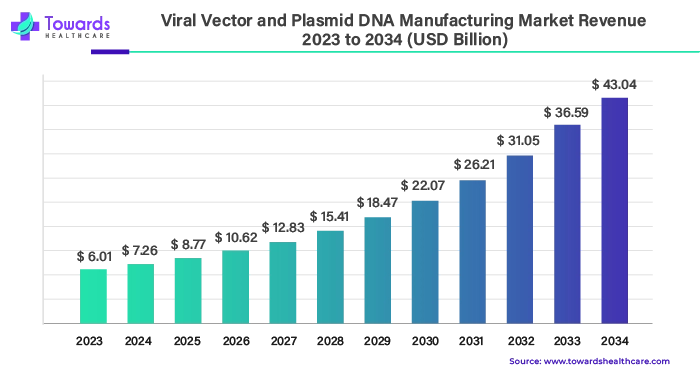
    The global viral vector and plasmid DNA manufacturing market size was estimated at US$ 6.01 billion in 2023 and is projected to grow to US$ 43.04 billion by 2034, rising at a compound annual growth rate (CAGR) of 20.7% from 2024 to 2034. This impressive growth is fueled by the evolving usage of plasmids and vectors across various applications, reflecting their critical role in advancing biopharmaceutical and gene therapy solutions.

    Viral Vector and Plasmid DNA Manufacturing Market Revenue 2023 - 2034

    Get All the Details in Our Solution – Download Brochure @ https://www.towardshealthcare.com/download-brochure/5199

    Kaneka Eurogentec: Achieving High-Yield Production

    In July 2024, Kaneka Eurogentec, an FDA-inspected contract development and manufacturing organization (CDMO) specializing in injectable-grade cGMP biopharmaceuticals, achieved a significant breakthrough. The company successfully produced one kilogram of plasmid DNA in a single fermentation run for a leading drug development firm. This achievement demonstrates the efficiency and scalability of Kaneka Eurogentec’s production capabilities, setting a benchmark for high-yield plasmid DNA manufacturing. The milestone reflects the company’s commitment to advancing biopharmaceutical production to meet the growing needs of the industry.

    GenScript Biotech Corporation: Launch of GenScript FLASH Gene Service

    In June 2024, GenScript Biotech Corporation announced the launch of the GenScript FLASH Gene service, a revolutionary sequence-to-plasmid (S2P) service. Known for its relentless innovation in synthetic biology, GenScript has introduced this flagship product to address the urgent demand for gene constructions with unparalleled speed, quality, and affordability. The GenScript FLASH Gene service represents a significant step forward in synthetic biology, enabling researchers to obtain high-quality gene constructs faster and more efficiently than ever before. This innovation underscores GenScript’s leadership in delivering cutting-edge solutions for gene synthesis.

    Charles River Laboratories: Streamlining Viral Vector Tech Transfers

    In March 2024, Charles River Laboratories International, Inc. unveiled its Modular and Fast Track viral vector technology transfer frameworks. These frameworks, developed from decades of experience as a viral vector CDMO, are designed to streamline process transfers to its viral vector center of excellence (CoE) in Maryland. With this methodical approach, Charles River Laboratories can complete tech transfers in as little as nine months, ensuring faster and more efficient production timelines. The availability of these frameworks for download further emphasizes the company’s dedication to simplifying and accelerating viral vector manufacturing processes.

    Industry Impact

    These developments highlight the transformative progress in the viral vector and plasmid DNA manufacturing market. Companies like Kaneka Eurogentec, GenScript Biotech Corporation, and Charles River Laboratories are leading the way in addressing industry challenges, from scaling up production to enhancing service speed and efficiency. Coupled with the market’s robust growth trajectory, these innovations play a crucial role in shaping the future of healthcare and biotechnology.

    Our Table of Content (TOC) covers key healthcare market segments, materials, technologies and trends—helping you navigate market shifts and make informed decisions: https://www.towardshealthcare.com/table-of-content/viral-vector-and-plasmid-dna-manufacturing-market-sizing

    Invest in Our Premium Strategic Solution @ https://www.towardshealthcare.com/price/5199

    We’ve prepared a service to support you. Please feel free to contact us at  sales@towardshealthcare.com

    Web: https://www.towardshealthcare.com

    Visit Dental Specifics: https://www.towardsdental.com

    Get the latest insights on industry segmentation with our Annual Membership: Get a Subscription

    For Latest Update Follow Us: https://www.linkedin.com/company/towards-healthcare

  • Innovations and Expansions in Pyrogen and Endotoxin Testing

    Innovations and Expansions in Pyrogen and Endotoxin Testing

    The pharmaceutical and medical device sectors are witnessing significant advancements in pyrogen and endotoxin testing methodologies, driven by increasing demand for efficient and reliable microbiological services. Recent innovations and expansions in this field highlight the industry’s commitment to improving testing processes and ensuring safety.

    Pyrogen Testing Market Growth and Regional Insights

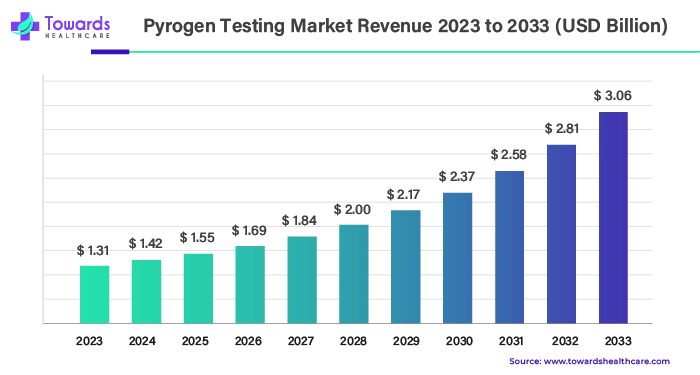
    The global pyrogen testing market size was estimated at US$ 1.31 billion in 2023 and is projected to grow to US$ 3.06 billion by 2033, rising at a compound annual growth rate (CAGR) of 8.91% from 2024 to 2033. This substantial growth is primarily driven by the expanding pharmaceutical and biotechnology industries, which require advanced testing solutions to ensure product safety and regulatory compliance.

    Pyrogen Testing Market Revenue 2023 - 2033

    Get All the Details in Our Solution – Download Brochure @ https://www.towardshealthcare.com/download-brochure/5197

    Lonza’s Novel MAT Systems: A Leap Toward Rabbit-Free Testing

    In October 2023, Lonza introduced two groundbreaking devices to the market: the PyroCell™ MAT Fast System and the PyroCell™ MAT Human Serum (HS) Rapid System. These devices are designed to expedite and simplify monocyte activation testing (MAT) without relying on traditional rabbit-based pyrogen testing methods. By providing a rabbit-free alternative, these innovations align with global trends toward more ethical and sustainable testing practices. The systems promise to enhance the speed and efficiency of pyrogen testing, offering a reliable solution for detecting contaminants that may induce fever in humans.

    Wickham Micro Expands Microbial Testing Capabilities

    The Cormica Group’s Wickham Micro has made significant strides in enhancing its microbial testing capabilities. In October 2023, the company announced a 40% expansion of its laboratory space to address the growing demand for superior microbiological services in the pharmaceutical and medical device industries. This strategic move underscores Wickham Micro’s unwavering commitment to delivering high-quality testing services, particularly in the evaluation of bacterial endotoxins. The expansion ensures that the company can accommodate increased workloads while maintaining its reputation for excellence.

    Lonza’s Nebula® Absorbance Reader: Enhancing Testing Efficiency

    In August 2023, Lonza unveiled the Nebula® Absorbance Reader, a cutting-edge microplate reader designed to streamline endotoxin and pyrogen testing. This innovative device is part of Lonza’s broader effort to provide advanced solutions that simplify testing workflows and improve efficiency. The Nebula® Absorbance Reader integrates seamlessly into laboratories, offering precise and reliable results that are crucial for ensuring the safety of pharmaceutical and medical products.

    Addressing Industry Challenges with Technological Advancements

    These developments reflect the industry’s proactive approach to meeting the increasing demand for robust and ethical testing solutions. The significant growth of the pyrogen testing market further emphasizes the importance of these innovations. Lonza’s advancements in MAT and endotoxin testing, combined with Wickham Micro’s expanded capabilities, demonstrate a shared commitment to enhancing safety standards and operational efficiency. As the pharmaceutical and medical device sectors continue to evolve, such innovations are set to play a pivotal role in ensuring product safety and regulatory compliance.

    Our Table of Content (TOC) covers key healthcare market segments, materials, technologies and trends—helping you navigate market shifts and make informed decisions: https://www.towardshealthcare.com/table-of-content/pyrogen-testing-market-sizing

    Invest in Our Premium Strategic Solution @ https://www.towardshealthcare.com/price/5197

    We’ve prepared a service to support you. Please feel free to contact us at  sales@towardshealthcare.com

    Web: https://www.towardshealthcare.com

    Visit Dental Specifics: https://www.towardsdental.com

    Get the latest insights on industry segmentation with our Annual Membership: Get a Subscription

    For Latest Update Follow Us: https://www.linkedin.com/company/towards-healthcare