
Can Ayurveda Bridge the Gap Between Traditional and Modern Medicine?
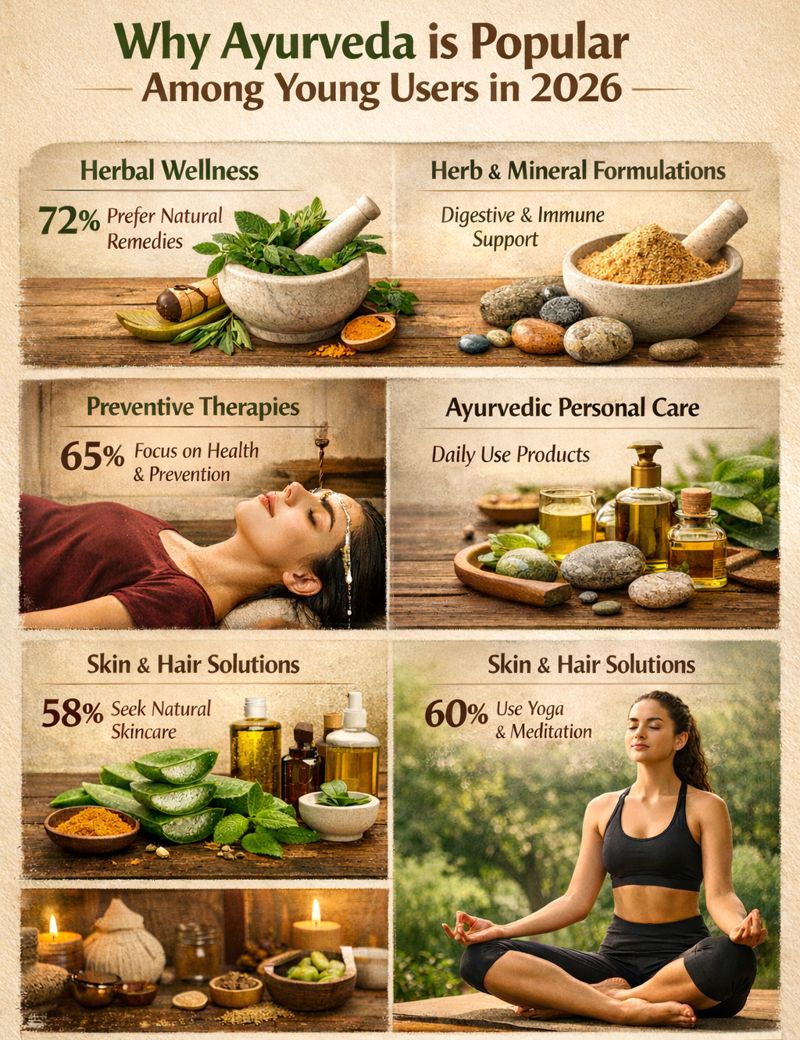
Ayurveda has never been a trend. It has always been a system. What has changed is the world around it. For centuries, Ayurveda existed parallel to mainstream healthcare, trusted deeply by communities yet often overlooked by modern institutions. Today, that distance is closing rapidly.
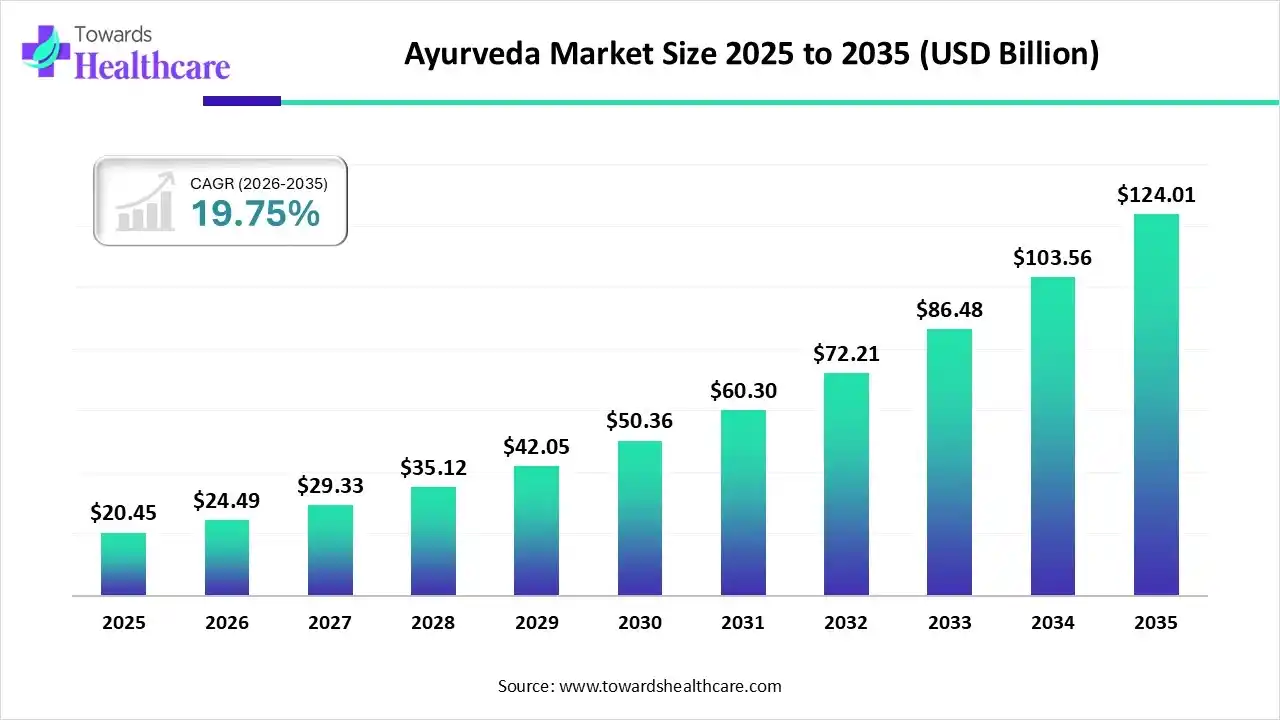
The global Ayurveda market, already valued at over USD 20 billion, is moving toward a scale that places it firmly within the core of global healthcare conversations. This is not a sudden spike driven by marketing enthusiasm; it is the outcome of demographic shifts, chronic disease burdens, post-pandemic behavior changes, and a renewed global search for preventive, human-centered care.
𝐃𝐨𝐰𝐧𝐥𝐨𝐚𝐝 𝐅𝐫𝐞𝐞 𝐒𝐚𝐦𝐩𝐥𝐞:
https://www.towardshealthcare.com/download-sample/6610
From my experience observing healthcare markets over the past decade, very few sectors show this combination of cultural depth, consumer trust, scientific curiosity, and commercial scalability. Ayurveda is no longer confined to traditional clinics or regional practices. It is entering homes, hospitals, digital platforms, wellness tourism hubs, and even AI-driven diagnostic ecosystems. This transition marks a structural change, not a cyclical one.
Why the World Is Turning Back to Holistic Healthcare
Healthcare systems worldwide are under strain. Rising lifestyle disorders, mental health challenges, aging populations, and escalating treatment costs have exposed the limitations of purely intervention-based medicine. Patients are no longer satisfied with treating symptoms alone. They want systems that explain why illness occurs and how balance can be restored before disease progresses.
Ayurveda answers this demand in a language people increasingly understand. Its focus on root causes, daily routines, diet, mental well-being, and seasonal alignment resonates strongly with modern preventive health thinking. The idea that health is dynamic rather than static aligns closely with contemporary functional medicine models. What once sounded philosophical now feels practical, especially in a world fatigued by side effects, over-medication, and fragmented care.
Market Growth That Reflects Behavioral Change, Not Hype
The projected expansion of the Ayurveda market to over USD 120 billion by 2035 reflects more than optimistic forecasting. It mirrors deep behavioral shifts among consumers. People are reading ingredient labels more carefully. They are questioning long-term dependency on synthetic drugs. They are willing to invest in wellness rather than wait for illness.
This growth is steady and sustained because it is demand-driven. Herbal formulations dominate today because they feel familiar, accessible, and safe to a wide audience. At the same time, more complex herbomineral formulations are gaining traction among practitioners and chronic care patients due to their targeted efficacy. This dual-track growth shows that Ayurveda is evolving for both entry-level wellness users and advanced therapeutic needs.
Asia Pacific Leads, but the Story Is No Longer Regional
Asia Pacific remains the anchor of the Ayurveda market, driven by cultural familiarity, institutional support, and manufacturing depth. India, in particular, plays a foundational role, not only as a producer but as a thought leader shaping global standards, education, and research. Government-backed initiatives, regulatory frameworks, and integration into public health programs have given Ayurveda structural legitimacy.
However, what is most striking today is the acceleration outside its traditional geography. The Middle East and Africa are emerging as high-growth regions, fueled by wellness tourism, spa-based therapies, and rising interest in natural personal care. Europe is approaching Ayurveda through a different lens, emphasizing regulation, clinical evidence, and lifestyle integration for stress-related disorders. These regions are not copying the Indian model; they are adapting Ayurveda to their healthcare realities.
When Ancient Knowledge Meets Artificial Intelligence
One of the most underestimated forces shaping Ayurveda’s future is artificial intelligence. Traditionally, Ayurvedic diagnosis relied heavily on practitioner intuition developed through years of experience. While effective, this created variability and limited scalability. AI is changing that equation without erasing tradition.
Modern tools now analyze pulse data, lifestyle inputs, genetic markers, and behavioral patterns to support more consistent assessments of Dosha imbalances and Prakriti profiles. These technologies do not replace practitioners; they enhance precision, documentation, and personalization. From an industry perspective, this bridges the gap between traditional wisdom and evidence-based healthcare, making Ayurveda more compatible with global regulatory and clinical expectations.
Scientific Validation Is No Longer Optional
For Ayurveda to sustain global growth, belief alone is not enough. The industry is clearly moving toward rigorous scientific validation. Clinical trials, standardized formulations, pharmacovigilance, and outcome tracking are becoming central rather than peripheral activities. This shift is critical, especially in Western markets where regulatory scrutiny is uncompromising.
What stands out is that this validation effort is not about reshaping Ayurveda into allopathy. Instead, it is about translating its principles into measurable outcomes. Research into adaptogens, neuroprotective herbs, metabolic regulation, and immune modulation is steadily building a credible evidence base. Over time, this will determine which formulations achieve global acceptance and which remain localized traditions.
Personal Care and Nutraceuticals Drive Daily Adoption
The fastest way Ayurveda enters modern life is not through clinics but through bathrooms, kitchens, and morning routines. Ayurvedic skincare, haircare, oral care, and nutraceuticals have become everyday products for millions of consumers. This is where emotional trust meets convenience.
Consumers often begin their Ayurveda journey with products addressing visible or felt concerns such as skin issues, hair fall, digestion, or immunity. Over time, this opens the door to deeper engagement with lifestyle practices and preventive therapies. From a market perspective, this funnel effect is powerful because it creates long-term relationships rather than one-time transactions.
Mental Health Brings Ayurveda Back to the Center
Few areas highlight Ayurveda’s relevance today as clearly as mental health. Rising stress, anxiety, burnout, and sleep disorders have overwhelmed conventional systems that often rely on symptom suppression. Ayurveda offers a more integrated approach that acknowledges the mind-body connection without stigmatization.
Herbs like Ashwagandha and Brahmi, combined with therapies such as Shirodhara and Nasya, are gaining recognition for their role in nervous system balance. What makes this especially relevant is the alignment with modern neuroscience concepts like neuroplasticity and stress regulation. This convergence creates a unique opportunity for Ayurveda to contribute meaningfully to global mental wellness frameworks.
Digital Distribution Reshapes Access and Trust
Retail dominance in Ayurveda is no longer limited to physical stores. E-commerce platforms, digital pharmacies, and direct-to-consumer models are redefining accessibility. Consumers now expect transparency, ingredient traceability, personalized recommendations, and educational content alongside products.
Digital channels also allow brands to build trust through storytelling rather than aggressive promotion. This is particularly important in Ayurveda, where understanding the “why” behind a formulation matters as much as the product itself. The growth of e-sales reflects a broader shift toward self-directed healthcare, where individuals actively participate in managing their well-being.
Home-Based Care Becomes the New Normal
The dominance of home settings in Ayurveda adoption signals a fundamental change in healthcare delivery. Remote consultations, mobile applications, wearable integrations, and virtual Panchakarma guidance are transforming how care is accessed. This model reduces cost barriers, improves continuity, and empowers patients without compromising authenticity.
From an industry standpoint, this decentralization creates scalability while preserving the personalized nature of Ayurveda. It also aligns well with post-pandemic healthcare preferences, where people value safety, convenience, and continuity over institutional dependency.
Regulation Shapes the Next Phase of Growth
As Ayurveda expands globally, regulation will play a decisive role in shaping its trajectory. Countries like Saudi Arabia and the UK are establishing clearer frameworks for licensing, labeling, and quality control. While these requirements may slow short-term market entry, they strengthen long-term credibility.
For the industry, the challenge lies in balancing standardization with the individualized nature of Ayurvedic treatment. Those who invest early in compliance, documentation, and quality assurance will define the next generation of global Ayurveda leaders.
Value Chains Mature From Farm to Formulation
The Ayurveda value chain has evolved significantly over the past decade. It now encompasses advanced phytochemical research, standardized cultivation practices, clinical research organizations, and patient-centric service models. This maturity reduces variability and improves consistency, which are essential for large-scale adoption.
Equally important is the growing emphasis on sustainability. Ethical sourcing, biodiversity conservation, and eco-friendly packaging are no longer optional. They are central to maintaining the philosophical integrity of Ayurveda in a modern commercial context.
A Market Built on Balance, Not Aggression
What makes the Ayurveda market unique is its resistance to aggressive commercialization. Unlike many wellness trends that burn fast and fade quickly, Ayurveda grows through trust, repetition, and lived experience. This creates resilience even during economic uncertainty.
From an observer’s perspective, this market does not chase disruption for its own sake. Instead, it integrates innovation carefully, ensuring alignment with foundational principles. This disciplined evolution is precisely why Ayurveda is positioned to become a long-term pillar rather than a passing phase.
Looking Ahead: Ayurveda’s Role in Global Healthcare
The future of Ayurveda does not lie in replacing modern medicine, nor in remaining isolated from it. Its true potential emerges through integration. As healthcare systems worldwide seek sustainable, preventive, and human-centered solutions, Ayurveda offers a framework that is both ancient and adaptable.
The next decade will determine how effectively the industry balances tradition with technology, personalization with standardization, and growth with integrity. If it succeeds, Ayurveda will no longer be viewed as an alternative. It will be recognized as essential.
In a world searching for balance, Ayurveda is not arriving late. It is arriving prepared.
Table of Contents
ToggleAbout the Author