Healthcare is quietly undergoing a major transformation, and biosimilars are at the center of it.
What once looked like a niche alternative is now becoming a mainstream solution for global treatment gaps.
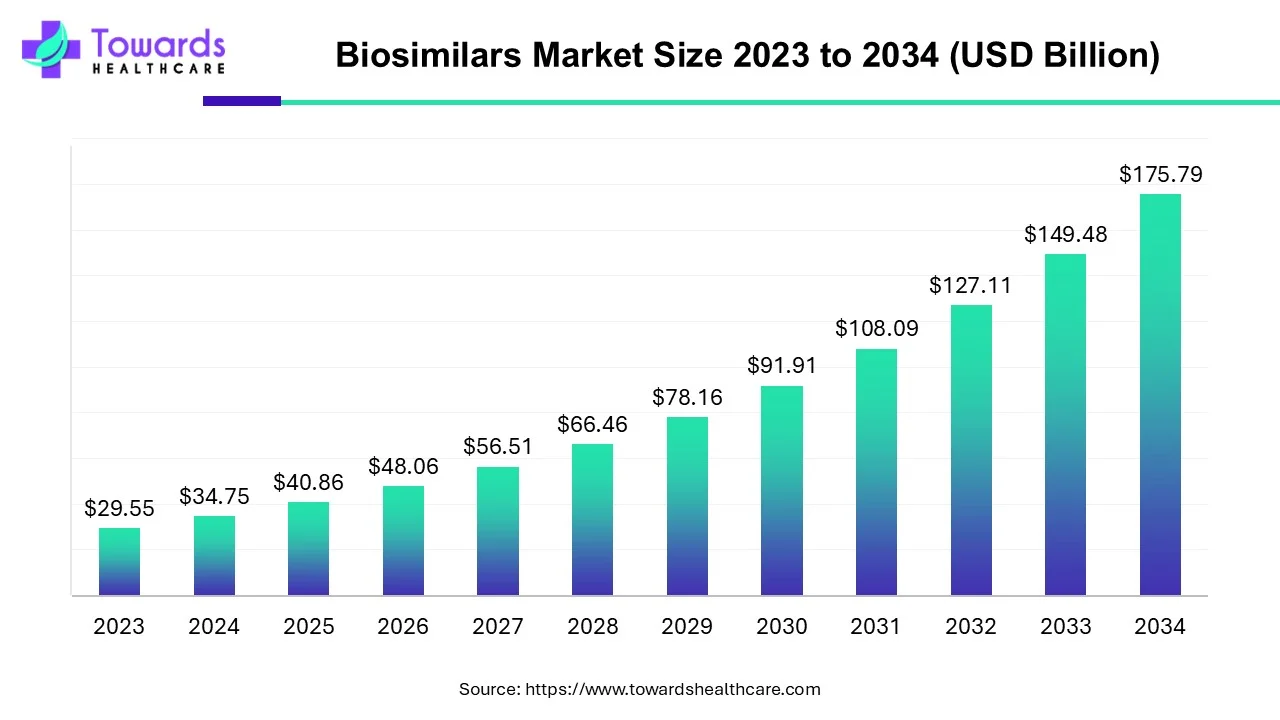
By 2026, the biosimilars market is expected to cross $48 billion, and by 2035, it may reach a massive $206.75 billion.
This isn’t just growth; it’s a structural shift in how treatments are developed, priced, and delivered.
Download Free Sample: https://www.towardshealthcare.com/download-sample/5035
Why Biosimilars Are Gaining Momentum
The rise of biosimilars is not accidental. It is driven by a mix of economic pressure and medical necessity.
As chronic diseases and cancer cases increase, healthcare systems are forced to find cost-effective solutions.
Biosimilars step in as a practical alternative to expensive biologics.
They offer similar safety and effectiveness, but at significantly lower costs.
Here’s why they are gaining rapid traction:
-
Lower treatment costs (10–40% cheaper than biologics)
-
Increasing patent expirations of major biologic drugs
-
Growing demand for accessible healthcare
-
Strong push from governments and healthcare systems
This combination is creating a perfect environment for biosimilars to thrive globally.
From Cost Savings to Wider Access
The biggest advantage of biosimilars is not just affordability—it’s accessibility.
Millions of patients who previously couldn’t afford biologic treatments now have options.
For diseases like cancer, rheumatoid arthritis, and inflammatory disorders, this shift is critical.
Patients are not only getting treatment—they are staying consistent with it.
Over time, this improves health outcomes and reduces the burden on healthcare systems.
In fact, biosimilars are expected to save billions in healthcare spending over the next decade.
AI Is Quietly Powering the Biosimilar Boom
Artificial intelligence is playing a powerful but often overlooked role in this market.
It is transforming how biosimilars are researched, developed, and manufactured.
AI helps decode complex protein structures, which are at the core of biologic drugs.
This speeds up development timelines and reduces errors.
It is also improving manufacturing efficiency by predicting production issues before they occur.
From clinical trials to supply chains, AI is making the entire ecosystem smarter and faster.
This means better quality drugs, lower costs, and quicker availability for patients.
Cancer Care Is Driving the Next Wave
One of the strongest growth drivers for biosimilars is oncology.
Cancer treatments are among the most expensive therapies worldwide.
Biosimilars are changing that reality.
They provide a more affordable alternative without compromising treatment effectiveness.
This is especially important in developing countries, where access to cancer treatment remains limited.
By reducing costs, biosimilars are opening doors to life-saving therapies.
The oncology segment is expected to grow the fastest in the coming years,
making it a key focus area for pharmaceutical companies and researchers.
Key Trends Shaping the Market in 2026
The biosimilars market is evolving rapidly, and several trends are shaping its future:
-
Strategic partnerships between pharmaceutical companies
-
Expansion into new therapeutic areas like oncology and autoimmune diseases
-
Increased regulatory support across countries
-
Rising investment in research and development
-
Adoption of advanced technologies like AI and machine learning
These trends indicate that the market is not just growing—it is maturing.
Regional Growth: A Global Race
Different regions are contributing to the growth story in unique ways.
North America continues to lead due to strong regulatory frameworks and high adoption rates.
Frequent approvals and advanced R&D infrastructure are driving innovation here.
Asia-Pacific is emerging as the fastest-growing region.
Countries like India and China are investing heavily in research and manufacturing capabilities.
Europe is also expanding steadily, supported by government initiatives and patient demand.
The region is focusing on improving access and encouraging biosimilar adoption.
Meanwhile, Middle East & Africa are gradually becoming important markets.
Rising healthcare spending and demand for affordable treatments are fueling growth.
Product and Application Shifts
Not all biosimilars are growing at the same pace.
Some segments are clearly leading the market.
Recombinant non-glycosylated proteins currently dominate due to their wide use in chronic disease treatment.
However, glycosylated proteins are expected to grow faster due to technological advancements.
On the application side, chronic and autoimmune disorders hold a strong share.
But oncology is quickly catching up and is likely to lead future growth.
This shift shows how the market is aligning with global disease patterns.
Challenges That Still Need Attention
Despite strong growth, the biosimilars market is not without challenges.
There are still concerns around safety perceptions and regulatory complexities.
Developing biosimilars is far more complicated than creating generic drugs.
It requires extensive clinical testing and strict quality validation.
Some healthcare providers and patients also remain hesitant to switch from original biologics.
Building trust will be crucial for long-term adoption.
The Bigger Picture: Competition Is Redefining Pricing
Biosimilars are not just adding options—they are changing the entire pricing landscape.
As competition increases, even original biologic manufacturers are forced to adjust their prices.
This creates a ripple effect across the healthcare ecosystem.
Patients benefit, insurers save costs, and healthcare systems become more sustainable.
In simple terms, biosimilars are making healthcare more balanced and competitive.
What Lies Ahead for Biosimilars?
The future of biosimilars looks promising, but it will require continuous innovation and collaboration.
Pharmaceutical companies, regulators, and healthcare providers must work together.
As more biosimilars enter the market, competition will intensify.
At the same time, advancements in technology will make development faster and more efficient.
The real impact, however, will be seen at the patient level.
More access, lower costs, and better outcomes—that’s the true potential of this market.
Access our exclusive, data-rich dashboard dedicated to the biotechnology sector – built specifically for decision-makers, strategists, and industry leaders. The dashboard features comprehensive statistical data, segment-wise market breakdowns, regional performance shares, detailed company profiles, annual updates, and much more. From market sizing to competitive intelligence, this powerful tool is one-stop solution to your gateway.
Access the Dashboard: https://www.towardshealthcare.com/access-dashboard
Checkout the Market Report Now at: https://www.towardshealthcare.com/checkout/5035
You can place an order or ask any questions, please feel free to contact us at sales@towardshealthcare.com
Europe Region – +44 778 256 0738
North America Region – +1 8044 4193 44
APAC Region: +91 9356 9282 04
Visit Our Website: https://www.towardshealthcare.com
Find us on social platforms: LinkedIn | Twitter | Instagram | Medium
About the Author