A New Era of Early Detection! Cancer Diagnostics Market Approaches USD 116.42 Billion in 2026
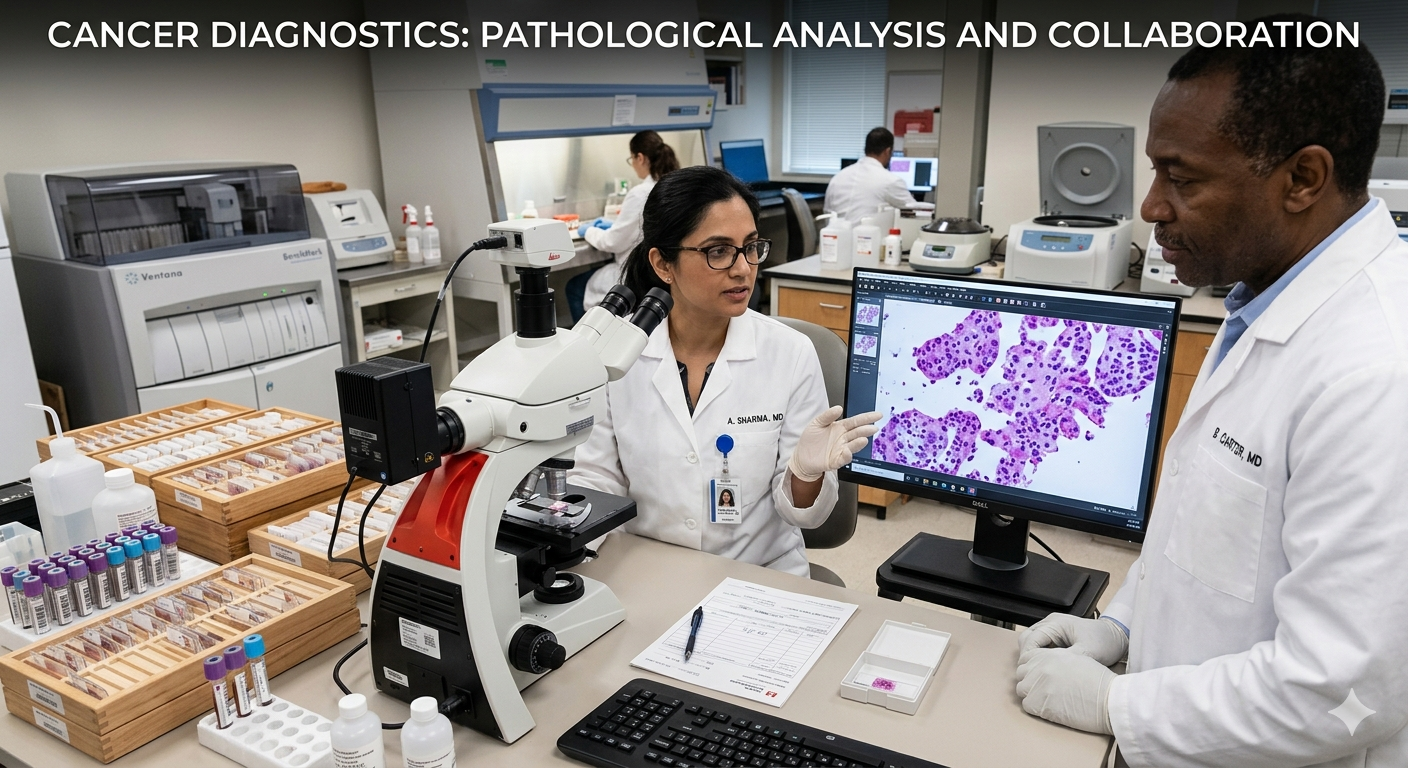
Cancer diagnostics has become one of the most important pillars of modern healthcare. Detecting cancer early can significantly improve survival rates and treatment outcomes. Because of this, healthcare systems worldwide are investing heavily in diagnostic technologies and testing infrastructure.
The global cancer diagnostics market reflects this growing focus. The market was valued at USD 109.65 billion in 2024 and is expected to reach USD 199.54 billion by 2034, growing steadily at a CAGR of 6.17%.
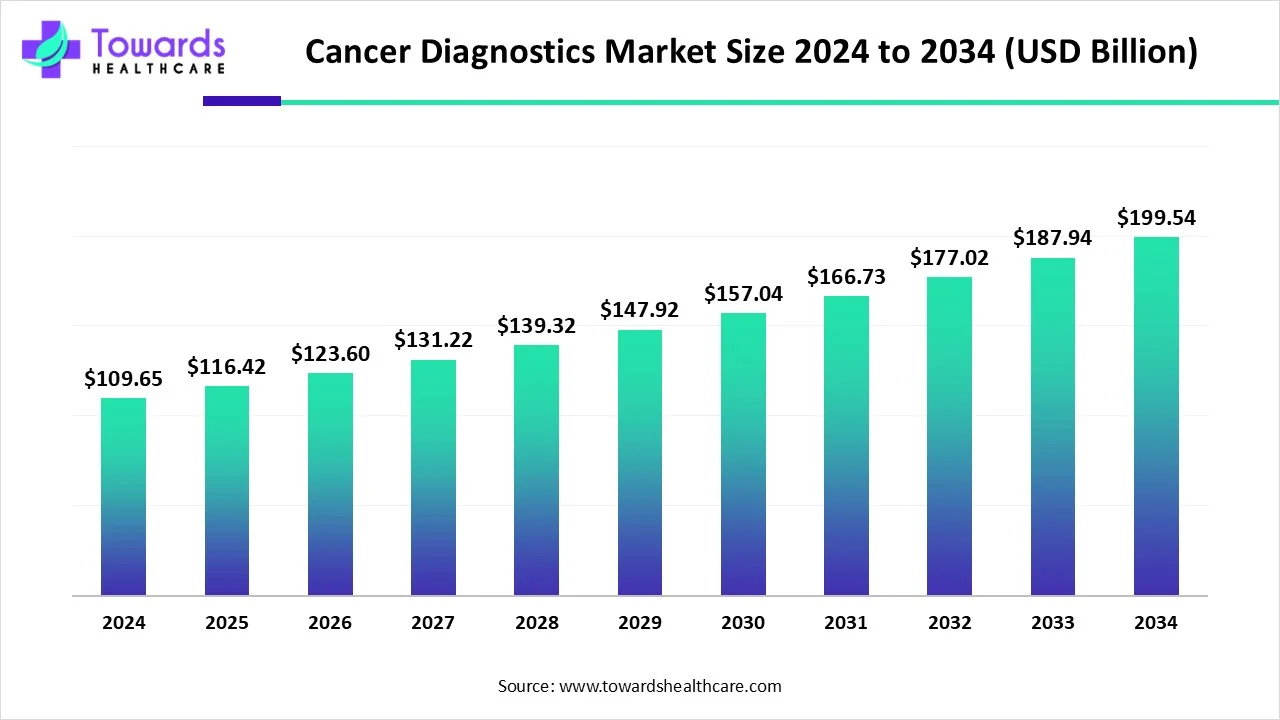
Download the free sample and get the complete insights and forecasts report on this market @ https://www.towardshealthcare.com/download-sample/5586
This growth does not come from a single breakthrough. Instead, it results from several powerful forces working together—rising cancer cases, new diagnostic technologies, improved screening programs, and growing awareness about early detection.
Today, diagnostics is no longer just about identifying cancer. It is about understanding the disease earlier, more accurately, and more personally than ever before.
Table of Contents
ToggleWhy Early Detection Is Becoming a Global Priority
Cancer remains one of the leading causes of death worldwide. As populations grow and age, healthcare systems face an increasing number of cancer cases.
This reality has changed how governments, hospitals, and researchers approach cancer care. Instead of focusing only on treatment, they now emphasize detecting cancer at the earliest possible stage.
Early detection offers several clear advantages:
-
It increases survival rates dramatically
-
It reduces treatment complexity and cost
-
It allows doctors to plan more effective therapies
Because of these benefits, screening programs and diagnostic technologies are expanding across both developed and emerging economies.
Healthcare providers are also encouraging people to undergo regular screenings, especially for common cancers such as breast, colorectal, and lung cancer.
The Tools That Are Reshaping Cancer Diagnosis
Modern cancer diagnostics is evolving rapidly. Technologies that once existed only in research labs are now becoming part of routine clinical practice.
New diagnostic approaches are helping doctors identify cancer earlier and with greater precision.
Some of the most influential technologies include:
-
Liquid biopsy, which detects cancer through blood samples
-
Next-generation sequencing (NGS) for analyzing genetic mutations
-
Molecular diagnostics that identify cancer-specific biomarkers
-
AI-assisted imaging for faster and more accurate scan analysis
These innovations allow clinicians to detect cancer even before symptoms appear. They also help doctors understand the molecular behavior of tumors, which is essential for personalized treatment strategies.
As these technologies continue to mature, they are likely to become standard components of cancer care.
Artificial Intelligence Is Changing Diagnostic Speed and Accuracy
Artificial intelligence is becoming one of the most transformative forces in cancer diagnostics.
AI systems can analyze massive amounts of medical data in seconds. Imaging scans, pathology slides, and genomic data can now be processed much faster than traditional manual methods.
This capability allows doctors to detect subtle abnormalities that may otherwise go unnoticed.
AI is also helping healthcare professionals in several practical ways:
-
It reduces diagnostic errors and false positives
-
It accelerates screening programs by automating image analysis
-
It assists doctors in developing personalized treatment strategies
In regions with limited access to specialists, AI-driven tools can also support remote diagnostics, improving access to cancer detection services.
As AI technologies improve, they are expected to play a larger role in cancer screening and diagnostic decision-making.
The Silent Workhorse: Consumables Driving Diagnostic Demand
While advanced technologies receive much of the attention, a large portion of the cancer diagnostics market depends on consumables.
Consumables include reagents, diagnostic kits, and antibodies used during testing procedures. These products must be replaced regularly, making them essential for daily diagnostic operations.
Laboratories rely on these materials for a wide range of tests, including molecular assays and immunohistochemistry procedures.
Because cancer testing continues to rise globally, the demand for these consumables remains consistently high. Their role may appear simple, but without them, diagnostic laboratories cannot function.
Laboratories Remain the Backbone of Cancer Testing
Clinical and diagnostic laboratories hold a central role in the cancer diagnostics ecosystem.
These facilities handle large volumes of samples and operate sophisticated testing equipment. Highly trained specialists analyze tissue samples, genetic material, and blood markers to confirm diagnoses.
Laboratories also maintain strict quality standards to ensure reliable results. Physicians rely on these results when making treatment decisions.
With the growing complexity of cancer diagnostics, laboratories are expanding their capabilities. Many now integrate molecular testing, genomic sequencing, and AI-assisted analysis into their workflows.
As diagnostic technologies evolve, laboratories will remain at the center of cancer detection and monitoring.
Breast and Colorectal Cancer Testing Is Expanding Rapidly
Different cancer types drive demand for different diagnostic approaches.
Breast cancer currently represents one of the largest diagnostic segments. Large-scale screening programs and awareness campaigns have significantly increased testing rates.
Advanced imaging technologies and biopsy techniques also allow doctors to detect breast tumors earlier and with greater accuracy.
At the same time, colorectal cancer diagnostics is growing rapidly. Rising global incidence rates and increasing screening initiatives are pushing demand for early detection tools.
Healthcare providers are adopting new testing methods, including non-invasive diagnostics and liquid biopsies, to identify colorectal cancer at earlier stages.
These developments show how cancer diagnostics is adapting to the evolving global cancer landscape.
Insurance Coverage Plays a Crucial Role
Insurance coverage is another important factor influencing cancer diagnostics.
Public insurance programs have significantly expanded access to diagnostic testing, especially for underserved populations. Many governments subsidize cancer screenings to reduce healthcare costs in the long term.
Private insurance providers also contribute to market growth. They often offer broader access to advanced diagnostic technologies and specialized treatment centers.
Together, public and private coverage systems help ensure that more patients can access essential diagnostic services.
This accessibility is critical because early detection only works when patients have the opportunity to get tested.
Regional Growth Patterns Are Shaping the Market
Different regions are contributing to the growth of cancer diagnostics in unique ways.
North America currently leads the market due to its advanced healthcare infrastructure and strong research ecosystem. The region also benefits from high healthcare spending and widespread adoption of innovative diagnostic technologies.
Meanwhile, Asia-Pacific is expected to experience the fastest growth. Rapid population growth, increasing cancer prevalence, and expanding healthcare infrastructure are driving demand across countries like China and India.
Governments in these regions are investing heavily in cancer screening programs and diagnostic centers. Rising healthcare awareness is also encouraging more people to undergo regular cancer testing.
Europe is also adopting advanced diagnostic tools, particularly in molecular diagnostics and AI-assisted imaging. Research collaboration between healthcare institutions and biotech companies continues to accelerate innovation across the region.
The Future of Cancer Diagnostics Looks More Personalized
Cancer diagnostics is moving toward a more personalized future.
Instead of relying on generalized testing approaches, doctors are increasingly using genetic and molecular information to understand each patient’s unique cancer profile.
This shift supports the broader movement toward personalized medicine. Treatments can now be tailored to specific genetic mutations or biomarkers present in a patient’s tumor.
As personalized diagnostics expands, the demand for advanced testing technologies will continue to grow.
Ultimately, the goal is not just to detect cancer earlier—but to understand it more deeply and treat it more effectively.
A Quiet Revolution in Healthcare
Cancer diagnostics may not always receive the same attention as breakthrough cancer drugs or surgical innovations. Yet it plays an equally vital role in the fight against cancer.
The ability to detect cancer early, understand its biology, and guide personalized treatment decisions is transforming patient care.
With continued advancements in technology, artificial intelligence, and molecular research, cancer diagnostics is entering a new era.
And in that era, early detection could become one of the most powerful weapons against cancer.
Access our exclusive, data-rich dashboard dedicated to the healthcare market – built specifically for decision-makers, strategists, and industry leaders. The dashboard features comprehensive statistical data, segment-wise market breakdowns, regional performance shares, detailed company profiles, annual updates, and much more. From market sizing to competitive intelligence, this powerful tool is one-stop solution to your gateway.
Access the Dashboard: https://www.towardshealthcare.com/access-dashboard
Checkout the Market Report Now at: https://www.towardshealthcare.com/checkout/5586
You can place an order or ask any questions, please feel free to contact us at sales@towardshealthcare.com
Europe Region – +44 778 256 0738
North America Region – +1 8044 4193 44
APAC Region: +91 9356 9282 04
Visit Our Website: https://www.towardshealthcare.com
Find us on social platforms: LinkedIn | Twitter | Instagram | Medium
About the Author