

Hearing is something many of us take for granted; until it starts to fade. For millions globally, hearing loss is more than an inconvenience; it’s a barrier to communication, work, and social life. The hearing aids market is evolving faster than ever, transforming the way people connect with the world. From tiny devices that fit invisibly in your ear to AI-powered smart systems, hearing aids are becoming more accessible, intelligent, and lifestyle-friendly.
The Global Hearing Aids Market: A Growth Story
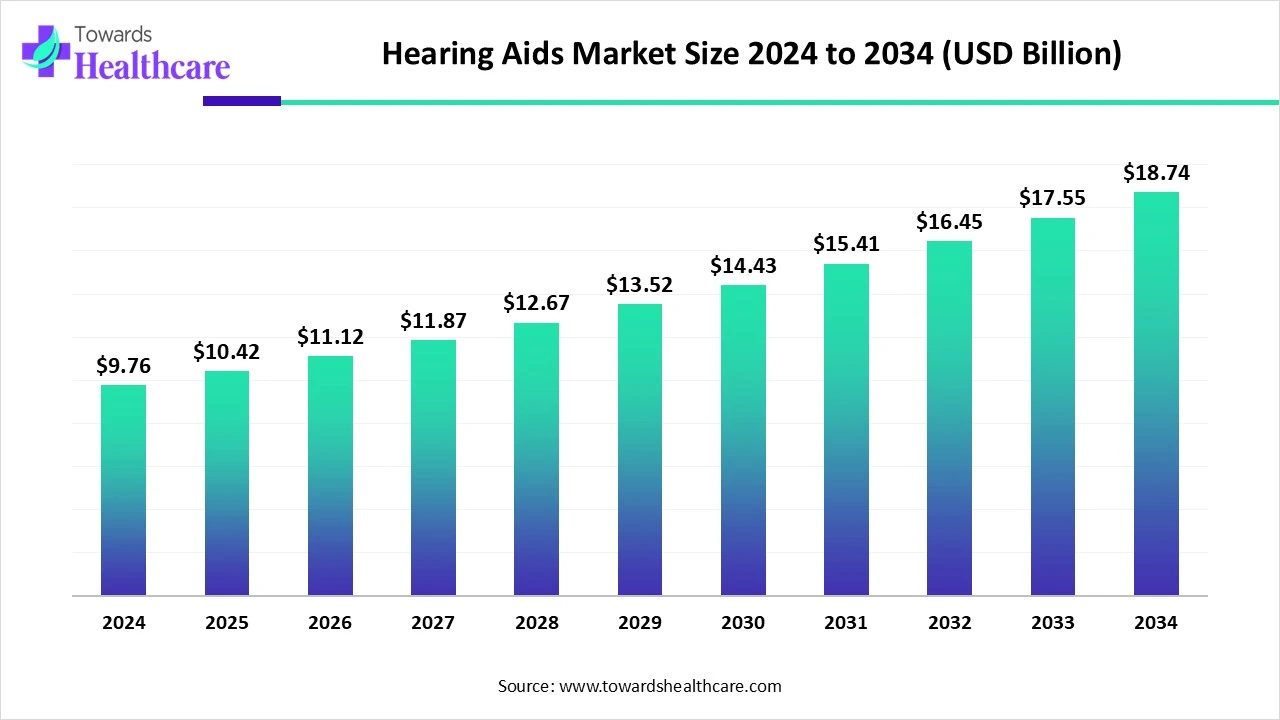
The global hearing aids market has grown steadily, reaching an estimated USD 11.12 billion in 2026 and is projected to touch USD 20 billion by 2035. This growth, at a CAGR of 6.74%, reflects a combination of demographic trends, technology breakthroughs, and rising awareness. Europe leads the market with a 38% share, while the Asia-Pacific region is emerging as the fastest-growing market thanks to rising disposable incomes and improved healthcare infrastructure.
Why Age Matters: The Growing Need for Hearing Solutions
A major driver is the world’s aging population. Age-related hearing loss, or presbycusis, affects millions of adults over 60, creating a steady demand for hearing assistance. But age isn’t the only factor—noise-induced hearing loss, chronic illnesses, and urban lifestyles are expanding the need across all age groups. Interestingly, children are also becoming a growing segment, thanks to early detection programs in schools and hospitals. Early intervention is crucial for speech and cognitive development, which makes pediatric hearing aids a priority for healthcare providers.
Behind-the-Ear vs. Receiver-in-Canal: Devices for Every Ear
Not all hearing aids are created equal. Behind-the-ear (BTE) devices dominate the market due to their durability, versatility, and ability to pack advanced features like Bluetooth connectivity and rechargeable batteries. They suit a wide range of hearing impairments and are easy to maintain.
On the other hand, Receiver-in-Canal (RIC) or Receiver-in-the-Ear (RITE) models are growing fast. Placing the speaker directly in the ear canal, they deliver clearer, more natural sound with less occlusion. Many users prefer RIC devices for their discreet design and comfort, and the latest rechargeable models make life even simpler.
Digital vs. Analog: Smart Sound for a Connected World
Digital hearing aids are redefining the market. With programmable digital signal processing, these devices can automatically adjust to different environments—reducing background noise, enhancing speech clarity, and connecting seamlessly to smartphones and smart home devices. The integration of AI enables hearing aids to learn user preferences, predict maintenance needs, and even track health indicators like activity levels and fall detection.
Analog hearing aids, meanwhile, remain relevant in regions where cost is a critical factor. They are simpler to operate, more affordable, and continue to meet the basic hearing needs of millions, particularly in developing markets.
Clinics, Online Stores, and Everything in Between
Traditionally, audiology and ENT clinics have dominated hearing aid distribution. They provide accurate diagnostics, personalized fittings, and ongoing support, building trust and comfort among patients.
However, online and e-commerce platforms are quickly gaining ground. Consumers now enjoy the convenience of exploring products, comparing features, and even self-fitting devices from the comfort of home. Regulatory changes in countries like the U.S. have accelerated this shift, with over-the-counter hearing aids becoming a popular choice for tech-savvy buyers.
Europe Leads, Asia-Pacific Surges
Europe’s dominance is backed by a combination of healthcare infrastructure, reimbursement policies, and a population with high life expectancy. Countries like Germany, France, and the UK offer strong support for hearing health, making devices more affordable and accessible. Advanced technology adoption is high, with AI-powered, Bluetooth-enabled, and rechargeable devices leading the way.
Asia-Pacific, on the other hand, is witnessing rapid growth. China, Japan, and India are driving the market with rising awareness, urbanization-related noise exposure, and government-led hearing health initiatives. Local and global players are expanding retail networks, exploring teleaudiology services, and developing affordable, high-performance devices to cater to the region’s diverse needs.
How AI Is Changing the Hearing Game
AI is no longer a buzzword—it’s changing the way people experience sound. Modern hearing aids can analyze sound environments in real time, automatically adjusting settings to reduce background noise and enhance speech. They learn user preferences, integrate with smartphones and smart home systems, and even offer real-time translation. Teleaudiology is also making remote adjustments possible, so patients in rural areas no longer have to travel long distances for professional support.
Challenges Remain
Despite advances, the market faces hurdles. High device costs, limited insurance coverage in some regions, and social stigma continue to restrict adoption. Technical limitations, like battery life and device comfort, also matter. Additionally, trained audiologists are scarce in many countries, limiting access to professional care.
Opportunities Ahead
There’s a silver lining. Government programs, awareness campaigns, and NGO initiatives are expanding early detection and subsidizing hearing aids in emerging markets. Integrating wellness features like fall detection and cognitive health monitoring is attracting health-conscious consumers. Untapped markets in Asia, Africa, and Latin America present huge growth potential as healthcare access improves and disposable incomes rise.
The Future Sounds Promising
From AI-powered noise reduction to discreet, wearable devices that double as wellness tools, the future of hearing aids is exciting. Advances in 3D printing and customization are creating devices that fit perfectly and perform optimally for individual users. Over-the-counter options, e-commerce platforms, and teleaudiology are making hearing aids more accessible than ever before.
In short, hearing aids are no longer just medical devices—they’re lifestyle enhancers, wellness monitors, and communication enablers. As technology continues to evolve and awareness spreads, the day may come when no one has to struggle with hearing loss in silence.
Access our exclusive, data-rich dashboard dedicated to the medical devices sector – built specifically for decision-makers, strategists, and industry leaders. The dashboard features comprehensive statistical data, segment-wise market breakdowns, regional performance shares, detailed company profiles, annual updates, and much more. From market sizing to competitive intelligence, this powerful tool is one-stop solution to your gateway.
Access the Dashboard: https://www.towardshealthcare.com/access-dashboard
Checkout Hearing Aids Market Report Now at: https://www.towardshealthcare.com/checkout/5999
You can place an order or ask any questions, please feel free to contact us at sales@towardshealthcare.com
Europe Region – +44 778 256 0738
North America Region – +1 8044 4193 44
APAC Region: +91 9356 9282 04
Visit Our Website: https://www.towardshealthcare.com
Find us on social platforms: LinkedIn | Twitter | Instagram | Medium | Pinterest
About the Author