

503B vs 503A: Which Compounding Pharmacies Are Shaping the Future of U.S. Healthcare?

What Are 503B Compounding Pharmacies and Why Do They Matter?
503B compounding pharmacies, also known as outsourcing facilities, are specialized establishments that produce compounded drugs in bulk under strict regulatory oversight. Unlike traditional 503A pharmacies, 503B facilities supply larger quantities of customized medications to hospitals, clinics, and healthcare providers across the nation.
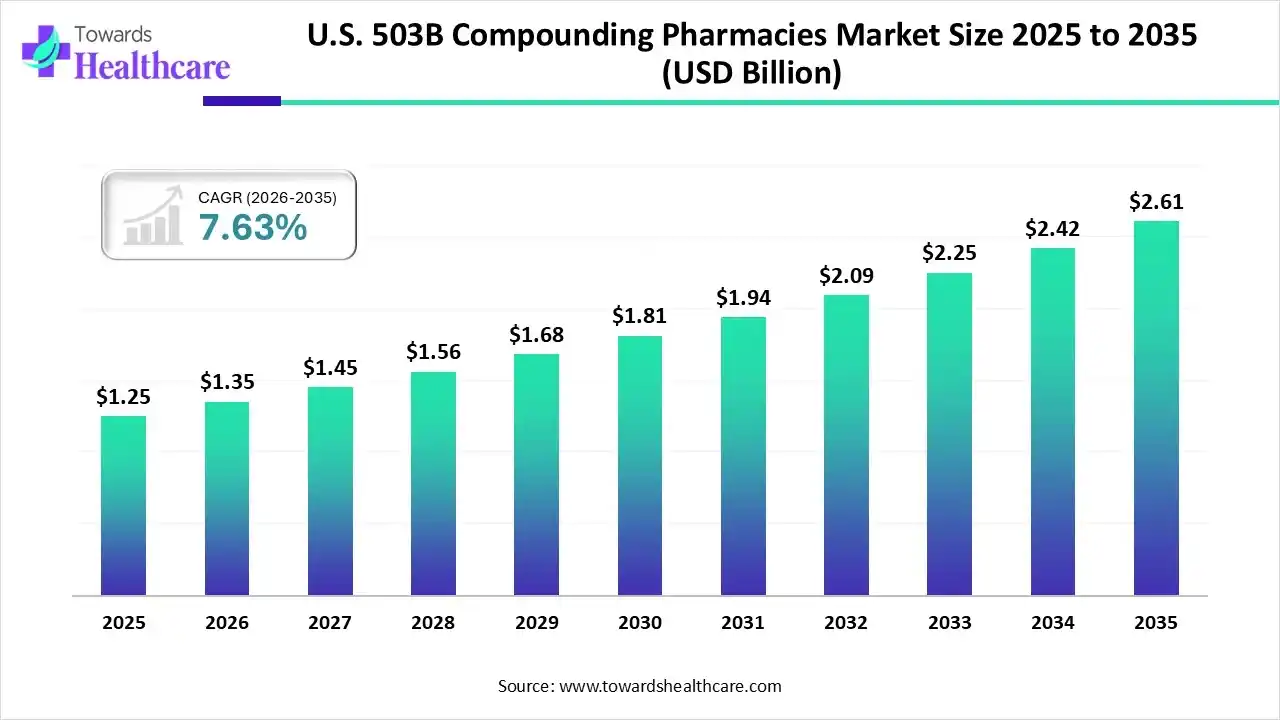
The market for U.S. 503B compounding pharmacies was valued at USD 1.25 billion in 2025 and is projected to grow to USD 1.35 billion in 2026. Analysts anticipate that by 2035, this market could reach USD 2.61 billion, reflecting a CAGR of 7.63%. This growth highlights the increasing reliance of healthcare providers on ready-to-use, high-quality compounded medications that improve operational efficiency and patient outcomes.
Download the free sample and get the complete data and insights on this market @ https://www.towardshealthcare.com/download-sample/5386
503A Compounding Pharmacies: Personalized Care in Every Prescription
While 503B pharmacies focus on bulk production for healthcare institutions, 503A compounding pharmacies prioritize personalized care at the individual patient level. These pharmacies prepare medications tailored to the unique needs of patients, including custom dosages, flavors, or allergen-free formulations.
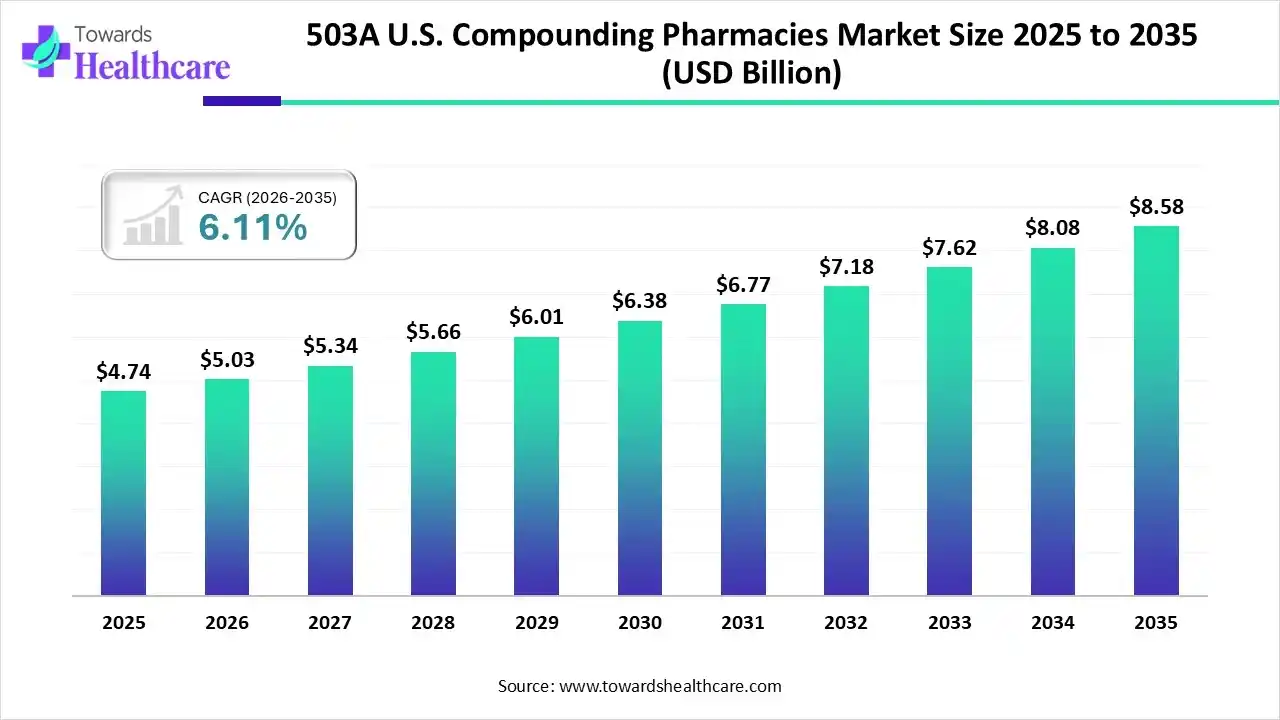
The 503A U.S. compounding pharmacy market is on an impressive trajectory, projected to reach USD 8.58 billion by 2035, growing from USD 5.03 billion in 2026. With a CAGR of 6.11%, this growth is driven by rising patient demand for convenience, accessibility, and personalized care solutions.
Download the free sample and get the complete insights and forecasts report on this market @ https://www.towardshealthcare.com/download-sample/5070
Why Patients Are Turning to Compounding Pharmacies
One of the most compelling reasons patients turn to compounding pharmacies is the demand for medications tailored to individual needs. Standard medications may not suit every patient due to allergies, intolerances, or dosage requirements. Compounding pharmacies fill these gaps, offering:
-
Customized dosages for pediatric or geriatric patients.
-
Allergen-free formulations for sensitive individuals.
-
Flavor-enhanced medications for easier consumption.
-
Alternative delivery methods, such as creams, gels, or liquids instead of pills.
This personalization enhances adherence to medication regimens and improves overall patient outcomes, making compounding pharmacies a vital part of modern healthcare.
Hospitals and Healthcare Providers Lean on 503B Facilities
Hospitals, clinics, and long-term care facilities increasingly rely on 503B compounding pharmacies for efficient supply of sterile medications. The ability to procure large quantities of ready-to-use drugs reduces the risk of contamination, lowers operational burden, and ensures a steady supply chain for critical medications.
The rise in complex surgeries, outpatient procedures, and the increasing prevalence of chronic conditions such as diabetes, cardiovascular disease, and cancer further fuel demand for 503B compounding services. These facilities act as a bridge between traditional pharmacies and large-scale pharmaceutical manufacturing, providing quality and safety at scale.
Innovation Drives the Market
Innovation is a key driver in both the 503A and 503B compounding pharmacy markets. Facilities are investing in advanced technologies, sterile compounding techniques, and quality control systems that enhance safety and efficacy.
For example:
-
Automated compounding systems ensure precise dosing and reduce human error.
-
Advanced quality testing guarantees sterility and potency.
-
Integration with healthcare IT systems streamlines orders, reduces waste, and ensures timely delivery.
These innovations are making compounded medications safer, more reliable, and widely accepted among healthcare professionals and patients alike.
Regulatory Oversight: Ensuring Safety and Trust
Both 503A and 503B pharmacies operate under strict FDA guidelines, but the level of oversight differs.
-
503A pharmacies are regulated primarily at the state level, with federal oversight ensuring compliance with compounding standards.
-
503B outsourcing facilities are subject to rigorous FDA inspections, quality standards, and reporting requirements, ensuring sterility and safety for bulk-produced medications.
This regulatory framework reassures healthcare providers and patients that compounded medications meet stringent quality requirements, fostering trust in these increasingly essential services.

Get a Sample of this Report
503B vs 503A: Which Compounding Pharmacies Are Shaping the Future of U.S. Healthcare?
