

Fibromyalgia Treatments on the Rise - Market to Cross $4.59 Billion by 2035

Why Treatments Are Evolving Faster Than Ever
Fibromyalgia treatment is no longer just about traditional medicines. Researchers are exploring new ways to manage pain, improve sleep, and boost overall wellness. The market for these treatments is projected to grow from USD 3.14 billion in 2026 to USD 4.59 billion by 2035, expanding at a CAGR of 4.3%.
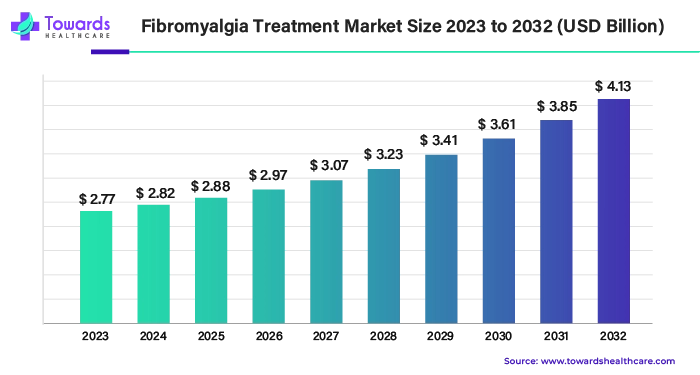
Download the free sample and get the complete insights and forecasts report on this market @ https://www.towardshealthcare.com/download-sample/5139
Medications still dominate the market, covering nearly 68% of treatments, while therapies and lifestyle interventions are gaining traction. Retail pharmacies remain the most common distribution channel, with a 54% market share.
Understanding Fibromyalgia: Beyond the Muscle Pain
Fibromyalgia isn’t just about aching muscles. Patients may experience fatigue, difficulty thinking, sleep disturbances, and emotional stress. Researchers link the condition to central sensitization syndrome, where the body amplifies pain signals.
It’s more common in women, particularly between 20 to 55 years of age. Teenagers and older adults are not immune, and those with existing rheumatic conditions are at higher risk.
Breaking the Cycle: From Misdiagnosis to Relief
Misdiagnosis is a common hurdle. Symptoms often overlap with other conditions, leading to frustration, wasted time, and unnecessary treatments. Studies show nearly 40% of people surveyed in the UK were unaware of fibromyalgia, while 23% were unsure if they knew it.
Correct diagnosis is crucial. When patients get timely help, treatments become effective faster, and emotional stress decreases. Awareness campaigns and education for healthcare providers are key to reducing these delays.
Innovative Approaches Changing the Game
The future of fibromyalgia care is exciting. New medications and therapies aim to improve symptoms without the trial-and-error process of the past. The FDA has approved drugs like pregabalin, duloxetine, and milnacipran specifically for fibromyalgia.
Beyond medication, complementary and alternative methods are gaining attention. Mind-body techniques, such as cognitive-behavioral therapy (CBT), hypnosis, and biofeedback, help patients manage pain and stress. Practices like yoga, tai chi, meditation, and acupuncture also show promise in easing symptoms.
Technology Meets Fibromyalgia Care
Digital tools are making a real difference. Mobile apps, wearable devices, and telemedicine allow patients to track symptoms, communicate with doctors, and access care remotely. These innovations help people stay on top of their treatment plans and maintain consistency in symptom management.
As technology integrates with healthcare, patients gain more control and doctors receive better data to personalize care. This combination accelerates recovery and enhances quality of life.
Global Perspective: Access and Awareness Matter
Fibromyalgia treatment availability varies globally. North America leads with advanced healthcare infrastructure, providing specialized clinics and wide treatment options. Insurance coverage also impacts accessibility, making awareness campaigns essential.
In parts of Asia Pacific, cultural stigma and limited awareness can hinder proper care. Countries like Japan and South Korea offer advanced care, while developing regions struggle with timely diagnosis and treatment access.

Get a Sample of this Report
Fibromyalgia Treatments on the Rise - Market