

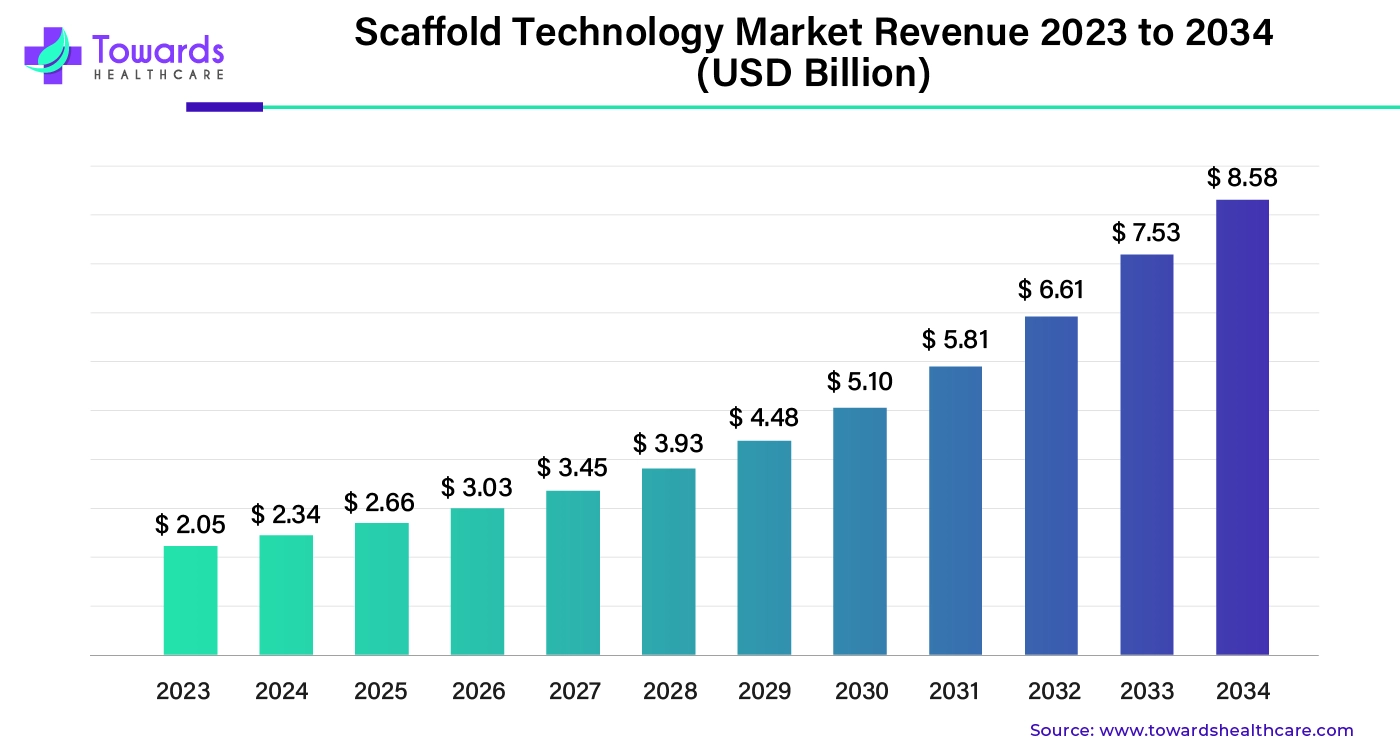
Scaffold Technology Market to Hit $8.58 Billion by 2034; Are We Closer to Lab-Grown Organs?

From Lab Tool to Lifesaving Backbone
Scaffolds act as the “support system” for growing cells into functional tissues. These structures mimic the natural environment inside the human body, allowing cells to grow, multiply, and organize properly.
Without scaffolds, creating structured tissues or organoids becomes nearly impossible. That’s why they are becoming critical in areas like regenerative medicine, drug discovery, and personalized therapies.
The demand continues to grow as healthcare shifts toward precision medicine and faster drug development cycles.
What’s Fueling This Explosive Growth?
The market expansion is not random—it is driven by real-world healthcare challenges and scientific breakthroughs.
Here’s what is pushing demand forward:
- Rising focus on stem cell therapy and tissue engineering
- Increasing need to reduce animal testing in drug development
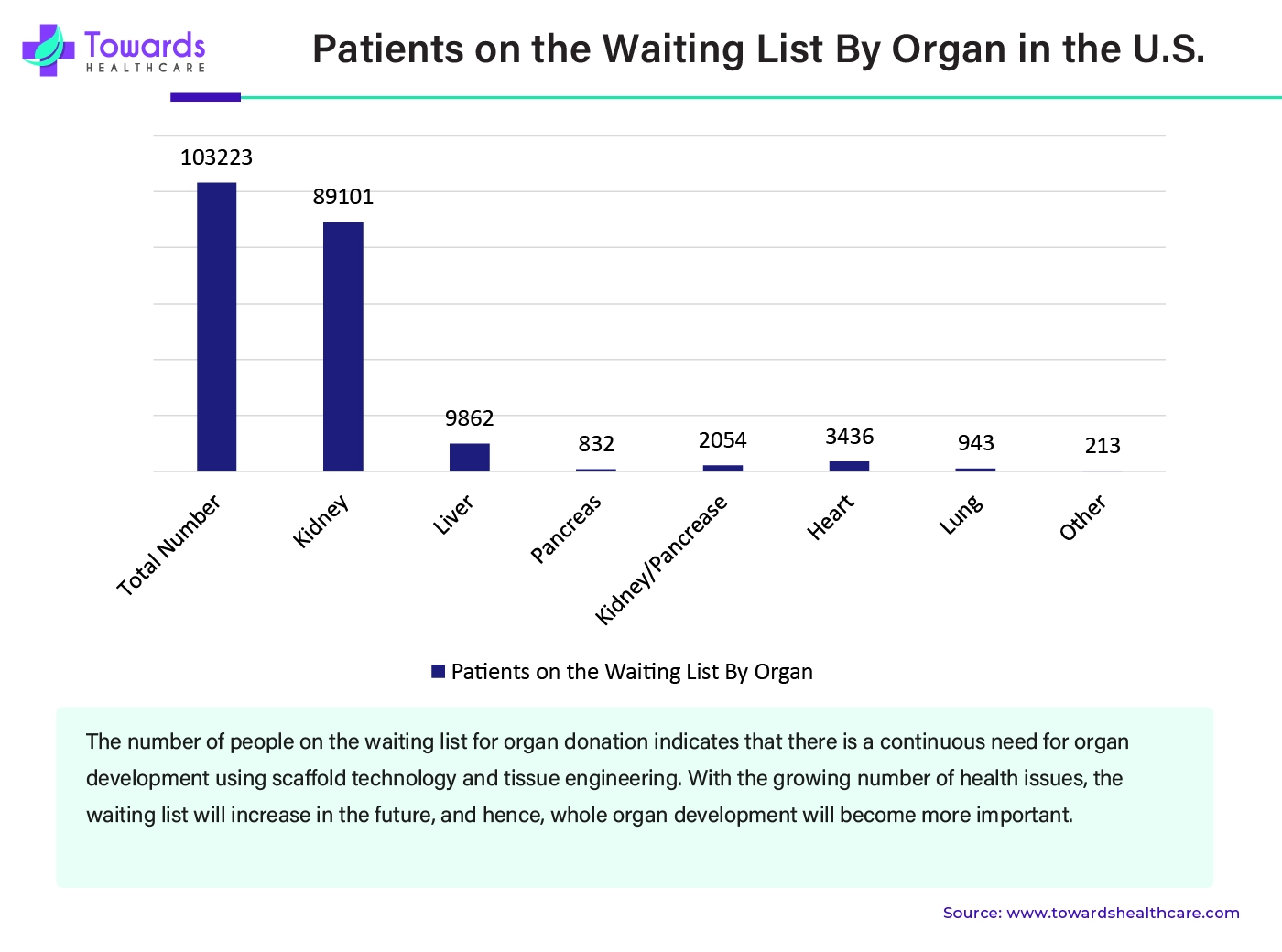
- Growing cases of organ failure and transplant shortages
- Surge in chronic diseases and aging population
- Rapid adoption of AI in biomedical research
Each of these factors is accelerating the use of scaffold-based technologies across industries.
Hydrogels Lead, But Nanofibers Are Catching Up Fast
In 2023, hydrogels dominated the market. Their structure closely resembles natural tissue, making them ideal for cell growth and regeneration.
Our experts provide actionable stats, competitor insights, and regional breakdowns to make your strategy smarter.
Chechkout the full report now and lead the market: https://www.towardshealthcare.com/checkout/5235
They also improve cell survival and reduce complications like poor vascularization, which makes them a preferred choice for researchers.
However, the real excitement lies in nanofiber-based scaffolds.
These are expected to grow at the fastest rate due to their ability to replicate human tissue at the nanoscale. Innovations like electrospinning are already enabling breakthroughs in areas such as retinal repair and vision restoration.
Growing Whole Organ is the Future of the Scaffold Technology Market
See what the full report offers before you invest; our sample is customized to your business.
Get it for FREE now: https://www.towardshealthcare.com/download-sample/5235
Orthopedics Dominates, Neurology Emerges as the Next Frontier
Scaffold technology is already widely used in orthopedic applications. With over 1.7 billion people globally suffering from musculoskeletal conditions, the demand for tissue repair solutions is massive.
Bone fractures, osteoporosis, and spinal injuries continue to drive adoption in this segment.
At the same time, neurology is emerging as the fastest-growing application area.
Scientists are exploring scaffold-based solutions to repair nerve damage and treat conditions like:
- Parkinson’s disease
- Dementia
- Motor neuron disorders
With aging populations increasing worldwide, neural tissue engineering is becoming a major focus for future investments.
Biotech and Pharma Companies Drive Market Demand
Pharmaceutical and biotechnology companies remain the largest end-users of scaffold technology.
They use scaffolds to create 3D tissue models, which allow better drug testing and reduce reliance on animal trials.
This shift is not just ethical—it is also more accurate. Drugs tested on human-like tissue models often produce more reliable results, speeding up development timelines.

Get a Sample of this Report
Scaffold Technology Market
