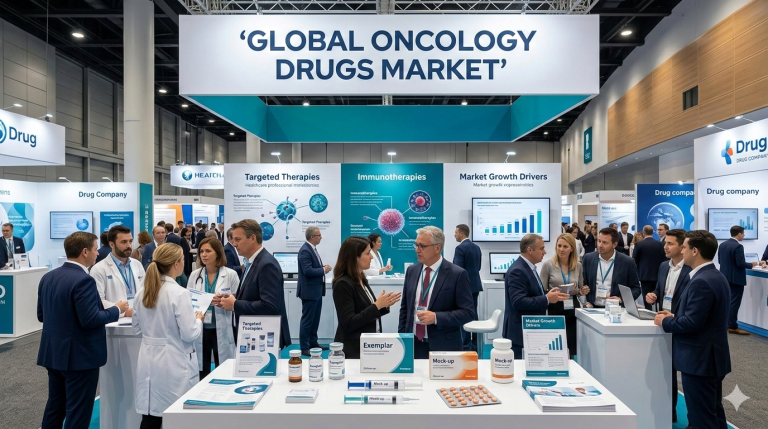
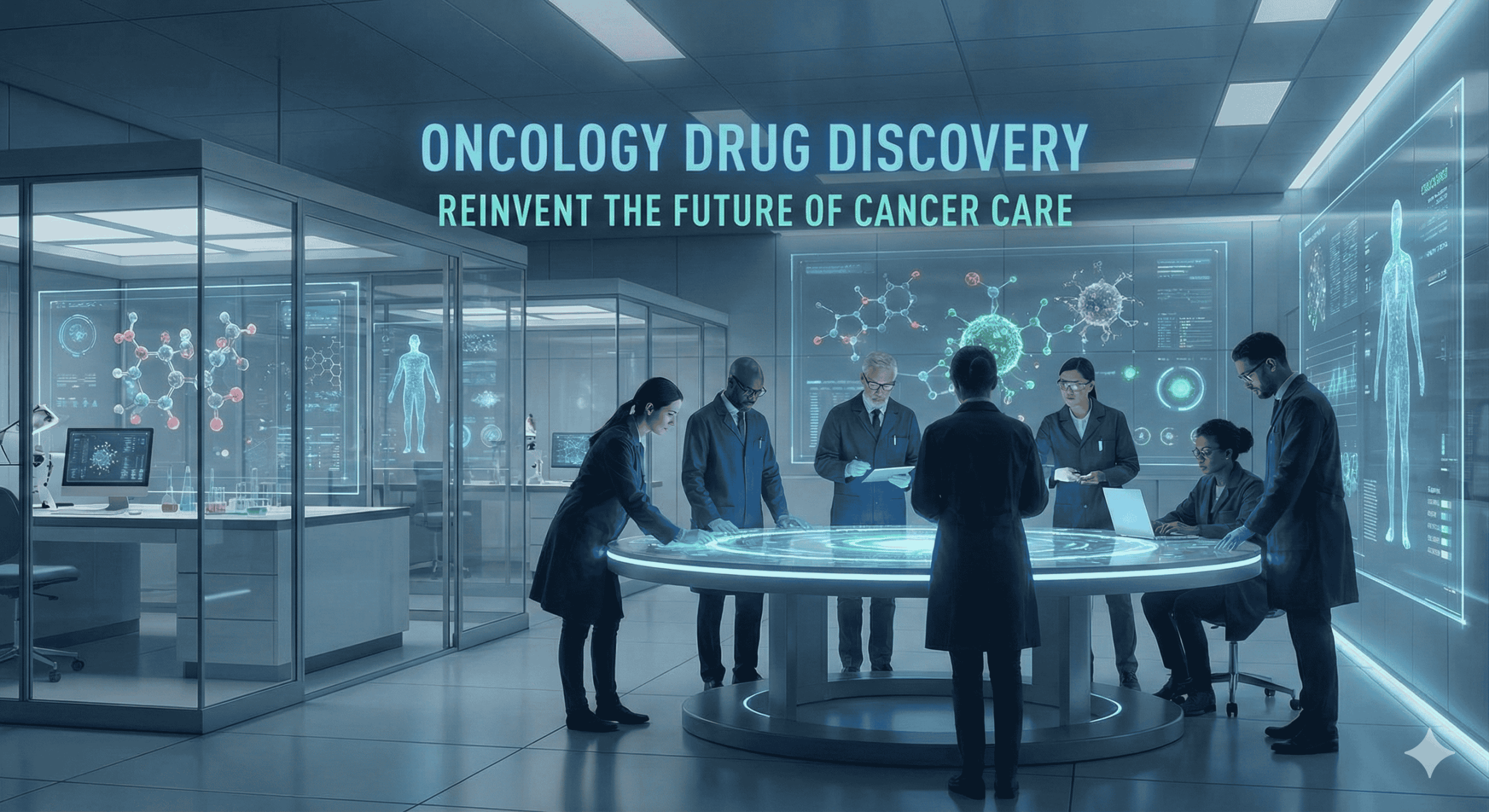
The global oncology drug discovery market is entering one of the most transformative decades in its history. Between 2024 and 2034, the sector is expected to accelerate faster than any previous innovation cycle seen in cancer research, propelled by a convergence of scientific maturity, next-generation technologies, and expanding global demand for precision-driven therapies. This momentum reflects a deeper shift in the oncology research ecosystem, where scientific ambition, technological breakthroughs, and rising disease burden are compelling researchers, innovators, and policymakers to rethink how cancers are understood, targeted, and treated.
Download Sample:
https://www.towardshealthcare.com/download-sample/5786
Cancer continues to rise worldwide, and its growing complexity has forced the healthcare and biopharmaceutical industries to adopt more advanced discovery mechanisms. The oncology drug discovery market is no longer solely defined by traditional approaches to finding and screening compounds. Instead, it now thrives in an interdisciplinary arena where genomics, molecular biology, data science, and artificial intelligence combine to create faster, smarter, and more accurate methods for identifying transformative cancer therapies. The result is a robust pipeline of targeted therapies, immunotherapies, cell and gene therapies, and small-molecule innovations, all designed to address cancer at its deepest biological roots.
As the global cancer landscape intensifies, the oncology drug discovery market stands at the epicenter of scientific evolution, technological disruption, and competitive expansion, pushing healthcare systems worldwide into a new era of therapeutic possibility.
A Market Rising with Urgency: The Global Shift Toward Advanced Cancer Therapies
The oncology drug discovery market is expanding at an unprecedented pace due to the rising prevalence of cancer and an increasing dependence on more refined, effective, and personalized treatment options. The demands of the modern cancer landscape have surpassed the capabilities of conventional chemotherapy, which, while still important, lacks the targeted precision and tolerability required for long-term survivorship and advanced-stage disease management. As patient populations grow and healthcare systems face mounting pressures, the need for therapies that deliver higher efficacy with fewer toxicities has become a driving force for innovation.
Researchers are increasingly leaning on genomics, molecular diagnostics, and biomarker-led insights to understand cancer variability. This shift toward precision medicine has allowed scientists to design therapies that treat cancer not as a uniform illness but as a collection of uniquely expressive diseases shaped by genetic mutations, tumor microenvironments, and disease behavior.
The momentum of this transformation is reflected in the strong performance of key therapy segments across the market. Targeted therapies dominated the landscape in 2024 due to their potential to directly interact with cancer-driving genes and pathways. Meanwhile, immunotherapies continue to gain traction, especially as clinical research demonstrates the potential of immune checkpoint inhibitors, cancer vaccines, and CAR-T cell therapies to deliver deeper and more durable responses.
This movement toward precision, personalization, and improved patient outcomes has created a richer and more competitive oncology drug discovery environment, where scientific progress is moving in tandem with market expansion.
Innovation Reshapes the Rules: How Modern Science is Rewriting Cancer Discovery
Innovation has become the core engine powering the growth of the oncology drug discovery market. Advances in genomic sequencing, computational biology, and artificial intelligence are reshaping traditional discovery pathways, reducing guesswork, and enhancing the predictability of preclinical success. With these tools, researchers can analyze vast datasets of tumor genomes, identify the mutations that drive cancer growth, and design molecules that specifically inhibit those targets.
Artificial intelligence, in particular, has radically improved workflows in target identification, hit discovery, and lead optimization. Instead of spending years evaluating molecular interactions manually, AI-driven platforms now simulate thousands of drug candidates, predict toxicity profiles, and analyze cancer cell responses before laboratory testing begins. This leap in efficiency shortens discovery timelines and lowers the cost of failed experiments, enabling researchers to focus on the most promising candidates earlier in the development cycle.
High-throughput screening, robotic automation, and advanced imaging technologies have also accelerated preclinical testing. These tools make it possible to evaluate millions of molecules swiftly, identify potential leads, and refine them for improved safety and potency. Meanwhile, breakthroughs in CRISPR gene-editing technologies allow scientists to model genetic mutations more precisely, offering deeper insights into disease behavior and therapeutic susceptibility.
The rise of immunotherapies and cell and gene therapies further reflects the transformative impact of innovation. These treatments harness the body’s immune system or genetic machinery to mount a more resilient defense against cancer. As technology matures, these therapies are gradually moving from experimental concepts to clinically validated solutions, offering hope to patients with previously incurable forms of cancer.
A Complex Market Driven by Rising Cancer Burden and Urgent Clinical Demand
The global rise in cancer incidence continues to be one of the strongest drivers of growth in the oncology drug discovery market. As populations age, environmental factors worsen, and lifestyle-related risks intensify, cancer cases are climbing across regions. This growing burden has created urgent demand for breakthrough treatments that offer improved outcomes, longer survival, and better quality of life. Researchers are therefore under pressure to generate therapies that can combat increasingly complex cancer types, including drug-resistant tumors and early-stage metastatic disease.
This urgency is reflected in the market’s investment landscape. Pharmaceutical and biotechnology companies are allocating substantial resources to expanding their cancer discovery pipelines. Government agencies and public research bodies are also increasing funding for oncology research, recognizing the economic and societal impact of rising cancer trends.
Despite this momentum, the market continues to grapple with significant challenges. The cost of drug development remains one of the most substantial barriers, with oncology research often requiring larger trials, longer timelines, and more rigorous safety evaluations. Clinical failures also remain common, especially in early phases, as cancer variability complicates predictions of efficacy. These challenges can slow the commercialization of new therapies and limit participation by smaller research organizations that lack the financial resources of multinational pharmaceutical companies.
Even with these hurdles, the market continues to grow, driven by scientific breakthroughs and an expanding need for targeted and personalized treatments.
Precision Medicine Redefines the Competitive Landscape
The movement toward precision oncology has permanently altered the trajectory of the drug discovery market. By integrating genomic insights into therapeutic design, researchers can now build therapies that match specific tumor profiles, enhancing the probability of clinical success. This customized approach encourages more efficient trials, better-defined patient populations, and treatments that respond to cancers with greater specificity.
Genomic profiling has become an essential tool in modern oncology research. Scientists analyze tumor DNA to detect the mutations responsible for cancer progression and tailor therapies accordingly. This strategy not only increases treatment accuracy but also reduces unnecessary exposure to ineffective drugs, minimizing side effects and improving patient outcomes.
Precision medicine has also accelerated the development of novel drug classes, including antibody-drug conjugates, RNA-based therapeutics, and engineered cell therapies. These modalities allow researchers to target cancer through multiple pathways, improving therapeutic outcomes even in highly resistant tumors.
As precision oncology gains momentum, pharmaceutical companies, biotech firms, and academic institutions are investing more aggressively in genomic-focused platforms. This shift has intensified competition within the market, as companies race to develop breakthroughs in tumor-specific biomarkers, mutation-directed therapies, and mechanism-driven drug designs.
Targeted Therapies Lead the Market as Researchers Prioritize Precision
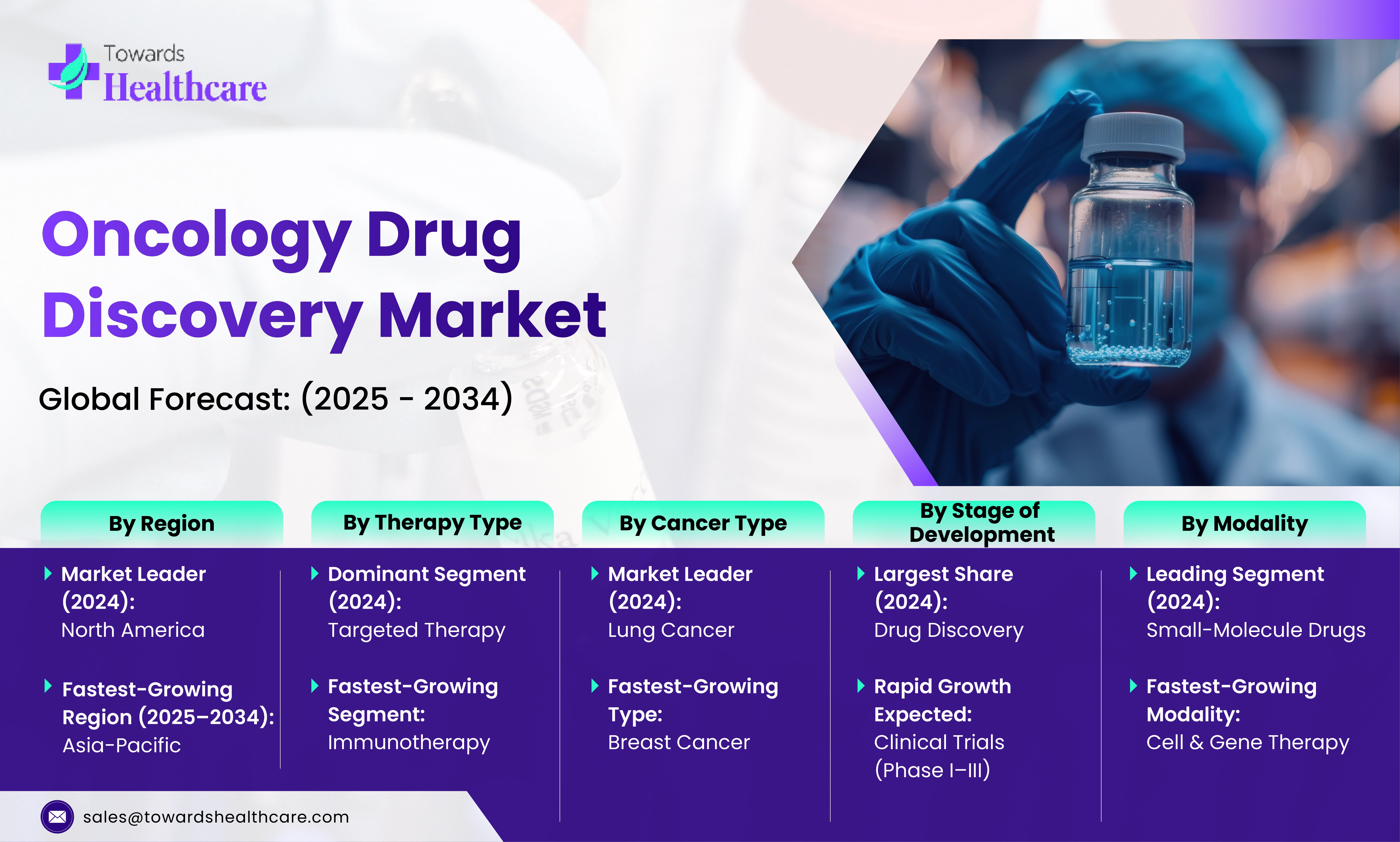
The dominance of targeted therapies in the oncology drug discovery landscape reflects a broader shift toward high-precision treatment strategies. In 2024, targeted therapies captured the largest segment of market share because of their ability to modulate disease-specific mechanisms. With nearly half of all newly approved oncology drugs classified within this category, the focus on targeted therapies demonstrates how the sector is moving away from broad, nonspecific treatments.
Researchers continue to develop therapies that inhibit specific oncogenic drivers, regulate tumor signaling pathways, and block the molecular mechanisms that allow cancer cells to survive and proliferate. This includes therapies designed for rare genetic mutations, which once lacked treatment options.
At the same time, immunotherapy is emerging as the fastest-growing segment due to its capacity to harness the body’s own immune system in cancer combat. Breakthroughs in immune checkpoint inhibitors, CAR-T cell therapies, and personalized cancer vaccines are transforming clinical outcomes for patients with difficult-to-treat cancers and are expected to drive future market expansion.
Lung and Breast Cancer Maintain Strong Positions in Therapeutic Development
The oncology drug discovery market continues to prioritize lung cancer due to its global prevalence and the complexity of its genetic landscape. In 2024, lung cancer accounted for the largest segment share, driven by the high incidence of the disease and the growing need for therapies that target both early-stage and advanced tumors. Environmental factors, smoking patterns, and late diagnosis contribute to the urgency in developing new treatment categories.
Breast cancer, meanwhile, is projected to grow at the fastest pace as younger populations experience rising diagnosis rates and aggressive subtypes gain attention. Research efforts are increasingly directed toward understanding treatment-resistant and metastatic breast cancers, leading to rapid innovation in targeted therapies, hormonal treatments, and immunotherapies.
These two cancer types remain at the center of global research and development efforts, influencing both clinical trial activity and the discovery of novel drug mechanisms.
Early-Stage Discovery Dominates as the Industry Expands Its Research Pipelines
Early-stage drug discovery emerged as the leading stage in 2024 as pharmaceutical companies and research institutions focused on expanding their exploratory pipelines. The complexity of cancer biology has encouraged researchers to investigate new therapeutic classes and mechanisms, increasing the volume of discovery-stage projects.
This early investment is essential for identifying first-in-class therapies and addressing the unmet needs emerging from resistant tumor types. Collaboration between academia, research laboratories, clinical centers, and biotech innovators continues to play a pivotal role in enriching discovery pipelines and accelerating the transition from early research to clinical validation.
At the same time, clinical trials are projected to experience rapid growth as more candidates begin to enter testing phases. Modern clinical design, including adaptive trials and combination therapy studies, has enabled researchers to evaluate multiple cancer types more efficiently, strengthening the growth trajectory of the overall market.
Global Trends Reveal a Competitive, Innovation-Driven Market Landscape
North America remains the global leader in oncology drug discovery, supported by strong investments, advanced research infrastructure, and collaboration across biotech startups, academic institutions, and government agencies. The region has emerged as a powerhouse for clinical trials and regulatory pathways that encourage accelerated development.
The United States continues to dominate due to its emphasis on AI-driven discovery methods, next-generation sequencing technologies, and close partnerships between major pharmaceutical companies and research centers.
Canada is strengthening its global position by investing in precision medicine and expanding its clinical trial capabilities.
Asia-Pacific, meanwhile, is the fastest-growing region and is rapidly evolving into a global research hub due to rising cancer incidence, expanding pharmaceutical R&D capabilities, and cost-efficient clinical trial environments. China leads the region with substantial biotech funding, streamlined regulatory processes, and a high volume of clinical trials, while India is emerging as a significant center for affordable drug development and diverse patient recruitment.
Europe continues to accelerate research through strong governmental support, cross-border collaborations, and advanced digital health integration. The UK and Germany are leading contributors, driven by robust academic ecosystems, a skilled scientific workforce, and strong patent activity in oncology technologies.
A Competitive Arena Defined by Scientific Ambition and Clinical Need
The oncology drug discovery market is shaped by some of the world’s most influential pharmaceutical and biotechnology companies. These organizations are consistently driving scientific innovation, expanding pipelines, and investing heavily in advanced modalities such as biologics, ADCs, RNA therapeutics, cell and gene therapies, and precision medicine platforms.
The competitive landscape is increasingly defined by partnerships, acquisitions, and global collaborations aimed at accelerating discovery and development timelines. As companies strengthen their presence in targeted therapies and immunotherapies, the competitive environment becomes both richer and more dynamic, fostering breakthroughs that continuously redefine the standard of cancer care.
Access our exclusive, data-rich dashboard dedicated to the biotechnology sector – built specifically for decision-makers, strategists, and industry leaders. The dashboard features comprehensive statistical data, segment-wise market breakdowns, regional performance shares, detailed company profiles, annual updates, and much more. From market sizing to competitive intelligence, this powerful tool is one-stop solution to your gateway.
Quick Links:
Access the Dashboard: https://www.towardshealthcare.com/access-dashboard
Checkout Oncology Drug Discovery Market Report Now at: https://www.towardshealthcare.com/checkout/5786
Become a valued research partner with us – https://www.towardshealthcare.com/schedule-meeting
You can place an order or ask any questions, please feel free to contact us at sales@towardshealthcare.com
Powering Healthcare Leaders with Real-Time Insights: https://www.towardshealthcare.com/healthcare-intelligence-platform
Europe Region – +44 778 256 0738
North America Region – +1 8044 4193 44
APAC Region: +91 9356 9282 04
Visit Our Website: https://www.towardshealthcare.com
Find us on social platforms: LinkedIn | Twitter | Instagram | Medium | Pinterest
About the Author