Modern medicine has quietly transformed the way people recover from bone injuries and joint problems. Orthopedic implants now play a critical role in restoring mobility and helping millions return to normal life after accidents, aging-related issues, or chronic diseases.
These implants replace or support damaged bones and joints. Surgeons use them during procedures such as joint replacements, spinal corrections, and fracture repairs. Today, implants are not just mechanical supports—they are carefully engineered medical solutions designed to integrate with the human body.
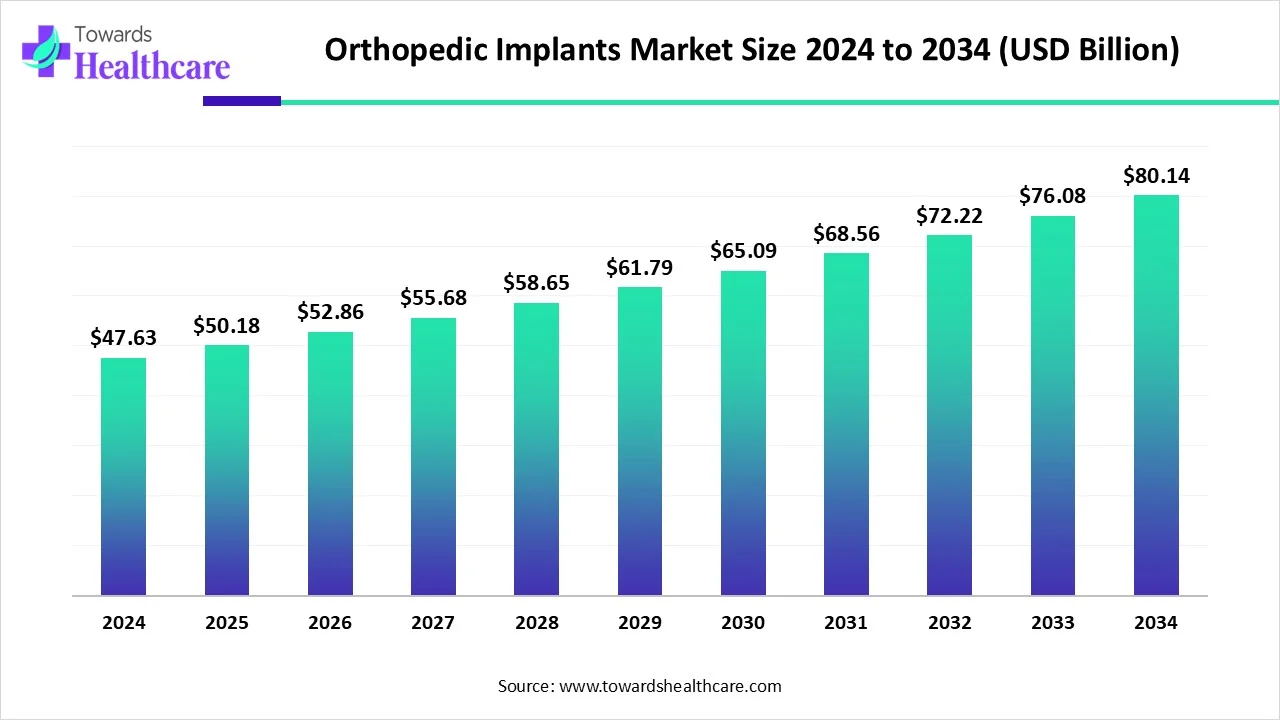
As healthcare evolves, the orthopedic implants market continues to grow steadily. In 2024, the market reached nearly USD 47.63 billion and is projected to rise to around USD 80.14 billion by 2034. This growth reflects the rising demand for better orthopedic care worldwide.
Download the free sample and get the complete insights and forecasts report on this market @ https://www.towardshealthcare.com/download-sample/5601
The Growing Need for Stronger Bones and Joints
Human lifestyles and demographics are changing. People live longer, stay active for more years, and expect a higher quality of life. However, aging also brings increased risks of bone-related conditions.
Arthritis, osteoporosis, and joint degeneration are becoming more common across the globe. These conditions often require surgical intervention, where implants help restore movement and reduce pain.
Several factors are pushing demand for orthopedic implants:
-
Rising global elderly population
-
Increasing sports injuries and road accidents
-
Growing awareness about orthopedic treatments
-
Expansion of healthcare infrastructure in emerging economies
As these factors converge, orthopedic implants are becoming essential tools for maintaining mobility and independence in aging populations.
Inside the World of Orthopedic Implants
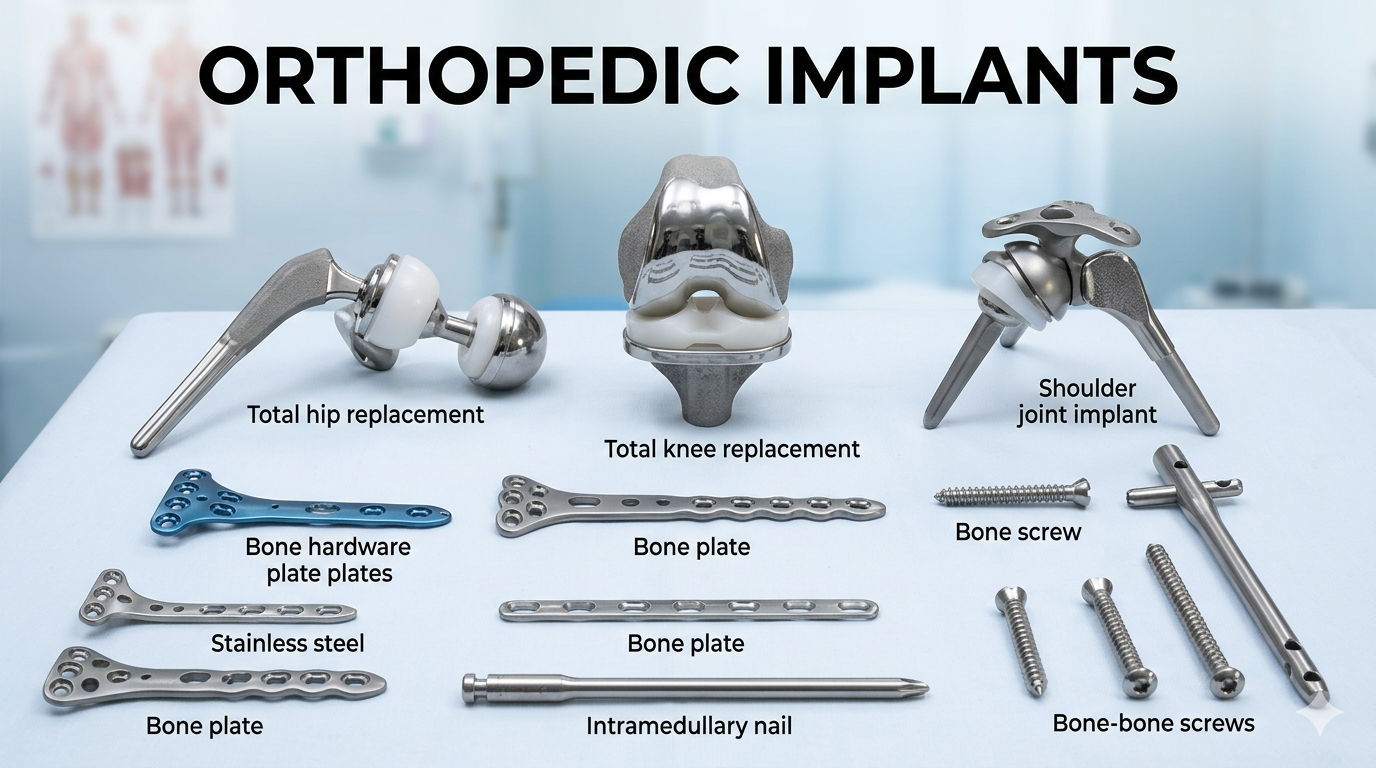
Orthopedic implants are medical devices placed inside the body to repair or replace damaged bone structures. Manufacturers design them using materials that the body can safely tolerate, such as titanium, stainless steel, and specialized polymers.
These materials provide durability while allowing the body to adapt to the implant over time.
Common implant categories include:
-
Plates and screws used to stabilize fractured bones
-
Rods and nails inserted into long bones for alignment and strength
-
Joint prostheses that replace hips, knees, or shoulders
-
Spinal implants designed to support vertebral structures
Each implant serves a unique purpose, but the overall goal remains the same—restore mobility and improve quality of life.
Technology Is Redefining Orthopedic Surgery
Medical technology is advancing at a remarkable pace, and orthopedic implants are evolving alongside it. New innovations are improving surgical accuracy, implant design, and patient recovery.
One of the most exciting developments is robot-assisted orthopedic surgery. Advanced robotic systems help surgeons position implants with exceptional precision. Even small improvements in placement can significantly affect long-term results.
Another breakthrough comes from 3D printing technology. Manufacturers now design patient-specific implants based on individual anatomy. This customization allows implants to fit more naturally within the body.
In addition, modern biomaterials are becoming lighter, stronger, and more compatible with human tissue. These improvements reduce complications and enhance healing.
Together, these technologies are transforming orthopedic procedures from complex surgeries into highly controlled and predictable treatments.
Artificial Intelligence Steps into the Operating Room
Artificial intelligence is beginning to reshape orthopedic medicine. AI-powered systems analyze medical imaging, predict surgical outcomes, and assist doctors during pre-surgical planning.
These technologies help surgeons choose the most suitable implant size and placement strategy before the operation even begins.
AI also improves post-surgery monitoring. Predictive algorithms track patient recovery patterns and alert doctors if complications might occur. This allows healthcare providers to intervene early and prevent long-term problems.
The combination of AI, robotics, and advanced materials could redefine orthopedic treatment over the next decade. Rather than standard implants for everyone, the future may deliver personalized orthopedic solutions tailored to each patient.
Regional Shifts Are Shaping the Market
While orthopedic implants are used worldwide, regional dynamics play a major role in market growth.
North America currently leads the global market due to its advanced healthcare systems, strong research ecosystem, and high adoption of medical technologies.
However, the fastest growth is expected in the Asia-Pacific region. Countries such as India, China, and South Korea are investing heavily in healthcare infrastructure and medical device manufacturing.
Several factors contribute to this rapid regional expansion:
-
Rising healthcare spending in emerging economies
-
Growing medical tourism industry
-
Increasing number of orthopedic surgeons and specialized clinics
-
Government initiatives supporting medical device production
These developments are gradually shifting the global orthopedic landscape toward new innovation hubs.
When Cost Becomes a Barrier
Despite technological progress, orthopedic implants still face a major challenge: affordability.
Implant-based surgeries can be expensive, particularly in countries where healthcare coverage remains limited. For example, knee replacement procedures can cost tens of thousands of dollars in some healthcare systems.
High implant costs affect patients, hospitals, and insurance providers alike. In many cases, individuals delay treatment due to financial constraints, which can worsen their condition over time.
Healthcare systems around the world are now exploring ways to balance innovation with affordability. Local manufacturing, price regulations, and improved insurance coverage may help reduce financial barriers in the future.
Governments Are Entering the Conversation
Public policy is becoming an important driver in the orthopedic implants sector. Governments recognize that musculoskeletal disorders place a heavy burden on healthcare systems and national productivity.
To address this issue, many countries are introducing initiatives to support medical technology development and improve patient access to treatment.
These initiatives often focus on:
-
Funding research in medical device innovation
-
Supporting domestic manufacturing capabilities
-
Encouraging exports of medical technologies
-
Expanding healthcare access in rural and underserved areas
Such programs can significantly accelerate the growth of orthopedic implant industries while improving healthcare outcomes.
Access our exclusive, data-rich dashboard dedicated to the therapeutic area sector – built specifically for decision-makers, strategists, and industry leaders. The dashboard features comprehensive statistical data, segment-wise market breakdowns, regional performance shares, detailed company profiles, annual updates, and much more. From market sizing to competitive intelligence, this powerful tool is one-stop solution to your gateway.
Access the Dashboard: https://www.towardshealthcare.com/access-dashboard
Checkout the Market Report Now at: https://www.towardshealthcare.com/checkout/5601
You can place an order or ask any questions, please feel free to contact us at sales@towardshealthcare.com
Europe Region – +44 778 256 0738
North America Region – +1 8044 4193 44
APAC Region: +91 9356 9282 04
Visit Our Website: https://www.towardshealthcare.com
Find us on social platforms: LinkedIn | Twitter | Instagram | Medium
About the Author