Is the World Truly Safe Without Personal Protective Equipment (PPE)?
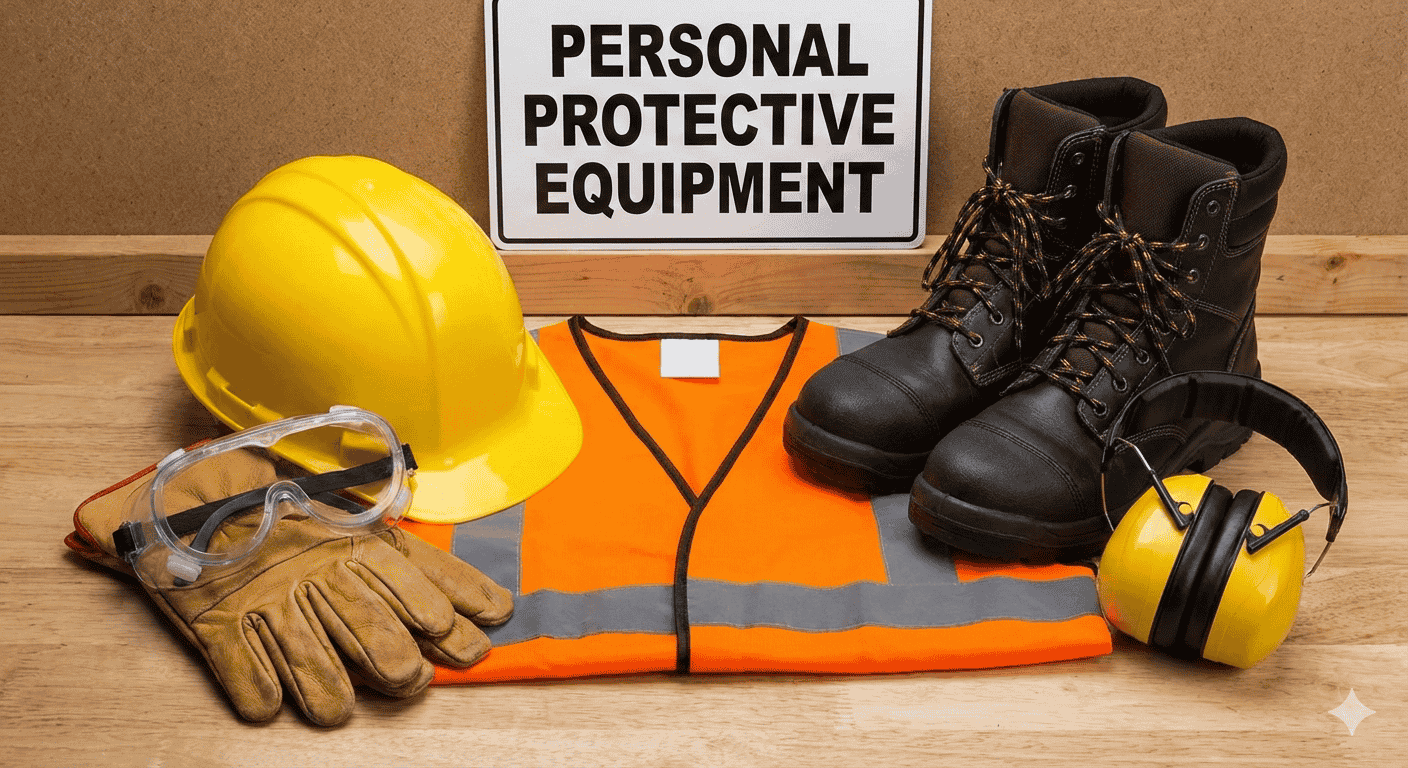
Personal protective equipment rarely attracts attention when systems function smoothly. It does not announce itself, demand recognition, or seek appreciation. Yet when safety collapses, PPE becomes the last and often the most decisive line of defense. Over decades of observing healthcare systems, industrial environments, and public safety infrastructure, one truth has remained constant: societies that underestimate protection eventually pay a heavy price. The global personal protective equipment market reflects this hard-earned lesson, evolving steadily from a compliance-driven necessity into a strategic pillar of global health and workforce safety.
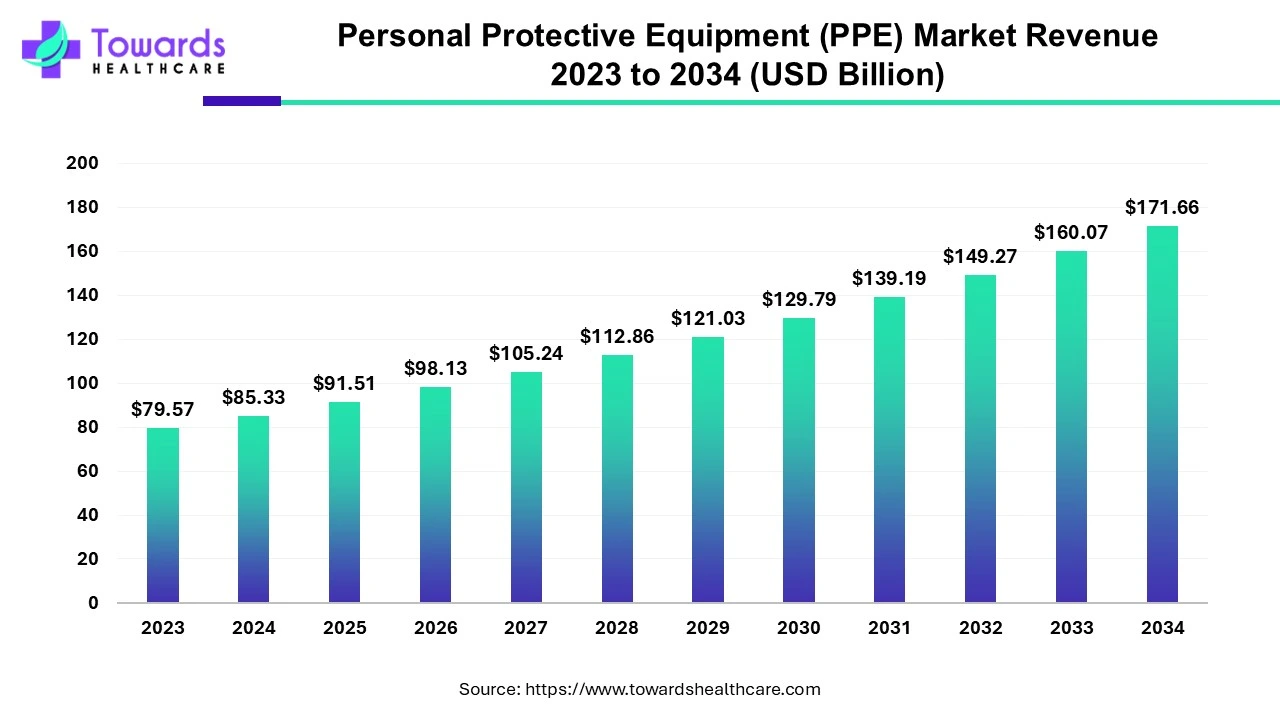
Today’s PPE market growth is not reactionary. It is deliberate, informed by experience, and anchored in the understanding that prevention costs less than recovery. With market revenues expanding from under eighty billion dollars to projections exceeding one hundred seventy billion over the next decade, PPE has firmly secured its role as an indispensable component of modern life.
From healthcare wards and home-care settings to pharmaceutical plants and research laboratories, PPE now stands at the frontline of risk mitigation. The market’s steady expansion toward a projected value of over US$ 170 billion by 2034 reflects more than demand growth. It reflects a permanent shift in how governments, institutions, and individuals approach safety.
Download Free Sample Now and Get the Complete Report Easily at: https://www.towardshealthcare.com/download-sample/5245
From Background Equipment to Boardroom Priority
For many years, PPE decisions were relegated to procurement departments and safety checklists. Gloves, masks, gowns, and protective footwear were considered interchangeable commodities rather than critical performance tools. That mindset no longer holds. Healthcare leaders, policymakers, and industrial decision-makers now recognize PPE as a system that directly influences outcomes, from infection rates and worker absenteeism to operational continuity and legal risk.
This shift did not occur overnight. It emerged through repeated exposure to infectious outbreaks, occupational injuries, and systemic failures that exposed the cost of unpreparedness. PPE today is no longer purchased solely to satisfy regulators. It is selected, evaluated, and deployed as part of broader risk management strategies.
Understanding PPE Beyond Its Physical Form
At its core, personal protective equipment exists to minimize exposure to hazards that cannot be fully eliminated. These hazards vary widely, ranging from biological pathogens and chemical agents to mechanical threats and radiation exposure. PPE serves as the human interface between danger and safety, absorbing risk when other controls fall short.
What differentiates modern PPE from its earlier iterations is its expanding scope. Equipment now addresses not only protection but also usability, comfort, and long-term wear. Poorly designed PPE fails in practice, regardless of how well it performs in controlled testing. This reality has driven manufacturers to rethink design philosophies, placing the end user at the center of innovation.
Why Market Growth Shows No Signs of Slowing
Contrary to early assumptions, PPE demand did not decline after global health emergencies stabilized. Instead, the market matured. Healthcare systems institutionalized preparedness. Governments formalized stockpiling strategies. Employers integrated PPE usage into standard operating procedures rather than emergency protocols.
The persistent rise in infectious diseases reinforces this trajectory. Hospitals continue to battle hospital-associated infections, which remain among the most common and costly healthcare challenges worldwide. PPE reduces transmission risk, protects frontline workers, and safeguards vulnerable patients. These outcomes are measurable, repeatable, and economically justified.
Beyond healthcare, industrial sectors increasingly recognize PPE as essential to productivity. Workplace injuries disrupt operations, increase insurance costs, and damage reputations. PPE mitigates these risks, aligning safety with business performance rather than positioning it as an operational burden.
Europe’s Influence Extends Beyond Market Share
Europe’s leadership in the PPE market stems from governance rather than volume alone. The region’s regulatory framework enforces strict standards for design, manufacturing, and distribution. These regulations do not merely restrict; they elevate. By demanding performance consistency and traceability, Europe has shaped global expectations around PPE quality.
Manufacturers serving the European market often carry those standards into other regions, raising baseline safety levels worldwide. Combined with advanced healthcare infrastructure and sustained investment, Europe’s regulatory discipline positions it as both a market leader and a global reference point.
Asia-Pacific Redefines Scale and Speed
While Europe anchors quality, Asia-Pacific drives momentum. Rapid population growth, urban density, and expanding healthcare access create sustained demand across the region. Countries such as China and India now operate as both manufacturing powerhouses and high-consumption markets, reshaping global supply dynamics.
The region’s growth reflects changing priorities. Governments increasingly allocate resources toward healthcare preparedness. Private healthcare providers expand aggressively, particularly in outpatient and home-care services. These shifts push PPE demand beyond centralized hospitals into community-based care environments.
Asia-Pacific’s manufacturing capabilities further strengthen its position. Local production reduces lead times, improves responsiveness, and supports domestic supply security. As global buyers diversify sourcing strategies, the region’s influence continues to grow.
North America’s Focus on Awareness and Compliance
North America’s PPE market growth follows a different pattern. Awareness drives adoption more than urgency. Healthcare professionals, researchers, and industrial workers increasingly view PPE as non-negotiable for long-term safety. This cultural shift translates into consistent demand across sectors.
Research activity in biotechnology and pharmaceuticals further accelerates PPE usage. Controlled environments require rigorous protection protocols, reinforcing PPE’s role in innovation ecosystems. Regulatory guidance emphasizes proper usage and disposal, ensuring that PPE delivers real protection rather than symbolic reassurance.
Emerging Regions Embrace Protection as Development Accelerates
Latin America and the Middle East and Africa present evolving PPE landscapes shaped by industrial growth and healthcare expansion. As industries modernize and healthcare systems scale, PPE adoption becomes integral to workforce protection.
In these regions, PPE demand often rises alongside infrastructure investment. Hospitals, laboratories, and emergency services integrate protective equipment into standard practice. Awareness campaigns and government support further reinforce adoption, moving markets from sporadic purchasing toward structured safety planning.
Hand Protection Remains the Foundation of Safety
Among all PPE categories, hand protection continues to dominate. Hands represent the primary point of contact in healthcare and industrial environments, making gloves essential for infection control and injury prevention. Disposable gloves remain the preferred choice due to affordability and contamination control.
Material innovation continues to refine performance. Alternatives to traditional latex address allergy concerns while improving durability and tactile sensitivity. These advances support compliance by ensuring that protection does not compromise usability.
Respiratory Protection Defines the Next Growth Phase
Respiratory protection stands as the fastest-growing PPE segment, reflecting a deeper understanding of airborne risks. Masks and respirators now function as standard protective tools rather than emergency equipment.
Surgical masks play a critical role in source control, limiting environmental contamination. Respirators, particularly N95 variants, protect healthcare workers from inhaling harmful particles. Demand remains strong as healthcare systems embed respiratory protection into routine protocols.
This segment’s growth also reflects technological improvement. Enhanced filtration efficiency, improved fit, and reduced breathing resistance increase adoption and long-term wearability.
Hospitals Lead, but Home Healthcare Changes the Game
Hospitals remain the largest PPE consumers due to patient volume and exposure risk. Strict safety protocols mandate continuous PPE usage across departments, reinforcing consistent demand.
However, home healthcare represents the market’s most dynamic growth area. Aging populations, chronic disease management, and patient preference for home-based care drive this expansion. PPE usage extends beyond professionals to include caregivers and family members, broadening the market’s scope.
This shift challenges traditional distribution models, requiring accessible, affordable, and easy-to-use protective equipment designed for non-clinical settings.
Artificial Intelligence Introduces Intelligence into Protection
Artificial intelligence quietly reshapes the PPE ecosystem. AI-driven design accelerates development cycles, enabling manufacturers to optimize materials, fit, and durability. These improvements enhance protection while improving comfort and compliance.
Beyond design, AI supports real-time safety monitoring. Vision-based systems detect improper PPE usage, while sensors provide feedback during donning and doffing. Training programs integrate AI to reinforce best practices, reducing human error that compromises safety.
AI also enhances supply chain efficiency by predicting demand patterns and optimizing production planning, strengthening market resilience.
Supply Chain Fragility Remains a Critical Challenge
Despite progress, supply chain disruptions remain the market’s most persistent vulnerability. PPE manufacturing depends on raw materials shared across industries, creating competition during demand surges.
Geopolitical instability and logistical constraints further complicate distribution. These challenges have prompted governments and manufacturers to prioritize domestic production and strategic reserves. Resilience now ranks alongside cost efficiency as a core procurement consideration.
Research and Development Shape the Future of PPE
Ongoing research defines the next phase of PPE evolution. Scientists focus on improving fit, comfort, and inclusivity, recognizing that protection fails without compliance. Adaptive designs accommodate diverse body types and work conditions.
Specialized research addresses occupational-specific risks, such as radiation exposure among healthcare workers. These innovations reflect a shift toward personalized protection rather than standardized solutions.
Consolidation Signals Market Maturity
Recent mergers and acquisitions reflect strategic consolidation rather than speculative growth. Companies expand portfolios to deliver comprehensive protection solutions, simplifying procurement for healthcare providers and industries.
This consolidation also strengthens innovation pipelines, enabling integrated development across product categories. The market’s maturation favors players that balance scale with specialization.
A Market Built on Experience, Not Hype
The PPE market’s trajectory reflects decades of lessons learned. It grows not because of fear, but because of understanding. Safety is no longer reactive. It is planned, measured, and continuously improved.
Personal protective equipment may never command headlines when systems work as intended. Yet its value becomes unmistakable when protection prevents harm before it occurs. In that quiet success lies the true strength of the PPE market, an industry shaped by experience, driven by responsibility, and essential to the future of global safety.
Access our exclusive, data-rich dashboard dedicated to the laboratory equipment sector – built specifically for decision-makers, strategists, and industry leaders. The dashboard features comprehensive statistical data, segment-wise market breakdowns, regional performance shares, detailed company profiles, annual updates, and much more. From market sizing to competitive intelligence, this powerful tool is one-stop solution to your gateway.
Access the Dashboard: https://www.towardshealthcare.com/access-dashboard
Checkout Personal Protective Equipment Market Report Now at: https://www.towardshealthcare.com/checkout/5245
Become a valued research partner with us - https://www.towardshealthcare.com/schedule-meeting
You can place an order or ask any questions, please feel free to contact us at sales@towardshealthcare.com
Powering Healthcare Leaders with Real-Time Insights: https://www.towardshealthcare.com/healthcare-intelligence-platform
Europe Region – +44 778 256 0738
North America Region – +1 8044 4193 44
APAC Region: +91 9356 9282 04
Visit Our Website: https://www.towardshealthcare.com
Find us on social platforms: LinkedIn | Twitter | Instagram | Medium | Pinterest
Table of Contents
ToggleAbout the Author