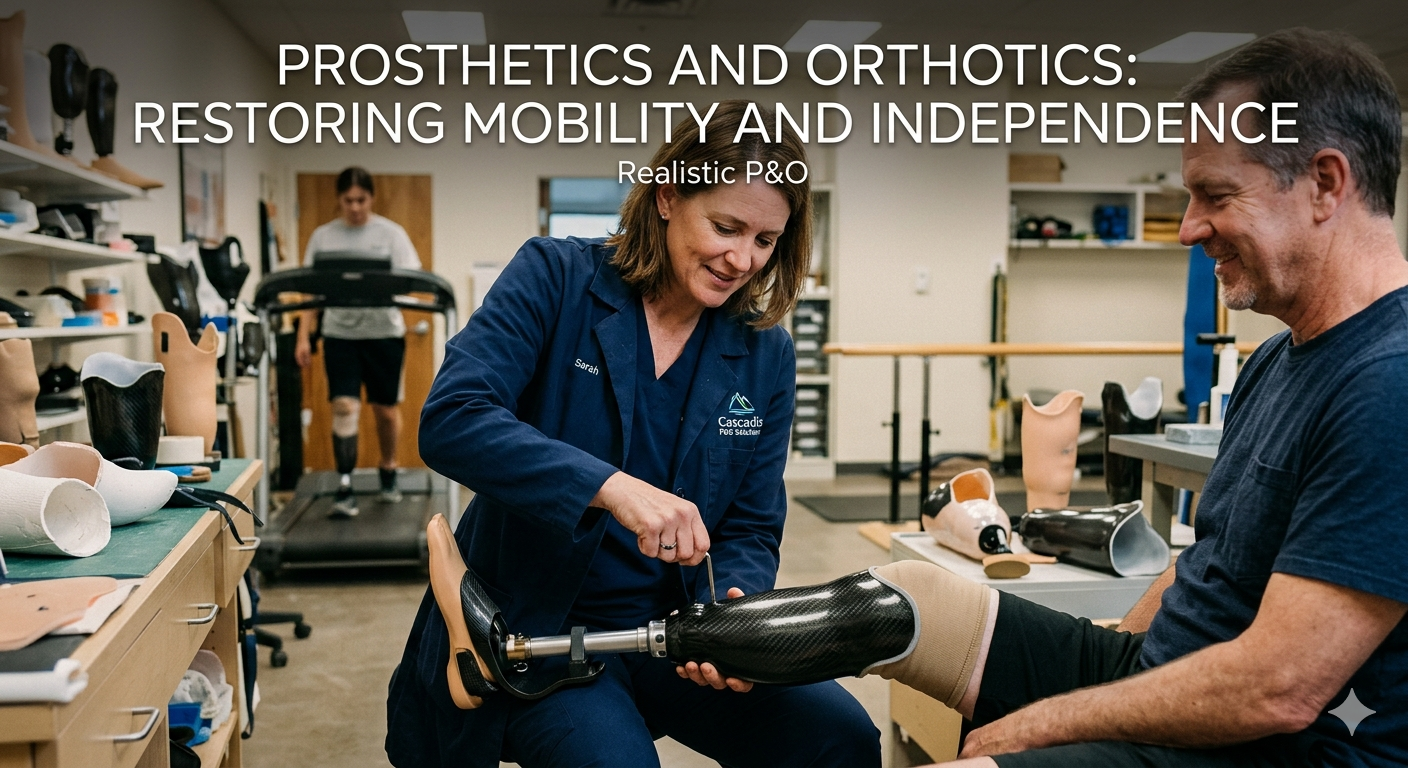
Modern prosthetic and orthotic technologies are redefining how people move, work, and live. The field is shifting from simple mechanical solutions to intelligent devices designed to restore independence and confidence.
What once felt like a limitation is now becoming a gateway to innovation.
North America Leads the Charge
North America currently plays a leading role in the prosthetics and orthotics landscape. Strong healthcare infrastructure, advanced research institutions, and significant medical investment continue to push innovation forward.
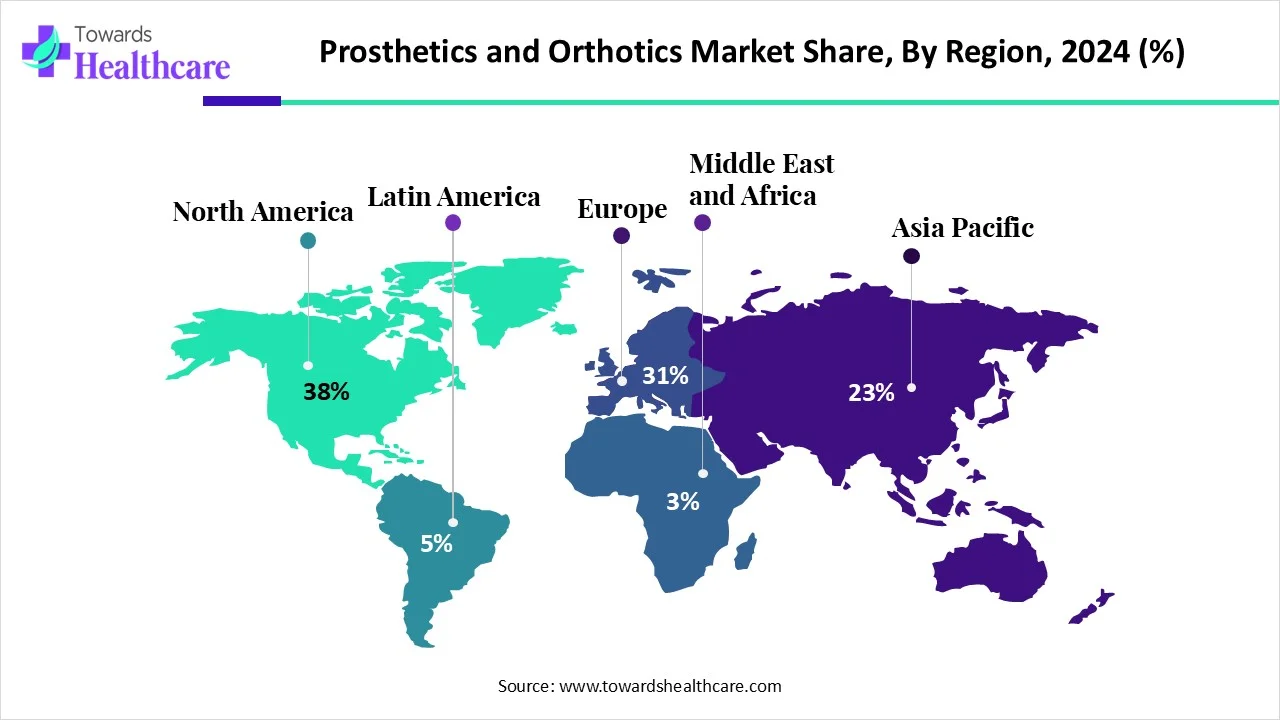
North America lead the prosthetics and orthotics market, accounting for nearly 38% of the global market share in 2024.
Download the free sample and get the complete insights and forecasts report on this market @ https://www.towardshealthcare.com/download-sample/5673
Healthcare providers in the region actively integrate new technologies into treatment and rehabilitation programs. As a result, patients often gain faster access to advanced prosthetic and orthotic services.
Several factors strengthen North America’s position:
-
Expanding healthcare research and clinical trials
-
Rising cases of diabetes and age-related mobility disorders
-
Greater insurance coverage and rehabilitation programs
-
Continuous development of advanced prosthetic technologies
Another critical factor is awareness. Patients, clinicians, and policymakers increasingly recognize the importance of mobility solutions in improving quality of life.
The United States Pushes Technological Boundaries
In the United States, innovation drives much of the progress in prosthetics and orthotics. Engineers, surgeons, and researchers work together to develop smarter and more adaptive devices.
Robotic assistance systems and AI-supported orthopedic technologies are transforming how surgeries and rehabilitation treatments are performed.
Advanced surgical tools now allow surgeons to conduct highly precise spine and joint procedures. These developments improve recovery outcomes and enable better integration with prosthetic or orthotic support.
At the same time, research organizations and professional associations continue to strengthen the ecosystem by supporting new studies, clinical trials, and product development.
The result is a rapidly evolving field where medical science and engineering work hand in hand.
Canada Strengthens Access and Support
Canada is also experiencing strong progress in prosthetic and orthotic services. Government initiatives that support individuals with disabilities have played a crucial role in expanding access to mobility devices.
Healthcare coverage for assistive technologies has gradually improved, allowing more patients to receive prosthetic limbs and orthotic support.
Industry collaboration also contributes to growth. Several organizations and specialized clinics provide advanced solutions for rehabilitation and mobility improvement.
In recent years, the Canadian prosthetics sector has seen consolidation and partnerships that aim to expand services and improve patient care.
These developments reflect a broader shift toward integrated healthcare solutions that prioritize long-term mobility.
Asia Pacific: The Fastest-Growing Mobility Frontier
While North America leads today, Asia Pacific is emerging as the fastest-growing region in prosthetics and orthotics.
Several powerful forces drive this transformation. Countries such as China and India have massive populations and rapidly aging societies. As life expectancy increases, healthcare systems face growing demand for orthopedic care and rehabilitation services.
In addition, rising awareness and improving healthcare access are encouraging more patients to seek prosthetic and orthotic treatment.
The region is also experiencing rapid technological development in medical devices and digital healthcare solutions.
China Combines Technology and Healthcare
China has witnessed a significant rise in chronic diseases such as diabetes and obesity. These health issues often lead to complications that require prosthetic or orthotic support.
To address this challenge, Chinese medical technology companies and research institutions are investing heavily in advanced orthopedic innovations.
Artificial intelligence, surgical robotics, and precision diagnostics are becoming integral parts of the country’s healthcare ecosystem.
These technologies allow clinicians to design customized prosthetic devices and develop targeted treatment strategies. As a result, patients benefit from improved mobility and more personalized rehabilitation programs.
China’s focus on innovation is gradually turning the country into a global hub for orthopedic technology development.
India Focuses on Accessibility and Innovation
India faces a unique challenge: a large population of individuals living with musculoskeletal disabilities. Many people require prosthetic or orthotic solutions to regain mobility and independence.
In response, Indian researchers and medical innovators are developing affordable and technologically advanced solutions.
Recent advancements include bionic prosthetic devices that mimic natural movement. These technologies combine sensors, lightweight materials, and intelligent control systems to deliver more comfortable and functional mobility aids.
The growing ecosystem of startups, researchers, and healthcare providers is accelerating innovation in this field.
For many patients, these breakthroughs represent a new chance to walk, work, and participate fully in society.
Europe Drives Innovation Through Technology
Europe continues to play a vital role in advancing prosthetic and orthotic technologies. The region benefits from strong research institutions, high healthcare spending, and a collaborative innovation environment.
Medical device manufacturers across Europe invest heavily in developing smarter and more adaptive mobility solutions.
These efforts focus on improving patient outcomes and making devices more intuitive to use.
Recent developments include powered orthotic devices that support natural movement. These systems help patients improve posture, walking speed, and muscle function.
Such innovations demonstrate how technology can enhance rehabilitation and restore mobility in ways that were unimaginable just a decade ago.
Germany’s Engineering Precision Shapes the Field
Germany stands out as one of Europe’s key centers for medical engineering and orthopedic research.
Hospitals and research institutions in the country consistently invest in advanced medical equipment and clinical studies. This focus on innovation helps improve treatment methods and rehabilitation techniques.
German healthcare facilities often provide integrated orthopedic services, including surgery, prosthetic fitting, and long-term rehabilitation.
This comprehensive approach ensures that patients receive continuous support throughout their recovery journey.
Access our exclusive, data-rich dashboard dedicated to the healthcare market – built specifically for decision-makers, strategists, and industry leaders. The dashboard features comprehensive statistical data, segment-wise market breakdowns, regional performance shares, detailed company profiles, annual updates, and much more. From market sizing to competitive intelligence, this powerful tool is one-stop solution to your gateway.
Access the Dashboard: https://www.towardshealthcare.com/access-dashboard
Checkout the Market Report Now at: https://www.towardshealthcare.com/checkout/5673
You can place an order or ask any questions, please feel free to contact us at sales@towardshealthcare.com
Europe Region – +44 778 256 0738
North America Region – +1 8044 4193 44
APAC Region: +91 9356 9282 04
Visit Our Website: https://www.towardshealthcare.com
Find us on social platforms: LinkedIn | Twitter | Instagram | Medium
About the Author