
Is Specialty PACS Quietly Becoming the Backbone of Modern Healthcare?
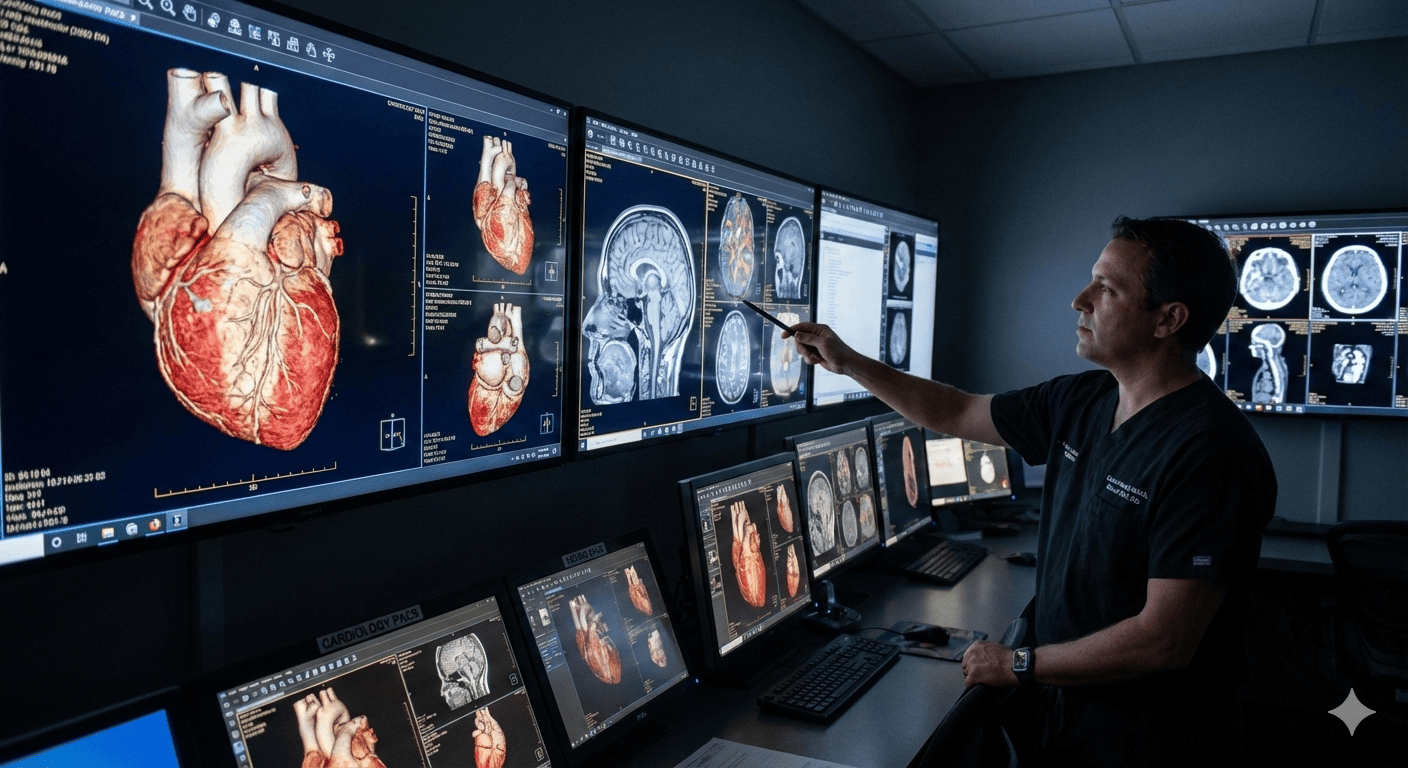
Table of Contents
ToggleWhen Images Became Decisions, Not Just Records
A decade ago, medical imaging systems were largely viewed as storage utilities, digital filing cabinets that replaced film, reduced clutter, and made retrieval faster. Today, that perception no longer holds. Specialty Picture Archiving and Communication Systems, better known as specialty PACS, have evolved into clinical decision enablers that directly influence diagnosis, treatment pathways, and patient outcomes. This shift is not loud or flashy, but it is profound. Across hospitals, specialty clinics, and diagnostic centers, specialty PACS is increasingly becoming the invisible infrastructure that supports modern, data-driven healthcare.
As imaging volumes rise globally and disease patterns become more complex, healthcare providers no longer want generic solutions. They demand systems that understand the nuances of cardiology workflows, the precision required in oncology, the image depth needed in pathology, or the speed essential for emergency diagnostics. Specialty PACS answers that demand by aligning technology with clinical reality rather than forcing clinicians to adapt to rigid systems.
Understanding the Market Pulse Behind Specialty PACS
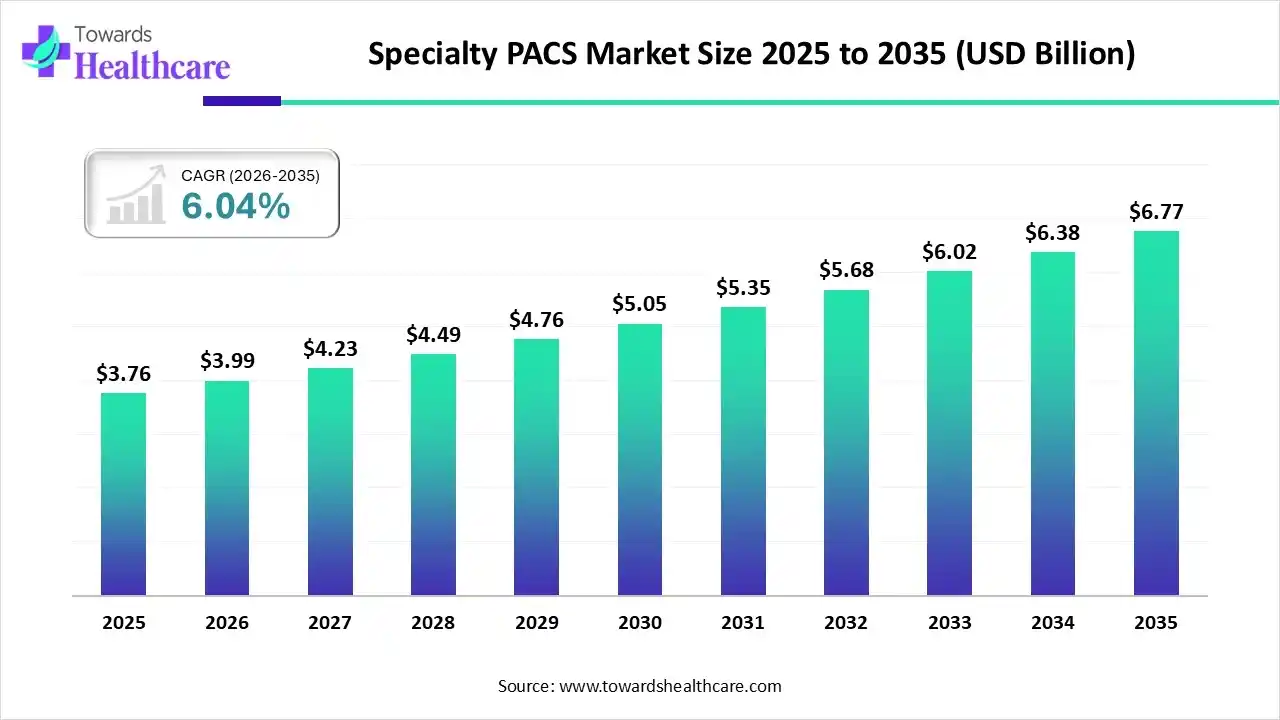
The global specialty PACS market stood at approximately USD 3.76 billion in 2025 and moved toward USD 3.99 billion in 2026. What makes this market particularly interesting is not just its size, but the steady and resilient growth trajectory it follows. Despite cost pressures in healthcare systems worldwide, specialty PACS is projected to expand at a CAGR of over 6 percent through 2035. This growth reflects sustained demand rather than short-term hype.
Download Free Sample:
https://www.towardshealthcare.com/download-sample/6478
At its core, the specialty PACS market grows because medical imaging itself is growing. Chronic diseases such as cancer, cardiovascular disorders, orthopedic conditions, and ophthalmic diseases are increasing across age groups. Imaging now plays a central role not only in diagnosis but also in disease monitoring, treatment planning, and long-term follow-up. As a result, healthcare providers increasingly rely on imaging platforms that are purpose-built for specific clinical domains.
From Radiology Roots to Multispecialty Reach
Radiology PACS remains the historical anchor of this market, and its dominance is not surprising. Radiology departments generate massive imaging volumes and operate under intense time pressure. Over the years, radiology PACS evolved to support multi-modality imaging, teleradiology, and remote consultations, making it indispensable. In 2025, radiology PACS accounted for a substantial share of the specialty PACS market, driven by high adoption rates and continuous workflow optimization.
However, the real story lies beyond radiology. Pathology PACS is emerging as one of the fastest-growing segments, largely due to the global rise in cancer cases. Digital pathology, whole-slide imaging, and AI-assisted tumor analysis are transforming how pathologists work. Instead of microscopes and physical slides, diagnosis increasingly happens on high-resolution digital platforms that allow collaboration, second opinions, and remote reporting.
Cardiology, orthopedics, oncology, women’s health, and ophthalmology PACS are also expanding steadily. Each specialty brings unique imaging requirements, data volumes, and workflow challenges. Specialty PACS solutions that address these nuances gain faster acceptance because they reduce cognitive load on clinicians rather than adding complexity.
Why Deployment Models Are Shifting Without Resistance
For years, on-premise PACS dominated the market due to concerns around data security, regulatory compliance, and performance reliability. Hospitals preferred systems they could physically control, especially in regions with strict patient data laws. In 2025, on-premise specialty PACS still held the largest share, supported by customization flexibility and perceived stability.
Yet the momentum is clearly shifting. Cloud-based PACS is gaining ground not because it is cheaper alone, but because it aligns better with modern healthcare delivery models. Remote diagnostics, multi-location hospital networks, telemedicine, and home-based care all require seamless access to imaging data from anywhere. Cloud-based specialty PACS offers scalability, automatic updates, and easier AI integration, which increasingly outweigh earlier concerns.
Hybrid models are also gaining acceptance, particularly in large hospital systems that want to balance security with flexibility. This gradual transition reflects maturity rather than disruption, as healthcare organizations adopt cloud technologies at their own pace.
Software Takes the Lead While Services Catch Up
Within the specialty PACS ecosystem, software remains the dominant component. Imaging software handles storage, visualization, retrieval, integration, and analysis, making it the core value driver. Continuous innovation in software capabilities, including advanced visualization, workflow automation, and AI-assisted diagnostics, keeps this segment at the forefront.
At the same time, services are becoming more critical than ever. As PACS deployments increase in complexity, healthcare providers require ongoing maintenance, cybersecurity support, system upgrades, and staff training. Cloud-based deployments further amplify the need for managed services, especially for data backup, disaster recovery, and compliance monitoring. This growing reliance on service providers reflects a broader shift in healthcare IT toward long-term partnerships rather than one-time system installations.
AI Is No Longer an Add-On, It Is Becoming Native
Artificial intelligence has moved from experimental to operational within the specialty PACS landscape. Initially introduced as decision-support tools, AI algorithms now actively assist clinicians by prioritizing critical cases, measuring tumor sizes, identifying biomarkers, and enhancing image quality. In high-volume specialties such as radiology and pathology, AI reduces manual workload while improving consistency and accuracy.
What makes AI particularly valuable in specialty PACS is its contextual intelligence. Instead of generic image recognition, AI systems trained on specialty-specific datasets can deliver clinically relevant insights. In oncology, AI supports treatment response tracking. In cardiology, it assists in functional assessments. In pathology, it enables faster slide interpretation and second-level validation.
Remote diagnosis further amplifies the role of AI. As healthcare extends beyond physical hospitals into virtual care environments, AI-powered specialty PACS ensures diagnostic quality remains high regardless of location.
Investment Signals Confidence in Long-Term Value
Recent investment activity in the imaging technology space reflects growing confidence in specialty PACS as a long-term growth area. Funding rounds aimed at making imaging more affordable, accessible, and scalable indicate that investors see sustained demand rather than cyclical interest. Large technology and healthcare companies continue to back imaging innovators, particularly those focusing on portability, AI integration, and cloud-native architectures.
These investments also highlight a shift in priorities. Instead of focusing solely on premium hospital installations, companies increasingly target affordability and access. This approach aligns with broader healthcare goals of early diagnosis, preventive care, and rural outreach.
Regional Dynamics Reveal Different Growth Stories
North America continues to lead the specialty PACS market, supported by advanced healthcare infrastructure, high imaging utilization, and early adoption of digital technologies. The region benefits from strong vendor presence, robust reimbursement systems, and regulatory frameworks that encourage innovation while maintaining patient safety.
The United States, in particular, plays a pivotal role due to its large imaging volumes, rising chronic disease burden, and rapid adoption of AI-driven diagnostics. Telemedicine expansion further strengthens the case for specialty PACS as a core digital health component.
Asia Pacific, however, represents the fastest-growing regional opportunity. Expanding healthcare infrastructure, rising disease prevalence, and increasing government investment in digital health are driving adoption. Countries such as India are witnessing rapid growth in hospitals, diagnostic centers, and specialty clinics, all of which require scalable imaging solutions.
Europe presents a balanced growth profile, driven by advanced imaging standards, strong public healthcare systems, and increasing cancer incidence. Regulatory emphasis on data security and quality further supports the adoption of robust specialty PACS platforms across the region.
India’s Quiet Acceleration Through Public Health Programs
India’s role in the specialty PACS market deserves special attention. Government initiatives aimed at strengthening diagnostic capacity for cancer, diabetes, cardiovascular diseases, and stroke are expanding the number of clinics and diagnostic centers nationwide. As imaging becomes central to these programs, the demand for efficient, scalable specialty PACS systems grows in parallel.
Beyond government efforts, private healthcare providers in India increasingly invest in digital imaging to improve efficiency and attract patients. The combination of public and private sector momentum positions India as a high-growth market where specialty PACS adoption directly correlates with healthcare accessibility.
Challenges That Shape the Competitive Landscape
Despite its growth potential, the specialty PACS market faces real challenges. High implementation costs remain a barrier, particularly for smaller healthcare facilities. Integration complexity with existing IT systems demands expertise and time, often slowing deployment.
Hardware dependency also poses risks. Storage devices, high-resolution displays, and networking equipment remain essential components. Any delay or shortage can impact system performance and adoption timelines. Additionally, rapid technological evolution requires frequent updates, which can strain budgets and operational planning.
Yet these challenges also drive innovation. Vendors increasingly focus on modular designs, cloud deployment, and subscription-based models to reduce upfront costs and complexity.
What the Future Signals for Specialty PACS
Looking ahead, specialty PACS will continue evolving from imaging repositories into intelligent clinical platforms. AI-powered automation, predictive analytics, and seamless integration with electronic health records will define the next phase of growth. As disease burden rises and healthcare systems prioritize early and accurate diagnosis, specialty PACS will remain central to care delivery.
Digital healthcare initiatives worldwide further reinforce this trajectory. Governments, providers, and technology companies increasingly view imaging as a foundational element of modern healthcare infrastructure rather than a supporting function.
Why Specialty PACS Matters More Than It Appears
Specialty PACS does not attract attention like robotic surgery or gene therapy, yet its impact is equally transformative. It quietly connects clinicians, data, and decisions across specialties, locations, and care settings. For patients, it means faster diagnosis and better continuity of care. For healthcare systems, it means efficiency, scalability, and readiness for future challenges.
As healthcare continues its digital transformation, specialty PACS stands not as a trend, but as an essential pillar. Its steady growth reflects trust earned through performance rather than promises. In many ways, specialty PACS is no longer just supporting healthcare; it is shaping how healthcare works.
Access our exclusive, data-rich dashboard dedicated to the healthcare market – built specifically for decision-makers, strategists, and industry leaders. The dashboard features comprehensive statistical data, segment-wise market breakdowns, regional performance shares, detailed company profiles, annual updates, and much more. From market sizing to competitive intelligence, this powerful tool is one-stop solution to your gateway.
Important Links:
Access the Dashboard: https://www.towardshealthcare.com/access-dashboard
Checkout Specialty PACS Market Report Now at: https://www.towardshealthcare.com/checkout/6478
Become a valued research partner with us – https://www.towardshealthcare.com/schedule-meeting
You can place an order or ask any questions, please feel free to contact us at sales@towardshealthcare.com
Powering Healthcare Leaders with Real-Time Insights: https://www.towardshealthcare.com/healthcare-intelligence-platform
Europe Region – +44 778 256 0738
North America Region – +1 8044 4193 44
APAC Region: +91 9356 9282 04
Visit Our Website: https://www.towardshealthcare.com
Find us on social platforms: LinkedIn | Twitter | Instagram | Medium | Pinterest
About the Author