Tag: 503A U.S. Compounding Pharmacies Market

  • Why Small Pharmacies Struggle in the 503A U.S. Compounding Market 2026?

    Regulatory Compliance Is a Key Barrier to Entry in the 503A U.S. Compounding Market

    Pharmacy compounding exists to meet patients’ unique needs, such as creating drug formulations in strengths, dosages, or forms not commercially available, or avoiding allergens and preservatives for patients with sensitivities.

    Under 503A, compounding pharmacies fill prescriptions written for individual patients. A licensed pharmacist or physician compounds a drug for an identified patient after receiving a valid prescription. Pharmacies may prepare limited quantities in advance only if there is an established history with the patient or prescriber. 503A focuses on personalized medications on a case-by-case basis rather than mass production. This ensures patients with special needs, including pediatric formulations or rare dosage strengths, receive medications suited specifically to them.

    Although 503A offers more flexibility than conventional drug manufacturing, it still imposes a heavy regulatory burden. Meeting its requirements in a compliant manner represents a major challenge for new or smaller pharmacies.

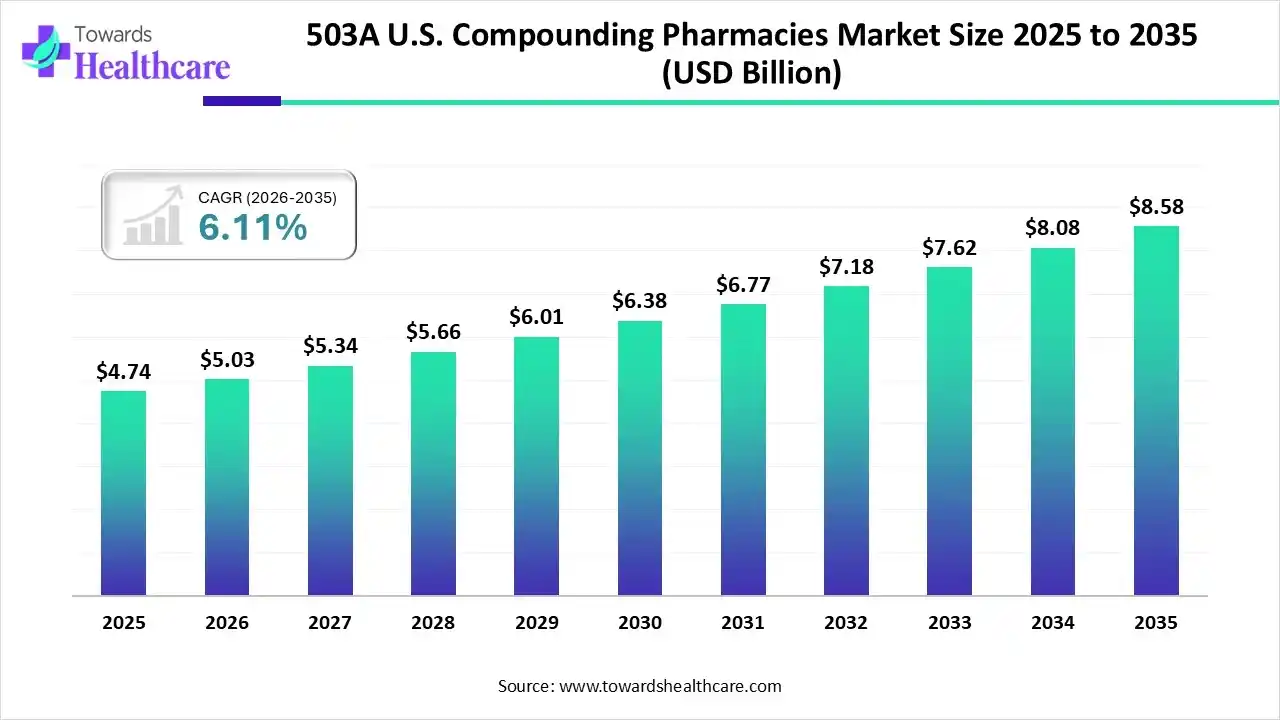
    The 503A U.S. compounding pharmacies market is projected to reach USD 8.58 billion by 2035, growing from USD 5.03 billion in 2026, at a CAGR of 6.11% during the forecast period from 2026 to 2035, increasing demand for personalized, convenient and accessible care.

     503A U.S. Compounding Pharmacies Market Trends and Growth (2026)

    Download Free Sample: https://www.towardshealthcare.com/download-sample/5070

    Legal Framework: 503A Requirements and Exemptions

    When compounding under 503A, some regulatory requirements that apply to conventional drugs are waived. Pharmacies are exempt from certain manufacturing standards such as Current Good Manufacturing Practice, labeling with adequate directions for use, and premarket approval for the compounded drug. These exemptions reduce the complexity compared to full-scale manufacturing, making patient-specific compounding more feasible.

    Despite these exemptions, 503A imposes strict conditions that pharmacies must meet. The drug must be compounded for a specific patient based on a valid prescription, or in limited amounts under narrowly defined conditions. Bulk drug substances must meet strict sourcing criteria, typically requiring an official monograph, inclusion in FDA-approved drugs, or placement on the approved bulks list. Compounded drugs cannot be essentially copies of commercially available drugs unless prescribed for significant patient-specific reasons. Pharmacies cannot promote specific compounded drugs and are restricted in interstate distribution. These rules ensure compliance and maintain patient safety.

    Why Regulatory Requirements Create a High Barrier to Entry

    The regulatory requirements impose substantial burdens on new or smaller pharmacies.

    Infrastructure and Quality Control Needs

    Even though 503A does not require full manufacturing compliance, compounding, especially sterile preparation, demands strict environmental control, proper storage of raw materials, validated procedures, and ongoing quality control. Many pharmacies follow standards such as USP <795> for nonsterile and USP <797> for sterile compounding. Meeting these standards requires specialized equipment, controlled environments, validated cleaning protocols, and regular monitoring. These capital and operational costs can be a major barrier for small pharmacies.

    Skilled Personnel and Training Requirements

    Compounding requires trained pharmacists who understand sterile technique, drug stability, proper labeling, recordkeeping, and patient-specific dosing. Maintaining compliance involves ongoing staff training, validation of processes, and meticulous documentation. Smaller pharmacies often lack the resources to hire or train enough qualified staff.

    Challenges for New Entrants

    New entrants in the 503A compounding market face several challenges. First, the financial burden is high. Establishing a compliant facility requires investment in clean rooms, equipment, monitoring systems, and sourcing verified drug substances. Second, regulatory compliance is complex and constantly evolving. Small pharmacies must stay updated on permitted bulk substances, monographs, distribution limits, and patient-specific prescription rules. Third, the business model is limited in scalability. 503A pharmacies cannot produce large batches or supply hospitals or clinics without prescriptions, restricting revenue potential. Fourth, risk management is demanding. Any lapse in sterility, documentation, or sourcing can lead to regulatory enforcement, product recalls, or shutdowns, which small pharmacies may not withstand.

    These challenges mean that newcomers must carefully plan their operations, invest substantially, and commit to rigorous ongoing compliance to survive in the market.

    Restrictions on Volume, Distribution, and Business Model

    503A pharmacies must focus on patient-specific prescriptions and cannot produce large batches for stock or office use. They cannot supply hospitals or clinics without prescriptions and face limits on interstate distribution. This restricts scalability and revenue potential, making profitability difficult for new entrants.

    Sourcing Constraints and Raw Material Compliance

    503A pharmacies can only use bulk substances that meet specific criteria. Newer or niche substances, including certain peptides, are often off-limits unless approved. This limits the ability of small pharmacies to innovate or offer specialized formulations.

    Regulatory Uncertainty and Compliance Risk

    The compliance landscape is dynamic. Approved substances, monographs, and guidance may change, meaning that a formulation compliant today may become noncompliant tomorrow. Small pharmacies face higher risk from such regulatory changes, including potential business disruption.

    Comparison: 503A vs. 503B: Why 503B Often Looks More Attractive for Scale?

    To fully understand why 503A presents a barrier for small entrants, it helps to consider the alternative: 503B outsourcing facilities.

    503B facilities operate under the same FD&C Act but are explicitly registered with the FDA. They are subject to more stringent regulations, including full compliance with current Good Manufacturing Practices, validated manufacturing processes, batch testing, and strict labeling and quality assurance protocols.

    503B facilities can compound drugs in large batches without individual patient-specific prescriptions and supply hospitals, clinics, and other healthcare providers. They can also distribute across state lines without the distribution restrictions that 503A pharmacies typically face.

    Because of these differences, 503B facilities have the scale and flexibility to act more like small manufacturers. They can produce larger volumes, spread fixed costs over many units, achieve economies of scale, and serve institutional customers rather than only individual patients. For many businesses, this model appears far more attractive from a growth and profitability standpoint.

    By contrast, 503A pharmacies remain focused on small-batch, patient-specific compounding, similar to craftsmen supplying bespoke goods rather than factories producing commodity items. For a large-scale, growth-oriented business, this model may not provide sufficient return on investment or scalability.

    Why Established Pharmacies Have a Competitive Edge

    Compliance under 503A favors established pharmacies. Experienced pharmacies have already invested in clean rooms, equipment, environmental controls, and trained staff. They have developed standard operating procedures, documentation systems, and inspection experience. They can absorb compliance risks and operate efficiently.

    New entrants face high upfront investment costs, lack institutional knowledge, and have limited ability to scale. Regulatory compliance, while essential for safety, creates a competitive advantage for established pharmacies while keeping smaller players out.

    Market Impact of Regulatory Compliance

    The 503A market tends to be dominated by well-established pharmacies. Distribution remains localized, and patients rely on individual pharmacies for personalized medications. Hospitals and clinics usually source drugs from 503B facilities, segmenting the market. Regulatory changes, including bulk substance approvals and interstate distribution rules, continue to shape opportunities and risks.

    Established pharmacies increasingly partner with 503B facilities for complex or sterile compounding. Partnerships help them meet specialized demand while maintaining compliance, but they require careful management and additional resources.

    Implications for New Entrants and Smaller Pharmacies

    New or small pharmacies must recognize the challenges: substantial upfront investment, rigorous compliance systems, limited scalability, and the need for ongoing regulatory awareness. Partnerships with outsourcing facilities may be necessary for sterile or hazardous compounding, but these add complexity. Starting a 503A pharmacy requires realistic planning, resources, and dedication to maintaining compliance.

    Importance of Regulatory Oversight

    Regulations are necessary to protect patient safety. Compounded drugs are not FDA-approved and have not undergone rigorous testing. Without strict rules on sourcing, compounding environment, and documentation, there is a significant risk of contamination, dosing errors, or substandard products. Regulatory oversight ensures quality, safety, and accountability in the compounding process.

    Access our exclusive, data-rich dashboard dedicated to the healthcare industry – built specifically for decision-makers, strategists, and industry leaders. The dashboard features comprehensive statistical data, segment-wise market breakdowns, regional performance shares, detailed company profiles, annual updates, and much more. From market sizing to competitive intelligence, this powerful tool is one-stop solution to your gateway.

    Access the Dashboard: https://www.towardshealthcare.com/access-dashboard

    Checkout 503A U.S. Compounding Pharmacies Market Report Now at: https://www.towardshealthcare.com/checkout/5070

    Become a valued research partner with us – https://www.towardshealthcare.com/schedule-meeting

    You can place an order or ask any questions, please feel free to contact us at sales@towardshealthcare.com

    Powering Healthcare Leaders with Real-Time Insights: https://www.towardshealthcare.com/healthcare-intelligence-platform

    Europe Region – +44 778 256 0738

    North America Region – +1 8044 4193 44

    APAC Region: +91 9356 9282 04

    Visit Our Website: https://www.towardshealthcare.com

    Find us on social platforms: LinkedInTwitterInstagram | Medium | Pinterest

  • 503A U.S. Compounding Pharmacies Market Expand Rapidly as Demand for Customized Medications Soars in 2025

    The 503A U.S. compounding pharmacies market is growing from USD 4.74 billion (2025) to an estimated USD 8.08 billion by 2034 (CAGR 6.11%), driven by demand for personalized, convenient, and accessible care for chronic and specialty conditions.
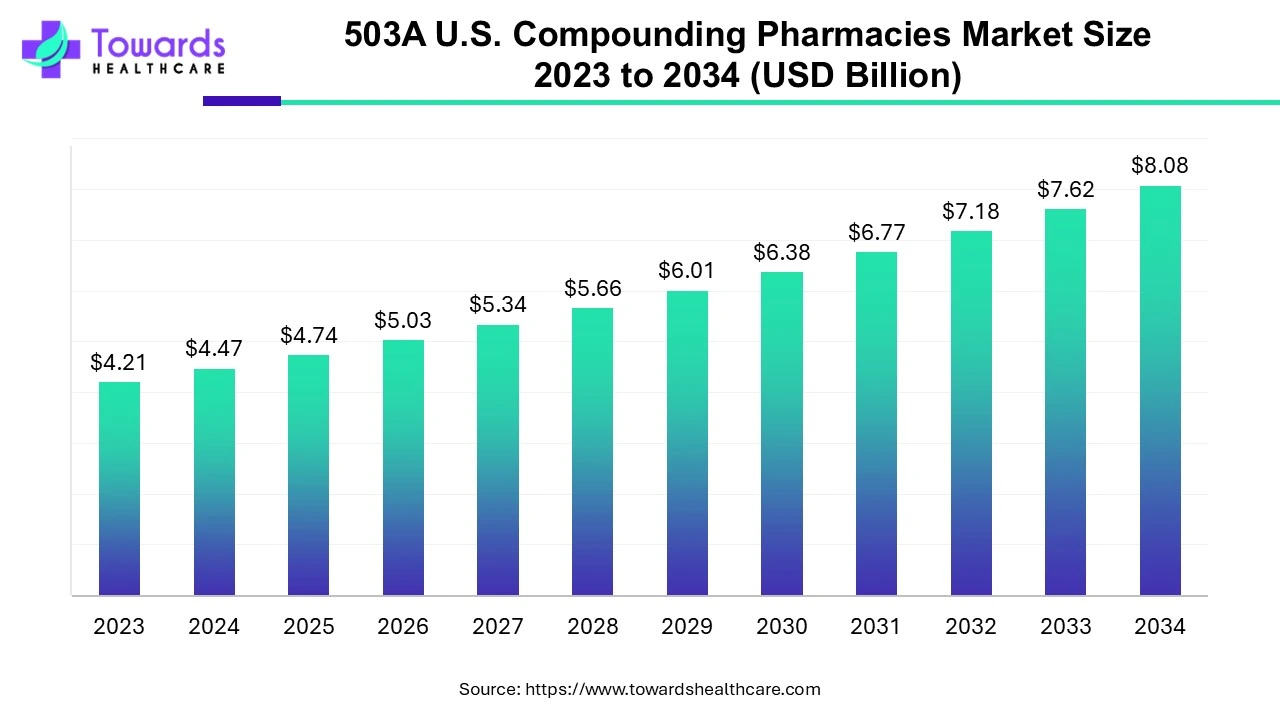
    503A U.S. Compounding Pharmacies Market  Size 2023 - 2034

    Market size

    Current baseline & projection
    • 2025 market size: USD 4.74B (base used in projection).
    • 2034 projected size: USD 8.08B — implies steady growth at 6.11% CAGR across 2025–2034.

    Market expansion components
    Volume growth — increasing prescriptions for personalized formulations (topicals, oral thin-films, rectal forms).
    Price / mix uplift — higher ASPs for specialty, patient-tailored, allergen-free, or complex compounded products.
    Service expansion — growth of veterinary compounding and niche therapy areas (HRT, pain management).

    Addressable patient population
    • Chronic disease prevalence (cardiovascular disease, cancer, diabetes) expands the potential user base. The report cites 859,000 annual CVD deaths, 1.7M cancer diagnoses, and 37.3M Americans with diabetes — all signals of a large, recurring medication need pool.

    Revenue drivers
    Repeat prescriptions for chronic conditions.
    High-value customized products (hormone replacement pellets/creams, topical pain cocktails, sterile injectables when patient-specific).
    Cross-sector demand (human + veterinary compounding).

    Cost drivers affecting market size
    • Capital investments for compliance (controlled environments for USP <797>/<800>), automation for sterile compounding, and robust QA systems.
    • Labor: licensed pharmacists and trained compounding technicians.
    • Raw material sourcing for niche APIs and excipients.

    Margins & unit economics
    • Higher gross margins on bespoke products (limited competition, premium pricing) but offset by compliance costs and specialized staff—net margin varies widely by firm size and service mix.

    Serviceable Available Market (SAM) vs. Total Addressable Market (TAM)
    TAM: All patients needing customized medications (human + veterinary).
    SAM: Patients in jurisdictions/states served by compliant 503A pharmacies and willing/able to pay or with reimbursement. Growth in wholesale platforms and partnerships expands SAM.

    Capital intensity & scale effects
    • Small 503A pharmacies face steep fixed costs (infrastructure, documentation). Larger networks/partners (or hybrid 503A–503B relationships) achieve scale advantages—reflected in consolidation and acquisitions.

    Forecast sensitivity
    • Market projection is sensitive to regulatory shifts (e.g., stricter USP updates), reimbursement/payer decisions, and adoption of automation/AI (which can compress costs and increase capacity).

    Takeaway
    • The market’s growth to USD 8.08B is a blend of increasing patient demand (chronic diseases + aging), higher value per prescription via personalization, and operational scaling by larger providers—tempered by regulatory and compliance costs.

    Market trends

    Consolidation & strategic M&A activity
    • Revelation Pharma’s acquisition of Cascade Specialty Pharmacy (Jan 2025) demonstrates vertical expansion into ENT and animal health compounding—a deliberate strategy to broaden therapeutic and veterinary portfolios.

    Brand unification & multi-channel operations
    • Empower’s rebrand (Feb 2025) and unification of 503A and 503B operations indicate a trend: firms are integrating 503A/503B capabilities for service breadth and brand clarity.

    Capacity expansion of sterile compounding
    • Empower’s new 503B facility in Houston (Mar 2025) increased sterile production capacity by >150% using automation/robots — signaling major investment to serve hospital/clinic sterile needs via outsourcing partners.

    Technology & software tailored to compounding
    • Fagron’s platform (Feb 2025) for workflow + patient-outcome tracking shows software is shifting from dispensing support to clinical outcomes and QA integration—improving compliance and demonstrating value to prescribers.

    Wholesale & distribution innovations
    • Sept 2024 coalition launched a national wholesale platform to streamline procurement for providers—reducing friction for order fulfillment and expanding compounding product reach.

    Veterinary compounding growth
    • Wedgewood adding molnupiravir and veterinary-focused mergers (2023 onward) highlight a rising veterinary compounding demand and cross-application of human antivirals to animal health.

    Regulatory pressure shaping business models
    • USP <795>/<797>/<800> updates and the 503A/503B distinction force capital investments, push for partnerships with 503B partners for sterile/hazardous compounding, and act as a barrier for small entrants.

    Product mix evolution
    • Oral remains dominant (2024), but rectal formulations forecast fastest growth — driven by targeted treatments for GI disorders and formulations tailored to patients who cannot use oral routes.

    Clinical focus shifts
    • Pain management holds significant share (2024) due to demand for topical multi-ingredient formulations; hormone replacement projected for highest CAGR due to aging population and demand for tailored HRT.

    Patient centricity & personalization
    • Personalized formulations (dose, carrier, allergen-free) and patient-preferred delivery forms (thin films, topicals) are central to market growth, improving adherence and perceived value.

    AI roles & impacts for 503A compounding pharmacies

    Automated formulation design & optimization
    • ML models analyze physicochemical properties and suggest excipient combinations and concentrations that maximize stability and bioavailability for patient-specific doses.

    Allergy & contraindication screening from EHR/Rx
    • NLP extracts patient data and cross-checks allergies, drug interactions, and prior adverse events to flag unsafe excipients or combinations before compounding.

    Predictive demand & inventory optimization
    • Time-series models forecast prescription volumes (by molecule/formulation) reducing stockouts of niche APIs and minimizing costly overstock of short-shelf APIs.

    Robotic compounding orchestration & quality control
    • AI controls robotic dispensing and mixing sequences, monitors in-process sensors (weight, viscosity, particulate counts), and halts runs if anomalies appear—improving precision and reducing cross-contamination risk.

    Stability & beyond-use date prediction
    • Models predict chemical/physical stability under specific excipients and storage conditions, enabling more accurate beyond-use dates and reducing waste or unsafe compounding.

    Sterile environment monitoring & anomaly detection
    • Computer vision and sensor fusion continuously monitor cleanroom parameters (particle counts, airflow, gowning compliance), with alerts and automated corrective suggestions.

    Personalized dosing algorithms
    • Using patient age, weight, comorbidities, and PK/PD models, AI proposes individualized dose ranges and compounding instructions for prescriber review—helpful for pediatrics or HRT titration.

    Regulatory compliance automation & audit trails
    • Intelligent documentation systems auto-generate batch records, chain-of-custody logs, and evidence for USP/FDA compliance—streamlining inspections and reducing manual error.

    Clinical outcome tracking & feedback loops
    • Platforms collect patient outcomes (pain scores, side effects) and feed models that correlate formulation variables with efficacy, guiding iterative improvement of formulations.

    Prescription intake & prior authorization automation
    • NLP intake systems parse physician notes, verify patient-specific prescription validity, and populate forms for payers when needed—reducing turnaround time and administrative burden.

    Net effect: AI can raise throughput, accuracy, and clinical value while lowering per-unit costs and compliance risk — but requires investment, validation, and careful regulatory alignment.

    Regional insights

    Florida
    Demographics & demand: Large aging population and retirement communities → elevated HRT and chronic pain management demand.
    Veterinary opportunity: High pet ownership and veterinary practices increase demand for veterinary compounding (e.g., Wedgewood’s veterinary interest).
    Regulatory landscape: State board practices and local compounding standards can vary, necessitating localized QA practices.

    California
    Scale & innovation hub: Large population plus proximity to biotech and digital health companies → earlier adoption of tech platforms (e.g., workflow/patient outcome software).
    High regulatory scrutiny & cost: Stricter enforcement and high operating costs push smaller pharmacies toward partnerships or niche differentiation.
    Telehealth forwarding: High telemedicine adoption supports remote prescribing for compounded products.

    Chicago (Illinois metropolitan area)
    Hospital and clinic concentration: Strong hospital networks increase demand for sterile, patient-specific injectable formulations via 503B partners when volumes are needed.
    Distribution node: Major logistics hubs ease supply chain for APIs and specialty packaging.

    New Jersey
    Pharma cluster influence: Proximity to pharma manufacturing drives API sourcing and workforce with specialized skills (sterile compounding, QC).
    Regulatory & compliance expertise: Access to legal and regulatory consultants helps firms navigate USP/FDA expectations.

    Pennsylvania
    Aging rural/urban mix: Both community pharmacy needs and specialty clinics; potential for niche outpatient compounding and pain management solutions.
    Institutional purchasers: Hospitals and specialty clinics in PA may favor 503B for bulk sterile needs—opportunity for 503A–503B partnerships.

    Rest of the U.S.
    Fragmentation & opportunity: Many states have underserved rural populations; local 503A pharmacies provide access to tailored medicines where commercial products are unavailable.
    Growth corridors: States with growing elderly populations and rising chronic disease burdens will be demand hotspots.

    Regional execution considerations
    State board variability: Differences in enforcement and guidance for 503A compounding require region-specific compliance playbooks.
    Distribution & logistics: Cold chain or controlled temperature distribution needs (e.g., for biologics or fragile APIs) vary regionally and affect unit economics.
    Partnership models: Where sterile or bulk needs exist, 503A players increasingly partner with 503B regional facilities to serve institutional customers.

    Market dynamics

    Growth drivers
    • Personalization demand for chronic disease management (CVD, cancer, diabetes) and aging population.
    • Novel delivery forms (oral thin-films, topical multi-ingredient blends) and increased acceptance by prescribers.

    Regulatory & compliance forces (key barrier)
    • USP <795>/<797>/<800> and state board rules require facilities, environmental controls, and documentation; significant capital and operational costs create high entry barriers.

    Supply-side constraints
    • API availability for niche compounds, specialized excipients, and the need for validated suppliers drive procurement complexity.
    • Skilled workforce shortage for sterile compounding and QA roles limits rapid scale-up.

    Technology adoption
    • Automation (robotics) and software platforms (e.g., compounding workflow + outcomes) increase capacity, reduce errors, and become competitive differentiators.

    Competitive structure & consolidation
    • Mix of small community 503A pharmacies and larger vertically integrated companies (that may also operate 503B). Acquisitions (e.g., Cascade by Revelation) and network formation (national wholesale platform) are consolidation trends.

    Price & reimbursement dynamics
    • Many compounded products are paid out-of-pocket or reimbursed variably—reimbursement uncertainty affects demand elasticity.
    • Direct-to-consumer pricing tools (like Optum’s PriceEdge for conventional meds) suggest payers and PBMs could increasingly influence compounded product uptake.

    Demand heterogeneity
    • Therapeutic concentration in pain management and rising CAGR in hormone replacement make certain segments more attractive for focused investment.

    Risk factors
    • Regulatory crackdowns or adverse safety events could suppress demand and increase compliance costs.
    • Supply chain disruptions for APIs or packaging materials.

    Opportunity spaces
    • Veterinary compounding, specialty niche formulations (rectal for GI conditions), HRT, and outcome-driven software services present high growth and margin opportunities.

    Strategic implications
    • Successful players combine regulatory proficiency, clinical outcome evidence, tech-enabled workflows, and selective scale (or partner models) to compete profitably.

    Top 10 companies
    503A U.S. Compounding Pharmacies Market Companies

    Triangle Compounding
    Product/Overview: Traditional compounding pharmacy offering customized human medications (oral, topical).
    Strengths: Localized patient focus, clinician relationships, agility to produce niche formulations quickly.

    Fagron
    Product/Overview: Global compounding supplier and software/platform provider (recently introduced a 503A-tailored platform).
    Strengths: Technology integration for workflow + outcomes, supply chain breadth for excipients/APIs, scale in compounding support services.

    B. Braun SE
    Product/Overview: Large medical device/pharmaceutical company with compounding/sterile solutions and equipment.
    Strengths: Manufacturing experience, sterile systems expertise, global QA standards, ability to supply institutional customers.

    Pencol Specialty Pharmacy
    Product/Overview: Niche specialty and compounding services, likely catering to specialty therapeutic areas.
    Strengths: Specialty pharmacy capabilities, patient support programs, clinical services around complex therapies.

    Vertisis Custom Pharmacy
    Product/Overview: Custom compounding pharmacy focusing on personalized human formulations.
    Strengths: Customization, clinician partnerships, possible regional expertise.

    Optum Inc
    Product/Overview: Large health services company; provides tools like PriceEdge for pricing transparency and has pharmacy services.
    Strengths: Data & payer reach, pricing tools, integration with pharmacy benefit management and wide distribution channels.

    Pavilion Compounding Pharmacy, LLC.
    Product/Overview: Compounding pharmacy serving human patients with custom formulations.
    Strengths: Clinical focus, potential regional network, patient service models.

    Village Compounding Pharmacy
    Product/Overview: Community-oriented compounding provider with human and possibly veterinary lines.
    Strengths: Local clinician ties, rapid turnaround for patient-specific prescriptions.

    McGuff Compounding Pharmacy
    Product/Overview: Compounding and specialty pharmacy operation.
    Strengths: Experience in complex formulations and possibly lab/sterile capabilities.

    Wedgewood Pharmacy
    Product/Overview: Strong presence in veterinary compounding and human compounding; formulary additions such as molnupiravir for veterinary use noted.
    Strengths: Veterinary expertise, formulary development, mergers that expanded service capability and speed.

    Overall note: Strengths split across these firms include technology platforms (Fagron, Optum), institutional scale and sterile capability (B. Braun, Empower from trends), clinical/veterinary specialization (Wedgewood), and agility/local service (Triangle, Village, Pavilion).

    Latest announcements

    Empower corporate rebrand & unification (Feb 2025)
    What happened: Empower introduced a new corporate logo and unified its 503A compounding pharmacy and 503B outsourcing facilities under one brand.
    Strategic implications: Improves market clarity, facilitates cross-selling between retail/patient-specific and larger outsourcing services, and signals strategic intention to be a full-spectrum compounding provider.

    Revelation Pharma acquires Cascade Specialty Pharmacy (Jan 2025)
    What happened: Acquisition to integrate ENT and Animal Health compounding into Revelation’s portfolio.
    Strategic implications: Expands therapeutic reach (ENT), adds veterinary capabilities, and strengthens Revelation’s compounding network—illustrative of consolidation and diversification.

    LRockRx opens new 503A facility in Little Rock (Dec 2024)
    What happened: New facility expected to create ~100 jobs, average salary ~$100,000.
    Strategic implications: Regional investment increases local access, creates high-skilled jobs, and signals confidence in market growth.

    Empower opens second 503B in Houston (Mar 2025)
    What happened: New 503B facility expanded sterile manufacturing capacity by >150%, using automation and robotics.
    Strategic implications: Enhances sterile outsourcing capacity for hospitals/clinics, and shows the interplay between 503A retail compounding and 503B bulk sterile supply.

    Fagron launches a 503A compounding software platform (Feb 2025)
    What happened: Platform pairs compounding workflow management with patient outcome tracking.
    Strategic implications: Increased emphasis on measurable clinical outcomes and QA; can be a competitive differentiator for pharmacies showing real-world effectiveness.

    Industry educational pieces & guidance (Nov 2024)
    What happened: PharmD candidates and pharmacists published guidance distinguishing 503A vs 503B and advising collaboration strategies amid USP updates.
    Strategic implications: Knowledge sharing encourages partnerships and risk mitigation strategies for sterile/hazardous compounding.

    Recent developments

    National wholesale platform launched (Sept 2024)
    Detail: Coalition of 503A/503B pharmacies created a national wholesale ordering platform to simplify procurement for providers—improves ordering reliability and reach for smaller clinics.

    Wedgewood formulary additions & veterinary focus (Sept 2024 onward)
    Detail: Wedgewood added molnupiravir to its formulary; merged with veterinary prescription management to speed service—shows rising veterinary and infectious-disease related compounding.

    Mergers & partnerships to widen service scope (2023–2025)
    Detail: Several small/medium players have merged or been acquired (e.g., Cascade by Revelation), indicating consolidation and network building.

    Technology & automation investments
    Detail: Empower’s robotic sterile capacity expansion and Fagron’s software point to a dual trend: physical automation + digital workflow/clinical data.

    Clinical/therapeutic shifts
    Detail: Pain management dominated share (2024); hormone replacement sees fastest projected growth due to aging demographics.

    Segments covered

    By product

    Oral (Dominant, 2024): High patient acceptance — includes liquids, capsules, thin films. Advantages: portability, taste/appearance customization, high compliance. Compounding focus: allergens removal, dose adjustments (pediatrics/elderly), flavored suspensions.
    Liquid Preparations: Useful for pediatric and geriatric patients; stability and preservative issues require tight QA.
    Topical: Widely used in pain management (multi-ingredient creams); benefits: targeted delivery, reduced systemic exposure. Challenges: absorption variability, homogeneity of active distribution.
    Rectal (Fastest growth forecast): Indicated for local GI therapy (IBD) and for patients unable to use oral route. Compounding benefits include precise local dosing and combinations of anti-inflammatories. Manufacturing challenge: patient acceptability and formulation stability.
    Ophthalmic / Nasal / Otic: Specialized sterile or preservative-free formulations needed; high regulatory scrutiny for sterility. Nasal delivery increasingly used for systemic rapid onset or local therapies.

    By sterility

    Sterile: Higher capital and compliance demands (cleanrooms, laminar flow, validated aseptic processes). Sterile compounding is often routed through 503B partners for higher volumes.
    Non-Sterile: Lower infrastructure needs; commonly used for topicals, many oral formulations.

    By therapeutic area

    Hormone replacement: Fastest projected CAGR; requires titration and tailored dosing for individual hormonal needs. Market driven by aging population and tailored HRT regimens.
    Pain management: Significant share (2024); multi-ingredient topical creams and bespoke oral pain regimens popular due to cost-effectiveness and avoidance of systemic opioid side effects.
    Dermatology / Pediatrics / Urology / Others: Each area leverages compounding for formulations not commercially available, allergy avoidance, or pediatric dosing.

    By end-user

    Oral (Patients): Direct patient prescriptions dominate 503A.
    Hospitals & Clinics / Specialty Clinics: More sterile and higher-complexity demands; often satisfied via 503B outsourcing for volume/sterility.
    Other: Veterinary clinics and specialty care providers.

    By geography

    Florida / California / Chicago / New Jersey / Pennsylvania / Rest of U.S.: Regional demand drivers discussed in Regional Insights section.

    Top 5 FAQs

    1. Q: What is the projected size of the U.S. 503A compounding pharmacies market?
      A: The market is projected to grow from USD 4.74 billion (2025) to USD 8.08 billion by 2034, at a 6.11% CAGR for 2025–2034.

    2. Q: Which product type currently dominates the market and which will grow fastest?
      A: Oral products held a dominant presence in 2024. Rectal products are projected to expand the fastest over the forecast period due to needs in GI and local therapies.

    3. Q: What therapeutic areas are most important in this market?
      A: Pain management was a significant market shareholder in 2024; hormone replacement therapy (HRT) is expected to grow with the highest CAGR due to an aging population demand.

    4. Q: How do 503A pharmacies differ from 503B outsourcing facilities?
      A: 503A pharmacies compound patient-specific prescriptions for individual patients and generally do not produce large batches or office-use stock; 503B facilities can produce larger batches for office use and are subject to outsourcing facility regulations—leading many 503A pharmacies to partner with 503B providers for sterile/hazardous or bulk needs.

    5. Q: What are the main barriers to entering the 503A compounding market?
      A: Regulatory compliance (USP standards, state board rules), capital investments in controlled environments, staffing and quality systems, and validated supplier channels—these make entry expensive and complex for newcomers.

    Access the Dashboard: https://www.towardshealthcare.com/access-dashboard

    Immediate Delivery Available | Buy This Premium Research @ https://www.towardshealthcare.com/price/5070

    Become a valued research partner with us – https://www.towardshealthcare.com/schedule-meeting

    You can place an order or ask any questions, please feel free to contact us at sales@towardshealthcare.com

    Powering Healthcare Leaders with Real-Time Insights: https://www.towardshealthcare.com/healthcare-intelligence-platform

    Europe Region – +44 778 256 0738

    North America Region – +1 8044 4193 44

    APAC Region: +91 9356 9282 04

    Web: https://www.towardshealthcare.com

    Find us on social platforms: LinkedInTwitterInstagram | Medium | Pinterest

  • 503A U.S. Compounding Pharmacies Market to Surpass Around USD 7.18 Billion By 2032

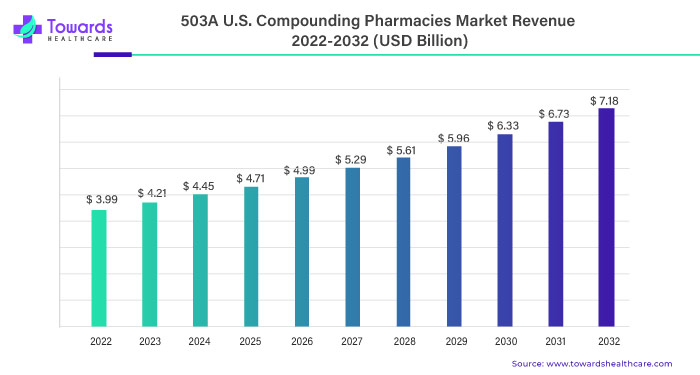
    In the realm of healthcare, the 503A U.S. compounding pharmacies market is on the brink of an impressive expansion. Foreseen to elevate from USD 3.99 billion in 2022, the market is projected to experience a substantial 6.11% Compound Annual Growth Rate (CAGR) from 2023 to 2032. This growth trajectory is anticipated to culminate in an estimated market valuation of USD 7.18 billion by the year 2032.

    https://www.towardshealthcare.com/insightimg/503a-us-compounding-pharmacies-market-revenue.jpg

    Let’s explore the catalysts propelling this ascent, primarily driven by the escalating demand for personalized, convenient, and accessible healthcare.

    Crafting a New Narrative: Dynamics of the 503A U.S. Compounding Pharmacies Market

    1. Personalized Care on the Rise: Meeting Demand Through Compounding

    The driving force behind the market’s noteworthy growth is the surging demand for personalized healthcare solutions. 503A U.S. compounding pharmacies market, through their ability to tailor medications to individual needs, are playing a pivotal role in meeting this demand. As patients increasingly seek customized and patient-centric care, compounding pharmacies are emerging as a cornerstone of the evolving healthcare landscape.

    2. Convenience as a Cornerstone: Redefining Patient Experience

    In an era where convenience is paramount, compounding pharmacies are redefining the patient experience. Offering tailored medications in accessible and convenient formats, these pharmacies are becoming the go-to solution for those seeking a more personalized and hassle-free healthcare experience. This emphasis on convenience is a key driver propelling the market’s growth.

    3. Accessible Healthcare for All: A Driving Force

    The call for accessible healthcare is resonating louder than ever, and 503A U.S. compounding pharmacies market are stepping up to the challenge. By providing compounded medications that cater to specific patient needs, these pharmacies are contributing to a healthcare ecosystem that is inclusive and accessible to a broader demographic. This commitment to making healthcare available to all is fostering the market’s expansion.

    How and Why 503A U.S. Compounding Pharmacies Market are Booming?

    503A facility expansion in the U.S. is facilitated by the widespread use of branded off-label prescription counterparts. Even when a patient’s prescribed medication is unavailable or has been discontinued, these pharmacies can still provide it. Previously, 503A has focused on developing different topical cream treatments for pain management and altering the way other pharmaceuticals are administered. Compounding pharmacies that are 503As are not subject to the same production-related rules as 503Bs. These facilities are only allowed to dispense for home use and are not allowed to compound large quantities, which could lower the cost of the product.

    The Role of Growing Need for Personalized, Convenient, and Accessible Care

    The growing need for personalized, convenient, and accessible care exclusively stimulates the growth of the 503A U.S. compounding pharmacies market. There has been a huge surge in the demand for treatments associated with chronic diseases in recent years. Chronic illnesses like cancer, heart disease, and diabetes are major detrimental and fatal conditions in the United States. The $4.1 trillion in annual healthcare costs for the United States are also largely attributed to them, reported as of July 2022.

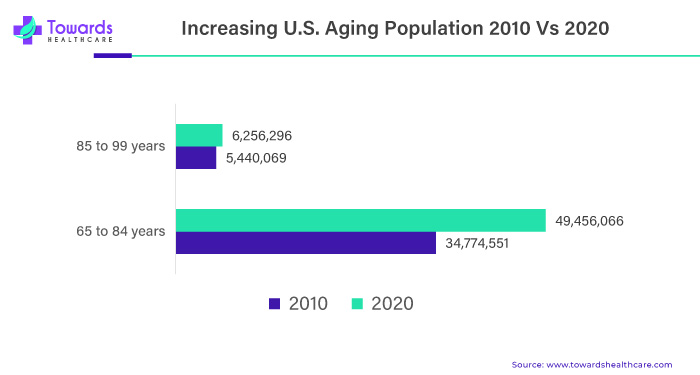
    Increasing U.S. Aging Population 2010 Vs 2020

    In addition, cardiovascular diseases significantly impact the United States, causing approximately 1 in 3 deaths, which amounts to more than 859,000 individuals each year. Cancer also poses a significant health challenge, with approximately 1.7 million people being diagnosed with the disease annually. Furthermore, diabetes is a prevalent condition affecting a large population, with an estimated 37.3 million Americans currently living with the disease. These statistics highlight the magnitude of these health concerns and the need for effective prevention, diagnosis, and treatment strategies to improve public health outcomes. This significantly thrives the demand for personalized, convenient, and accessible care.

    Moreover, a surge in the demand for extensive medical requirements as a result of the increasing aging population across the U.S. flourishes the market growth.

    Compounding pharmacies can provide access to specialized medications that may not be commercially available or suitable for every patient. This customization helps individuals maintain a healthy lifestyle and prevent adverse reactions or complications associated with standardized medications. The increasing awareness of the importance of a healthy lifestyle and a growing focus on preventive healthcare are significant driving factors for the rise of compounding pharmacies. As more people recognize the value of maintaining good health and taking proactive measures to prevent illness, there is a growing demand for personalized healthcare solutions.

    Regulatory Compliance is a Key Barrier to Entry in the 503A U.S. Compounding Pharmacies Market

    Regulatory compliance is a major barrier for new entrants and smaller compounding pharmacies in the US market. The industry is heavily regulated by authorities like the FDA to ensure the safety and quality of compounded medications. To comply with regulations, pharmacies must make substantial investments in infrastructure, quality control systems, staff training, and documentation. This can be particularly difficult for newcomers and smaller players with limited resources.

    Oral Medications are at the Forefront and Rectal Medications are to Boom in the Upcoming Years

    A new idea in healthcare is personalized medicine, which tailors treatments to each patient’s particular needs and circumstances. Oral compounding pharmacies are essential in providing patients with individualized pharmaceuticals that are suited to their particular needs, such as precise doses or formulas free of allergens, in order to meet this need. In addition, improvements in pharmaceutical compounding technology and equipment have increased the process’ effectiveness and precision. Thanks to automated processes and cutting-edge compounding equipment, compound pharmaceuticals are now produced more effectively and of higher quality.

    Furthermore, oral systems for drug delivery are becoming more and more common due to their benefits over conventional drug administration techniques, including their larger surface area, precise medication, and appealing color and flavor. Thin-film medications are said to be preferred by both patients and doctors because they are more patient-friendly and yield excellent results. Oral medications are portable and simple to store, and they have a high rate of patient compliance. They also provide precise and accurate dosage while accomplishing the desired results. As a result, the market has seen a noticeable growth. Due to their high acceptance and incredible benefits, oral medications have experienced explosive growth in the market.

    On the other hand, rectal medications are projected to exhibit the fastest growth over the forecast period in the 503A U.S. compounding pharmacies market. One of the many conditions that may benefit from compounded medications is inflammatory bowel disease, along with hemorrhoids, anal fissures, and other conditions. Some people may not be able to use commercially available medications due to allergies, intolerances, or specific medical requirements. Moreover, compounding pharmacies can alter medications to meet these particular needs by providing alternatives like rectal suppositories, lotions, or ointments.

    Patients who experience rectal issues might require medications in specific dosages, concentrations, or combinations that are uncommon in commercially produced goods. Compound medications can offer precise answers for these patients, potentially enhancing patient compliance and treatment efficacy. When Crohn’s disease or ulcerative colitis affects the rectum, compounding chemists can create specialized anti-inflammatory drug formulations to more effectively target the affected area.

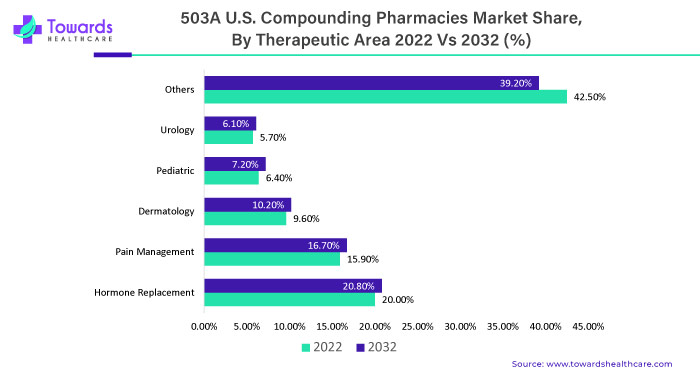
    503A U.S. Compounding Pharmacies Market Share, By Therapeutic Area, 2022 Vs 2032 (%)

    Other Segments in the Therapeutic Area Accounted for the Largest Market Share

    By the therapeutic area, the others segment accounted for the largest revenue shareholder in the year 2022. Others include oncology, hematology, dentistry, and others. Cancer sufferers are more difficult to live with than the cancer itself. The International Diabetes Federation (IDF) estimates that there will be 537 million adult diabetics worldwide in 2021, and that figure will rise to 643 million by 2030.

    The main contributors to the rise in newly diagnosed Type 1 and Type 2 diabetes cases are obesity, a poor diet, and a lack of exercise. Anti-diabetic medicine consumption is on the rise, as evidenced by the fast-rising incidence, prevalence, and cost of treating diabetes patients globally. Over time, technological developments and improvements have grown, which has resulted in a number of changes to pharmaceuticals or formulations being created. Compounding pharmacies for autism provide drugs that are either not readily accessible commercially or may need particular formulas.

    Charting the Course Ahead: The Trajectory of the 503A U.S. Compounding Pharmacies Market

    As we navigate the evolving landscape of healthcare, the 503A U.S. compounding pharmacies market stands as a beacon of growth. Fueled by the increasing demand for personalized, convenient, and accessible care, this market is set to redefine the healthcare narrative. Stakeholders in the industry must align their strategies with these transformative trends to capitalize on the full potential of this burgeoning market.

    On the other hand, hormone replacement accounted for the fastest-growing segment over the forecast period. With an aging population in the United States, people are turning to HRT to decrease side effects including hot flashes and pain and, in certain circumstances, to slow the progression of cancer. In the United States, the rising prevalence of breast cancer has raised the demand for hormone replacement treatment.

    Recent Developments

    • In June 2023, Wedgewood Pharmacy, a veterinary compounding pharmacy announced its merger with a pharmacy services and prescription management veterinary company to avail rapid services to their customers
    • In January 2023, Optum introduced a pricing comparison tool named PriceEdge, which was made directly available to the customer. To guarantee that members always pay the least for their prescription medications, direct-to-consumer pricing for conventional generic medications is combined with insurance pricing. Every Optum Rx customer has access to Price Edge.
    • In November 2020, B Braun established a strategic partnership with Grifols to combine Grifols’ automated compounding portfolio with B Braun’s Safe Infusion Systems to guarantee the security of automated drug delivery.

    Major Market Players:

    • Triangle Compounding
    • Fagron
    • B. Braun SE
    • Pencol Specialty Pharmacy
    • Vertisis Custom Pharmacy
    • Optum Inc
    • Pavilion Compounding Pharmacy, LLC.
    • Village Compounding Pharmacy
    • McGuff Compounding Pharmacy
    • Wedgewood Pharmacy

    Market Segments:

    By Product

    • Oral
    • Liquid Preparations
    • Topical
    • Rectal
    • Ophthalmic
    • Nasal
    • Otic

    By Sterility

    • Sterile
    • Non-Sterile

    By Therapeutic Area

    • Hormone replacement
    • Pain management
    • Dermatology
    • Pediatrics
    • Urology
    • Others

    By End-User

    • Oral
    • Hospitals and Clinics
    • Specialty Clinics
    • Other

    By State

    • Florida
    • California
    • Chicago
    • New Jersey
    • Pennsylvania
    • Rest of the U.S