Tag: AI in Drug Discovery Market

  • $174 Billion by 2035; Is Drug Discovery Entering Its Smartest Era Yet?

  • Can AI Solve the Drug Discovery Crisis the Industry Has Struggled With for Decades?

    Can AI Solve the Drug Discovery Crisis the Industry Has Struggled With for Decades?

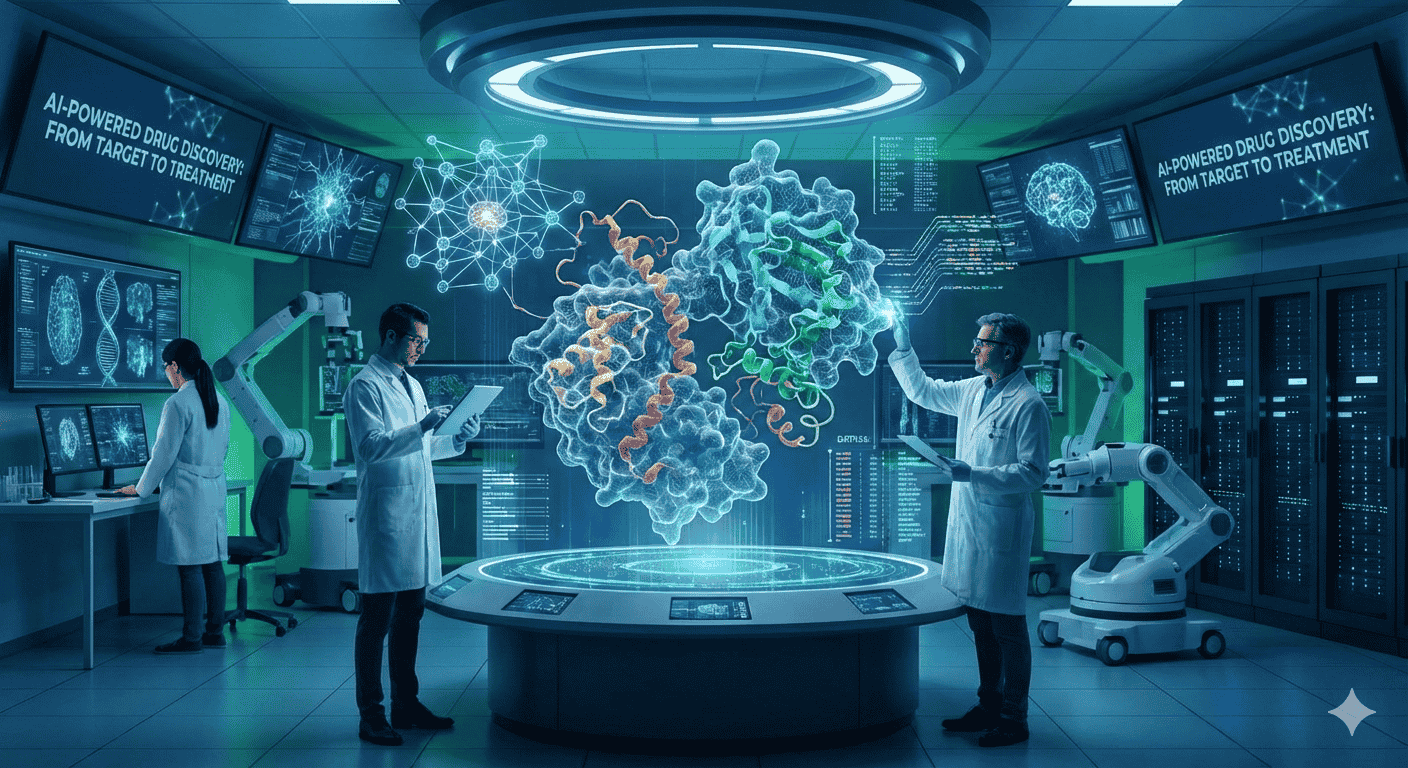
    The drug discovery industry is standing at one of its most defining crossroads. For decades, pharmaceutical innovation followed a familiar pattern, long research timelines, high attrition rates, ballooning costs, and an uncomfortable dependence on trial-and-error science. Today, that pattern is breaking. Artificial intelligence is no longer a peripheral experiment inside research labs; it is becoming the engine that reshapes how new medicines are imagined, designed, tested, and delivered.

    The global AI in drug discovery market reflects this transformation clearly. Valued at nearly USD 19.9 billion in 2025, the market is on track to exceed USD 24.5 billion by 2026 and surge toward USD 160.5 billion by 2035. These numbers are not driven by hype cycles or speculative technology optimism. They are the outcome of tangible shifts in how science, data, and decision-making now intersect.

    AI in Drug Discovery Market Trends and Growth (2026)

    𝐃𝐨𝐰𝐧𝐥𝐨𝐚𝐝 𝐅𝐫𝐞𝐞 𝐒𝐚𝐦𝐩𝐥𝐞: https://www.towardshealthcare.com/download-sample/5010

    What makes this moment particularly important is not just the speed of growth, but the structural change underway. AI is not merely accelerating existing workflows. It is redefining what is scientifically possible and economically viable in drug discovery.

    Why Drug Discovery Could No Longer Afford to Stay Human-Only

    Drug discovery has always been a high-risk endeavor. Developing a single new medicine often takes more than a decade and costs upwards of USD 2.6 billion. Even then, fewer than one in ten drug candidates survive clinical trials to reach the market. This imbalance between effort and outcome has placed unsustainable pressure on pharmaceutical companies, healthcare systems, and patients alike.

    At the same time, the global burden of disease has grown heavier. Chronic conditions such as cancer, cardiovascular disease, diabetes, and neurological disorders continue to rise across both developed and emerging economies. Traditional research models simply cannot keep pace with this demand.

    AI entered this landscape not as a replacement for scientists, but as a response to scale. Biological systems generate massive volumes of data-genomic sequences, protein structures, chemical libraries, patient histories, imaging scans, and real-world evidence. Human cognition alone cannot process this complexity efficiently. AI can.

    By analyzing patterns across millions of variables simultaneously, AI systems uncover relationships that remain invisible to conventional methods. This ability changes the very starting point of drug discovery, allowing researchers to move from blind screening toward informed design.

    From Data Overload to Scientific Clarity

    One of the most profound contributions of AI lies in its ability to convert overwhelming data into actionable insight. In early drug discovery, researchers traditionally screened vast libraries of molecules in search of a few promising hits. This process consumed years and produced limited success.

    AI models now predict which molecules are most likely to bind to a biological target before a single experiment begins. They assess molecular properties, toxicity risks, bioavailability, and efficacy in silico. This shift does not eliminate laboratory work; it ensures that laboratory work starts with better questions.

    The impact becomes even clearer in structure-based drug design. Rather than synthesizing hundreds of compounds through trial and error, AI guides chemists toward optimized candidates with a higher probability of success. This refinement reduces waste, shortens timelines, and lowers costs without compromising scientific rigor.

    Clinical Trials No Longer Move Blindly

    Clinical trials remain one of the most expensive and failure-prone phases of drug development. Poor patient selection, inadequate trial design, and late-stage safety failures account for a significant share of attrition.

    AI has begun to change this reality. By analyzing historical trial data, patient genomics, imaging, and real-world outcomes, AI systems help identify patient subgroups most likely to respond to a therapy. They predict adverse effects earlier and refine trial protocols before enrollment begins.

    The result is not just faster trials, but smarter ones. AI reduces uncertainty, increases statistical power, and improves decision-making at every stage of clinical development. For an industry accustomed to late-stage surprises, this predictive capability is transformative.

    Oncology Emerges as the Natural Starting Point

    Cancer research has become the proving ground for AI-driven drug discovery. Oncology generates complex, multi-dimensional data that aligns naturally with AI’s strengths. Tumor heterogeneity, genetic mutations, treatment resistance, and patient variability create a problem space too large for traditional analysis.

    AI systems excel in this environment. They detect subtle patterns in imaging scans, identify novel therapeutic targets, and match treatments to individual patient profiles. In some cases, AI has identified early signs of cancer in medical images that trained radiologists missed.

    This precision approach has moved oncology toward more personalized and adaptive therapies. AI-driven platforms now support everything from target identification to combination therapy design, making cancer treatment more responsive and effective.

    Infectious and Neurological Diseases Gain Momentum

    While oncology leads in adoption, infectious disease research is emerging as a fast-growing application area. AI played a visible role during recent global health crises by accelerating vaccine design, modeling disease spread, and identifying potential antiviral compounds.

    In neurology, where disease mechanisms remain poorly understood and clinical failure rates are high, AI offers a new analytical lens. By integrating genetic data, imaging, and longitudinal patient records, AI helps unravel complex neurological pathways and supports earlier intervention strategies.

    These application areas demonstrate that AI’s value extends beyond speed. It enables research in domains that previously faced scientific stagnation.

    Checkout AI in Drug Discovery Market Report Now at: https://www.towardshealthcare.com/checkout/5010

    The Rise of De Novo Drug Design

    One of the most disruptive capabilities of AI lies in de novo drug design. Instead of optimizing existing molecules, AI systems generate entirely new chemical structures tailored to specific targets. This approach expands the chemical universe beyond what human intuition can explore.

    Generative AI models design molecules with predefined properties, reducing the need for iterative synthesis cycles. These systems evaluate millions of possibilities in silico, selecting candidates that balance efficacy, safety, and manufacturability.

    As adoption grows, de novo design is expected to become one of the fastest-growing segments within AI-driven drug discovery. It represents a shift from incremental innovation to computational creativity guided by biological constraints.

    Who Builds the AI Brain of Drug Discovery

    The AI in drug discovery ecosystem functions through collaboration. Technology providers develop algorithms and platforms that process biological data at scale. Pharmaceutical companies integrate these tools into R&D pipelines. Research institutions validate predictions through experimental science.

    This interplay has created a new innovation model. AI-first biotechnology companies now emerge with computational platforms at their core, rather than as add-ons. These organizations adopt AI deeply, using it across target discovery, molecule design, and clinical planning.

    Traditional pharmaceutical companies, while more cautious, continue to expand their AI capabilities through partnerships, acquisitions, and internal digital transformation programs. Over time, the gap between AI-native firms and legacy organizations has become a defining competitive factor.

    North America Sets the Pace, Asia Pacific Gains Speed

    Geographically, North America remains the largest market for AI in drug discovery. Early adoption, strong funding ecosystems, mature pharmaceutical infrastructure, and regulatory openness have positioned the region as a global leader.

    The United States and Canada continue to attract investment into AI-driven biotech startups while supporting large-scale collaborations between academia and industry. Government initiatives and research funding further reinforce this momentum.

    Asia Pacific, however, represents the fastest-growing region. China, India, and Southeast Asian countries are expanding clinical research capabilities, modernizing regulatory frameworks, and supporting AI-driven innovation. The rapid growth of biotech startups and access to large patient datasets accelerate AI integration across the region.

    Europe maintains steady growth driven by precision medicine initiatives, strong research institutions, and supportive regulatory structures. The Middle East, Africa, and Latin America, though smaller in market size, show rising adoption supported by government investment and international partnerships.

    The Economics Behind the AI Surge

    The financial case for AI in drug discovery grows stronger each year. AI reduces R&D timelines, improves success rates, and lowers overall development costs. In an industry where a single late-stage failure can erase billions in investment, predictive intelligence offers measurable risk reduction.

    AI also enables drug repurposing strategies, identifying new therapeutic uses for existing molecules. This approach shortens development cycles and improves return on investment, particularly for rare and underserved diseases.

    Investors recognize this value. Funding flows into AI-driven drug discovery platforms continue to rise, supporting both early-stage innovation and late-stage clinical development.

    Barriers That Still Demand Attention

    Despite its promise, AI in drug discovery faces real challenges. High technology costs limit accessibility for smaller organizations and emerging markets. Data quality and availability remain uneven, affecting model performance and transparency.

    Ethical concerns around data security, bias, and accountability persist. Researchers also express caution about over-reliance on black-box models without clear interpretability. Addressing these issues requires collaboration between technologists, regulators, and scientific communities.

    Importantly, AI does not eliminate failure. It shifts probabilities, improves decision-making, and reduces waste, but uncertainty remains inherent in biological systems. Understanding AI as an augmentative tool rather than a miracle solution is critical for sustainable adoption.

    A Maturing Market Moves Beyond Experimentation

    The AI in drug discovery market has moved past its exploratory phase. What once began as pilot projects and proof-of-concept studies now shapes core R&D strategies. Pharmaceutical companies increasingly view AI readiness as a measure of future competitiveness.

    AI maturity varies across organizations, with some leading in integration and others still building foundational capabilities. This disparity influences pipeline productivity, time-to-market, and long-term valuation.

    Over the next decade, AI adoption will no longer be optional. It will define how efficiently companies translate science into medicine.

    Looking Ahead: A Different Definition of Discovery

    The most important change AI brings to drug discovery is philosophical. It shifts the process from reactive experimentation to proactive design. Instead of asking what might work, researchers increasingly ask what is most likely to work, and why.

    As AI systems grow more sophisticated, they will integrate biological insight with real-world patient data, enabling therapies designed for specific populations and disease subtypes. Personalized medicine will move from aspiration to operational reality.

    The next generation of medicines will emerge from a partnership between human creativity and machine intelligence. Scientists will continue to ask the right questions. AI will help answer them faster, deeper, and with greater confidence.

    In hindsight, this period may be remembered not as the era when AI entered drug discovery, but as the moment when drug discovery finally caught up with the complexity of human biology.

    Access our exclusive, data-rich dashboard dedicated to the healthcare IT market – built specifically for decision-makers, strategists, and industry leaders. The dashboard features comprehensive statistical data, segment-wise market breakdowns, regional performance shares, detailed company profiles, annual updates, and much more. From market sizing to competitive intelligence, this powerful tool is one-stop solution to your gateway.

    Access the Dashboard: https://www.towardshealthcare.com/access-dashboard

    Checkout AI in Drug Discovery Market Report Now at: https://www.towardshealthcare.com/checkout/5010

    Become a valued research partner with us – https://www.towardshealthcare.com/schedule-meeting

    You can place an order or ask any questions, please feel free to contact us at sales@towardshealthcare.com

    Powering Healthcare Leaders with Real-Time Insights: https://www.towardshealthcare.com/healthcare-intelligence-platform

    Europe Region – +44 778 256 0738

    North America Region – +1 8044 4193 44

    APAC Region: +91 9356 9282 04

    Visit Our Website: https://www.towardshealthcare.com

    Find us on social platforms: LinkedInTwitterInstagram | Medium | Pinterest

  • AI in Drug Discovery Market Growth, Top Companies, Segments and Latest Insights 2025

    AI in Drug Discovery Market Growth, Top Companies, Segments and Latest Insights 2025

    The global AI in Drug Discovery Market was valued at USD 19.89 billion in 2025 and is projected to grow to USD 133.92 billion by 2034 (CAGR 23.22% from 2024–2034), driven by AI’s ability to shorten R&D cycles, reduce costs, improve target identification and enable precision/repurposing strategies.

    AI in Drug Discovery Market Size 2024 to 2034

    Download the free sample and get the complete insights and forecasts report on this market @ https://www.towardshealthcare.com/download-sample/5010

    Market size

    2025 baseline and long-term projection

    ◉Market size: USD 19.89 billion (2025).

    ◉Forecast: USD 133.92 billion (2034) — implies aggressive expansion as AI penetrates discovery and preclinical/clinical workflows.

    Compound Annual Growth Rate (CAGR)

    ◉Stated CAGR: 23.22% (2024–2034) — consistent with rapid adoption, high venture funding and integration with cloud/computational infrastructure.

    Regional contribution (snapshot & growth pattern)

    ◉North America dominates the absolute market (North America USD 11.32B in 2025, rising to USD 74.81B in 2034), indicating large incumbents, deep R&D budgets and cloud/AI infrastructure.

    ◉Europe and Asia Pacific show substantial growth trajectories (Europe USD 4.38B in 2025 → USD 27.98B in 2034; Asia Pacific ~USD 2.82B in 2025 → USD 22.38B in 2034), reflecting research ecosystems and expanding startups.

    Market scaling dynamics

    ◉Absolute increase from 2025→2034: USD 114.03B, meaning large new addressable spend across pharma, biotech, CROs, and tools/platform providers.

    ◉Rapid top-line expansion indicates movement from pilot projects to productionized AI-driven discovery pipelines.

    Unit economics & downstream value capture

    ◉AI vendors that can demonstrably improve hit-to-lead conversion, shorten timelines or reduce experimental cycles will capture disproportionate value (platforms, SaaS, compute & data services).

    Investment and M&A signal

    ◉Multiple acquisitions and high funding rounds (e.g., startups raising >$1B or multiple acqui-hires) indicate investor conviction and consolidation potential.

    Segment concentration (by solution type)

    ◉Core revenue pools: platform subscriptions (SaaS), project collaborations (co-discovery deals), licensing of AI-designed assets, and compute/data services.

    Cost offsets and ROI

    ◉Given average cost to bring a drug to market (USD 2.6B), even modest reductions in attrition or time-to-candidate justify large vendor valuations and market spend.

    Temporal adoption curve

    ◉Early adopters: large pharma and digitally mature biotech. Fast followers: CROs, niche biotech, academic translational units. Broad market: majority of mid-size pharma by late decade.

    Sensitivity factors

    ◉Market size dependent on: data availability & sharing, regulatory comfort with AI outputs, demonstrated clinical validation of AI-derived molecules, and cloud/computing cost trends.

    Market trends

    Surging venture funding & unicorn/large rounds

    ◉Example: Xaira Therapeutics (Apr 2024) debut backed by >$1B funding — signals large capital inflows into platform biology + generative approaches.

    Startups emerging in regional hotspots

    ◉India example: Peptris (Dec 2023) $1M pre-seed in Bangalore — shows geographic spread of innovation beyond traditional hubs.

    Platform commercialization (SaaS + compute + generative AI)

    ◉MilliporeSigma’s AIDDISON™ (Dec 2023) — SaaS platforms that combine generative AI, ML and CADD (computer-aided drug design) are moving into commercial offerings.

    Consolidation and capability build via M&A

    ◉Ginkgo Bioworks acquisitions (Feb 2024) to augment AI models, assays and RNA toolkits — trend toward vertical integration of wet lab + ML stacks.

    Cloud & hyperscaler partnerships

    ◉Exscientia–AWS extension (July 2024) — demonstrates reliance on cloud ML/compute scale and the importance of partnerships with hyperscalers.

    Regulatory & public policy moves shaping adoption

    ◉Examples: Canada creating a Canadian Drug Agency and funding rare disease strategy — government programs encourage faster translation and can drive demand for AI-enabled discovery.

    Open model / community efforts

    ◉Google’s announcement of TxGemma (March 2025) — open AI models targeted at therapeutic entities accelerates researcher access and could democratize some capabilities.

    Cross-industry collaborations

    ◉Pharma ↔ AI vendor collaborations (e.g., WeComput partnership) indicate co-development rather than pure vendor/customer relationships.

    Shift from individual modules to end-to-end platforms

    ◉Movement from isolated tools (docking, QSAR, image analysis) to integrated pipelines covering target ID → optimization → preclinical prediction.

    Expanding therapeutic focus

    ◉While oncology is currently largest application, infectious disease and polypharmacology research are gaining traction, fueled by pandemic lessons and vaccine/therapeutic R&D needs.

    AI impacts / roles in drug discovery

    1. Target identification & nomination (systematic hypothesis generation)

    ◉AI ingests multi-omic datasets, literature, clinical records and screens for correlated disease drivers.

    Impact: reveals non-obvious targets (e.g., network hubs), reduces false leads, and ranks targets by druggability and safety risk.

    2. Virtual screening & hit identification at scale

    ◉Deep models predict binding probability across enormous chemical spaces far faster than docking.

    ◉Impact: transforms screening from experimental high-throughput to virtual first pass, lowering reagent/time costs and expanding chemical diversity.

    3. De novo molecular design and optimization

    ◉Generative models propose novel scaffolds optimized for potency, ADME properties, and synthesizability.

    ◉Impact: accelerates hit-to-lead cycles by offering candidate structures that balance multiple constraints simultaneously.

    4. Predictive ADMET & toxicity modeling

    ◉AI predicts absorption, metabolism, off-target interactions and toxicity endpoints from structure + biology.

    ◉Impact: earlier elimination of unsafe chemotypes, reducing late-stage failures and costly animal studies.

    5. Lead prioritization & multi-objective optimization

    ◉Multi-objective optimization algos balance potency, selectivity, PK, synthesis routes and cost.

    ◉Impact: reduces iterative wet-lab cycles required to converge on viable candidates.

    6. Biomarker discovery & patient stratification for trials

    ◉ML on clinical data + omics finds biomarkers to select high-probability responder cohorts.

    ◉Impact: increases trial signal, decreases required sample size, and reduces trial duration and cost.

    7. Clinical trial design optimization

    ◉AI models simulate trial outcomes, suggest adaptive designs, and propose enrollment criteria to minimize attrition.

    ◉Impact: improves probability of success; aligns with stated market advantage of reducing clinical cycle time and increasing productivity.

    8. Drug repurposing and polypharmacology prediction

    ◉Network models and similarity embeddings uncover new indications for existing molecules and predict multi-target activity.

    ◉Impact: faster route to clinic (known safety profile), cost reduction, and addressing multifactorial diseases.

    9. Automation + closed-loop wet lab (lab automation integration)

    ◉Integration of ML with robotic platforms closes the loop: propose → synthesize → assay → retrain.

    ◉Impact: accelerates iteration cadence from months to days; enables efficient model retraining with real experimental data.

    10. Knowledge synthesis & decision support (literature / IP mining)

    ◉NLP models extract relationships from literature, patents, clinicaltrials, enabling faster diligence and hypothesis formation.

    ◉Impact: reduces duplication, surfaces prior art / constraints, and helps teams decide where to invest experiments.

    Regional insights

    North America (dominant market & innovation epicenter)

    Market size & trajectory

    ◉USD 11.32B (2025)USD 74.81B (2034): largest absolute market and fastest absolute dollar growth.

    Enablers

    ◉Large pharma R&D budgets, concentration of AI/ML talent, advanced cloud infrastructure, robust VC ecosystems.

    Business models

    ◉Enterprise deals (co-discovery, licensing), large partnerships with hyperscalers, and platform SaaS adoption.

    Regulatory & payer dynamics

    ◉FDA engagement and pharma regulatory sophistication allow earlier pilots to scale; reimbursement pressure drives cost-saving tech adoption.

    Risks

    ◉High cost base, competition for talent, and expectations for near-term ROI from investors.

    Europe

    Market size & trajectory

    ◉USD 4.38B (2025)USD 27.98B (2034).

    Enablers

    ◉Strong academic centers, translational institutes, and patient data registries; emphasis on precision medicine and public funding.

    Regulatory posture

    ◉Balanced approach: robust data protection and clinical validation requirements — slows some rollouts but increases quality of evidence.

    Strengths & opportunities

    ◉Leadership in biology-driven AI startups (Insilico, Owkin, Iktos, Deep Genomics) and collaborations with hospitals/biobanks.

    Asia Pacific (fastest regional growth rate)

    Market size & trajectory

    USD 2.82B (2025)USD 22.38B (2034) — high percentage growth as ecosystems mature.

    Enablers

    ◉Growing biotech startups, lower operating costs for wet labs, improving regulatory frameworks, and massive population data for epidemiology.

    Countries of note

    ◉China: rapid clinical trial registration growth (2022→2023), active regulatory updates; India: vibrant AI/ML talent pool and emerging biotech startups.

    Risks & constraints

    ◉Data sharing/legal differences, fragmented market, and IP / commercialization pathways variability.

    Latin America & Middle East & Africa (emerging but strategic)

    Market size & trajectory

    ◉Latin America: USD 0.97B (2025)USD 6.77B (2034).

    ◉MEA: USD 0.39B (2025)USD 1.98B (2034).

    Enablers

    ◉Localized research centers, increasing partnerships with global pharma, and interest in regional disease burdens.

    Challenges

    ◉Infrastructure, funding, and limited local venture scale — adoption likely via partnerships and off-site cloud services.

    Market dynamics

    Demand drivers

    ◉Rising chronic disease burden (e.g., CDC stats referenced): more need for rapid, cost-effective therapeutics.

    ◉Economic pressure: average drug development cost (~USD 2.6B) incentivizes AI for cost reduction.

    Supply dynamics

    ◉Growth of AI vendors offering diverse offerings (generative, predictive, platform, data curation).

    ◉Hyperscaler capacity and cloud pricing shape compute cost economics.

    Competition & differentiation

    ◉Differentiators: quality/volume of training data, algorithmic novelty, wet-lab integration, regulatory evidence of clinical impact, and domain expertise.

    Partnerships & business models

    ◉Typical models: SaaS subscriptions, milestone-based discovery partnerships, licensing, equity/joint ventures and acquisitions.

    Regulatory & ethical constraints

    ◉Need for explainability, validation of AI predictions in vitro/in vivo and compliance with data privacy laws — affect time-to-market for platforms’ outputs.

    Adoption barriers

    ◉Data access costs, skill gaps in pharma teams, concerns over model interpretability, and cultural inertia in lab practices.

    Enablers of scale

    ◉Demonstrated case studies where AI outputs became clinically validated assets; public programs and funding (e.g., national drug strategies) can accelerate adoption.

    Risk & mitigation

    ◉Risk: over-promising (hype) → mitigation: rigorous validation, transparent benchmarks, and phased pilots tied to experimental readouts.

    Value capture

    ◉Vendors providing integrated wet-lab + model feedback loops or unique datasets can command premium pricing and strategic partnerships.

    Outlook

    ◉Shift from exploratory pilots (2020s) to mainstream, regulated workflows by end of decade if AI consistently reduces attrition and accelerates candidate progression.

    Top 10 companies

    1. Exscientia

    Product/Offering: End-to-end AI discovery and automation platform (design → optimization → candidate selection).

    Overview: Publicly notable AI-drug discovery company; extended partnerships with AWS to scale ML and automation.

    Strength: Integrated platform approach, strong industry partnerships, and demonstrated collaborations with pharma.

    2. Insilico Medicine

    Product/Offering: Generative chemistry and target ID platforms combining deep learning with biological datasets.

    Overview: AI company focused on generative models to propose novel compounds and biomarkers.

    Strength: Deep learning expertise applied to de novo design and translational biomarker discovery.

    3. Atomwise

    Product/Offering: Structure-based virtual screening and lead discovery using deep learning (atom-level models).

    Overview: Early mover in ML docking/virtual screening.

    Strength: Scalable virtual screening, sizable compound libraries, and pharma collaboration network.

    4. IBM (Watson Health)

    Product/Offering: ML/NLP platforms for biomedical data analysis, literature mining and decision support.

    Overview: Large enterprise provider with cross-industry reach.

    Strength: Enterprise credibility, large datasets, and integration capabilities for pharma customers.

    5. Google (DeepMind / TxGemma)

    Product/Offering: Advanced AI models (e.g., TxGemma — models understanding therapeutic entities, molecules, proteins).

    Overview: Hyperscaler with leading research teams producing open/model toolkits for researchers.

    Strength: World-class foundational models, compute resources, and potential to democratize access (open models).

    6. BenevolentAI

    Product/Offering: AI platform for target discovery, biomedical knowledge graphs and drug repurposing.

    Overview: Knowledge graph + ML approach to accelerate hypothesis generation.

    Strength: Graph-based knowledge synthesis and translational focus.

    7. Aitia (formerly GNS Healthcare)

    Product/Offering: Causal ML and simulation models for patient stratification and drug response prediction.

    Overview: Rebranded/former GNS Healthcare — expertise in translating complex data to clinical predictions.

    Strength: Causal inference focus and real-world evidence modeling strengths.

    8. BioSymetrics, Inc.

    Product/Offering: ML platforms for biomarker discovery and patient stratification tied to drug discovery pipelines.

    Overview: Specializes in combining clinical and molecular datasets for translational insights.

    Strength: Deep domain expertise in biomarkers and clinical genomics.

    9. Insitro

    Product/Offering: Machine learning + high-throughput biology to generate disease models and discover targets.

    Overview: Uses data generation (cellular/tissue assays) integrated with ML to produce validated insights.

    Strength: Integration of wet-lab data generation with ML model training loops.

    10. Berg Health (now part of BPGbio Inc.) / CYCLICA (acquired by Recursion) — combined note

    Product/Offering: Berg: biologically driven AI platforms; CYCLICA: cyclic peptide discovery tech (now within Recursion).

    Overview: Acquisitions indicate consolidation and absorption of niche technologies into larger AI discovery firms.

    Strength: Domain-specific IP (e.g., cyclic peptides) and biologically grounded discovery approaches.

    Latest announcements

    Google — TxGemma (March 2025)

    What: Announcement of TxGemma, an open collection of AI models that understand therapeutic entities (small molecules, proteins, chemicals).

    Implication: Democratizes access to specialized models for researchers; accelerates hypothesis testing and property prediction across modalities.

    Ginkgo Bioworks acquisitions (Feb 2024)

    What: Acquired Reverie Labs, Proof Diagnostics, Patch Biosciences.

    Implication: Strengthens Ginkgo’s AI foundation models, RNA tools and ML-assay capabilities — clarifies trend of combining biological hardware with ML stacks.

    MilliporeSigma — AIDDISON™ (Dec 2023)

    What: SaaS platform combining generative AI, ML and CADD to boost success rates of therapies.

    Implication: Large legacy life-science companies pivoting to provide platformized AI drug discovery tools.

    Exscientia–AWS extension (July 2024)

    What: Extended partnership to leverage AWS ML and AI capabilities for Exscientia’s automation platform.

    Implication: Shows critical role of hyperscalers in providing scalable compute and ML infrastructure for AI drug discovery operations.

    Iambic Therapeutics (Oct 2024)

    What: Claimed release of an AI model that could significantly reduce time and cost to develop new drugs.

    Implication: Early stage claims of transformative models continue to surface; emphasizes need for independent validation.

    Accenture investment in 1910 Genetics (Oct 2024)

    What: Accenture Ventures investment into 1910 Genetics to advance multimodal AI + lab automation for small/large molecules.

    Implication: Consultancies and systems integrators are placing strategic bets on multimodal, automated discovery platforms.

    Recent developments

    Massive funding events & new startups

    Xaira Therapeutics (Apr 2024) debut with >$1B financing illustrating large capital flows into platform drug discovery.

    Startups raising seed/pre-seed globally

    Peptris Technologies (Dec 2023) in Bangalore — shows expansion of AI drug discovery ecosystems outside US/Europe.

    Hyperscaler & pharma partnerships

    Exscientia + AWS (Jul 2024) and similar collaborations embed cloud ML capabilities into discovery pipelines.

    Consolidation via M&A

    Ginkgo Bioworks acquisitions (Feb 2024) and CYCLICA acquisition (May 2023 by Recursion) — vertical consolidation of wet-lab, assay and AI capabilities.

    Enterprise product launches

    MilliporeSigma’s AIDDISON™ (Dec 2023) — enterprise SaaS offerings from established life-science vendors.

    Open model efforts

    Google’s TxGemma (Mar 2025) — trend to release therapeutic-aware foundational models.

    Government & policy moves

    Canada’s National Strategy for Drugs for Rare Diseases and CDA formation — public funding and agency activity to support drug pipelines where AI can help.

    Clinical trial & regulatory environment changes

    China NMPA seeking input to expedite foreign innovative drugs (June 2024) — indicates regulatory modernization that may help AI-discovered assets enter markets.

    Academic & industry cross-pollination

    Owkin and pathologist workflow initiatives (Jan 2025) — digital pathology + AI to relieve clinician burden and feed discovery pipelines.

    Claims of transformational AI models

    Iambic (Oct 2024) and others announcing models that purport to reduce time/cost — signal both innovation and the need for independent validation.

    Segments covered

    1. Solution type / technology

    Subpoints: Generative models, deep learning, supervised ML, reinforcement learning, knowledge graphs, CADD integrations.

    Explanation: Each technology targets specific discovery tasks — generative models for design, deep learning for pattern recognition in imaging/omics, knowledge graphs for hypothesis linking.

    2. Platform vs Project services

    Subpoints: SaaS platforms (subscription), project-based collaborations (milestone payments), licensing.

    Explanation: Platforms scale across customers; projects are bespoke and often the route for high-value co-discovery deals.

    3. Data & compute services

    Subpoints: Curated datasets, private/pseudonymized clinical data, compute credits (hyperscalers).

    Explanation: Data is a competitive moat; compute enables model training and inference at scale.

    4. Wet-lab integration / automation

    Subpoints: Robotic synthesis, high-throughput screening integration, closed-loop experimentation.

    Explanation: Essential for closing ML loops and accelerating empirical validation of AI hypotheses.

    5. Validation & regulatory evidence generation

    Subpoints: In vitro, in vivo, translational biomarkers, RWE (real-world evidence).

    Explanation: Demonstrable experimental validation builds credibility, necessary for licensing and regulatory acceptance.

    6. Specialty modalities

    Subpoints: Small molecules, biologics, RNA modalities, cyclic peptides.

    Explanation: Different modalities require tailored ML models and wet lab capabilities.

    7. Clinical enablement & trial optimization

    Subpoints: Biomarkers, patient selection, adaptive trial simulations, endpoint prediction.

    Explanation: Downstream value in improving trial success probability and speed.

    8. Repurposing & polypharmacology platforms

    Subpoints: Knowledge graph repurposing, network pharmacology.

    Explanation: Fastest route to clinic when safety profiles are known — high ROI for proven signals.

    9. IP, legal & commercialization support

    Subpoints: Patent landscaping, freedom-to-operate screening via NLP.

    Explanation: Important to convert AI discoveries into protectable commercial assets.

    10. Professional services & consultancy

    Subpoints: Integration, validation, regulatory strategy services.

    Explanation: Critical for enterprise customers lacking in-house AI/drug discovery expertise.

    Top 5 FAQs

    Q1: What is the current market size and projected growth for AI in drug discovery?

    A: The market was evaluated at USD 19.89 billion in 2025 and is expected to reach USD 133.92 billion by 2034, growing at a 23.22% CAGR (2024–2034).

    Q2: Which region currently leads the AI in drug discovery market?

    A: North America leads in absolute terms (USD 11.32B in 2025, growing to USD 74.81B in 2034) due to large pharma presence, funding, cloud infrastructure and talent.

     Q3: How does AI actually reduce drug discovery costs and timelines?

    A: AI accelerates target ID, virtual screening, de novo design, ADMET prediction and trial design, which reduces wet-lab cycles, lowers attrition and compresses timelines — valuable given the typical drug development cost of USD 2.6 billion and low post-Phase I approval rates (<10%).

    Q4: Who are major players to watch?

    A: Key companies include Exscientia, Insilico Medicine, Atomwise, IBM (Watson), Google/DeepMind (TxGemma), BenevolentAI, Aitia (GNS), BioSymetrics, Insitro, and firms absorbed by larger players such as CYCLICA/Recursion.

    Q5: What are the main barriers to broader adoption?

    A: Primary restraints include data access/costs, model explainability, regulatory validation needs, high technical/infrastructure costs, and the cultural/organizational shift required in pharma R&D.

    Access our exclusive, data-rich dashboard dedicated to the healthcare market – built specifically for decision-makers, strategists, and industry leaders. The dashboard features comprehensive statistical data, segment-wise market breakdowns, regional performance shares, detailed company profiles, annual updates, and much more. From market sizing to competitive intelligence, this powerful tool is one-stop solution to your gateway.

    Access the Dashboard: https://www.towardshealthcare.com/access-dashboard

    Immediate Delivery Available | Buy This Premium Research @ https://www.towardshealthcare.com/price/5010

    Become a valued research partner with us – https://www.towardshealthcare.com/schedule-meeting

    You can place an order or ask any questions, please feel free to contact us at sales@towardshealthcare.com

    Powering Healthcare Leaders with Real-Time Insights: https://www.towardshealthcare.com/healthcare-intelligence-platform

    Europe Region – +44 778 256 0738

    North America Region – +1 8044 4193 44

    APAC Region: +91 9356 9282 04

    Web: https://www.towardshealthcare.com

    Find us on social platforms: LinkedInTwitterInstagram | Medium | Pinterest

  • AI in Drug Discovery Market Set to Surpass $14 Billion by 2032

    AI in Drug Discovery Market Set to Surpass $14 Billion by 2032

    The global AI in drug discovery market is poised for remarkable growth. From its estimated valuation of US$ 1,495.28 million in 2022, projections indicate a groundbreaking escalation, reaching approximately US$ 14,518.68 million by 2032. This transformative journey is underlined by a robust Compound Annual Growth Rate (CAGR) of 20.08%, anticipated from 2022 to 2032.

    Artificial Intelligence in Drug Discovery Market Size 2023 - 2032

    Unveiling the Power of Artificial Intelligence

    CAGR as the Driving Force: Paving the Path for Growth

    The projected CAGR of 20.08% serves as the driving force, paving the way for the global AI in drug discovery market substantial growth. This impressive growth rate signifies the sector’s adaptability and its pivotal role in reshaping the landscape of drug discovery.

    US$ 1,495.28 Million to US$ 14,518.68 Million: A Financial Revolution

    The anticipated financial leap from US$ 1,495.28 million in 2022 to the projected US$ 14,518.68 million by 2032 marks a financial revolution. This significant surge underscores the market’s indispensable role in advancing pharmaceutical research and innovation on a global scale.

    Catalysts for Advancement: Redefining Drug Discovery

    Artificial Intelligence’s Impact: A Catalyst for Transformation

    The surge in the global AI in drug discovery market is intricately tied to the impactful integration of artificial intelligence. From accelerated data analysis to predictive modeling, artificial intelligence revolutionizes drug discovery, driving significant growth in the market.

    Market Dynamics: Unraveling Forces at Play

    Beyond Numbers: Understanding Dynamic Market Realities

    The growth of the global AI in drug discovery market goes beyond numerical values, reflecting the nuanced dynamics at play. As technology converges with pharmaceutical research, the market becomes a hub of innovation and support, providing comprehensive solutions for researchers and pharmaceutical companies.

    Future Perspectives: Opportunities and Challenges

    Embracing Opportunities: A Horizon of Possibilities

    The transformative phase ahead offers abundant opportunities for stakeholders in the AI in drug discovery market. From AI-driven drug design to personalized medicine initiatives, the horizon is rich with possibilities for those ready to embrace and contribute to the sector’s exponential growth.

    Addressing Challenges: Paving the Way for Progress

    Acknowledging and addressing challenges is integral to ensuring sustained progress. Ethical considerations, regulatory frameworks, and ensuring seamless collaboration between AI systems and human researchers stand as challenges that, when navigated adeptly, pave the way for the global artificial intelligence in drug discovery market to emerge as a cornerstone of pharmaceutical advancements.

    Implementation of AI solutions in the clinical trial process eradicates potential obstacles, reduces clinical trial cycle time, and increases clinical trial productivity and accuracy. As a result, the adoption of these advanced AI solutions in drug discovery processes is growing rapidly in the life sciences industry. It facilitates the discovery of new compounds, therapeutic target identification, and the development of personalized medications in the pharmaceutical industry. AI in drug discovery market platforms prove to be a feasible option for gaining insights into the discovery of drugs to treat and mitigate the severity of various chronic diseases.

    Use Of AI in Drug Discovery Market

    The primary goal of drug discovery research is to discover medicines that have a beneficial effect on the body that is, they can help prevent or treat a specific disease. Even though there are many different types of drugs, many are small chemically synthesized molecules that can specifically bind to a target molecule usually a protein involved in a disease. To find these molecules, researchers typically conduct large screens of libraries of molecules to one that has the potential to become a drug. Individuals then put this through multiple rounds of testing to a promising compound.

    Further rational structure-based drug design approaches have recently become more common. These avoid the initial screening stages but still require chemists to design, synthesize, and evaluate numerous compounds to create potential new drugs. Considering that it is generally unknown which chemical structures will have both the desired biological effects and the properties needed to become an effective drug, refining a promising compound into a drug candidate can be both expensive and time-consuming. According to the most recent figures, the cost of bringing a new drug to market now averages US$2.6 billion.

    Furthermore, even if a new drug candidate looked promising in laboratory testing, it may still fail in clinical trials. Following Phase I trials, less than 10% of drug candidates reach the market. Given this, it’s not surprising that experts are now looking to AI systems’ unparalleled data processing potential as a way to accelerate and lower the cost of drug discovery.

    Factors driving the AI in Drug Discovery Market

    The prevalence of chronic diseases is rapidly increasing over the world. According to the Centers for Condition Control and Prevention (CDC), six out of every ten adults in the United States suffer from a chronic disease. Furthermore, the CDC emphasizes that chronic diseases including heart disease and diabetes are the main causes of death in the United States.

    Such figures throw light on the increasing incidence of chronic diseases and the need to reduce the number of deaths caused by these diseases. AI in drug discovery market platforms may be proven to be a feasible solution for gaining insights into the discovery of medications to cure and mitigate the severity of various chronic conditions. As a result, these factors are expected to drive market growth throughout the forecast period.

    AI has the potential to transform drug discovery by dramatically shortening the R&D schedule, making medication research less expensive and faster, and increasing the probability of approval. AI can also improve the efficacy of drug repurposing studies. Furthermore, the industry has been driven by an increase in cross-industry alliances and collaborations.

    The increasing importance of AI in drug discovery market and development, as well as an increase in financing for R&D activities, including AI technology in the field of drug research, are expected to drive global market growth. As a result, the market is being driven by an increase in cross-industry collaborations and partnerships.

    Polypharmacology is defined as the development of medicinal medicines capable of treating numerous disorders. The use of AI enables clinicians to virtually understand the Polypharmacology of the substances. Before drug creation in laboratories, physicians can forecast the features of substances and their probable adverse effects.

    Factors Restraining the AI in Drug Discovery Market

    The global healthcare sector is confronting various difficulties, such as rising medicine and therapy costs, and society needs considerable improvements in this area. The availability of a large amount of data is critical to the success of AI since this data is used for the subsequent training provided to the system.

    Access to data from numerous database providers can result in additional costs for a firm. Clinical trials are six to seven years lengthy and involve a significant financial investment to establish the safety and efficacy of a medicinal product in humans for a specific disease condition.

    However, just one out of every ten molecules that undergo these trials is approved, resulting in a substantial loss for the industry. These failures might occur as a result of poor patient selection, a lack of technological needs, or a lack of infrastructure. As a result, rising technology costs are acting as a brake on market growth.

    Opportunities of AI in Drug Discovery Market

    Increased R&D activity and increased usage of cloud-based services and applications will give advantageous prospects for market growth. After a lengthy period of stagnation, the AI business in Biopharmaceutical is continuing to flourish. This is evidenced in the continued flow of investments as well as a rise in the number of collaborations between pharmaceutical businesses and AI companies in 2021 when compared to prior years.

    The active participation of big pharmaceutical businesses in AI-related investments has had a significant impact on the expansion of the Biopharma industry.

    Even though the number of scientific papers in the field of AI in Biopharma and research collaborations between pharmaceutical businesses and AI-expertise providers is continuously expanding, some pharmaceutical corporations remain skeptical about AI applications. The application of machine learning and artificial intelligence (AI) in the pharmaceutical and healthcare industries has resulted in the establishment of a new interdisciplinary discipline of data-driven drug discovery in healthcare. As a result, increased investment in R&D activities provides an opportunity for market growth.

    The AI in drug discovery market growth is projected to be hampered by a scarcity of competent individuals. Employees must be re-trained or taught new skill sets to operate successfully on the complicated AI machines and achieve the desired drug results. The lack of experienced employees to manage AI-based platforms, limited budget for small firms, fear of replacing humans leading to job loss, skepticism about the data provided by AI, and the black box phenomena are all barriers to full-fledged AI adoption in the pharmaceutical industry (that is, how the conclusions are reached by the AI platform).

    The scarcity of expertise is a major impediment to AI-based drug research, deterring corporations from adopting AI-based machines for drug discovery.

    As skill needs are too high, it has become difficult to retain and manage skill-specified specialists. Furthermore, technological innovation contributes to an increase in the demand for trained workers. There is an urgent need for professional education in AI-based technology. A lack of skilled and experienced professionals, as well as chronic skill gaps, hinder employability and access to excellent positions. As a result, the availability of experts with the necessary abilities is posing a challenge to industry growth.

    COVID-19 & AI in Drug Discovery Market 

    The COVID-19 outbreak had a beneficial impact on the expansion of AI in drug discovery market owing to its extensive use by many organizations for the identification and screening of current drugs used in the treatment of COVID-19. AI can discover active substances that can be used to prevent SARS-CoV, HIV, SARS-CoV-2, influenza virus and other diseases.

    During the pandemic, economies around the world depended on AI in drug discovery market rather than traditional vaccine detection techniques, which take years to develop and are equally costly, leading to market growth. Manufacturers are pursuing a variety of strategic measures to recover from COVID-19. Multiple R&D activities are being carried out by the players to improve the technology involved in the Wireless microphone. The companies will use this to bring smart and accurate AI software to the industry.

    Segmental Outlook

    The AI in Drug Discovery Market is segmented based on type, application, drug type, offering, technology, and end user. Based on type, it is further segmented into preclinical and clinical testing, molecule screening, target identification, de novo drug design, and drug optimization. Based on application it is segmented into neurology, infectious disease, oncology, and others.

    Based on drug types, AI in drug discovery market is segmented into small molecules and large molecules. Based on the offering, the industry is further segmented into Software, Services. Based on technology, AI in drug discovery market is segmented into machine learning (deep learning, supervised learning, reinforcement learning, unsupervised learning, and other machine learning technologies) and other technologies. Based on end-user, AI in drug discovery market is segmented into pharmaceutical & biotechnology companies, contract research organizations, academics & research, others.

    AI in Drug Discovery Market Share, By Type, 2022 (%)

    Types Overview

    The preclinical and clinical testing segment held the largest industry share in 2021, owing to an increase in the number of collaborative efforts between drug companies and AI suppliers for clinical and preclinical testing. Preclinical preliminaries are a stage of testing that precedes clinical preliminaries and collects iterative testing, significant plausibility, and medication security data for drug improvement. Preclinical research generally requires the use of examination instruments to adhere to a strict logical standard of medication research and to identify further developed beneficial possibilities for clinical trials.

    As a result of the increased use of AI in De Novo research, the De Novo drug plan and medication streamlining class are expected to grow at the fastest rate over the forecast period. The AI innovation area is further subdivided into profound learning and regulated learning. Other AI innovations include aided learning, support learning, and others. In 2021, profound learning held the largest share of the industry and it is also expected to grow at the fastest compound annual growth rate over the forecast period.

    Profound learning helps with the consistent administration of information, saves time, decreases the possibility of mix-ups in the medication improvement process, and limits the weight for end clients, which are a few of the major viewpoints driving the market expansion of this class.

    AI in Drug Discovery Market Share, By Application, 2022 (%)

    Application Outlook

    The oncology segment holds the major share in 2021 owing to the increasing demand for effective cancer treatments. Even though disease diagnosis is prone to human error, using AI systems to detect diseases early can be beneficial. AI has become more accurate in identifying diseases in recent years. Lung cancer is typically detected at later stages when survival rates are very low; in this scenario, earlier detection with the assistance of AI systems can be beneficial. A Northwestern University researcher was able to successfully detect lung cancer in scans where radiologists would not find anything.

    By improving existing AI systems, which are designed to scan massive data sets and draw meaningful conclusions, AI can be used to provide personalized treatments to patients. Scans, along with genetic sequences and patient histories, can form a pattern for detecting cancers early and delivering medicine tailored to the patients. Furthermore, the infectious segment is expected to emerge as the fastest-growing application segment during the forecast period.

    Artificial intelligence (AI) and related platforms, such as the Internet of Things (IoT), are currently being used to better understand infectious diseases, their transmission, and infection mechanisms, as well as to improve vaccine design.

    These platforms make use of a network of connected devices such as smartphones and other medical devices, and data collected from these devices can be used to understand lifestyle patterns and anomalies for disease research. As a result of the current situation, it is more important than ever to develop methods for detecting infectious diseases and treating them.

    AI in Drug Discovery Market Share, By Technology, 2022 (%)

    Technology Outlook

    The AI sector represented the largest share of the overall industry and is expected to increase at the fastest compound annual growth rate during the forecast period. The AI innovation sector includes deep learning, administered learning, support learning, solo learning, and other AI innovations. In 2021, advanced learning comprised the largest share of the pie, and it is also expected to grow at the fastest compound annual growth rate over the same period.

    The high utilization of AI innovation among CRO, drug, and biotechnology organizations, as well as the limitation of these advancements to separate experiences from informational collections, which aids the medication improvement process, are some of the drivers driving the market development of this segment.

    AI in Drug Discovery Market Share, By End User, 2022 (%)

    End-User Outlook

    The pharmaceutical and biotechnology companies hold a major share of the industry.  while research centers and university and government foundations are expected to grow at the fastest rate over the forecast period. The attractiveness of AI-based arrangements that make the entire pharmaceutical disclosure process more time and cost-effective is driving the growth of this end-client class. However, research centers and academic and government foundations are expected to grow at the fastest rate over the projection period.

    The growing interest in AI-based technologies to speed and reduce the cost of medication development is a significant growth factor for the drug and biotechnology end-client industry.

    North America to Soar AI in Drug Discovery Market

    North America is expected to account for the largest share of the globa lAI in drug discovery market in 2021, as well as the highest build yearly development rate over the forecast period. North America, which includes Canada, Mexico, and the United States, is the largest AI in drug discovery market. These countries were among the first to incorporate AI technology into drug discovery and development.

    The presence of big-scale organizations, a well-established pharmaceutical and biotechnology sector, and a strong emphasis on research and development exercises and considerable speculation are a few of the key factors for this market’s vast offer and quick expansion rate.

    ai in drug discovery market share, by region, 2022 (%)

    On the other hand, Asia Pacific is expected to grow at a faster rate owing to the increased demand for effective drug discovery solutions. Several startups are developing AI solutions for drug research. Among them are Mozi, Adagene, Xbiome, Accutar, Deep Intelligent Pharma, Elucidata Corporation, CaroCure, and Interprotein. With the Asian industry actively expanding, it is anticipated that AI technology will be integrated into mainstream drug discovery methods shortly.

    Competitive Landscape

    The need to develop better treatments faster is boosting the adoption of AI in the pharmaceutical sector for medical research and drug design in general. Major technology companies are launching steps to speed up medication discovery. Corporations such as IBM, Microsoft, Atomwise Inc., Cloud Pharmaceuticals, Benevolent AI, and BIO AGE control the majority of the global industry.

    Collaborations between technology companies and academic and research institutions are providing the needed impetus for the spread of AI use in the pharmaceutical industry as a whole. With the help of AI and associated platforms, better pharmaceuticals with fewer side effects can be developed, and diseases can be examined much faster and more thoroughly to uncover necessary solutions.

    Key Developments

    AI, the AI working stage, reported the dispatch of a pay-more-only as costs rise AI stage for drug improvement in July 2021. This stage enables SMEs to gain reasonable access to cutting-edge innovation, reducing the hit-or-miss nature of medication advancement and recognizing advancement medications with speed and accuracy.

    Beginning Therapeutics and Genentech announced a multi-target drug development agreement in October 2020, utilizing Genesis’ chart AI capacities to uncover remedial contenders for various diseases.

    Shaping the Future of AI in Drug Discovery Market

    The global AI in drug discovery market stands at the forefront of shaping the future of pharmaceutical research. Fueled by a robust CAGR, guided by advancements in artificial intelligence, and propelled by innovation, the market is poised to redefine the landscape of drug discovery worldwide. As stakeholders seize emerging opportunities and address challenges, the global artificial intelligence in drug discovery market emerges as a beacon of progress, transforming the pharmaceutical industry for the better.