Tag: CAR T-Cell Therapies Market

  • CAR T-Cell Therapies Market Size, Growth Rate, Key Players and Industry Reports 2034

    The global CAR T-cell therapies market was valued at USD 6.52 billion in 2024 and — growing at a 29.8% CAGR (2024–2034) — is projected to reach USD 88.51 billion by 2034, driven by accelerating clinical activity, rising cancer incidence and supportive policies.
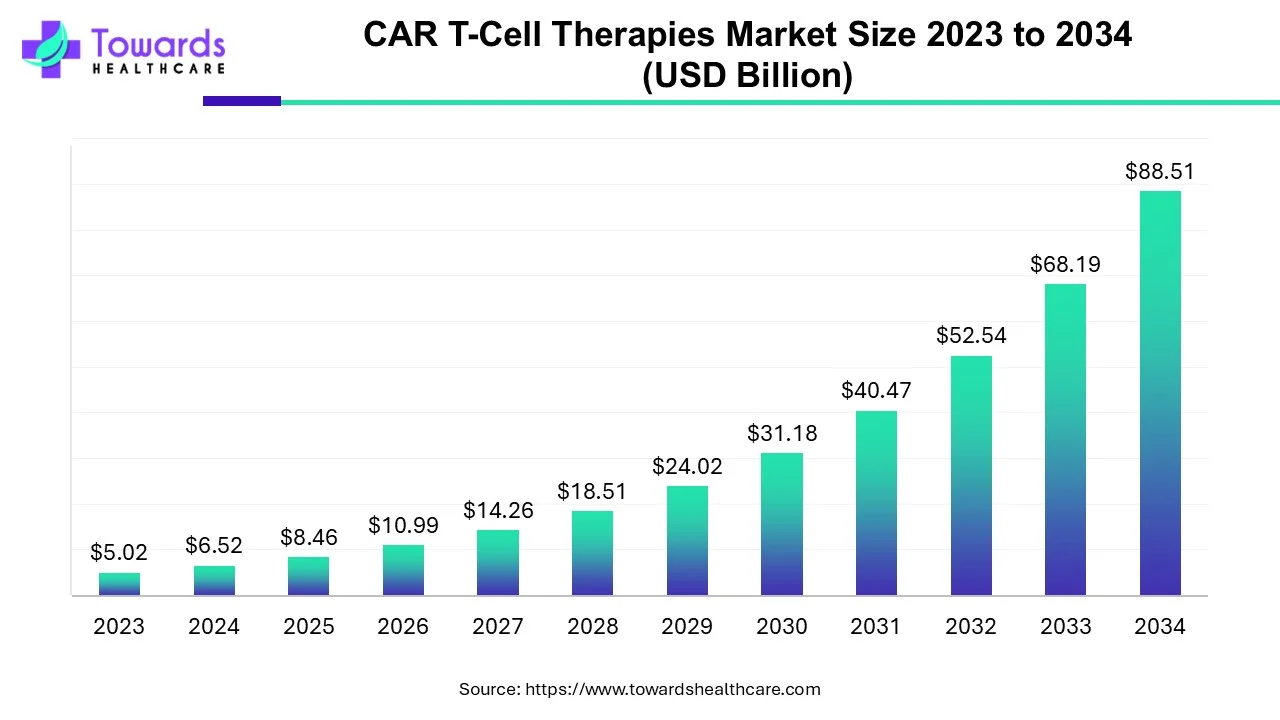
    CART-T Cell Therapies Market Size 2023 - 2034

    Download Free Sample of CAR T-Cell Therapies Market Now and Get the Complete Report Easily at: https://www.towardshealthcare.com/download-sample/5028

    CAR T-Cell Therapies Market Size

    2024 baseline & decade outlook

    Market value: USD 6.52B (2024).

    Forecast: USD 88.51B by 2034 at 29.8% CAGR (2024–2034) — indicates a highly exponential growth profile typical of emerging, disruptive biotechnologies.

    Clinical pipeline scale (demand signal)

    1,703 CAR-T trials registered (as of 10 Oct 2025) — enormous pipeline breadth pointing to sustained future product approvals and commercial expansion.

    Regulatory approvals as adoption anchors

    7 FDA-approved CAR-T products by 2025 — these approved products establish reimbursement pathways, clinical infrastructure needs, and physician/patient awareness that underpin market growth.

    Patient population & addressable market

    U.S. estimated 187,740 diagnosed with leukemia, lymphoma, and myeloma — a clear immediate addressable population for blood-cancer CAR-T indications.

    Australia: 19,400 blood-cancer diagnoses annually — demonstrates that even smaller markets contribute meaningful incremental demand.

    Geographic growth asymmetry

    North America dominated revenue share in 2024 (infrastructure + approvals).

    Asia-Pacific forecasted as fastest-growing region due to policy support, trial growth, and domestic commercialization efforts (e.g., indigenous products).

    End-user concentration

    Hospitals were the largest end-user in 2024 (availability of infrastructure and reimbursement). Cancer treatment centers are the fastest-growing end-user as they scale specialized delivery capabilities.

    Product mix & therapeutic focus

    Market led by established CAR-T constructs (e.g., axicabtagene ciloleucel in 2024) with emergent growth from others (e.g., tisagenlecleucel) — an ongoing product mix shift as indications expand.

    Economic footprint

    High per-patient cost today (hundreds of thousands to millions) — but projected scale, manufacturing innovations, and policy moves are primary levers to improve affordability and expand access, magnifying total market value.

    Investment & funding inputs

    Government and public-private funding (examples: Canada, Australia, Germany investments listed) are materially increasing R&D and infrastructure spend — a multiplier on long-term market size.

    Manufacturing & supply chain constraints

    Complex GMP manufacturing and bespoke logistics (autologous workflows, cold chain) act as present capacity limits; solving them (automation, allogeneic approaches) will materially unlock larger portions of the forecasted USD 88B.

    Market trends

    Rapid pipeline expansion → commercial opportunity

    Thousands of trials and multiple late-stage/pre-registration programs signal a multi-product commercial future rather than single-product dominance.

    Shift from autologous to off-the-shelf strategies

    Industry interest in allogeneic (donor/engineered universal) CAR-T is rising (forecast by experts) to reduce cost, speed delivery and scale capacity.

    Geographic leadership shift

    China and Asia accelerating clinical trial counts (China surpassed U.S. in trial numbers) — expect faster commercialization and localized manufacturing in APAC.

    Diversification of indications

    From hematologic malignancies toward solid tumors and non-oncology indications (R&D focus) — the next big value unlock if tumor microenvironment barriers are cracked.

    Manufacturing automation & decentralization

    Trend toward automated closed systems and cryopreservation to improve reproducibility and expand sites capable of delivering CAR-T.

    Value-based pricing & reimbursement evolution

    With high therapy costs, payers and providers are experimenting with outcomes-based contracts and new reimbursement models to widen access.

    Strategic collaborations & M&A

    Partnerships (industry–academic, biotech–big pharma) and licensing deals accelerate capability access (e.g., commercialization partnerships cited), consolidating the ecosystem.

    Regulatory maturation

    Regulators increasingly provide clearer pathways for cell therapies (approvals and pre-registrations), which reduces time-to-market risk and encourages investment.

    Infrastructure build-out (centers of excellence)

    More FACT-accredited centers and cancer treatment centers are being established; hospitals lead today but specialized centers are scaling rapidly.

    Patient-centric service models

    Expansion of patient support, long-term follow up programs, and home-care touchpoints as CAR-T becomes part of chronic survivorship models.

    AI impact / role 10 ways AI transforms the CAR T-Cell market

    Target discovery & antigen selection

    Role: AI models (pattern recognition on multi-omics and clinical data) identify novel, tumor-specific antigens and antigen combinations to improve specificity and avoid off-tumor toxicity.

    Impact: Faster target triage reduces wet-lab cycles and focuses clinical candidates with higher predicted safety/efficacy.

    Designing improved CAR constructs

    Role: Generative and predictive models evaluate CAR domain choices (scFv sequences, co-stimulatory domains) to optimize signaling strength, persistence, and safety.

    Impact: Higher success rate in preclinical optimization and fewer failures entering costly clinical stages.

    Patient selection & responder prediction

    Role: AI integrates genomics, tumor microenvironment markers, prior treatment history, and wearable data to predict which patients will respond and who are at high risk of severe toxicities (e.g., CRS, neurotoxicity).

    Impact: Improved clinical trial enrichment, better real-world outcomes, lower SAE rates and more cost-effective therapy allocation.

    Adaptive clinical trial design

    Role: Machine learning supports adaptive trial arms, real-time safety monitoring and dynamic dose selection using Bayesian and reinforcement learning strategies.

    Impact: Trials become faster, smaller and more informative — accelerating approvals and reducing development costs.

    Manufacturing automation and process control

    Role: AI monitors and controls bioprocess parameters (cell growth, viability metrics) across closed manufacturing systems to ensure batch-to-batch consistency.

    Impact: Higher yields, reduced failures, lower cost per dose — directly affecting scalability and price.

    Supply-chain & logistics optimization

    Role: Predictive scheduling and route optimization for patient leukapheresis, cryo-storage, and dose delivery minimize delays and maintain chain-of-identity.

    Impact: Shorter turnaround times, fewer product losses, and better patient experience.

    Real-time safety monitoring & early intervention

    Role: AI analyses physiologic signals and lab trends (including from wearables) to detect early signs of cytokine release syndrome or neurotoxicity.

    Impact: Quicker interventions reduce morbidity, shorten ICU stays and improve survival statistics.

    Post-market surveillance & durability prediction

    Role: Machine learning models use long-term follow-up data to predict durability of response and late adverse events, informing payer models and clinician counseling.

    Impact: Better actuarial models for outcomes-based reimbursement and clearer benefit-risk profiles.

    Personalized combination strategies

    Role: AI suggests individualized combination regimens (checkpoint inhibitors, targeted agents) based on tumor features and immune profiling to overcome resistance.

    Impact: Raises overall durable response rates and expands indications, especially for solid tumors.

    Clinical decision support & physician adoption

    Role: AI tools synthesize patient eligibility, sequencing of therapies and predicted outcomes into usable dashboards for oncologists and care teams.

    Impact: Lowers clinician cognitive load, standardizes care pathways, and accelerates appropriate CAR-T referrals.

    Regional insights

    North America (dominant in 2024)

    Advanced infrastructure & approvals

    Presence of major CAR-T manufacturers, manufacturing capacity and 7 FDA approvals by 2025 underpin market leadership.

    Clinical adoption network

    ~311 FACT-accredited U.S. hospitals (example figure) provide distribution scale and patient access.

    High per-patient spend & payer frameworks

    Reimbursement models evolving; outcomes data from early adopters shape payer contracting globally.

    Asia-Pacific (fastest growth forecast)

    Trial volume & domestic leadership

    China surged in trial counts (surpassed U.S. in clinical trial count) — indicating research concentration and near-term commercialization.

    Policy & industrialization

    Government initiatives (e.g., Atmanirbhar Bharat / Made in India) and local product launches (India’s indigenously developed CAR-T in Apr 2024) accelerate local manufacturing.

    Access & scale tradeoff

    Large patient populations provide scale, but uneven infrastructure and reimbursement across APAC require region-specific delivery models (hub-and-spoke, center of excellence networks).

    Europe

    Innovation with regulatory caution

    Europe invests in production/clinical projects (public funding examples) and focuses on safety/regulatory rigor; this supports high-quality evidence generation.

    Collaborative research ecosystems

    Academic centers and government funding (German BMBF, others) drive translational programs and industry collaborations.

    Canada / Australia (notable national investments)

    Targeted funding to expand access

    Canada: BioCanRx funding for CAR-T & RNA vaccine projects.

    Australia: NSW investment (A$20.7M) to improve access to specialized therapies.

    Smaller populations but strategic pilots

    These investments create models for national reimbursement and center scaling that larger markets can emulate.

    Emerging markets (LATAM, MEA)

    Long-term potential but near-term barriers

    Infrastructure and affordability challenges mean slower adoption initially; donor/allogeneic strategies and cost reductions needed for meaningful penetration.

    Market dynamics

    Driver — Rising cancer incidence

    Growing numbers of hematologic cancers (e.g., 187,740 U.S. cases) directly expand the patient base for approved CAR-T indications.

    Driver — Clinical pipeline & approvals

    1,703 trials and multiple late-stage/pre-registration programs create near-term launch potential and long-term therapeutic diversity.

    Driver — Government funding & policy

    National investments (Canada, Australia, Germany, India initiatives) lower translational risk and accelerate infrastructure and access.

    Restraint — High cost & access inequality

    Therapy cost (hundreds of thousands to millions) restricts uptake; payer models and manufacturing cost reductions are critical to overcome this restraint.

    Restraint — Manufacturing complexity

    Autologous workflows, GMP needs and bespoke logistics are bottlenecks limiting scale and increasing per-dose cost.

    Opportunity — Allogeneic/off-the-shelf platforms

    Allogeneic approaches promise lower cost, faster delivery and simpler logistics — a major medium-term market disruptor.

    Opportunity — Broadening indications

    Expansion from lymphoma/ALL/MM into solid tumors and non-oncology areas would dramatically enlarge the addressable market.

    Threat — Safety profile & adverse events

    CRS, neurotoxicity and insertional risks require tight monitoring and can hamper adoption if not mitigated.

    Enabler — AI & manufacturing automation

    AI adoption and closed automated manufacture improve yields, reduce failures and compress timelines, enabling both scale and cost declines.

    Competitive dynamic — partnerships & consolidation

    Collaborations (e.g., commercial partnerships, R&D alliances) and likely M&A create varied competitive moats — companies with integrated tech/CMC and clinical strengths will lead.

    Meet Top 10 innovators in the CAR T-Cell Therapies Market
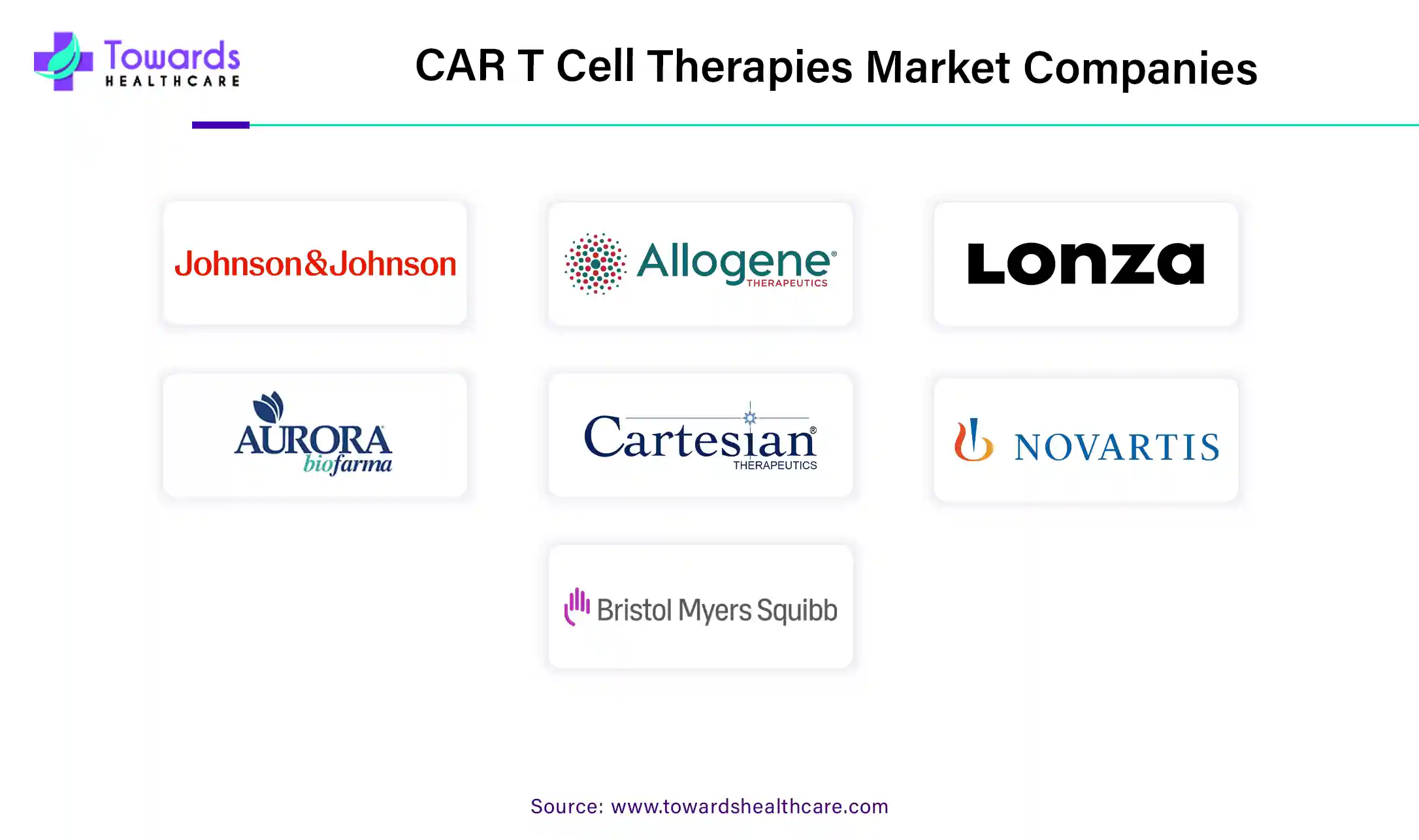
    CAR T-Cell Therapy Market Companies

    Novartis

    Product(s): Tisagenlecleucel (Kymriah)

    Overview: One of the first movers with an approved CAR-T for ALL and some NHL indications.

    Strength: Commercialization experience, global footprint, and regulatory precedent-setting; strong manufacturing & distribution capabilities.

    Gilead Sciences / Kite (Gilead division)

    Product(s): Axicabtagene ciloleucel (Yescarta); KTE-X19 programs

    Overview: Major oncology player with multiple CAR-T approvals and broad clinical pipeline.

    Strength: Deep clinical development expertise in hematologic malignancies and strong commercial oncology infrastructure.

    Bristol-Myers Squibb (BMS)

    Product(s): Lisocabtagene maraleucel (Breyanzi)

    Overview: Large pharma with CAR-T portfolio and capability to integrate with immuno-oncology assets.

    Strength: Financial muscle, global commercial reach and combination therapy potential with other oncology franchises.

    Johnson & Johnson Services, Inc.

    Product(s): (CAR-T programs / investments)

    Overview: Big-pharma investor in next-generation cell therapy approaches.

    Strength: Scale in R&D, manufacturing partnerships and ability to fund large multi-center trials.

    CARsgen Therapeutics

    Product(s): (e.g., partnerships for CT053 / zevor-cel commercialization in China)

    Overview: China-based developer with commercialization focus in mainland China.

    Strength: Local market knowledge, regulatory navigation in China and partnerships (e.g., Huadong Medicine) for market access.

    Gilead / Juno (historical programs listed e.g., JCAR017) / (Poseida, JW Therapeutics)

    Product(s): Multiple programs across companies — e.g., JCAR017, Orvacabtagene autoleucel

    Overview: These companies represent biotech innovators with late-stage assets and regional commercialization plans.

    Strength: Deep translational expertise and focused late-stage assets.

    Aurora Biopharma / Cartesian Therapeutics / Miltenyi Biomedicine

    Product(s): Descartes-11 (Cartesian); MB-CART2019.1 (Miltenyi)

    Overview: Smaller biotech players advancing clinical candidates, often in specialized niches (e.g., MM, NHL).

    Strength: Agility in novel biology, niche expertise and ability to collaborate with larger partners.

    Lonza

    Product(s): (CMO / manufacturing services)

    Overview: Contract manufacturing and CMC partner for cell therapies, enabling commercial scale-up.

    Strength: Global manufacturing footprint, GMP capabilities and critical role in scaling production.

    JW Therapeutics

    Product(s): JWCAR029; Juno-origin programs

    Overview: China-focused CAR-T developer with pre-registration assets and commercialization plans.

    Strength: Local regulatory alignment, rapid clinical progression and domestic partnerships.

    Poseida Therapeutics / Bellicum / Curocell

    Product(s): P-BCMA-101 (Poseida); BPX-603 (Bellicum); Curocell programs

    Overview: Innovators with unique CAR designs, platform technologies and specific indication focuses (e.g., BCMA for myeloma).

    Strength: Proprietary engineering platforms, strong IP and differentiated CAR constructs.

    Latest announcements

    Notable announcements

    India — Indigenous CAR-T launch (Apr 2024)

    What: President of India launched India’s first indigenously developed CAR T-cell therapy (IIT Bombay + Tata Memorial Center).

    Why it matters: Signals national capability to develop and potentially manufacture CAR-T locally — may reduce cost and create a regional hub for other LMICs.

    CARsgen & Huadong Medicine collaboration (Jan 2023 / CT053 commercialization)

    What: CARsgen licensed zevorcabtagene autoleucel (CT053) to Huadong with a $29.7M initial payment and up to $152.4M in milestones.

    Why it matters: Demonstrates sizable upfront investments for China commercialization and a pathway for domestic commercialization.

    MGM Medical College — Maharaja Yashwantrao Hospital (Nov 2024)

    What: Introduction of CAR-T therapy to treat blood cancer within an Indian medical center.

    Why it matters: Expands geographic access and real-world treatment sites beyond a few global centers.

    Vyriad & Novartis collaboration (Nov 2024)

    What: Partnership to discover and develop in vivo CAR-T therapies using Vyriad’s targeted lentiviral vector and Novartis’ cell therapy expertise.

    Why it matters: Moves toward in vivo CAR-T (direct in-patient gene transfer) — a potential shift from ex vivo manufacturing to in-body programming, which could dramatically simplify logistics and cost.

    Moffitt Cancer Center & AstraZeneca (Sep 2024)

    What: Strategic collaboration to accelerate CAR-T and T-cell receptor therapy development.

    Why it matters: Combines academic translational research with pharma drug development strength to push next-gen cell therapies and potential combinations.

    Recent development themes

    Commercialization partnerships and regional deals (e.g., CARsgen/Huadong) point to rapid market localization.

    Academic-industry launches (India, Moffitt) illustrate translation into clinical service delivery and combination R&D.

    In vivo approaches (Vyriad/Novartis) represent a technological inflection point that could reshape the value chain.

    Segments covered

    By Drug Type

    Axicabtagene ciloleucel — dominated in 2024 due to established use as second-line for large B-cell lymphoma.

    Tisagenlecleucel — projected to grow significantly because of safety profile and use in younger patients (ALL and certain NHL).

    Brexucabtagene autoleucel and Others — address niche indications (e.g., mantle cell lymphoma) and emerging constructs; “Others” cover next-gen CARs and platform variants.

    By Indication

    Lymphoma — largest revenue share in 2024 (high unmet need, limited small molecule options).

    Acute lymphocytic leukemia (ALL) — fastest-growing segment due to pediatric/young adult approvals and strong response rates.

    Chronic lymphocytic leukemia (CLL), Multiple myeloma (MM), Others — MM driven by BCMA-targeted CARs (Abecma, Carvykti).

    By End-User

    Hospitals — largest share (infrastructure, reimbursement alignment).

    Cancer Treatment Centers — fastest growth due to specialized expertise and protocolized CAR-T delivery pathways.

    By Geography

    North America — mature market with approvals, infrastructure and payer systems.

    Europe — innovation focused, regulatory rigor and growing investments.

    Asia-Pacific — fastest growth (trial acceleration, national policy support).

    Latin America / Middle East & Africa — nascent adoption; growth tied to affordability and capacity building.

    Top 5 FAQs

    1. Q: What is the current market size and projected growth for CAR-T therapies?
      A: The market was USD 6.52B in 2024 and is projected to grow at 29.8% CAGR to approximately USD 88.51B by 2034.

    2. Q: How many CAR-T therapies are approved and how many trials are ongoing?
      A: As of 2025, 7 CAR-T products had FDA approval; and 1,703 clinical trials for CAR-T interventions were registered on ClinicalTrials.gov (as of 10 Oct 2025).

    3. Q: Which regions lead and which are growing fastest?
      A: North America held the major revenue share in 2024 (advanced infrastructure, approvals). Asia-Pacific is expected to witness the fastest growth, driven by rising trials, government support, and local product initiatives.

    4. Q: What are the main limitations of CAR-T therapy today?
      A: Key limitations include high cost and access barriers, complex manufacturing and logistics, serious side effects (CRS, neurotoxicity), limited approved indications, and durability/relapse risks. Addressing manufacturing and safety are top priorities.

    5. Q: How will AI and new technologies affect the CAR-T market?
      A: AI can accelerate target discovery, optimize CAR design, improve patient selection and monitoring, automate manufacturing, predict outcomes, and support real-time safety detection — collectively improving efficacy, lowering cost and increasing access.

    Access our exclusive, data-rich dashboard dedicated to the therapeutics area sector – built specifically for decision-makers, strategists, and industry leaders. The dashboard features comprehensive statistical data, segment-wise market breakdowns, regional performance shares, detailed company profiles, annual updates, and much more. From market sizing to competitive intelligence, this powerful tool is one-stop solution to your gateway.

    Access the Dashboard: https://www.towardshealthcare.com/access-dashboard

    Checkout CAR T-Cell Therapy Market Report Now at: https://www.towardshealthcare.com/checkout/5028

    About Us

    Towards Healthcare is a leading global provider of technological solutions, clinical research services, and advanced analytics, with a strong emphasis on life science research. Dedicated to advancing innovation in the life sciences sector, we build strategic partnerships that generate actionable insights and transformative breakthroughs. As a global strategy consulting firm, we empower life science leaders to gain a competitive edge, drive research excellence, and accelerate sustainable growth.

    Become a valued research partner with us – https://www.towardshealthcare.com/schedule-meeting

    You can place an order or ask any questions, please feel free to contact us at sales@towardshealthcare.com

    Powering Healthcare Leaders with Real-Time Insights: https://www.towardshealthcare.com/healthcare-intelligence-platform

    Europe Region – +44 778 256 0738

    North America Region – +1 8044 4193 44

    APAC Region: +91 9356 9282 04

    Visit Our Website: https://www.towardshealthcare.com

    Find us on social platforms: LinkedInTwitterInstagram | Medium | Pinterest

  • CAR T-Cell Therapy Market Set for Exponential Growth of USD 88.52 Billion by 2032

    CAR T-Cell Therapy Market Set for Exponential Growth of USD 88.52 Billion by 2032

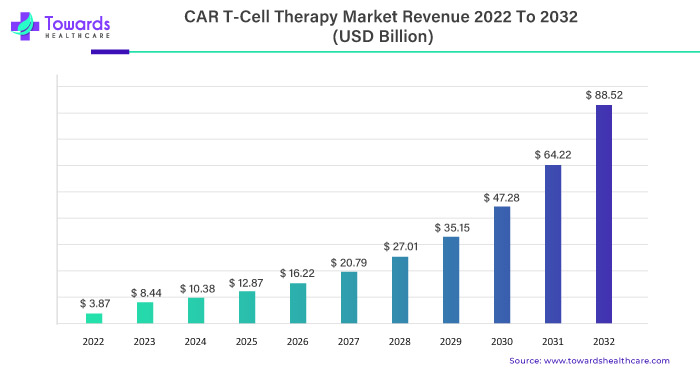
    The global CAR T-Cell therapy market is on the cusp of a remarkable surge, propelling from its 2022 valuation of USD 3.87 billion. Envisioning an impressive 29.8% Compound Annual Growth Rate (CAGR) from 2023 to 2032, industry forecasts herald an extraordinary ascent, reaching an estimated USD 88.52 billion by 2032. This unparalleled growth is intricately linked to the extensive conduct of clinical trials and the escalating prevalence of cancer across the globe.

    CAR T- Cell Therapy Market Size 2023 - 2032

    CAR T-Cell Therapy Market: A Breakthrough in Cancer Treatment

    Pioneering Advancements through Clinical Trials

    At the forefront of this transformative trajectory is the surge in CAR T-Cell therapy market, bringing groundbreaking advancements in cancer treatment. The extensive undertaking of clinical trials plays a pivotal role in validating the efficacy and safety of CAR T-Cell therapies. As these trials yield positive outcomes, CAR T-Cell therapy market emerges as a revolutionary approach, redefining the landscape of cancer therapeutics.

    Personalized Precision in Cancer Care

    CAR T-Cell therapy market epitomizes the shift towards personalized precision in cancer care. By harnessing the body’s own immune system to target cancer cells, this therapy marks a departure from conventional treatments. The success of CAR T-Cell therapy market lies in its ability to tailor the treatment to individual patients, paving the way for more effective and targeted cancer interventions.

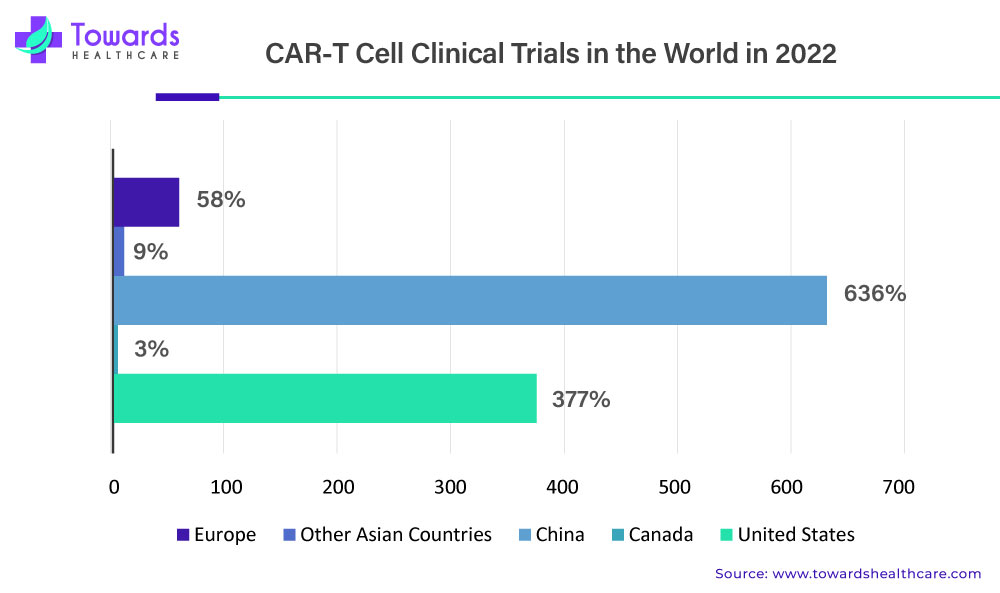
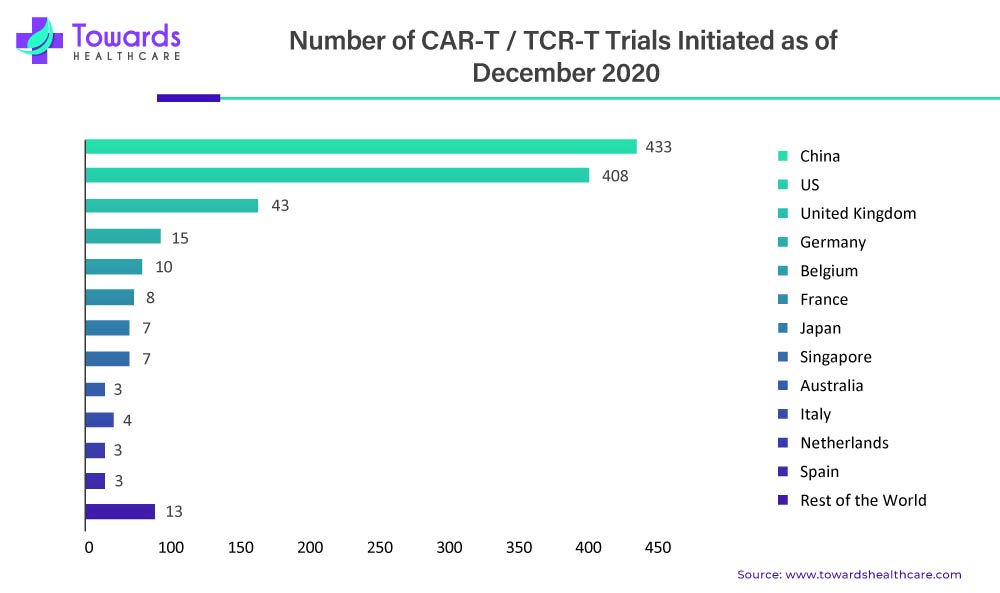
    The United States and China reported most of the trials on Clinicaltrials.gov while Europe lags behind in terms of CAR T-Cell clinical trials.

    CAR T-cell therapies have significant transformative potential in the field of cancer treatment as they harness the power of the immune system to fight cancer. These therapies involve genetically engineering T cells to express a chimeric antigen receptor that specifically targets a tumor antigen, providing a highly personalized approach to cancer treatment.

    CAR-T therapy is a type of cell therapy in which immune T cells are modified genetically to attack the cancer cells by means of injecting chimeric antigen receptors. It is also referred to as a “miracle anticancer drug” due to its high response rate. It does, however, have a complicated manufacturing process that includes collecting the patient’s T cells at a medical facility and then culturing them in a good manufacturing practice (GMP) facility. The advantages of CAR T-cell therapies over standard medicines include the use of patients’ immune systems to destroy cancer cells, early recovery, and shorter treatment times.

    Furthermore, CAR T-cell therapy market has a long survival time in the body because it has the ability to recognize and target cancer cells even if cancer recurs. CAR T-cell therapy is primarily used to treat lymphoma, acute lymphocytic leukemia, and multiple myeloma. Due to their numerous advantages over traditional drugs, CAR T-cell therapy products have a high adoption rate, resulting in market growth.

    CAR T Cell Clinical Trials in The World in 2022
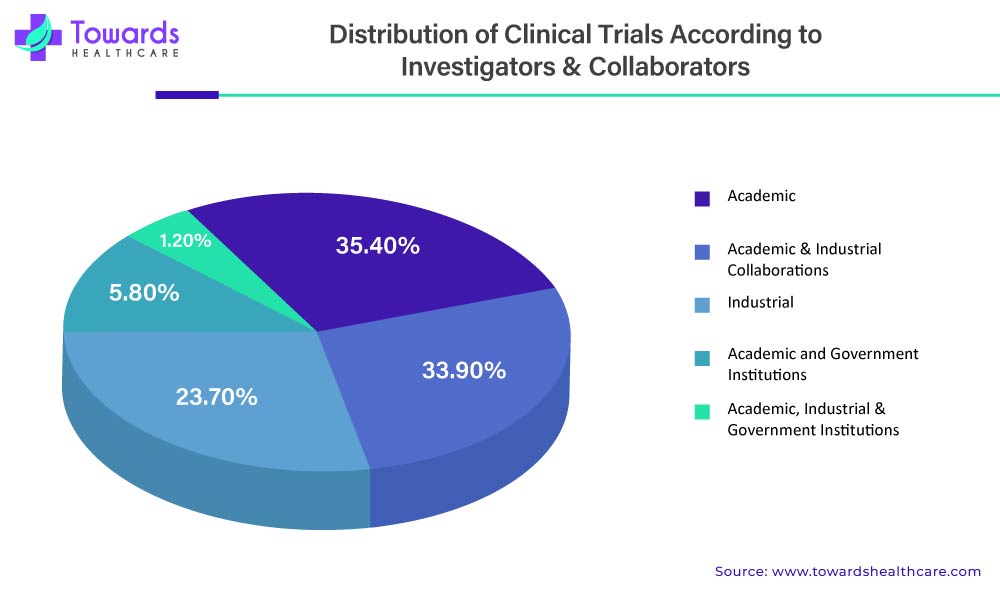
    CAR T-Cell Therapy Market Distribution of Clinical Trials According to Investigators and Collaborators

    Clinical data has demonstrated the effectiveness of CAR T therapies, particularly in treating relapsed or refractory liquid tumors such as acute lymphoblastic leukemia (ALL) and diffuse large B-cell lymphoma (DLBCL). The approval of CAR T-cell therapies for these indications has marked a significant milestone in cancer treatment and has encouraged further research into the potential of these therapies for other tumor types. CAR T-cell therapy has been shown to induce long-lasting remissions in some patients, even those with advanced or relapsed disease who have failed other treatments.

    However, it is important to note that CAR T-cell therapy market is still a relatively new and complex treatment approach, and there are still challenges and limitations that need to be addressed. The growing industry interest in CAR T-cell therapies is driven by promising clinical data and the potential to develop highly personalized cancer treatments.

    Following are some of the CAR-T cell therapy products involved in clinical trials reported as of April 2023

    Drugs Company Phase Indication
    Descartes-11 Cartesian Therapeutics Phase II Multiple myeloma
    KTE-X19 Gilead Sciences Phase II Hematological malignancies; Solid tumors
    MB-CART2019.1 Miltenyi Biomedicine Phase III Non-Hodgkin’s lymphoma
    CT 103A Innovent Biologics Pre-registration Multiple myeloma
    JWCAR029 JW Therapeutics Pre-registration Diffuse large B cell lymphoma
    P-BCMA-101 Poseida Therapeutics Phase II Multiple myeloma
    JCAR017 Juno Therapeutics Pre-registration Non-Hodgkin’s lymphoma
    BPX-603 Bellicum Pharmaceuticals Phase I/II Solid tumours
    Orvacabtagene autoleucel Juno Therapeutics Phase I/II Multiple myeloma

    Targeting Cancer with CAR T-Cells

    CAR T-cell therapy market is an innovative approach to cancer treatment that involves genetically engineering a patient’s T-cells to recognize and attack cancer cells. The CAR T-cells are designed to target a specific protein found on the surface of cancer cells, allowing them to selectively kill cancer cells while leaving healthy cells intact. CAR T-cell therapy market is a highly personalized approach to cancer treatment that requires the extraction of a patient’s own T-cells, which are then genetically modified in a laboratory setting to express a chimeric antigen receptor (CAR) that targets the cancer cells.

    The modified T-cells are then expanded in number and infused back into the patient’s bloodstream. Once in the body, the CAR T-cells can recognize and attack cancer cells that express the targeted protein on their surface, leading to the destruction of cancer cells and potentially offering a cure for some patients. During the forecast period, an increase in cancer incidence is anticipated to drive the growth of the global CAR T-Cell treatment market. The main cause of death worldwide is cancer. Almost 400000 kids are diagnosed with cancer in children every year. The most prevalent malignancies differ between nations. Cervical cancer is the most common kind in 23 countries.

    The success of CAR T-cell therapy market has been most notable in the treatment of hematological malignancies, such as leukemia and lymphoma. Clinical trials have shown that CAR T-cell therapy can produce complete remission in a significant proportion of patients who have exhausted other treatment options. Rising clinical trials and increasing product approvals for treating cancers are significant factors augmenting the growth of the CAR T-cell therapy market.

    In March 2022, The FDA granted its approval for ciltacabtagene autoleucel (Carvykti) allowing it to be used to treat adults who have relapsed or refractory multiple myeloma, meaning cancer either returned after treatment or are resistant to treatment.

    However, CAR T-cell therapy market is still a relatively new and expensive treatment, and there are still challenges to be addressed, including the development of CAR T-cells that can target solid tumors.

    Another challenge in the development of CAR T-cell therapy market is the risk of severe side effects, such as cytokine release syndrome and neurotoxicity, which can be life-threatening in some cases. Therefore, careful patient monitoring and management of side effects are critical to the success of CAR T-cell therapy.

    Despite these challenges, the market for CAR T-cell therapy market is growing rapidly, with several new therapies in development and increasing investment in research and development.

    According to a study conducted in the U.S. around 957 out of 1007 FDA CAR T-cell clinical trials were initiated for the treatment of cancer as of 31st December 2020.

    Numbers of CAR-T/TCR-T Trials Initiated as of December 2020

    Combining CAR T-Cell Therapy with Other Immunotherapies

    Combining CAR T-cell therapy with other immunotherapies is an area of active research and has shown promising results in preclinical and clinical studies. One approach is to combine CAR T-cell therapy market with checkpoint inhibitors, which are drugs that block proteins that prevent T-cells from attacking cancer cells. By blocking these proteins, checkpoint inhibitors can enhance the effectiveness of CAR T-cells. Another approach is to combine CAR T-cell therapy with other types of immune cells, such as natural killer cells or T-cell receptor (TCR) engineered T-cells.

    These approaches aim to enhance the overall immune response against cancer cells and increase the durability of the response. Additionally, researchers are exploring the use of CAR T-cells as a delivery vehicle for other immunotherapies, such as cytokines or antibodies. This approach aims to enhance the potency and specificity of these therapies by delivering them directly to the tumor site.

    The goal of combining CAR T cells with other immunotherapies is to improve the response rate and duration of response, particularly in patients with solid tumors who have shown limited response to CAR T-cell therapy market alone. In addition, studies have shown promising results in combining CAR T cells with checkpoint inhibitors like pembrolizumab or atezolizumab. These agents can help to enhance the activity of the CAR T cells by blocking the immune system’s ability to suppress their function. The combination has shown improved response rates and longer progression-free survival in patients with certain types of solid tumors, including lung cancer and breast cancer.

    Other combinations that have been studied include CAR T cells with other types of immune cells, such as natural killer (NK) cells or cytokine-induced killer (CIK) cells, and targeted therapies like tyrosine kinase inhibitors. These combinations have shown potential in preclinical studies and early-phase clinical trials, but more research is needed to determine their safety and efficacy in larger patient populations.

    CAR T-Cell Therapy Limitations

    • CAR T-cell therapy has shown significant promise in treating certain types of cancer, but it also has limitations that must be addressed in order to maximize its potential. Some of the limitations of CAR T-cell therapy include:
    • CAR T-cell therapy is currently only approved for a limited number of cancers, including certain types of leukemia and lymphoma. It may take some time before it is approved for use in other types of cancer.
    • CAR T-cell therapy is a complex and expensive treatment, which can make it difficult for patients to access. The cost of CAR T-cell therapy can vary depending on the specific treatment and location, but it typically ranges from hundreds of thousands to millions of dollars.
    • While CAR T-cell therapy can be effective in treating cancer, it can also cause significant side effects. These side effects can include cytokine release syndrome (CRS), neurotoxicity, and infections.
    • There are still safety concerns associated with CAR T-cell therapy, including the risk of inserting the CAR gene into the wrong place in the genome, which could cause cancer.
    • The effects of CAR T-cell therapy may be limited in terms of durability. Some patients may experience a relapse of their cancer after a period of time.

    How to Overcome Those Limitations?

    Despite these limitations, CAR T-cell therapy market is still an exciting and promising approach to treating cancer. There are ongoing efforts to address these limitations and improve the effectiveness and safety of CAR T-cell therapy. For example, researchers are exploring the use of combination therapies that combine CAR T-cell therapy market with other treatments to enhance its effectiveness and durability.

    The limitations of CAR T-cell therapy underscore the need for continued research and development in this area. The high cost of CAR T-cell therapy market, for instance, highlights the importance of developing new manufacturing and production processes that can lower the cost of these treatments. The limited scope of CAR T-cell therapy also underscores the need for ongoing research into new targets and approaches that can be used to treat a wider range of cancers.

    The side effects and safety concerns associated with CAR T-cell therapy highlight the importance of careful patient selection and monitoring, as well as ongoing efforts to improve the safety and efficacy of these treatments. This includes the development of new CAR designs that can improve the specificity of CAR T-cell therapy market and reduce the risk of off-target effects.

    The limited durability of CAR T-cell therapy highlights the need for ongoing research into the underlying biology of cancer and the mechanisms of resistance to CAR T-cell therapy. This includes the development of new combination therapies that can enhance the effectiveness and durability of CAR T-cell therapy, as well as the identification of new targets and approaches that can be used to overcome resistance to these treatments.

    Thus, while CAR T-cell therapy market has limitations, it is a promising approach to treating cancer that has already shown significant clinical benefits in certain patient populations. The ongoing research and development in this area will be critical in addressing the limitations of CAR T-cell therapy and realizing its full potential as a cancer treatment.

    Accelerating Innovation in CAR T-Cell Therapy

    The rapid pace of innovation in the field of CAR T-cell therapy, and recent product approvals are positive signs for the future of cancer treatment. Extensive R&D has played a significant role in overcoming the limitations of CAR T-cell therapy market and improving its efficacy. Strategic collaborations among market players are also fostering the growth of the CAR T-Cell therapy market. The development of novel CAR constructs, new methods for T-cell expansion, and the discovery of new tumor-specific antigens have all contributed to the advancement of CAR T-cell therapy. In addition, improvements in manufacturing processes, such as the use of automated closed systems and cryopreservation, have increased the consistency and quality of CAR T-cell products.

    Another critical factor in the development of CAR T-cell therapy market is the increase in product approvals. As more products gain approval, the market for CAR T-cell therapy is growing rapidly, creating a competitive landscape that is driving innovation and further research. The FDA has already approved six CAR T-cell therapies for the treatment of certain types of blood cancers, and numerous other CAR T-cell therapies are in clinical trials.

    Furthermore, researchers are exploring the use of CAR T-cell therapy market in solid tumors. Unlike blood cancers, solid tumors have a more complex microenvironment that can limit the effectiveness of CAR T-cell therapy. Overcoming these challenges will require further research, but the potential benefits of CAR T-cell therapy in solid tumors are substantial.

    • In January 2023, CARsgen Therapeutics and Huadong Medicine collaborated to market zevorcabtagene autoleucel (zevor-cel), CT053, in mainland China. In accordance with the agreement, CARsgen received a $29.7 million (RMB 200 million) initial investment and was qualified for commercial and regulatory milestones worth up to $152.4 million (RMB 1,025 million)
    • In December 2022, CARsgen Therapeutics Holdings Limited unveiled the findings of its phase I/II LUMMICAR STUDY 1 clinical trial of zevorcabtagene autoleucel. The study involved 14 participants, and results from the first phase revealed a well-tolerated safety profile, as well as substantial and long-lasting responses, with an objective response rate (ORR) of 100% and a complete response/stringent complete response (CR/sCR) rate of 78.6%
    • In December 2022, Arcellx, Inc. entered into a global strategic partnership to jointly develop and commercialize its lead late-stage product, CART-ddBCMA, in collaboration with another entity. This partnership aimed to advance the treatment of patients who are suffering from relapsed or refractory multiple myeloma.
    • In August 2022, Poseida Therapeutics, Inc. and Roche collaborated to develop CAR-T therapies for hematologic malignancies.

    The COVID-19 Effect

    Prior to COVID-19, the industry for CAR-T cell treatment was expanding quickly and receiving considerable investment from pharmaceutical firms. For juvenile acute lymphoblastic leukemia, the FDA approved the first CAR-T cell therapy in 2017, and since then, numerous other CAR-T cell therapies have been approved for various disease types. Novartis and Gilead Sciences had the majority of the market share for CAR-T cell therapy, dominating the market. Several businesses, such as Kite Pharma, Juno Therapeutics, and Bluebird Bio, were working on CAR-T cell therapy, though.

    The market for CAR-T cell treatment has been significantly impacted by the COVID-19 epidemic. Clinical trial delays, supply chain interruptions, and a decline in the number of patients seeking treatment have all been brought on by the epidemic. More patients are turning to telemedicine and other forms of remote care as a result of the epidemic, which has also changed how healthcare is delivered. In response to the epidemic, some businesses have increased their manufacturing capacity to accommodate the rising demand for CAR-T cell therapy. Others have concentrated on creating novel therapies that may be delivered remotely, minimizing the number of visits that patients must make to clinics and hospitals.

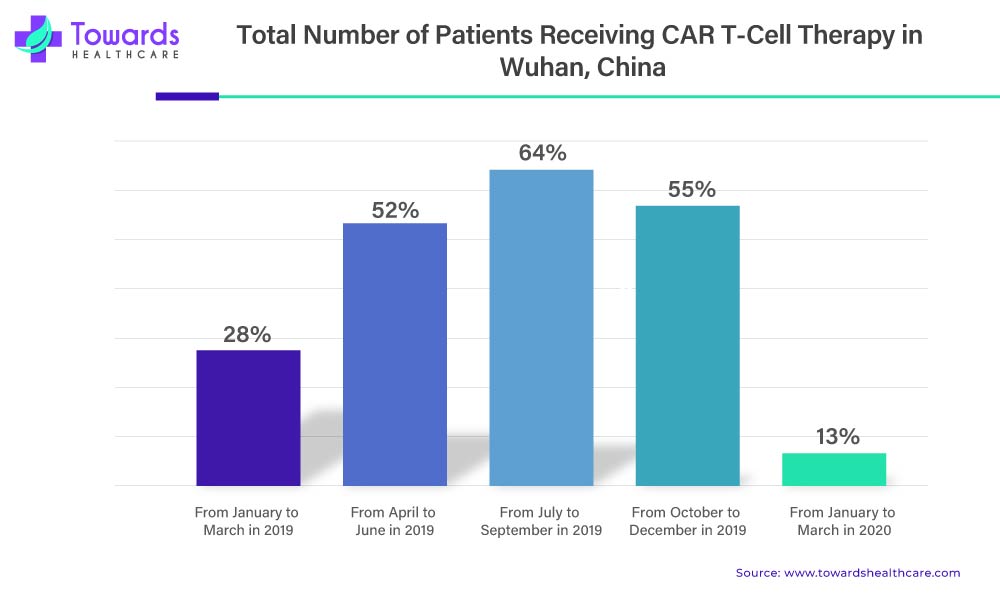
    CAR T-Cell Therapy Market Total Number of Patients Receiving CAR T-Cell Therapy in Wuhan, China

    As of December 31, 2020, the number of CAR-T clinical trials initiated by originators in China (433) has surpassed the number of clinical trials initiated by originators in the United States (408).

    In the post-COVID era, it is anticipated that the CAR-T cell treatment market would maintain its upward trend. The pandemic has underlined the significance of cutting-edge treatments like CAR-T cell therapy, which can provide cancer patients efficient treatment alternatives. The pandemic’s effects on clinical trials and supply chains are expected to restrict the market’s growth a little bit from earlier predictions.

    The market for CAR-T cell therapy is anticipated to gain from developments in cell engineering and gene editing techniques. Better patient outcomes are anticipated as a result of these developments in CAR-T cell therapy’s accuracy and efficacy. The industry is also anticipated to gain from the rising incidence of cancer globally, especially in developing markets. However, the high cost of CAR-T cell therapy continues to be a problem, and businesses will need to make further investments in streamlining the production process to save prices.

    Escalating Prevalence of Cancer: A Driving Force

    Rising Global Burden of Cancer

    The relentless rise in the prevalence of cancer is a significant driving force behind the surge in the CAR T-Cell therapy market. With cancer affecting millions worldwide, the demand for innovative and potent therapies has never been more urgent. CAR T-Cell therapy addresses this need by providing a novel and effective strategy to combat diverse forms of cancer.

    Addressing Unmet Medical Needs

    The escalating prevalence of cancer underscores the unmet medical needs within the oncology landscape. CAR T-Cell therapy market, with its potential to induce durable remissions in certain malignancies, offers a glimmer of hope for patients facing limited treatment options. The market growth reflects the pressing need for transformative solutions in the battle against cancer.

    Market Dynamics: Navigating the Wave of Innovation

    Commercialization of Successful Therapies

    As CAR T-Cell therapies prove their mettle in clinical trials, their successful commercialization becomes a pivotal dynamic in the market. The transition from experimental treatments to approved therapies amplifies the accessibility of CAR T-Cell interventions, ensuring that more patients globally can benefit from these groundbreaking advancements.

    Global Collaboration Fuels Progress

    The CAR T-Cell therapy market thrives on global collaboration among researchers, pharmaceutical companies, and healthcare institutions. This collaborative synergy accelerates the pace of research, development, and commercialization, fostering a dynamic ecosystem that propels the market forward.

    Anticipating Challenges, Seizing Opportunities

    Addressing Safety and Efficacy Challenges

    As CAR T-Cell therapy market gains prominence, addressing safety and efficacy challenges remains a priority. Ongoing research endeavors and collaborations aim to optimize the therapeutic potential of CAR T-Cell interventions while mitigating associated risks, ensuring the sustained growth and acceptance of this revolutionary treatment modality.

    Expanding Therapeutic Applications

    Diversifying and expanding the therapeutic applications of CAR T-Cell therapy market presents an opportunity for growth. Ongoing research explores the potential of CAR T-Cell therapies in treating various cancers, broadening their scope and impact within the oncology landscape.

    A New Era in Cancer Therapeutics

    The surge in the global CAR T-Cell therapy market heralds a new era in cancer therapeutics. Fueled by extensive clinical trials and a heightened prevalence of cancer, CAR T-Cell therapy stands as a beacon of hope in the fight against this formidable disease. As the industry navigates challenges and seizes opportunities, CAR T-Cell therapy emerges as a transformative force, shaping a future where precision and innovation converge for the betterment of global health.