Tag: Clinical Trials Market

  • Are These Clinical Trials Trends Changing How Medicines Are Developed in 2026 and Beyond?

    The global clinical trials market is undergoing a structural transformation that goes far beyond incremental growth. What was once a highly linear, time-intensive, and geographically concentrated process has evolved into a complex, technology-enabled ecosystem shaped by scientific urgency, patient-centric thinking, regulatory recalibration, and sustained capital inflows. After more than a decade of observing this market across therapeutic areas and geographies, one conclusion is clear: clinical trials are no longer just a step in drug developmen, they have become a strategic capability that determines success or failure in modern healthcare innovation.

    At the core of this shift lies a convergence of forces. Rising disease burden, especially from chronic and rare conditions, has increased the demand for novel therapies. Scientific advances have expanded what is possible, pushing trials into areas such as gene therapy, cell therapy, RNA-based drugs, and personalized medicine. Governments have recognized clinical research as national infrastructure rather than optional activity. At the same time, technology has quietly but decisively re-engineered how trials are designed, conducted, monitored, and analyzed. Together, these elements are redefining both the scale and the philosophy of clinical research.

    The growing incidence and prevalence of chronic disorders remain one of the most powerful drivers of clinical trial activity. Cardiovascular diseases, oncology, neurological disorders, autoimmune diseases, metabolic conditions, and rare genetic disorders now dominate research pipelines. These conditions are long-term, complex, and heterogeneous by nature, making traditional “one-size-fits-all” trial models increasingly inadequate. Sponsors must now demonstrate not only efficacy but also long-term safety, quality-of-life improvements, and real-world relevance. This has expanded the scope, duration, and sophistication of clinical trials, pushing the market toward more adaptive and data-rich designs.

    Research and development spending has followed this medical reality. Pharmaceutical and biotechnology companies are investing heavily in discovery and development, not just to remain competitive but to survive in an environment where innovation cycles are accelerating. Over the last decade, R&D strategies have shifted from volume-driven pipelines to precision-driven portfolios. Instead of developing multiple broad-spectrum drugs, companies increasingly focus on targeted therapies aimed at specific patient subgroups. This approach improves success rates but also increases trial complexity, as smaller, more defined populations require careful recruitment, biomarker validation, and advanced statistical modeling.

    From a market valuation perspective, these structural shifts are already translating into sustained and measurable growth. The global clinical trials market is calculated at approximately USD 98.91 billion in 2026, reflecting the cumulative impact of rising R&D intensity, expanding trial volumes, and increasing operational complexity. This figure does not simply represent more studies being conducted; it reflects deeper investment per trial, broader geographic reach, and greater reliance on specialized technologies and services.
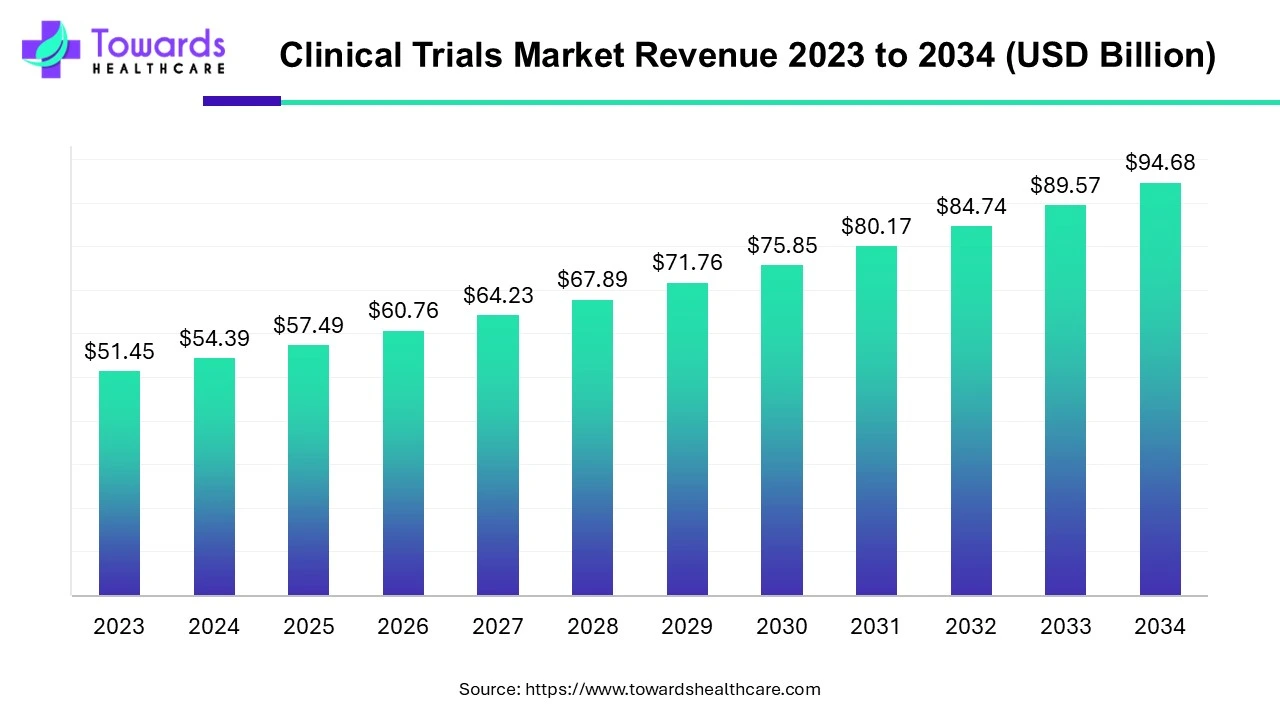
    Clinical Trials Market Revenue 2023 - 2034

    𝐃𝐨𝐰𝐧𝐥𝐨𝐚𝐝 𝐅𝐫𝐞𝐞 𝐒𝐚𝐦𝐩𝐥𝐞:

    https://www.towardshealthcare.com/download-sample/5018

    Looking ahead, the market is expected to reach nearly USD 174.18 billion by 2035, expanding at a compound annual growth rate of 5.7% between 2026 and 2035. This steady trajectory suggests a market driven by structural demand rather than short-term cycles. Unlike earlier phases where growth was tied closely to blockbuster drug development, future expansion will be supported by a diversified mix of therapeutic areas, trial models, and stakeholder participation. Oncology, rare diseases, neurology, and immunology are expected to remain key contributors, while emerging modalities such as gene and cell therapies will continue to push average trial costs and duration higher.

    This forecast also reflects a broader redefinition of what constitutes clinical trial activity. Spending increasingly extends beyond traditional site operations to include digital infrastructure, real-world data integration, long-term follow-up studies, and patient engagement platforms. As regulators, payers, and healthcare systems demand stronger evidence of value, sponsors are investing earlier and more consistently in robust trial frameworks. The projected growth rate therefore captures not only an increase in trial numbers but a qualitative shift toward more comprehensive, data-intensive research programs.

    Importantly, the expected market expansion underscores the resilience of clinical trials as a sector. Even amid economic uncertainty or shifting healthcare priorities, clinical research remains a non-negotiable foundation for medical progress. The forecasted growth through 2035 reflects confidence that innovation pipelines will remain active, policy environments will continue to support research, and technological adoption will further improve trial efficiency. In this context, the clinical trials market is positioned not as a cost center, but as a long-term investment in healthcare sustainability and scientific advancement.

    Personalized medicine has played a central role in reshaping trial methodologies. Therapies tailored to genetic, molecular, or phenotypic characteristics demand trials that can identify the right patients at the right time. Companion diagnostics, genomic screening, and biomarker-based enrollment are no longer optional in many therapeutic areas. As a result, clinical trials now operate at the intersection of medicine, data science, and diagnostics. This integration has expanded the clinical trials market beyond traditional research organizations to include genomic labs, data analytics firms, and digital health providers.

    Biologics, cell therapies, and gene therapies represent another defining trend. These advanced modalities have fundamentally different development pathways compared to small-molecule drugs. Manufacturing constraints, cold-chain logistics, ethical considerations, and long-term follow-up requirements all influence trial design. For example, gene therapy trials often require multi-year post-treatment monitoring to assess durability and safety. This has created demand for specialized clinical trial services, long-term patient registries, and novel regulatory frameworks, all of which contribute to sustained market expansion.

    Investment patterns reflect the strategic importance of clinical trials in this new environment. Governments across developed and emerging economies are increasing funding for clinical research as part of broader healthcare and innovation agendas. Public funding supports early-stage research, academic-industry collaborations, and infrastructure development, reducing entry barriers for smaller innovators. At the same time, private investment—from venture capital, private equity, and strategic partnerships—has surged, particularly in high-risk, high-reward areas such as rare diseases and advanced therapies.

    These investments are not limited to drug developers. Contract research organizations, technology providers, and site management organizations have attracted significant capital as sponsors seek to outsource complexity and improve efficiency. The rise of specialized service providers reflects a recognition that clinical trials require operational excellence as much as scientific insight. Efficient patient recruitment, regulatory compliance, data integrity, and timeline management can determine whether a promising therapy reaches the market or stalls indefinitely.

    Favorable government policies have further accelerated market growth. Regulatory authorities have increasingly adopted risk-based and science-driven approaches to trial oversight. Accelerated approval pathways, conditional approvals, and adaptive trial designs have become more common, particularly in areas of high unmet medical need. These policies do not lower standards; instead, they modernize evaluation processes to reflect advances in science and data analytics. By providing clearer guidance and greater flexibility, regulators have reduced uncertainty and encouraged innovation.

    Emerging markets have benefited significantly from supportive policy environments. Countries in Asia-Pacific, Latin America, and parts of Eastern Europe have invested in clinical research infrastructure, streamlined approval processes, and promoted international collaboration. These regions offer diverse patient populations, cost efficiencies, and growing scientific capabilities, making them attractive destinations for global trials. As a result, the clinical trials market is becoming more geographically balanced, reducing overreliance on traditional research hubs.

    Technology has perhaps had the most transformative impact on clinical trials, though often in subtle ways. Digital tools now touch every stage of the trial lifecycle. Electronic data capture systems have replaced paper-based records, improving accuracy and accessibility. Clinical trial management systems enable real-time oversight of timelines, budgets, and site performance. Remote monitoring tools allow sponsors to oversee trials without constant on-site visits, reducing costs and increasing flexibility.

    Decentralized and hybrid trial models have emerged as practical alternatives to fully site-based studies. By incorporating telemedicine, wearable devices, and home-based data collection, these models reduce the burden on participants and expand access to underrepresented populations. This shift is particularly important for chronic disease trials, where frequent site visits can discourage participation and increase dropout rates. While decentralized trials are not suitable for all studies, their growing adoption signals a broader move toward patient-centric research.

    Advanced analytics and artificial intelligence are reshaping trial design and execution. Predictive modeling helps sponsors identify potential risks, optimize site selection, and forecast enrollment challenges before they become critical issues. Machine learning algorithms can analyze large datasets to detect patterns that might otherwise go unnoticed, supporting more informed decision-making. In data-heavy areas such as oncology and genomics, these tools are becoming indispensable.

    Despite these advances, the clinical trials market faces persistent challenges. Patient recruitment remains one of the most significant bottlenecks, particularly for rare diseases and narrowly defined populations. Competition for eligible participants is intense, and traditional recruitment strategies often fall short. Addressing this issue requires not only better outreach but also greater transparency, trust-building, and community engagement. Patients today are more informed and more selective, and they expect trials to respect their time, privacy, and individual needs.

    Operational complexity is another ongoing concern. Global trials must navigate diverse regulatory requirements, cultural differences, and logistical constraints. Data privacy regulations, while essential, add layers of compliance that require careful management. Maintaining data quality and consistency across multiple sites and countries demands robust systems and experienced oversight. These challenges underscore the importance of skilled professionals who understand both the scientific and operational dimensions of clinical research.

    Workforce dynamics also influence market evolution. The demand for experienced clinical research professionals continues to grow, but talent shortages persist in key areas such as biostatistics, data management, and regulatory affairs. Training and retaining skilled personnel has become a strategic priority for organizations across the clinical trials ecosystem. Knowledge transfer, continuous education, and cross-functional collaboration are essential to maintaining quality and innovation.

    Looking ahead, the clinical trials market is likely to become even more integrated with real-world evidence generation. The boundary between clinical trials and post-market surveillance is gradually blurring, as regulators and payers seek data on long-term outcomes and real-world effectiveness. This trend will encourage more seamless data collection across the product lifecycle, further expanding the scope and value of clinical research activities.

    Sustainability and ethical considerations are also gaining prominence. Sponsors are increasingly mindful of environmental impact, diversity and inclusion, and ethical trial conduct. Inclusive trial designs that reflect real-world populations are no longer aspirational goals; they are becoming regulatory and societal expectations. Addressing these issues requires intentional planning and a willingness to rethink established practices.

    From a market perspective, the clinical trials sector is no longer defined solely by volume growth. Its evolution reflects deeper changes in how society approaches healthcare innovation. Trials are becoming more adaptive, more data-driven, and more patient-focused. They serve not only as regulatory requirements but as platforms for learning, collaboration, and continuous improvement.

    In this context, success in the clinical trials market depends on strategic alignment rather than isolated excellence. Scientific ambition must align with operational capability. Technological adoption must align with human judgment. Regulatory compliance must align with ethical responsibility. Organizations that recognize and manage these interdependencies will shape the next phase of market development.

    After years of observing cycles of hype and correction, one lesson stands out: sustainable progress in clinical trials comes from disciplined innovation. Breakthroughs matter, but so does execution. Incremental improvements in trial design, data quality, and patient engagement often deliver more value than headline-grabbing technologies alone. The market rewards those who combine experience with openness to change.

    The current momentum in the clinical trials market suggests that its role in healthcare will continue to expand. As medical challenges grow more complex and expectations rise, clinical trials will remain the proving ground where science meets society. They will test not only new therapies but also new ways of working, collaborating, and thinking about health itself.

    In that sense, the question is no longer whether the clinical trials market will grow. The real question is how effectively it will adapt—and who will lead that adaptation with clarity, integrity, and long-term vision.

    Access our exclusive, data-rich dashboard dedicated to the healthcare market – built specifically for decision-makers, strategists, and industry leaders. The dashboard features comprehensive statistical data, segment-wise market breakdowns, regional performance shares, detailed company profiles, annual updates, and much more. From market sizing to competitive intelligence, this powerful tool is one-stop solution to your gateway.

    Access the Dashboard: https://www.towardshealthcare.com/access-dashboard

    Checkout Clinical Trials Market Report Now at: https://www.towardshealthcare.com/checkout/5018

    Become a valued research partner with us – https://www.towardshealthcare.com/schedule-meeting

    You can place an order or ask any questions, please feel free to contact us at sales@towardshealthcare.com

    Powering Healthcare Leaders with Real-Time Insights: https://www.towardshealthcare.com/healthcare-intelligence-platform

    Europe Region – +44 778 256 0738

    North America Region – +1 8044 4193 44

    APAC Region: +91 9356 9282 04

    Visit Our Website: https://www.towardshealthcare.com

    Find us on social platforms: LinkedInTwitterInstagram | Medium | Pinterest

  • Clinical Trials Market Size, Shares, Top Key Players, Growth and Insights 2025

    Clinical Trials Market Size, Shares, Top Key Players, Growth and Insights 2025

    The global clinical trials market was USD 54.39 billion in 2024 and is projected to reach USD 94.68 billion by 2034 (CAGR 5.7% from 2024–2034), driven by rising R&D spend, personalized medicine, and rapid adoption of decentralized/virtual trials.

    Clinical Trials Market Revenue 2023 - 2034

    Download the free sample and get the complete insights and forecasts report on this market @ https://www.towardshealthcare.com/download-sample/5029

    Market size

    ◉Current base (2024): USD 54.39B (user data).

    ◉Forecast (2034): USD 94.68B (user data) — implies cumulative growth reflecting expanded trial activity, outsourcing and digital/remote models.

    ◉Compound annual growth rate: 5.7% (2024–2034) — growth driven by higher trial volumes (oncology, rare diseases), more complex biologics, and regulatory acceleration programs.

    ◉Registries as a proxy for activity: ClinicalTrials.gov and similar registries hold hundreds of thousands of records (ClinicalTrials.gov > 400k registered studies historically), indicating large and growing global trial throughput.

    ◉Market composition by spend (high-level): sponsor R&D budgets (largest), CRO services, site payments, patient engagement & retention services, decentralized trial platforms, data management/analytics, and regulatory/compliance services. (Detailed dollar splits vary by year and sponsor strategy.)

    ◉CapEx & technology investment: major portion of incremental spend is on data platforms (EHR/RWE integration), remote monitoring, eConsent/telemedicine, AI patient-matching and analytics, and logistics for decentralized trial kits (invested both by sponsors and CROs).

    Market trends

    ◉Decentralized & hybrid trials (accelerated by COVID-19): rapid shift to remote visits, home nursing, ePROs, and device/wearable monitoring which reduces site burden and broadens recruitment. (User examples: Northwell famotidine trial; ACTIV partnership.)

    ◉Regulatory modernization & harmonization: many regulators introduced faster pathways (e.g., FDA CTAP during COVID) and the EU implemented CTIS/CTR to centralize submissions (CTIS launched 31 Jan 2022; mandatory use for new applications by Jan 31, 2023). This reduces administrative friction for multisite EU trials.

    ◉Rising trial counts & registry transparency: ClinicalTrials.gov lists hundreds of thousands of trials across 200+ countries (registry expansion improves visibility and post-study reporting mandates).

    ◉Patient-centricity as core design principle: co-design of protocols with patients; minimizing visits; reimbursement/transport support; broader inclusion criteria to capture diverse populations.

    ◉Personalized medicine & biomarker-led trials: smaller, richer cohorts (basket/umbrella trials) that target molecularly defined subpopulations — increases complexity but improves probability of success for targeted therapies.

    ◉Real-World Evidence (RWE) & hybrid endpoints: sponsors increasingly combine RWE (EHRs, registries, wearables) with traditional outcomes to supplement efficacy/safety evidence.

    ◉AI & advanced analytics: used for site selection, patient matching, synthetic control arms, anomaly detection in safety data and adaptive designs — improving speed and lowering screen-failure rates.

    ◉Globalization with localized complexity: more trials in Asia Pacific, Latin America and Eastern Europe to access patient pools and lower costs — but each region requires localization: language, regulatory and ethics approvals, data privacy compliance.

    ◉Commercial & operational consolidation: large CROs expand capability sets (end-to-end services), while niche vendors focus on decentralized tools, eConsent, and analytics — leading to strategic partnerships and M&A.

    ◉Supply chain/logistics sophistication: home delivery of investigational products, cold-chain for biologics, and virtual site monitoring demand resilient logistics and qualified courier networks.

    AI impact & role

    1 Pre-trial planning & feasibility

    ◉AI-driven site selection: ML models ingest historical recruitment, site performance, investigator profiles and local prevalence to rank sites by projected enrollment speed and retention. This reduces start-up cycles and screen-failure rates.

    ◉Synthetic feasibility modeling: generative and predictive models simulate enrollment scenarios under different inclusion/exclusion criteria to optimize protocol design and timelines.

    2 Patient identification & recruitment

    ◉EHR mining & phenotyping: NLP + structured data pipelines scan EHRs to identify eligible patients faster while preserving PHI through federated learning/secure enclaves.

    ◉Digital advertising optimization: AI optimizes ad targeting (social, search) to reach likely candidates and improves conversion metrics through continuous learning.

    3 Protocol design & adaptive trials

    ◉In silico trial simulations: Bayesian/AI models simulate arms, dosing, and adaptive decision rules to refine sample sizes and stopping boundaries prior to first patient in.

    ◉Adaptive randomization & response-adaptive strategies: real-time analytics inform arm allocation to increase probability of success and patient benefit.

    4 Operational monitoring & risk-based monitoring (RBM)

    ◉Anomaly detection in EDC: unsupervised and supervised models flag outliers, data fabrication patterns, and safety signal anomalies for targeted source data verification, reducing monitoring cost.

    ◉Predictive site risk scores: models forecast which sites may underperform or have data quality issues enabling pre-emptive remediation.

    5 Safety surveillance & pharmacovigilance

    ◉Signal detection across heterogeneous data: AI aggregates trial data, spontaneous reporting, and RWE to prioritize adverse event signals and speed safety committee reviews.

    ◉Automated SAE coding & narrative generation: NLP automatically maps verbatim text to MedDRA, creating structured case reports for regulatory submissions.

    6 Endpoint measurement & digital biomarkers

    ◉Sensor / wearable analytics: CV, movement, sleep, and activity metrics are processed by deep learning to create objective endpoints (e.g., gait stability, seizure detection).

    ◉Composite digital endpoints: AI fuses multimodal streams (video, audio, sensor, ePRO) into validated outcome variables.

    7 Patient engagement & retention

    ◉Personalized nudges & chatbots: conversational AI delivers medication reminders, symptom checkers and tailored retention interventions, improving adherence and reducing dropout.

    ◉Sentiment & risk scoring: models analyze patient interactions to predict attrition risk and trigger clinical outreach.

    8 Data curation & regulatory submission

    ◉Automated datasets & submission packages: AI pipelines assemble ADaM/SDTM-like datasets, generate analysis shells, and preflight checks for common regulatory deficiencies.

    ◉Document summarization & translation: NLP creates investigator brochures, translations and patient-facing materials more rapidly while preserving key facts.

    9 Analysis, modeling & interpretation

    ◉Accelerated statistical modeling: Bayesian/ML hybrids accelerate subgroup discovery and covariate adjustments; enables more efficient use of smaller personalized cohorts.

    ◉Explainability & audit trails: growing requirement to add interpretability layers (SHAP, LIME) so regulators and auditors can review model rationale.

    10 Governance, privacy & bias mitigation

    ◉Federated learning / privacy-preserving ML: allows model training across institutions without moving PHI.

    ◉Bias detection frameworks: systematic checks to ensure models don’t exclude underrepresented groups — critical for regulatory acceptance and ethics boards.

    Regional Insights

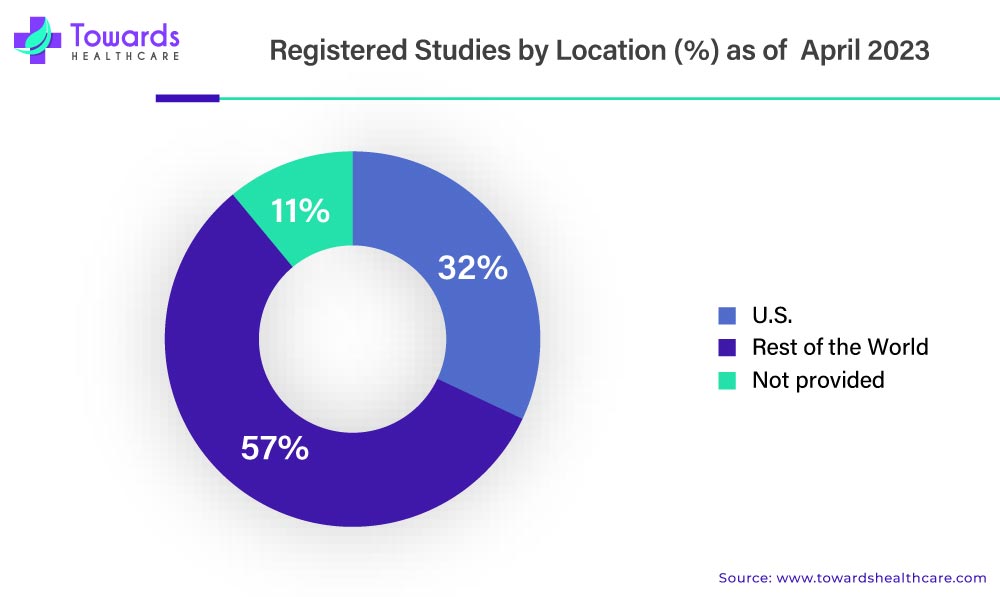
    Clinical Trials Market Registered Studies by Location (%) as of April 2023

    1 North America (U.S. & Canada)

    Dominant spend & sponsor concentration

    ◉The U.S. is home to the largest number of top 20 global pharmaceutical and biotech firms.

    ◉CRO headquarters concentration: Many of the top global CROs (IQVIA, Parexel, PPD) are U.S.-based, anchoring sponsor-CRO collaborations.

    ◉This creates a scale effect: sponsors can run high-budget, multi-indication programs with integrated preclinical-to-commercial solutions in one geography.

    Regulatory acceleration & transparency

    ◉FDA initiatives: Breakthrough Therapy Designation, Accelerated Approval, and Oncology Center of Excellence programs have cut timelines significantly for high-need therapies.

    ◉COVID-19-era reforms (CTAP, EUA pathways) set precedents for rapid data review and rolling submissions.

    ◉Net effect: U.S. trials often start first globally, with early access to novel modalities (cell/gene therapies, mRNA vaccines, precision oncology drugs).

    High technology adoption

    ◉Broad adoption of decentralized trial technologies: eSource, remote monitoring, RBM (Risk-Based Monitoring), AI-driven feasibility.

    ◉U.S. sites are typically first adopters of advanced data capture systems, creating faster learning cycles for new tech.

    ◉Academic medical centers (e.g., MD Anderson, Mayo, Dana-Farber) anchor early-phase and high-complexity trial ecosystems.

    Patient advocacy & diverse recruitment pressure

    ◉Patient advocacy groups (esp. in oncology, rare diseases, HIV) lobby regulators and sponsors for inclusion and accelerated access.

    ◉FDA mandates diversity plans for pivotal trials; recruitment incentives increasingly tied to socio-economic outreach.

    ◉Challenge: Persistent underrepresentation of minority and rural patients despite technology-enabled outreach.

    2 Europe (EU / UK)

    Harmonization via CTR & CTIS

    ◉Clinical Trials Regulation (CTR, Jan 2022) + CTIS platform centralize submissions across EU/EEA.

    ◉Benefits: Faster multi-country start-up, standardized documentation, improved transparency.

    ◉UK (post-Brexit) is pursuing MHRA fast-track models to remain competitive.

    High regulatory standards & data privacy

    ◉GDPR = strictest global regime on patient data. Sponsors must build privacy-aware RWE/registry pipelines.

    ◉Data localization laws (Germany, France) complicate multinational data flows, requiring hybrid data architecture.

    Strong academic networks

    ◉Pan-European cooperative groups in oncology, cardiology, and rare disease trials (e.g., EORTC) attract global partnerships.

    ◉Sponsors increasingly outsource to CROs for managing complex biologics/advanced therapies in EU markets, where regulatory documentation and GMP are highly demanding.

    3 Asia-Pacific (China, India, Japan, Southeast Asia)

    Rapid growth & patient access

    ◉Large treatment-naïve patient pools (esp. oncology, infectious diseases, metabolic syndromes).

    ◉Cost arbitrage: per-patient trial costs 30–50% lower vs. U.S./EU.

    ◉Sponsors use APAC for Phase III global recruitment acceleration and local bridging studies.

    Regulatory modernization

    ◉China (NMPA reforms, ICH alignment, faster IND review timelines).

    ◉India (new NDCT rules, ethics harmonization, trial insurance mandates).

    ◉Japan: still slower but investing in regenerative medicine fast-tracks.

    ◉These reforms boost data credibility, encouraging global sponsors to include APAC data in pivotal filings.

    Localization & capacity building

    ◉Need for cultural adaptation in informed consent, language-specific patient materials.

    ◉Investment in investigator training and infrastructure (biobanks, cold chain) critical for trial quality.

    4 Latin America

    Faster recruitment & diversity

    ◉Patient willingness is high, especially in oncology, infectious diseases, and vaccines.

    ◉Adds valuable ethnic and genetic diversity to global datasets.

    ◉Sponsors leverage this region to rescue slow-recruiting U.S./EU trials.

    Regulatory variability

    ◉Brazil (ANVISA) and Mexico show increasing alignment with ICH, but timelines still inconsistent.

    ◉Country-by-country submission strategies often required, slowing multi-country trial launches.

    ◉Site infrastructure improving, especially in urban research centers.

    5 Middle East & Africa (MEA)

    Emerging markets with untapped populations

    ◉GCC nations (UAE, Saudi Arabia, Qatar) investing in trial hubs (precision medicine, oncology).

    ◉Africa: Large untapped patient pools in infectious diseases and chronic illness — but infrastructure gaps persist.

    Infrastructure & ethics capacity building

    ◉Need for harmonized ethics committees and GCP-compliant trial centers.

    ◉Logistics challenge: cold chain for biologics and cell therapies.

    ◉Sponsors often partner with local ministries of health to build capacity before launching large-scale trials.

    Market Dynamics

    1 Drivers

    ◉Rising R&D budgets & complex pipelines → biologics, cell & gene therapies require longer, more costly trials.

    ◉Personalized medicine & biomarkers → precision subgroups require adaptive and stratified trial designs.

    ◉Decentralization & digital health → broader patient reach, reduces geographic/logistical barriers.

    ◉Regulatory reforms & accelerated pathways → faster approvals motivate early-phase investment.

    2 Restraints

    ◉Operational complexity & data heterogeneity → integrating EHR, wearables, lab data = non-trivial.

    ◉Regulatory & privacy barriers → GDPR, HIPAA, national data sovereignty laws.

    ◉Recruitment & retention challenges → rare disease cohorts, fragile elderly populations, pediatric cases.

    ◉Rising trial costs → biologics manufacturing, hybrid monitoring, and supply logistics inflate budgets.

    3 Opportunities

    ◉AI & analytics platforms → predictive recruitment, automated data cleaning, adaptive trial optimization.

    ◉RWE & synthetic controls → reduce control-arm burden, accelerate submissions.

    ◉Niche CRO services → home nursing, decentralized orchestration, telehealth endpoints.

    ◉Emerging geographies → faster recruitment, cost efficiencies, underrepresented genetic populations.

    4 Other Dynamics

    ◉Consolidation & partnerships → top CROs expanding into digital platforms and AI alliances.

    ◉Investor & VC interest → funding in digital trial platforms, decentralized models, AI-powered analytics remains robust.

    Top Companies

    1 IQVIA

    ◉Overview: Largest global CRO + healthcare data powerhouse.

    ◉Capabilities: End-to-end CRO services, AI site feasibility, RWE products (claims/EHR databases).

    ◉Strengths: Integrated clinical-commercial lifecycle, unmatched data depth for trial optimization.

    2 Parexel

    ◉Overview: Leading CRO with strong regulatory & late-phase expertise.

    ◉Capabilities: Clinical development, eClinical tools, regulatory/market access advisory.

    ◉Strengths: Deep EMA/FDA regulatory know-how, broad site relationships, strong in biologics.

    3 Charles River Laboratories

    ◉Overview: Preclinical leader expanding into translational/early clinical support.

    ◉Capabilities: Safety/toxicology, biologics testing, IND-enabling studies.

    ◉Strengths: Accelerates bench-to-IND readiness, complements CRO partners in later phases.

    4 PPD (Thermo Fisher Scientific subsidiary)

    ◉Overview: Full-service CRO with lab and supply chain capabilities.

    ◉Capabilities: Clinical development, central labs, supply packaging/logistics.

    ◉Strengths: Scale, lab depth, and operational excellence across multiple therapeutic areas.

    5 Omnicare / Kendle / Chiltern (historical niche players)

    ◉Overview: Now absorbed into larger entities, but historically strong in specialized therapeutic areas.

    ◉Strengths: Long-term site relationships, niche service lines that shaped CRO evolution.

    Latest announcements & developments

    1) Melvin & Bren Simon Cancer Center — REGN5459 (Apr 2023)

    ◉What happened (summary): first-in-human multiple myeloma trial showing ~90.5% overall response rate at higher doses (early cohorts).

    Why it matters

    ◉Clinical validation speed: such high early ORR shortens the evidence gap between preclinical promise and clinical signal — accelerates dose expansion & pivotal planning.

    ◉Investor & partner interest: strong early signals draw capital, licensing conversations, and faster CRO/supply commitments.

    ◉Regulatory attention: early high responses may justify Breakthrough Designation / accelerated pathways (if safety profile acceptable).

    Operational implications

    ◉Rapid scale-up needs: need to expand sites, logistics for increased IMP supply, and central lab throughput.

    ◉Biomarker & companion diagnostics: likely requirement to standardize assays across sites — QC and cross-lab harmonization essential.

    ◉Safety surveillance: intensive pharmacovigilance and DSMB cadence during expansion; SAE workflows must be prepped.

    KPIs to monitor

    ◉time from dose-expansion decision to first patient enrolled (target: weeks–months),

    ◉IMP manufacturing lead time and lot release rate,

    ◉protocol amendment turnaround time (regulatory + site activation).

    Risks & mitigations

    ◉Risk: early signal not durable → Mitigation: implement robust, pre-specified durability endpoints and interim analyses.

    ◉Risk: supply bottlenecks for biologic drug product → Mitigation: multiple manufacturing slots and safety stock.

    2) MD Anderson at AACR 2023 — multiple early oncology signals

    Why it matters

    ◉Confirms oncology continues to be the innovation engine, with multiple academic centers rapidly translating biology into trials.

    ◉Universities accelerate first-in-human work which then moves to industry-sponsored registrational programs.

    Operational implications

    ◉Academic-to-industry handoffs: standardized data formats and early engagement with sponsor regulatory teams accelerate IND-to-CTA transitions.

    ◉Site capacity management: top academic centers become bottlenecks — expand investigator network planning early.

    3) EU CTIS adoption (Jan 2022/2023) — centralized EU submissions

    Why it matters

    ◉Single portal reduces duplication but increases transparency and harmonization across member states.

    ◉Mandatory use changed submission lifecycles and resource planning.

    Operational implications

    ◉Regulatory submission redesign: templates, translations, and country-specific annexes need central coordination.

    ◉Public disclosure planning: sponsors must manage communication strategy for trial registries & posted documents.

    Practical checklist

    ◉map CTIS dossier structure to internal CTMS,

    ◉pre-plan translations and local investigator brochures,

    ◉assign a CTIS submission owner and QPPV (where applicable).

    4) COVID-19 legacy — decentralized trials, telemedicine, remote monitoring

    Why it matters

    ◉DCTs moved from pilot to standard — reduced patient burden, improved reach, and changed monitoring models.

    Operational implications

    ◉Hybrid protocol design: mix site visits with home nursing, eConsent, wearable endpoints.

    ◉Supply & logistics: home delivery of IMPs, kit returns, chain-of-custody for samples.

    ◉Monitoring model: RBM + central monitoring dashboards replace some SDV; on-site visits targeted.

    Key performance changes (typical, illustrative)

    ◉enrollment speed ↑, screen-failures ↓, monitoring travel costs ↓ — measure these per trial phase to quantify ROI.

    Risks & mitigations

    ◉Data integrity concerns from decentralized capture → implement eSource validation, timestamped audit trails, and device calibration SOPs.

    5) Rising registered trials — ClinicalTrials.gov ~400k+ entries

    Why it matters

    ◉Reflects growing trial volume, transparency, and competition for patient recruitment.

    ◉Public registry density increases ability to plan global feasibility but also elevates need for differentiation in recruitment outreach.

    Operational implications

    ◉Feasibility complexity: more competing trials in the same indications → sponsors must target under-served regions or adopt DCTs.

    ◉Competitive intelligence: continuous registry scanning to identify overlapping trials and avoid recruitment cannibalization.

    6) Biotech-driven pipeline — cell & gene therapies, cold-chain logistics

    Why it matters

    ◉ATMPs and personalized biologics demand specialist CROs/suppliers and logistics (chain-of-custody, cryopreservation).

    ◉Drives demand for centralized manufacturing, regional hubs, and cell therapy couriers.

    Operational implications

    ◉Extended supply chain planning: manufacturing slots, release testing, and regional distribution must be booked much earlier.

    ◉Regulatory & quality: sterility assurance, lot comparability and chain-of-identity documentation become critical.

    KPIs

    ◉turnaround time for apheresis → product infusion, percentage of shipments meeting temperature range, lot-release time.

    Segments Covered

    1 By Phase — operational depth & resource profile

    Phase I (First-in-Human)

    ◉Focus: safety, tolerability, PK/PD.

    ◉Resource needs: specialized early-phase units, intensive PK sampling, bioanalytics, GMP IMP supply at small scale.

    ◉Operational notes: rapid protocol amendments common; adaptive dose escalation (3+3, Bayesian model) and cohort expansion require nimble monitoring and rapid lab turnaround.

    Phase II (Proof-of-Concept)

    ◉Focus: efficacy signals, dose optimization, biomarker validation.

    ◉Resource needs: central labs for biomarker assays, imaging core labs, statisticians for interim analyses.

    ◉Operational notes: adaptive designs reduce sample size but require sophisticated DSMB and statistical plan.

    Phase III (Confirmatory)

    ◉Focus: definitive efficacy/safety, regulatory submission data.

    ◉Resource needs: global site network, logistics for large IMP volumes, full pharmacovigilance infrastructure, data lock and submission teams.

    ◉Cost drivers: number of sites, duration, complexity of endpoints (event-driven trials can extend timelines).

    ◉Operational notes: long lead times for site activation and country approvals—start early in project timelines.

    Phase IV (Post-Marketing)

    ◉Focus: long-term safety, label expansion, RWE.

    ◉Resource needs: registry management, claims/EHR data partnerships, long-term follow-up processes.

    ◉Operational notes: integration with health systems and payer data sources is key.

    2 By Study Design — operational tradeoffs

    ◉Interventional (RCTs, Platform/Basket)

    ◉Complexity: high (randomization, blinding, DSMBs).

    ◉Advantages: gold standard for efficacy.

    ◉Operational needs: randomization systems, clinical endpoint committees, central adjudication.

    Observational (Registries, RWE)

    ◉Complexity: moderate, but data heterogeneity high.

    ◉Advantages: cost-effective, large sample sizes, long follow-up.

    ◉Operational needs: data harmonization, ETL pipelines, cleaning & provenance.

    Expanded Access

    ◉Complexity: regulatory & compassionate use procedures.

    ◉Operational needs: close safety reporting, ethical oversight, logistics for off-label distribution.

    3 By Indication — key operational challenges & strategic levers

    ◉Oncology

    ◉Challenge: biomarker stratification, rapid standard-of-care changes, competition for patients.

    ◉Levers: basket/platform trials, centralized NGS testing, partnerships with academic centers.

    CNS

    ◉Challenge: subjective endpoints, slow progression, high placebo effects.

    ◉Levers: digital biomarkers (speech, gait sensors), long-term passive monitoring, enriched enrollment strategies.

    Cardio/Metabolic

    ◉Challenge: event-driven endpoints require long follow-up and large N.

    ◉Levers: surrogate biomarkers, pragmatic trial designs, EHR-based event capture.

    Rare/Orphan

    ◉Challenge: tiny populations, variable natural history.

    ◉Levers: adaptive designs, n-of-1, external/synthetic controls, accelerated approvals & orphan incentives.

    4 By Service Type — operational considerations & vendor selection criteria

    ◉CRO Services

    ◉What to evaluate: global footprint, therapeutic experience, data quality record, and regulatory inspection history.

    ◉Operational need: integrated CTMS/EDC, vendor oversight processes.

    Site Network Management

    ◉What to evaluate: investigator productivity, patient registries, contracting speed.

    ◉Operational need: SLA for site activation, eTMF completeness.

    ◉eClinical Tech (EDC, eConsent, ePRO)

    ◉What to evaluate: compliance (21 CFR Part 11), integration capability with wearables/EHR, user adoption.

    ◉Operational need: validation plans, training programs, device management SOPs.

    Supplies & Logistics

    ◉What to evaluate: cold-chain capabilities, regional distribution partners, comparator sourcing.

    ◉Operational need: temperature mapping, contingency routes, chain-of-identity documentation.

    Analytics & RWE

    ◉What to evaluate: data provenance, methods for bias adjustment, regulatory acceptance track record.

    ◉Operational need: ETL standards, synthetic control development SOPs, explainability for ML models.

    Top 5 FAQs

    Q1: What is the current size and projected size of the global clinical trials market?
    A: The market was estimated at USD 54.39 billion in 2024 and is projected to reach USD 94.68 billion by 2034, growing at a 5.7% CAGR (2024–2034). (User data)

    Q2: How has COVID-19 affected clinical trial operations long-term?
    A: COVID-19 accelerated decentralized/hybrid trial adoption, telemedicine, remote monitoring and digital endpoints. Many of these operational models persisted because they improve recruitment, retention and cost efficiency. (User data + examples such as ACTIV program.)

    Q3: How many clinical trials/records exist in public registries?
    A: Public registries like ClinicalTrials.gov report hundreds of thousands of registered studies across 200+ countries (ClinicalTrials.gov historically >440k entries), reflecting large global trial throughput.

    Q4: What are the biggest growth drivers for the clinical trials market?
    A: Key drivers include rising R&D investments (biologics, gene/cell therapies), personalized medicine demands (biomarkers), regulatory acceleration programs (e.g., FDA CTAP), and adoption of digital health and decentralized trial models. (User data)

    Q5: Which company types are dominating the market and why?
    A: Large full-service CROs (IQVIA, Parexel, PPD) dominate because they offer integrated global services, data assets, regulatory expertise and end-to-end capabilities; specialized niche vendors provide decentralized trial tech, digital endpoints and AI analytics.

    Access our exclusive, data-rich dashboard dedicated to the healthcare market – built specifically for decision-makers, strategists, and industry leaders. The dashboard features comprehensive statistical data, segment-wise market breakdowns, regional performance shares, detailed company profiles, annual updates, and much more. From market sizing to competitive intelligence, this powerful tool is one-stop solution to your gateway.

    Access the Dashboard: https://www.towardshealthcare.com/access-dashboard

    Immediate Delivery Available | Buy This Premium Research @ https://www.towardshealthcare.com/price/5029

    Become a valued research partner with us – https://www.towardshealthcare.com/schedule-meeting

    You can place an order or ask any questions, please feel free to contact us at sales@towardshealthcare.com

    Powering Healthcare Leaders with Real-Time Insights: https://www.towardshealthcare.com/healthcare-intelligence-platform

    Europe Region – +44 778 256 0738

    North America Region – +1 8044 4193 44

    Web: https://www.towardshealthcare.com

    Find us on social platforms: LinkedInTwitterInstagram | Medium | Pinterest

  • Clinical Trials Market Poised to Surpass USD 83.55 Billion by 2032

    Clinical Trials Market Poised to Surpass USD 83.55 Billion by 2032

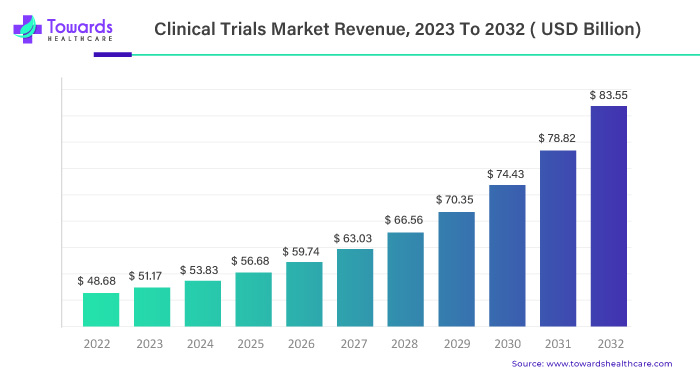
    In the dynamic landscape of medical research, the global clinical trials market emerges as a robust force, marked by a valuation of USD 48.68 billion in 2022. Projections indicate a remarkable ascent, reaching USD 83.55 billion by 2032. This trajectory is underlined by a steady Compound Annual Growth Rate (CAGR) exceeding 5.7% during the forecast period from 2023 to 2032.

    Clinical Trials Market Size 2023 - 2032

    Unveiling the Significance of Clinical Trials

    Pioneering Medical Advancements

    Clinical trials market stand as the cornerstone of medical progress, serving as essential endeavors to test and validate new treatments, medications, and therapeutic interventions. These trials play a pivotal role in advancing healthcare by ensuring the safety and efficacy of novel medical approaches.

    Diverse Spectrum of Research

    Encompassing a broad spectrum of medical disciplines, clinical trials market delve into areas such as pharmaceuticals, biotechnology, medical devices, and treatment modalities. From exploring groundbreaking therapies to validating preventive measures, clinical trials are instrumental in shaping the future of healthcare.

    R&D spending on pharmaceutical companies helps in the innovation of new drug development-boosting clinical trials market.

    A clinical trial is a collection and integration validation of clinical trial data. Clinical trials market can be divided into five phases, with every phase playing a distinct purpose within the clinical trial. Every trial adheres to a procedure that designates what types of individuals may participate in the study. Clinical trials are conducted for many reasons to establish the effectiveness and safety of a new medicine or device for human use and research other approaches of using current, approved treatments or standard treatments to make them more usable, more effective, or have fewer negative effects, gain knowledge about how to safely provide treatment to a group for which it has not yet undergone testing, such as youngsters.

    The trials also outline the exact plan of procedures, tests, medications, and doses within the trial apart from specifying the span of the study. In recent years, the costs associated with drug development have increased significantly, driving pharma and biotech companies to look for modernizations and smarter ways of conducting business. One important trend is the outsourcing of clinical research activities by manufacturers. By subcontracting their R&D activities, pharma and biotech companies are reforming the drug development facilities business.

    The R&D service providers have risen from just a few establishments providing restricted clinical trial facilities to big conglomerates offering an extensive range of facilities like study design, preclinical evaluations, clinical trial management and planning, autonomous safety data audit, bio-statistical analysis, and several more.

    Covid Impact on Clinical Trials

    Since the COVID-19 epidemic has hampered transportation and population movements all over the world, many clinical trial participants are unable to visit trial locations, while PIs (principal investigators) and other clinical staff are restricted to staying at home.

    As a result, the COVID-19 pandemic had a minor negative effect on the clinical trials market, 2020 saw a significant setback for the market as fewer or no people were recruited to participate in research trials to prevent contracting the virus. But shortly the sector saw a sharp increase in growth. This is due to an increase in clinical research efforts and a growth in the demand for potent and cutting-edge medications and vaccines.

    The COVID-19 pandemic has also caused significant changes in the market and redirected many commercial and research organizations’ attention to the creation of novel COVID-19 vaccines and treatments. The expansion of COVID-19-specific services by clinical research organizations is anticipated to contribute to the market’s continued growth. The market has been stimulated by large expenditures made to support the manufacturing capacities targeted at completing the necessary production of COVID-19 vaccines and medicines.

    An increase in Investment in Pharmaceutical Research & Development Drives Market Growth

    Most healthcare, pharmaceutical, biopharmaceutical, and medical device companies continue working on research and development and heavily invest in the development of novel drugs and devices. Pharmaceutical companies highly invest in research and development to deliver high-quality and innovative products for patients. Nowadays top pharma companies are increasing their research and development efficiencies through high investment in R&D and collaborative efforts.

    The increase in research and development expenditure of pharmaceutical and biopharmaceutical companies is prompting them to opt for providing fully integrated or functional outsourcing services, from the early development phase to the last phase for both drug development and discovery. Big pharmaceutical companies have enormous pressure for a fixed cost of the drugs and time limit for development as they fully involve in outsourcing drugs, most pharmaceutical and biopharmaceutical companies tend to outsource their testing functions during R&D to improve profitability, to meet the timelines involved in drug development, and save costs.

    The increasing number of drugs required outsourcing various drug development stages to manage capacities and access scientific and process innovations to develop cost-effective and efficient drug molecules. This trend is expected to drive the growth of the clinical trial market. The industry is expected to grow as technologically sophisticated digital solutions become more widely used with several government initiatives. Another factor driving the burden of chronic disease demand for clinical trials market is the growing elderly population.

    With the rising prevalence of chronic diseases, pharmaceutical companies have increased their attention to creating novel treatments for rare or hereditary diseases that necessitate specialized clinical studies. This is expected to accelerate the growth of the sector.

    Crucial factors accountable for market growth are:

    • Growing prevalence of chronic disorders
    • Increasing number of clinical trials in developing regions
    • Growing number of biologics
    • Increasing demand for advanced treatments such as personalized medicines

    A Growing number of Clinical Trials Outsourcing services to CROs future the Market Growth 

    The increased uptake of cutting-edge medical technologies and the expanding demand for novel pharmaceuticals are driving up demand for the clinical trials market. Additionally, the high costs and substantially lower approval rates of the medication development process make it exceedingly dangerous for pharmaceutical and biotechnology companies, which restricts the market growth for clinical trials. As a result, contract research organizations (CROs) are increasingly being used to conduct clinical trials, which allows sponsors to focus primarily on the development of new drugs and improves the prognosis for the market.

    Additionally, the size and number of clinical trials market have increased as the commercialization of clinical research spreads from Europe and the US to most of the world. As a result, pharmaceutical companies are under more pressure to meet deadlines. Even huge pharmaceutical companies are finding it challenging to handle the rising workload, which is driving up outsourcing. So, during the projection period, the market is expected to grow as demand for clinical trial outsourcing rises.

    Segmentation outlook 

    The Clinical Trial Market is segmented according to By Phase, By Study Design, By Indication, and By Region. The phases as classified as Phase 1, Phase 2, Phase 3, and Phase 4.

    Phase 3 segment recorded the major market stake in the worldwide clinical trials market in 2022 and has garnered a revenue share of more than 55%. Implementation on a large scale is the major reason for the high market share of phase 3. Other factors such as high cost and the increasing trend of outsourcing are expected to boost the demand over the estimated period. The Phase 2 clinical trials market are anticipated to advance at the maximum CAGR through the forecast period as an increase in pharmacokinetics and pharmacodynamics study.

    Interventional Study is Projected to Dominate the Study Design Segment of the Clinical Trials Market Revenue

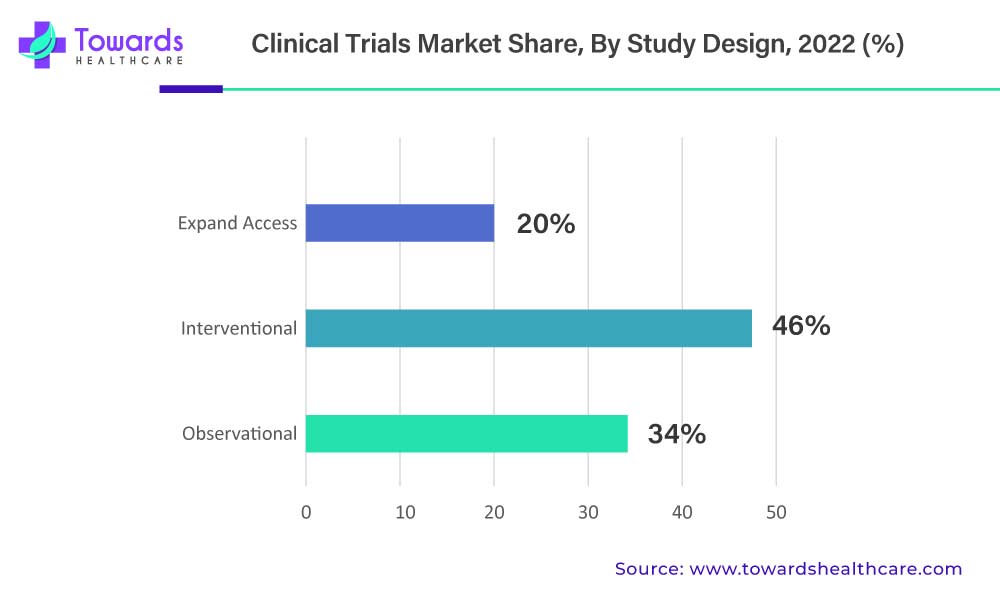
    The requirement for clinical trials market in developing diagnostic tests and vaccines for viral diseases such as SARS-CoV-2 has augmented the demand for clinical trials exponentially. Thus, the high incidence of novel viral diseases and ongoing technological improvements in clinical trials are major reasons for the high revenue share of interventional studies. The interventional study segment is expected to grow at a CAGR of 5.4% from 2022 to 2030. The interventional design segment accounted largest market share 46% in 2022.

    Clinical Trials Market Share, By Study Design, 2022 (%)

    Oncology is Projected to Dominate the Indication Segment of the Clinical Trials Market Revenue

    Constant research on cancer treatment and increasing demand for precision medicine are the major reasons responsible for the high market share of oncology. The oncology segment was valued at USD 25 billion by 2030. The oncology segment accounted for a revenue share of 24% in 2021 and is expected to witness growth at a CAGR of 6.4% over the forecast period from 2022 to 2030.

    North America is Estimated to be the Largest Market for Clinical Trials Market

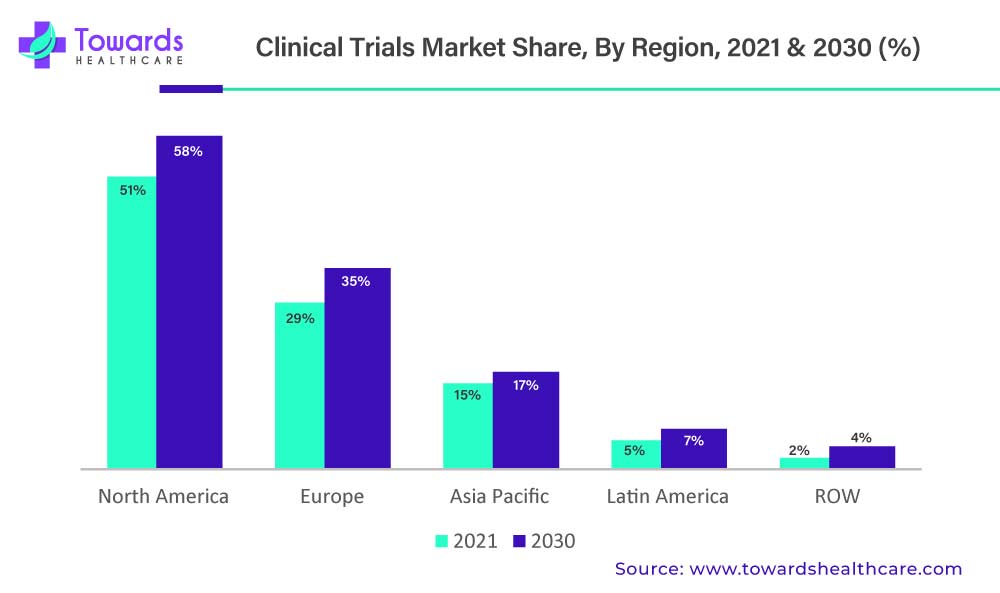
    The research study covers key prospects and trends of clinical trial products throughout different regions including Europe, North America, Asia-Pacific, the Middle East, Africa, and Latin America. Regionally, the clinical trials market is dominated by North America due to the high incidence of chronic disorders and the presence of the latest healthcare infrastructure. The North American clinical trials market was valued at USD 24 billion in 2021. North America accounted largest revenue share 51% in 2021.

    On the other hand, Asia-Pacific is anticipated to witness a rapid growth rate of 7%, on account of increasing investment by governments in research and growing awareness regarding precision medicine.

    Clinical Trials Market Share, By Region, 2021 & 2030 (%)

    Key players in the Clinical Trial Market

    The Clinical trial market is consolidated, competitive, and consists of a few significant players. The major players in the market have implemented specific strategies, like product launches, to sustain market competition. With the rising demand driven by the increasing medical applications, manufacturers are investing more in R&D, which may cause the market in the forecast period. The companies focusing on research and development are expected to lead the global clinical trials market. Leading competitors contending in the global clinical trials market are as follows.

    Market Dynamics: Catalysts for Growth

    Technological Advancements: Driving Innovation

    The continuous evolution of technology fuels the momentum of clinical trials. Innovations in data analytics, digital platforms, and real-time monitoring enhance the efficiency and precision of these trials. The integration of technological advancements positions the market for sustained growth.

    Rising Global Health Awareness: Aiding Market Expansion

    Increasing awareness about health, coupled with a growing emphasis on preventive and personalized medicine, amplifies the demand for clinical trials. As the global population becomes more health-conscious, the market responds with a surge in research initiatives and trials addressing diverse medical needs.

    Future Trajectory: A CAGR of 5.7% and Beyond

    Projected Growth: A Testament to Research Vigor

    The projected CAGR of more than 5.7% from 2023 to 2032 underscores the vigor of ongoing research efforts. As the medical community intensifies its pursuit of innovative solutions, the global clinical trials market is set to witness a profound impact on the trajectory of healthcare advancements.

    Global Collaboration: Accelerating Research Initiatives

    In the quest for breakthroughs, collaboration emerges as a driving force. Collaborative efforts between research institutions, pharmaceutical companies, and healthcare providers create synergies, fostering a conducive environment for accelerated clinical trials market and impactful discoveries.

    Charting the Course for Medical Breakthroughs

    The global clinical trials market, poised to surpass USD 83.55 billion by 2032, symbolizes a commitment to pushing the boundaries of medical knowledge. With a registered CAGR of more than 5.7%, the market reflects the resilience and dedication of the research community. As clinical trials market continue to unravel new possibilities and redefine medical paradigms, the future holds promise for groundbreaking discoveries that will shape the landscape of healthcare for generations to come.

  • Clinical Trials Market on the Brink of Exponential Growth of USD 83.55 billion by 2032

    Clinical Trials Market on the Brink of Exponential Growth of USD 83.55 billion by 2032

    The clinical trials market is poised for a substantial surge, projecting a remarkable increase from its 2022 valuation of USD 48.68 billion. Envisaging a steady 5.6% Compound Annual Growth Rate (CAGR) from 2023 to 2032, industry projections indicate a significant expansion, reaching an estimated USD 83.55 billion by 2032. This notable growth is intricately tied to the escalating demand for personalized medicines, increased investment in Research and Development (R&D), and the widespread adoption of decentralized clinical trials.

    Clinical Trials Market Size 2023 - 2032

    Personalized Medicines Driving Clinical Innovations

    Paradigm Shift towards Patient-Centric Treatments

    At the heart of this transformative trajectory is the surging demand for personalized medicines. Clinical trials market play a pivotal role in advancing the development of tailored treatments, catering to individual patient needs. The paradigm shift towards patient-centric healthcare underscores the critical role clinical trials play in bringing about revolutionary advancements in personalized medicine.

    Precision Medicine: Redefining Treatment Strategies

    The growing emphasis on precision medicine amplifies the significance of clinical trials market. These trials serve as testing grounds for innovative therapeutic approaches that target specific genetic, molecular, or phenotypic traits, ushering in a new era of highly targeted and effective treatments.

    41% of the clinical trial outcomes were submitted to the ClinicalTrials.gov federal database in the fiscal year 2022, with a rise from 34% in 2021

    Clinical trials market refer to a medical research study that evaluates the safety and effectiveness of new drugs, medical devices, diagnostic tools, or other medical interventions in humans. Clinical trials are conducted in phases, each with specific objectives and designs. Clinical trials are critical in advancing medical knowledge and improving patient care by identifying new and effective treatments, improving existing treatments, and identifying potential risks or side effects of medical interventions. The clinical trials market includes various participants, including pharmaceutical and biotechnology companies, contract research organizations (CROs), academic research institutions, regulatory bodies, and healthcare providers.

    The government is exclusively making efforts to drive the clinical trials market growth. They are allocating new resources to data collection & scientific infrastructure, strengthening the protection of intellectual property, and affording access to patient populations. The R&D environment is also improving steadily across the globe.  The world is hosting a growing pool of scientific & development expertise, adoption of advanced technology & quality clinical outsourcing providers. In addition, the various amendments made by the regulatory market to change the clinical trials market evaluation standards is driving the market growth.

    Most countries are now focused on more efficient registration & approval processes with a raft of significant improvements introduced worldwide. Governments across the world are investing in new resources to support data collection and scientific infrastructure, which is helping to create a more efficient and effective clinical trial process. In addition, governments are taking steps to strengthen the protection of intellectual property, which is crucial for promoting innovation and attracting investment in the clinical trials market.

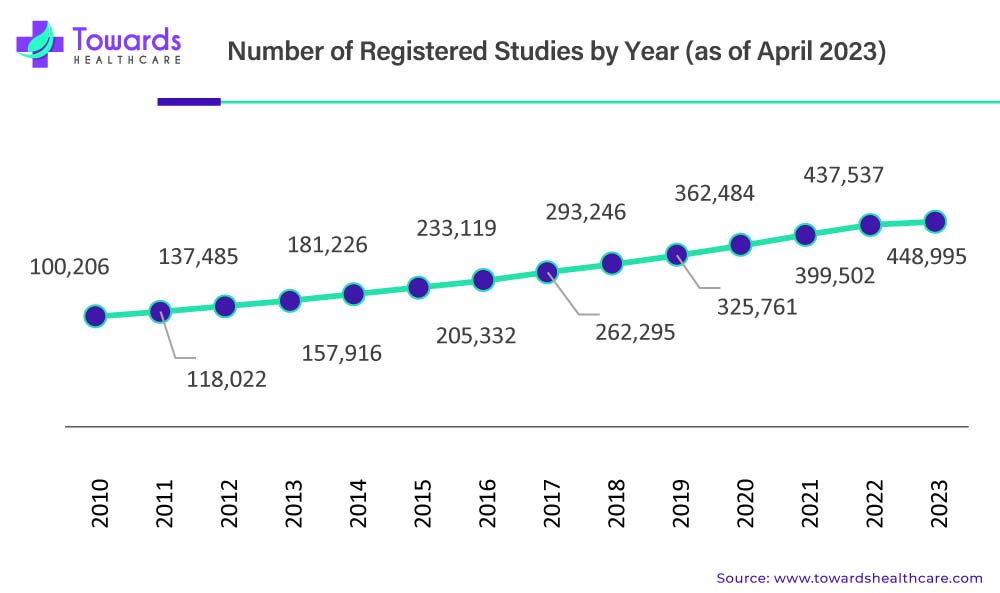
    Furthermore, favorable government support and stringent regulations in clinical trials are anticipated to boost the demand. For instance, in March 2020, the FDA launched a Coronavirus Treatment Acceleration Program (CTAP) for possible therapies to speed up the development of treatment for the global disease caused by the coronavirus. Moreover, ClinicalTrials.gov has published a database of around 448,686 privately and publicly funded clinical studies around the globe in 221 countries. And according to them, there has been a significant increase in the number of clinical trials market performed over the years.
    Clinical Trials Market Registered Studies by Location (%) as of April 2023

    Clinical Trials Market Number of Registered Studies by Year (as of April 2023)

    The clinical trials market is driven by several factors, including the increasing prevalence of chronic diseases, the growing demand for personalized medicine, and the need for innovative and effective treatments. With the increasing focus on precision medicine and personalized healthcare, there is a growing demand for clinical trials market that can identify biomarkers and other patient-specific factors that can be used to tailor treatments to individual patients. In addition, the clinical trials market is also being shaped by the increasing use of technology and data analytics to improve trial design and patient recruitment, as well as the use of virtual and decentralized clinical trials to reduce costs and increase patient access.

    Another important factor driving the growth of the clinical trials market is the increasing access to patient populations. Governments are taking steps to improve patient access to clinical trials by funding programs that encourage patient participation and by creating incentives for healthcare providers to participate in clinical trials market. The R&D environment is also improving steadily across the globe. Many countries are hosting a growing pool of scientific and development expertise, and the adoption of advanced technology is making it easier to conduct clinical trials and collect data. In addition, quality clinical outsourcing providers are becoming more widely available, making it easier for companies to conduct clinical trials market in multiple locations around the world.

    Patient-centric Approach is Leading the Way in Clinical Trials Market

    A modern approach that focuses on placing the patient at the center of the trial design and execution, with the aim of improving patient outcomes and satisfaction. Patients are involved in the trial design process from the outset, providing input on study protocols, patient information materials, and other aspects of the trial. With a focus on patient engagement and retention throughout the trial, efforts are made to enlist a diverse and representative patient population.

    In order to execute patient-friendly trial designs, the needs and preferences of patients are kept in mind, with a focus on minimizing the burden and inconvenience for patients. In addition, patient advocacy groups are often involved in the clinical trial process, advocating for patient needs and interests and providing support and resources to patients throughout the trial. By executing patient-friendly trial designs, companies can improve patient recruitment and retention rates, leading to more accurate and reliable data.

    Companies that prioritize patient engagement and satisfaction are more likely to build goodwill and positive relationships with patients, which can have long-term benefits for the company. Furthermore, reaching out to patients where they are while performing clinical trials market is the future of clinical trials. Some of the ways in which the future trial model is seeking to meet patients where they are include:

    Virtual and Decentralized Trials: With the help of technology, clinical trials market can be conducted virtually or decentralized, enabling patients to participate from the comfort of their own homes. This can increase participation rates, particularly among patients who live far from trial sites, have mobility issues, or have other health concerns that make it difficult to travel to study centers.

    Real-World Evidence: Real-world evidence (RWE) is data collected outside of traditional clinical trial settings, such as electronic health records, patient-generated health data, and other sources. By incorporating RWE into clinical trials, researchers can get a more comprehensive understanding of patient experiences and outcomes, which can help to improve trial design and recruitment.

    Patient Engagement: Engaging patients in the trial process, by providing regular updates, soliciting feedback, and offering support, can help to build trust and increase patient participation in trials.

    Growing Disease Variation And Prevalence

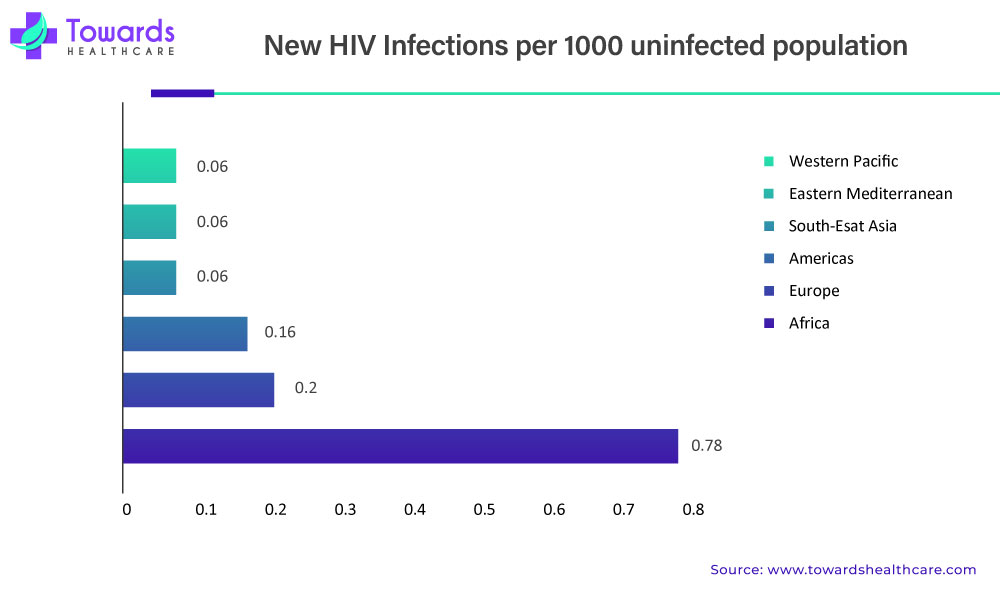
    The growing prevalence of disease and incidence of new diseases is expected to give a further boost to the clinical trial market. For instance, according to the WHO statistics reported in September 2022, Non-communicable diseases (NCDs) kill 41 million people each year, equivalent to 74% of all deaths globally. In addition, according to WHO estimates for 2021, 1.5 million people were newly infected with HIV.

    Clinical Trials Market New HIV Infections per 1000 uninfected population

    The worldwide population has varied disease profiles with emerging countries having the most diverse disease profile. This is expected to boost the clinical trial of new or rare diseases which otherwise would not have found any sponsors. More patients having a specific disease would act as a stimulus for biopharmaceutical companies to invest more in clinical trials market for a disease segment.

    A diverse population would also mean easy recruitment of patients and a faster clinical trial process. Rare diseases are given the status of “Orphan disease” in U.S. and biopharmaceutical companies who sponsor clinical trials market for Orphan drugs would get incentives for the process. This trend is likely to have a positive impact on clinical trials for rare diseases thereby increasing the global clinical trials market.

    In addition, advancements in medical technology and innovative research approaches have made it possible to conduct clinical trials market for a wider range of diseases and conditions, including rare and orphan diseases that were previously difficult to study. This has opened up new opportunities for pharmaceutical companies and clinical research organizations to develop treatments for previously untreatable or poorly treated conditions.

    Moreover, the increasing prevalence of chronic diseases such as cancer, diabetes, and cardiovascular diseases has also contributed to the growth of the clinical trial market. The burden of these diseases on healthcare systems and patients is significant, and there is a growing need for innovative and effective treatments that can improve patient outcomes and quality of life.

    As new diseases emerge and existing diseases evolve, there is a growing need for effective treatments that can improve patient outcomes and quality of life. This has led to an increase in demand for clinical trials that can test the safety and efficacy of new treatments. As a result, there has been a corresponding increase in the number of clinical trials being conducted globally, with many countries investing in research and development to address the growing demand.

    Shift Towards Personalized Medicines 

    The paradigm shift towards personalized medicine is expected to have a positive impact on the clinical trial market. The classic clinical trial process is carried out on thousands of people while personalized medicine will focus only on the effect of drugs on individual patients for a specific period. Very few medicines in the development phase pass all phases of a clinical trial due to the traditional clinical trial approach.

    The mentality of “one size will fit all” is acting as a barrier for drugs that are currently in pipeline but would never see the day. The use of pharmacogenetics in the clinical trial process is expected to increase the number of drugs passing all phases of the clinical trial process. The shift towards personalized medicine is expected to increase the use of pharmacogenetics in the clinical trial phase thereby increasing the pipeline of drugs. This trend is expected to instigate biopharmaceutical companies to invest more in the clinical trial phase.

    Regulators Remarkably Accepting Digital Health-tech Results into Improved Treatment Effectiveness 

    The use of digital health technologies, such as wearables, sensors, and mobile apps, has enabled researchers to collect large amounts of real-time patient data, which can be used to design more efficient and effective clinical trials market. Digital health technologies have the potential to improve clinical trials in a number of ways such as improved patient monitoring, enhanced patient engagement, precise data collection, improved trial design, and faster recruitment. Digital health technologies have enabled decentralized clinical trials, where patients can participate in clinical trials from their own homes using mobile apps, wearables, and telemedicine. This has the potential to reduce the cost and time required for clinical trials and increase patient participation.

    Regulators have recognized the potential of digital health technologies to improve clinical trials market and have been increasingly accepting of digital health-tech results as evidence of improved treatment effectiveness. The vast amounts of data generated by digital health technologies can be analyzed using AI and machine learning algorithms to identify patterns and generate insights. This has the potential to improve the design and implementation of clinical trials, as well as the evaluation of treatment effectiveness.

    Digital health technologies are enabling a more patient-centric approach to clinical trials, where patients have more control over their participation and can provide feedback on the design and implementation of clinical trials. This has the potential to improve patient engagement and retention in clinical trials market. In addition, Regulators are increasingly using real-world evidence generated by digital health technologies to evaluate treatment effectiveness.

    This has the potential to reduce the cost and time required for clinical trials and enable faster regulatory approval of treatments. This has created opportunities for innovative companies in the digital health space to partner with pharmaceutical companies and CROs to conduct more efficient and effective clinical trials market, ultimately leading to faster drug development and improved patient outcomes.

    COVID-19 Pandemic Accelerated the Adoption of Decentralized Clinical Trials 

    The COVID-19 pandemic has had a significant impact on the clinical trial industry, leading to the widespread adoption of decentralized clinical trials (DCTs). DCTs are trials that use digital technologies and remote monitoring to reduce the need for patients to travel to clinical sites and allow them to participate in trials from the comfort of their own homes. The COVID-19 pandemic has accelerated the adoption of DCTs and highlighted the potential benefits of these trials for improving patient access and engagement, reducing costs, and enhancing trial efficiency and flexibility.

    Several market players started providing decentralized clinical trials for patient convenience. For instance, the Northwell Health hospital system in New York started a clinical trial to see if the over-the-counter drug famotidine (also known as Pepcid) minimizes the severity of COVID-19 in symptomatic individuals who do not need to be hospitalized, in January 2021.

    In April 2020, the National Institute of Health in collaboration with the Foundation for the NIH (FNIH) launched a public-private partnership to accelerate treatment & vaccine options for Coronavirus. It included the European Medicines Agency, the U.S. FDA, the Centers for Disease Control and Prevention, the Health and Human Services Office of the Assistant Secretary for Preparedness and Response, and more than a dozen of biopharmaceutical companies to develop a global strategy for a synchronized research response to the global pandemic.

    The planned collaboration “Accelerating COVID-19 Therapeutic Interventions & Vaccines (ACTIV)” is designed to create a joint structure for focusing on streamlining clinical trials market, drug and vaccine candidates, leveraging assets, and coordinating regulatory processes among all partners to respond quickly to both present and potential pandemics.

    The COVID-19 pandemic has disrupted the clinical trial industry, forcing players to adopt decentralized clinical trials that allow patients to participate in trials from the comfort of their homes. This trend has been driven by the need to improve patient access and engagement, reduce costs, and enhance trial efficiency and flexibility. The adoption of decentralized clinical trials has been further accelerated by the National Institute of Health’s public-private partnership with several biopharmaceutical companies to develop a global strategy for a synchronized research response to the pandemic.

    This partnership has led to the development of a collaborative framework for prioritizing drug and vaccine candidates, coordinating regulatory processes, streamlining clinical trials market, and leveraging assets among all partners to quickly respond to the current and future pandemics.

    By adopting digital technologies and remote monitoring, clinical trial players can improve patient engagement and retention, reduce trial costs, and increase efficiency. Furthermore, the use of decentralized clinical trials is likely to continue even after the pandemic, as players seek to improve patient access and engagement while reducing costs and increasing efficiency. As such, companies that embrace decentralized clinical trials are likely to be well-positioned to meet the evolving needs of patients and improve their bottom lines.

    Solidarity Clinical Trials

    The Solidarity Clinical Trials have used a randomized controlled trial design, which is considered the gold standard for evaluating the effectiveness of medical treatments. The use of this design has allowed for rigorous evaluation of different treatments for COVID-19. It is an international clinical trial launched by the WHO to find effective treatment against COVID-19. It included comparing four treatment options against the standard of care to evaluate their effectiveness against Coronavirus. Solidarity clinical trials were meant to discover if any of the drugs improve survival or slow down the progression of the disease.

    The trials had been conducted in a relatively short period of time, which has allowed for the rapid generation of evidence on the safety and efficacy of different treatments for COVID-19. This has been particularly important given the urgent need for effective treatments for the disease. During March, the funding for the Solidarity trial reached USD 108 million from 203,000 individual donations, governments, and charitable organizations with 45 countries involved in financing.

    According to WHO, as of April 21st, 2020, around 100 countries participated in the trial and were working together to find effective therapeutics as early as possible. As per the WHO’s Director, by 18th March 2020, the ten countries that took part in the clinical trial are Thailand, Switzerland, Spain, South Africa, Norway, Iran, France, Canada, Bahrain, And Argentina.

    Rising Investment in Research and Development

    Accelerating Scientific Discoveries through R&D

    The expansion of the clinical trials market is intricately linked to increased investment in Research and Development. Pharmaceutical companies, biotech firms, and research institutions are channeling resources into exploring novel therapies and interventions. The outcomes of these endeavors contribute not only to scientific knowledge but also to the development of groundbreaking treatments that emerge from meticulously conducted clinical trials.

    Fostering Collaboration for Medical Breakthroughs

    R&D investment fosters collaboration among industry stakeholders, researchers, and academia. This collaborative synergy accelerates the pace of medical breakthroughs, propelling the clinical trials market forward as a catalyst for the translation of scientific discoveries into tangible healthcare solutions.

    Adoption of Decentralized Clinical Trials: A Transformative Trend

    Redefining Clinical Trial Dynamics

    The adoption of decentralized clinical trials marks a transformative trend in the industry. Moving away from traditional, site-centric models, decentralized trials leverage digital technologies to enhance participant engagement, improve data accuracy, and streamline trial logistics. This evolution in trial dynamics contributes to the market’s growth by making trials more accessible and efficient.

    Enhancing Patient Participation and Diversity

    Decentralized clinical trials address longstanding challenges related to patient participation and diversity. By leveraging remote monitoring and digital platforms, these trials remove geographical barriers, making participation more inclusive. The result is a diverse participant pool that better represents the broader population, leading to more robust and applicable trial outcomes.

    Market Dynamics: Navigating Trends and Challenges

    Technological Integration for Streamlined Processes

    As the clinical trials landscape evolves, technological integration becomes paramount. Embracing digital platforms, Artificial Intelligence (AI), and data analytics streamlines trial processes, reducing timelines and enhancing efficiency. The seamless integration of technology positions the market for sustained growth by optimizing trial management.

    Regulatory Adaptation for Innovation

    The regulatory landscape plays a crucial role in shaping the clinical trials market. As the industry embraces innovations such as decentralized trials and precision medicine approaches, regulatory bodies must adapt to ensure that standards are maintained while facilitating the efficient progression of transformative trial methodologies.

    A Future of Innovation in Clinical Research

    The imminent growth of the clinical trials market signifies a future characterized by innovation in clinical research. Fueled by the demand for personalized medicines, increased R&D investment, and the adoption of decentralized trial models, clinical trials stand at the forefront of advancing healthcare solutions. As the industry navigates evolving trends and addresses challenges, clinical trials emerge as a cornerstone, propelling the healthcare landscape towards a future where patient-centricity, innovation, and efficiency converge for the betterment of global health.