Tag: Pediatric Drugs Market

  • Pediatric Drugs Market Growth, Shares, Top Players and Latest Reports 2025- 2034

    Pediatric Drugs Market Growth, Shares, Top Players and Latest Reports 2025- 2034

    The global pediatric drugs market is projected to grow significantly from USD 162.56 billion in 2025 to USD 458.09 billion by 2034, with a CAGR of 12.2%.
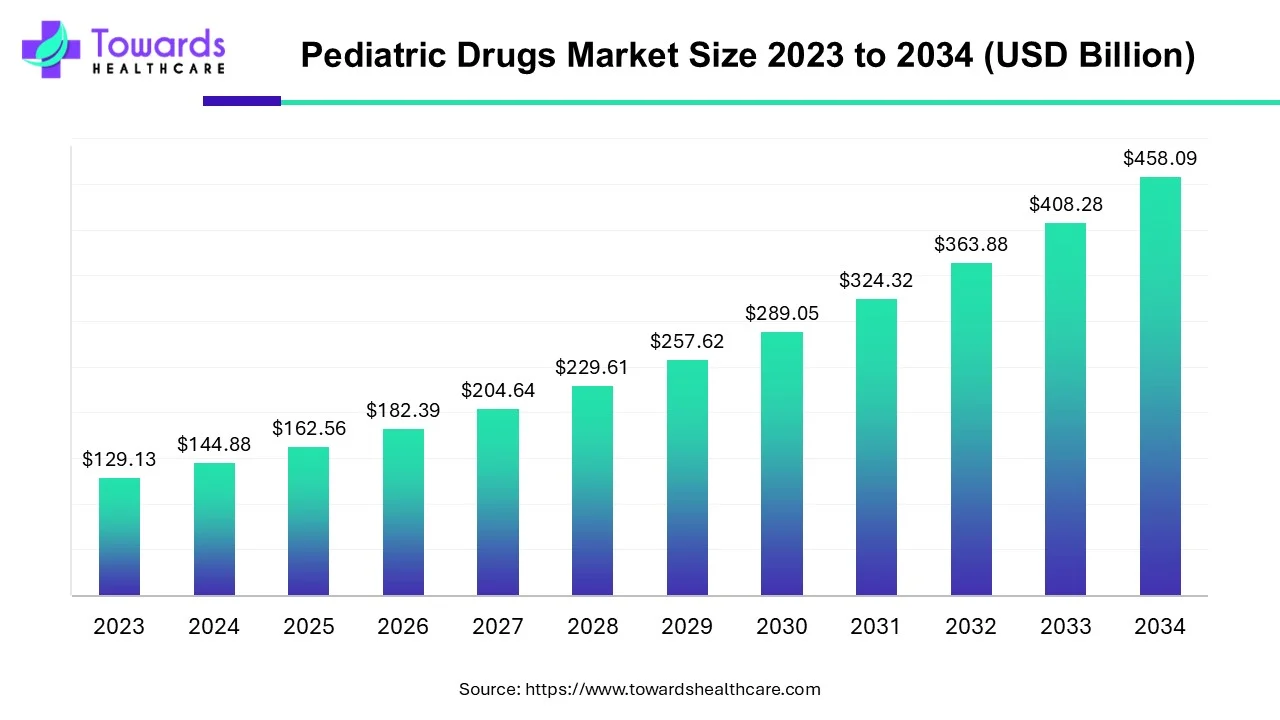
    Pediatric Drugs Market Size 2023 - 2034

    Download Free Sample of Pediatric Drugs Market Now and Get the Complete Report Easily at: https://www.towardshealthcare.com/download-sample/5074

    This growth is primarily driven by the increasing prevalence of pediatric disorders and the expanding pediatric population. Major market drivers include the rise in childhood diseases, government incentives for pediatric drug development, advancements in pediatric research, and the growing importance of personalized treatments tailored to children’s unique physiological needs. Additionally, WHO’s focus on developing essential antibiotics for children and the rise in clinical trials and drug approvals in pediatric oncology further contribute to the market’s expansion.

    Market Size:

    Overall Market Size:

    2025: USD 162.56 billion

    2034: USD 458.09 billion

    CAGR: 12.2%

    Segment-wise Market Size (2024):

    Respiratory Drugs: Dominant segment due to increased prevalence of chronic respiratory conditions like asthma and COPD.

    Gastrointestinal Drugs: Expected significant growth due to rising gastrointestinal disorders in children.

    Oral Drugs: Largest share in route of administration.

    Parenteral Drugs: Fastest-growing due to the need for injectable medications in younger children.

    Hospital Pharmacies: Leading distribution channel due to infrastructure and specialized pediatric care.

    Online Pharmacies: Fastest-growing distribution channel, driven by accessibility.

    Pediatric Drugs Market Trends

    Increasing Prevalence of Pediatric Disorders:

    Respiratory and gastrointestinal disorders are on the rise, contributing to the growing demand for pediatric drugs.

    Conditions such as asthma, obesity, diabetes, and neurological disorders are prevalent, driving the need for specialized medications.

    Government and Regulatory Support:

    WHO’s 2023 list of pediatric priority antibiotics fuels research.

    FDA and EMA initiatives like orphan drug designations for pediatric conditions provide incentives for companies to focus on pediatric drug development.

    Innovation in Pediatric Drug Formulations:

    The development of child-friendly formulations, including flavored syrups and chewable tablets, makes drugs more palatable for children.

    The use of AI and biotechnology is accelerating the development of more effective pediatric treatments.

    Focus on Rare Pediatric Diseases:

    Specialized drugs for diseases like Duchenne muscular dystrophy, childhood cancers, and rare genetic disorders are gaining attention.

    FDA’s approval of treatments like Nivolumab for pediatric melanoma and Debrafenib for brain tumors in children showcases the expansion of the pediatric oncology segment.

    Increased Investment in Pediatric Clinical Trials:

    Growing number of pediatric clinical trials focused on rare diseases and genetic disorders.

    Companies like Cumberland Pharmaceuticals are conducting trials to address unmet needs in rare pediatric diseases.

    Role of AI in Pediatric Drugs Market

    Accelerating Drug Discovery:

    AI can analyze large datasets to identify potential drug candidates, speeding up the discovery of treatments for pediatric diseases.

    Personalized Medicine:

    AI helps tailor pediatric drugs to individual patients, considering factors such as age, weight, genetic makeup, and health conditions.

    Predictive Modeling:

    AI can predict how drugs will behave in children’s bodies, helping to determine the most effective dosage and treatment protocols.

    Improving Drug Safety:

    AI can analyze side effects data to identify patterns in pediatric populations, enhancing the safety profiles of pediatric drugs.

    Optimizing Clinical Trials:

    AI streamlines clinical trial processes by predicting patient responses, optimizing trial designs, and identifying suitable candidates.

    Enhanced Medication Adherence:

    AI-driven tools like reminder apps can help children and caregivers stay on top of medication schedules, improving adherence.

    Real-Time Monitoring:

    AI can facilitate real-time monitoring of pediatric patients’ conditions, adjusting treatment regimens as needed.

    Supply Chain Optimization:

    AI optimizes the distribution of pediatric medications, ensuring timely deliveries, especially for rare diseases or remote regions.

    Data-Driven Decision Making:

    AI aids healthcare providers and researchers in making informed decisions by analyzing large datasets of clinical trial outcomes.

    Automating Administrative Tasks:

    AI streamlines the administrative side of pediatric drug development, from regulatory compliance to drug delivery management.

    Regional Insights

    North America:

    Dominates the global market due to robust healthcare infrastructure, high research investment, and a strong pediatric patient population.

    In the U.S., initiatives like the FDA’s pediatric exclusivity and the prevalence of childhood diseases ensure continued market growth.

    Asia-Pacific:

    Fastest-growing region, driven by large pediatric populations in countries like India and China.

    Government initiatives like the National Health Mission and private sector investments are fostering the market’s growth.

    Europe:

    EU regulations like the Paediatric Regulation and the Pediatric Investigation Plans (PIPs) are boosting drug development and clinical trials for pediatric use.

    Countries like the UK and France show strong market growth, supported by government investments and healthcare reforms.

    Latin America:

    Growing pediatric drug market due to rising healthcare awareness and better access to treatments in countries like Brazil.

    Middle East & Africa:

    Emerging markets with increased focus on improving pediatric healthcare, though challenges remain in terms of healthcare infrastructure.

    Market Dynamics of the Pediatric Drugs Market

    The pediatric drugs market is shaped by various factors that drive growth, present challenges, and create opportunities. Below is a detailed breakdown of the drivers, restraints, opportunities, and challenges that influence this market.

    Drivers:

    Rising Pediatric Health Issues:

    Prevalence of Chronic Conditions:

    Asthma, obesity, diabetes, neurological disorders, and childhood cancers are among the most common health issues affecting children. These conditions require specialized treatments, thus driving the demand for pediatric drugs.

    For example, the increasing rate of asthma in children, coupled with environmental factors like pollution and allergens, contributes significantly to the respiratory drugs segment.

    Obesity in children, often leading to secondary diseases like type 2 diabetes and hypertension, is another major driver, necessitating the need for pediatric medications targeted at these conditions.

    Government Regulations & Support:

    FDA Orphan Drug Designation:

    Governments are incentivizing pharmaceutical companies to focus on pediatric drug development. In the U.S., the FDA Orphan Drug Designation provides incentives like extended market exclusivity and tax credits for companies that develop drugs for rare pediatric diseases, thus encouraging the development of drugs for conditions that might otherwise be neglected due to the small patient population.

    EMA Pediatric Investigation Plans (PIPs):

    The European Medicines Agency (EMA) mandates PIPs for new drugs that are intended to be used in pediatric populations. These plans require companies to conduct clinical trials for pediatric use, ensuring that new treatments are safe and effective for children.

    Such regulations and incentives make it financially viable for pharmaceutical companies to invest in pediatric drug development despite the smaller market size.

    Technological Advances:

    Artificial Intelligence (AI):

    AI is playing a key role in pediatric drug development by analyzing vast datasets to discover potential drug candidates, optimize clinical trials, and identify personalized treatment options for pediatric patients. AI models can predict how children will respond to medications based on age, weight, and genetic factors, enabling more precise and safer treatments.

    Biotechnology and Personalized Medicine:

    Advances in biotechnology, including the development of gene therapies and monoclonal antibodies, are revolutionizing pediatric treatments, especially in rare and complex diseases like childhood cancers and genetic disorders.

    Personalized medicine ensures that treatments are tailored to the individual needs of a child, considering factors like genetics and environmental influences.

    Restraints:

    Limited Market Exclusivity:

    Shorter Patent Protection:

    Pediatric drugs face a significant restraint due to the shorter patent protection periods compared to adult drugs. This limits the financial return on investment, as pharmaceutical companies cannot secure long-term exclusivity for pediatric formulations. Shorter exclusivity periods decrease the incentive to invest in pediatric-specific drugs, especially when the patient population is smaller.

    As a result, the pediatric segment often lacks the same level of research and development investment seen in adult drug markets.

    High Costs:

    Development Costs:

    The development of specialized pediatric drugs is costly due to the unique nature of clinical trials required. Clinical trials for pediatric drugs typically require smaller sample sizes, but they must still adhere to rigorous standards of safety and efficacy, especially since children have different physiological responses than adults.

    Additionally, pediatric drugs often need to be formulated in specific ways (e.g., chewable tablets, syrups), which adds to the cost of production.

    Smaller Clinical Trial Pools:

    Pediatric trials often face logistical and ethical challenges in recruiting participants, especially for rare diseases. The smaller patient pool leads to higher trial costs and extended timelines.

    Opportunities:

    Emerging Markets:

    Asia-Pacific and Latin America:

    As the pediatric population grows in Asia-Pacific (China, India) and Latin America, these regions represent significant growth opportunities for the pediatric drugs market. The rising demand for specialized healthcare and increased access to healthcare infrastructure in these regions will further accelerate the adoption of pediatric medications.

    Government Initiatives: Many countries in Asia-Pacific and Latin America are introducing healthcare reforms, improving access to medications, and encouraging pharmaceutical companies to invest in local drug manufacturing and development.

    R&D Investments:

    Clinical Trials and Drug Development:

    Increased investments in pediatric clinical trials will fuel the growth of the pediatric drugs market. Pharmaceutical companies are allocating more resources to create drugs specifically for pediatric use, and the global increase in pediatric clinical trials will drive innovation in this market.

    The increasing focus on pediatric oncology and neurological disorders is another area of investment, with an emphasis on developing drugs that cater to these complex needs.

    Collaborative Research and Partnerships:

    Pharmaceutical companies are forming strategic partnerships with universities, research institutes, and government organizations to advance pediatric drug research. These collaborations aim to bridge the gap in pediatric drug development and bring new treatments to market more efficiently.

    Challenges:

    Lack of Pediatric-Specific Formulations:

    Gap in Pediatric Drug Availability:

    There is a significant lack of pediatric-specific formulations, and many drugs are off-label when prescribed for children. Since children’s physiological responses differ from those of adults, adult medications may not always be safe or effective for children. The absence of age-appropriate formulations such as liquid medications, chewable tablets, or topical creams can complicate treatment.

    Regulatory bodies, such as the FDA and EMA, are encouraging companies to create pediatric-friendly formulations, but the progress has been slow.

    Off-Label Use:

    Safety and Effectiveness Issues:

    Due to the limited availability of pediatric drugs, off-label use of adult medications in children is common. However, this presents a safety risk because these medications may not have been tested for pediatric populations, leading to potential adverse effects or inadequate dosing.

    The lack of age-appropriate formulations and proper dosing guidelines for children increases the likelihood of medication errors, especially in young children or those with unique medical conditions.

    Top 10 Companies in Pediatric Drugs Market

    Pfizer Inc.:

    Overview: Leading player with a wide portfolio in pediatric vaccines and antibiotics.

    Strength: Extensive research and global market reach.

    Recent Developments: Developed pediatric COVID-19 vaccines.

    Novartis International AG:

    Overview: Focuses on pediatric oncology and gene therapies.

    Strength: Strong pipeline in pediatric rare diseases.

    Recent Developments: Approved treatments for pediatric cancers.

    GSK plc.:

    Overview: Leader in pediatric vaccines.

    Strength: Strong global presence, especially in respiratory diseases.

    Recent Developments: Focused on RSV vaccine for children.

    Sanofi S.A.:

    Overview: Specializes in pediatric allergy and respiratory drugs.

    Strength: Robust portfolio in respiratory conditions.

    Recent Developments: Investment in childhood diabetes treatments.

    AstraZeneca plc:

    Overview: Strong presence in pediatric asthma medications.

    Strength: Innovation in respiratory disorders.

    Recent Developments: Approved pediatric asthma treatment.

    Merck & Co., Inc.:

    Overview: Leading in pediatric vaccines and infectious diseases.

    Strength: Pioneering in pediatric immunizations.

    Recent Developments: Pediatric HPV vaccine launch.

    Johnson & Johnson:

    Overview: Major player in pediatric oncology and neurology treatments.

    Strength: Extensive pediatric pipeline.

    Recent Developments: Pediatric ADHD treatment.

    Roche Holding AG:

    Overview: Focus on pediatric oncology and immunology.

    Strength: Expertise in genetic disorders.

    Recent Developments: Pediatric gene therapy for rare diseases.

    Eli Lilly and Company:

    Overview: Focus on pediatric diabetes and neurological conditions.

    Strength: Innovative in pediatric hormone therapies.

    Recent Developments: Pediatric insulin approval.

    Abbott Laboratories:

    Overview: Focus on gastrointestinal and respiratory pediatric drugs.

    Strength: Broad product range in child health.

    Recent Developments: New GI drug formulations for children.

    Latest Announcements

    Cumberland Pharmaceuticals: FDA granted Orphan Drug and Rare Pediatric Disease Designation for Ifetroban for treating cardiomyopathy in children with Duchenne muscular dystrophy.

    UK Charities: $36 million investment to develop new drugs for childhood tumors, forming a global consortium.

    ICH: Released ICH E11A guideline for extrapolating adult drug data to pediatrics, nearing regulatory adoption.

    Harmony Biosciences: FDA approved WAKIX for excessive daytime sleepiness in pediatric narcolepsy patients.

    Segments Covered in the Pediatric Drugs Market

    Drug Types

    Respiratory Drugs:

    Leading Segment: Respiratory disorders are one of the most common conditions affecting children, making respiratory drugs a dominant category in the pediatric drugs market.

    Market Drivers: The rise in conditions like asthma, chronic obstructive pulmonary disease (COPD), and pneumonia is contributing to the high demand for respiratory treatments in children.

    Key Products:

    Montelukast for asthma and exercise-induced bronchoconstriction.

    Bronchodilators and corticosteroids for conditions like asthma and chronic respiratory infections.

    Market Trends: There is an increasing focus on developing long-acting, child-friendly formulations, such as inhalers and nebulizers, that are easy to use for children.

    Gastrointestinal Drugs:

    Expanding Segment: Gastrointestinal (GI) disorders are prevalent in pediatric populations due to issues like inflammatory bowel disease (IBD), constipation, gastroesophageal reflux disease (GERD), and diarrhea.

    Market Drivers: The increasing incidence of GI diseases, especially in children with food allergies or those affected by genetic conditions, is pushing the demand for pediatric GI drugs.

    Key Products:

    Ursodiol for biliary atresia.

    Clarithromycin and mesalamine for conditions like IBD and peptic ulcers.

    Market Trends: The market is moving toward more child-friendly formulations, such as chewable tablets, liquids, and suspensions, that are easier for young children to ingest.

    Oncology Drugs:

    Growing Segment: Pediatric cancers, while less common than adult cancers, are seeing increasing rates, making the development of pediatric oncology drugs essential.

    Market Drivers: With rising incidences of cancers like childhood leukemia, brain tumors, and lymphoma, there is a growing need for specialized drugs in this category.

    Key Products:

    Debrafenib and Trametinib for treating pediatric low-grade gliomas.

    Nivolumab for treating pediatric melanoma.

    Market Trends: The growing emphasis on personalized treatments and immunotherapies for pediatric cancers is driving the development of innovative therapies. There is also a significant focus on developing biologic therapies and gene therapies to target childhood cancers more effectively.

    Routes of Administration

    Oral Administration:

    Dominant Route: Oral administration remains the most common route for pediatric drugs due to its non-invasive nature and ease of use for both patients and caregivers.

    Market Drivers: The preference for oral medications is driven by the simplicity of administration, cost-effectiveness, and parental comfort. Moreover, children are generally more accepting of oral medications than injections.

    Key Products:

    Antibiotics, analgesics, and antipyretics are often available in liquid or chewable tablet formulations to suit younger children.

    Market Trends: Flavored syrups, chewable tablets, and effervescent formulations are gaining traction as they help improve adherence to medication in children.

    Parenteral Administration:

    Fast-Growing Segment: The parenteral route, including intravenous (IV), intramuscular (IM), and subcutaneous (SC) injections, is becoming increasingly important, particularly in situations where children cannot take medications orally (e.g., infants or those with severe nausea).

    Market Drivers: The increasing demand for vaccinations and the need for rapid drug delivery in critical care scenarios (such as pediatric oncology or sepsis) are contributing to this segment’s growth.

    Key Products:

    Vaccines for diseases such as measles, polio, and meningitis.

    Immunotherapy drugs and biologic agents for diseases like cancer or autoimmune disorders.

    Market Trends: There is a significant push to develop pediatric-friendly injectables, such as autoinjectors for at-home use, which increase comfort and convenience for both patients and caregivers.

    Distribution Channels

    Hospital Pharmacies:

    Leading Channel: Hospital pharmacies are the dominant distribution channel in the pediatric drugs market due to the specialized nature of pediatric care and the need for expert consultation.

    Market Drivers: Hospital pharmacies provide a centralized source for specialized pediatric formulations and can offer a higher level of support for complex therapies, including those for chronic diseases, cancer, and genetic disorders.

    Key Products: Specialized formulations, such as pediatric injectable drugs, IV antibiotics, and chemotherapy drugs, are predominantly dispensed through hospital pharmacies.

    Market Trends: Hospital pharmacies are expanding their roles to include pharmacogenomic counseling, which helps tailor treatments to individual pediatric patients, further enhancing their role in pediatric healthcare.

    Online Pharmacies:

    Fastest-Growing Channel: Online pharmacies have emerged as the fastest-growing distribution channel, particularly for non-urgent, prescription-based medications.

    Market Drivers: The increasing use of the internet for healthcare needs, along with the convenience of home delivery, has made online pharmacies especially popular among caregivers seeking easy access to pediatric drugs.

    Key Products: Common pediatric drugs like antibiotics, antipyretics, and over-the-counter (OTC) remedies are widely available through online platforms.

    Market Trends: The growth of telemedicine and online doctor consultations is driving demand for online pharmacies. In addition, online pharmacies are becoming more integrated with e-health platforms to offer a seamless experience, from prescription to medication delivery.

    Top 5 FAQs

    What is the expected growth rate of the pediatric drugs market?

    The market is projected to grow at a CAGR of 12.2% from USD 162.56 billion in 2025 to USD 458.09 billion by 2034.

    What are the key segments in the pediatric drugs market?

    Key segments include respiratory drugs, gastrointestinal drugs, oral drugs, and parenteral drugs.

    Which regions dominate the pediatric drugs market?

    North America leads, with Asia-Pacific expected to grow at the fastest rate.

    What role does AI play in pediatric drug development?

    AI accelerates drug discovery, personalizes treatments, optimizes clinical trials, and enhances medication adherence.

    What are the challenges in pediatric drug development?

    Challenges include limited market exclusivity, small patient populations, and the need for off-label drug use.

    Access our exclusive, data-rich dashboard dedicated to the therapeutic area sector – built specifically for decision-makers, strategists, and industry leaders. The dashboard features comprehensive statistical data, segment-wise market breakdowns, regional performance shares, detailed company profiles, annual updates, and much more. From market sizing to competitive intelligence, this powerful tool is one-stop solution to your gateway.

    Access the Dashboard: https://www.towardshealthcare.com/access-dashboard

    Checkout Pediatric Drugs Market Report Now at: https://www.towardshealthcare.com/checkout/5074

    Become a valued research partner with us – https://www.towardshealthcare.com/schedule-meeting

    You can place an order or ask any questions, please feel free to contact us at sales@towardshealthcare.com

    Powering Healthcare Leaders with Real-Time Insights: https://www.towardshealthcare.com/healthcare-intelligence-platform

    Europe Region – +44 778 256 0738

    North America Region – +1 8044 4193 44

    APAC Region: +91 9356 9282 04

    Visit Our Website: https://www.towardshealthcare.com

    Find us on social platforms: LinkedInTwitterInstagram | Medium | Pinterest

  • Pediatric Drugs Market Surge at USD 363.86 Billion by 2032

    Pediatric Drugs Market Surge at USD 363.86 Billion by 2032

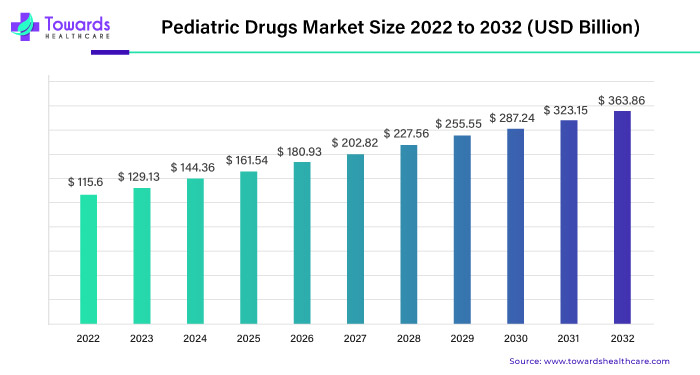
    The global pediatric drugs market is poised for substantial expansion. Starting at a valuation of USD 115.6 billion in 2022, this market is projected to surge to an estimated USD 363.86 billion by 2032. The driving force behind this remarkable growth is a noteworthy Compound Annual Growth Rate (CAGR) of 12.2% between 2023 and 2032. This upward trajectory is intricately linked to the escalating prevalence of pediatric disorders and the burgeoning pediatric population.

    Pediatric Drugs Market Size 2023 - 2032

    In March 2023, WHO released the first list of priority paediatric antibiotic compositions, enabling more concentrated research and development activities that tackle the specific requirements of infants and children.

    Pharmaceutical companies are now working more on making medicines specifically for paediatrics, considering age, weight, and how their bodies develop. This is because children have unique traits that can affect how medicines work for them. The  pediatric drugs market are growing because more kids are getting sick, and there are better ways to design drugs. But there are challenges, like figuring out the right amount of medicine for different ages and dealing with smaller groups of patients, which can make the drugs more expensive. Organizations like the European Medical Agency (EMA) and the Food and Drug Administration (FDA) are making rules to encourage research and ensure that medicines for children are safe and work well.

    The market for pediatric drugs market is growing because kids often face health issues like stomach, allergy, and respiratory problems due to their weaker immune systems. This market includes drugs for conditions like breathing disorders, autoimmune diseases, stomach issues, heart-related problems, and others. Medicines can be taken orally, applied on the skin, injected, or through other ways. This market spans North America, Europe, Asia-Pacific, the Middle East, Africa, and Latin America, with specific data for 17 countries.

    Individuals aged 2 to 12 receive pharmaceutical interventions specifically designed for pediatric use. The approach to pediatric therapy is fundamentally different from that of adults, primarily stemming from the imperative to tailor dosage regimens to the unique requirements of pediatric patients. Additionally, differentiation is imperative because the physiological response of a child to a given drug may diverge significantly from that observed in an adult population.

    Thus, the distinct nature of pediatric therapy is essential for ensuring optimal efficacy and safety in this specific age group. Furthermore, the market experiences a positive impetus due to the expanding landscape of clinical trials aimed at introducing novel pediatric pharmaceutical products. This multifaceted synergy of elements substantiates the robust growth trajectory observed in the pediatric drugs market.

    The following factors propel the pediatric drugs market growth

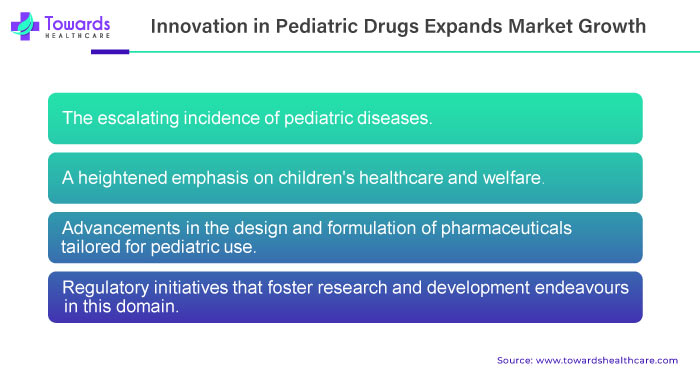
    Innovation In Pediatric Drugs Expands Market Growth

    Innovation in Pediatric Drugs Market Expands Growth

    The expansion of the pediatric drugs market is driven by several factors, such as advancements in pediatric research, the broadening range of clinical trials, and increased investment in developing medications personalised for children. This trend creates substantial business prospects for pharmaceutical and biotechnology companies specialising in pediatric drug formulations. For instance, in August 2023, Aurobindo Pharma Ltd announced the release of their HIV triple combination medicine to pediatric patients in around 123 low- and middle-income countries.

    Additionally, companies offering contract manufacturing services for pediatric pharmaceuticals stand to benefit. Collaborative research ventures, innovative drug delivery methods, and strategic partnerships with healthcare providers further facilitate market growth. Overall, these developments present promising opportunities for growth in the pediatric drugs market.

    Some of the Recent Pediatric Oncology Drug Approvals by FDA:

    Approval Date Drug Approved for Childhood Cancer Indication
    March, 2023 Debrafenib Trametinib , when used together, is approved for child aged 1 and older to treat Low grade Glioma (Brain Tumor)
    February, 2023 Nivolumab This drug is given to Adults and children aged 12 and above with Melanoma. In addition, treatment is recommended to help prevent the cancer from coming back.
    July, 2022 Crizotinib Treatment of adult and pediatric patients 1 year of age and older with Refractory inflammatory myofibroblastic tumor (IMT)
    June, 2022 Trametinib For Adults and Pediatric Patient aged 12 and older with melanoma and lymph node involvement or metastatic disease post complete resection, adjuvant treatment is recommended

    Specialised Pharmaceutical Drugs is the Driving Force behind the Growth of the Pediatric Drugs Market

    The wider utilization of off-label drugs in the pediatric population underscores the need for specialised pharmaceuticals customised to pediatric drug requirements, fueling innovation and expansion in the pediatric drug market. The expansion of the pediatric drug market is primarily driven by the increasing prevalence of health issues in children, including obesity, diabetes, asthma, and neurological disorders.

    This has led to a rising demand for specialised pharmaceuticals personalised to the unique needs of the pediatric population. Recognising children’s distinct physiological and developmental characteristics, the pharmaceutical industry increasingly focuses on research and developing drugs specifically designed for them.

    Respiratory Disorders Dominate Pediatric Drugs Market

    The pediatric drugs market is anticipated to be predominantly influenced by the respiratory disorder drugs segment, which holds the largest market share. This is primarily attributed to factors such as compromised immunity, heightened pollution levels, and increased exposure to various allergens, leading to chronic respiratory disorders like Chronic Obstructive Pulmonary Disease (COPD). COPD, a significant contributor to the global pediatric healthcare burden, has seen a surge in demand for effective treatments. According to the World Health Organization (2021), COPD ranked as the third leading cause of global mortality in 2019, causing 3.23 million deaths.

    The segment’s growth is driven by the escalating prevalence of rare autoimmune disorders linked to various cancers, genetic disorders, and other autoimmune conditions. The market is further propelled by initiatives to develop drugs for rare diseases, exemplified by the FDA’s approval of RUZURGI (amifampridine) tablets from Jacobus Pharmaceutical Company in May 2019. These prescription drugs, though associated with high costs, are contributing to the rapid growth of the global pediatric drugs market.

    Rising Prevalence of Diseases in the Pediatric Population Expands the Pediatric Drugs Market Growth

    The variance between the high rate of childhood illness, roughly 60%, and the narrow focus of pharmacological trials, about 12%, highlights the unrealized potential in the pediatric medication market. This disparity, coupled with a greater understanding of the particular healthcare requirements of children, has spurred more focus and funding for pediatric medication research. The growth of the pediatric medication business has also been aided by regulatory incentives, including pediatric exclusivity and an understanding of the moral need to address children’s health.

    As a result, pharmaceutical companies are working harder on research and development projects to close this gap and satisfy the unique therapeutic needs of the diseases. They are mostly prevalent with childhood cancer in North America.

    According to the Nationwide Children’s Hospital’s May 2023 estimates, in the U.S., around 90% of 17,000 paediatrics are diagnosed with cancer every year. 1,000+ Medical research grants at 150 institutions, 240+ Ongoing clinical trials funded each year. The increasing incidence of chronic disorders, encompassing conditions such as anorexia, asthma, congenital disabilities, growth deficiencies, diabetes, childhood cancer, juvenile diabetes, and attention deficit hyperactivity, is projected to positively impact the growth trajectory of the market. This surge in chronic disorders is a primary factor contributing to heightened demand for pediatric drugs market, consequently influencing the market dynamics throughout the forecast period from 2022 to 2032.

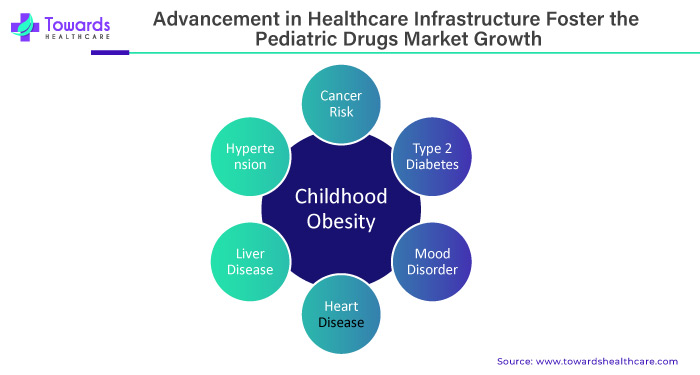
    Obesity is one of the most prevalent conditions among children. For instance, according to data from the 2020-2021 National Survey of Children’s Health (NSCH), 17% of children aged 10 to 17 in the United States are obese. Obesity is a major problem that leads to several diseases like Type 2 Diabetes, Hypertension, Hyperlipidemia, Liver and kidney diseases, Hypertension, Cancer Risk and others.

    Advancement In Healthcare Infrastructure Foster The Pediatric Drugs Market Growth

    Advancement in Healthcare Infrastructure Foster the Pediatric Drugs Market Growth

    The escalation of healthcare investment plays a pivotal role in shaping the trajectory of the pediatric drug market. A substantial determinant contributing to market growth is the surge in healthcare expenditure, facilitating the enhancement of healthcare infrastructure. Notably, government bodies are proactively augmenting this development by allocating increased funding to bolster healthcare facilities, exerting a profound impact on market dynamics.

    Moreover, the concerted efforts of both public and private entities to raise awareness, coupled with a notable uptick in childhood obesity cases, are poised to further propel the pediatric drugs market. This phenomenon is further accentuated by evolving lifestyle patterns and a burgeoning population, collectively fostering the expansive growth of the pediatric drugs market. The convergence of these factors delineates a landscape where healthcare investments, governmental initiatives, and societal changes converge to drive advancements in pediatric pharmaceuticals.

    Challenges Posed by Limited Market Exclusivity in Pediatric Drug Development

    The abbreviated duration of market exclusivity poses a significant obstacle to the growth of the pediatric drugs market. In contrast to pharmaceuticals customised for adults, pediatric medications often face shorter market exclusivity and patent protection periods. This diminishes the financial allure for pharmaceutical companies to invest in pediatric drug development, as they are inclined towards markets where research and development investments can be recouped with substantial profits.

    The pediatric sector encounters challenges due to smaller patient populations and limited exclusivity periods, making it more difficult to justify allocating resources for research and development. This limitation mainly affects the development of drugs for rare pediatric diseases, where patient numbers are exceptionally restricted.

    Consequently, a considerable number of children resort to off-label use of medications intended for adults, posing potential risks to safety and effectiveness. Addressing this constraint necessitates policy and regulatory reforms that offer enhanced incentives for pediatric drug development, ensuring children can access secure and efficacious treatments.

    Drug Type Segment Holds a Substantial Market Share

    The paediatrics drugs market is categorized by type, encompassing analgesic and antipyretic, central nervous system drugs, especially antibiotics, gastrointestinal drugs, respiratory drugs, and vaccines. The segment held a significant market share, driven by children’s lower immunity, increasing pollution, and allergen exposure leading to chronic respiratory disorders, including Chronic obstructive pulmonary disease. Montelukast is notably employed for asthma prevention in children 2 years and older, particularly for exercise-induced bronchoconstriction.

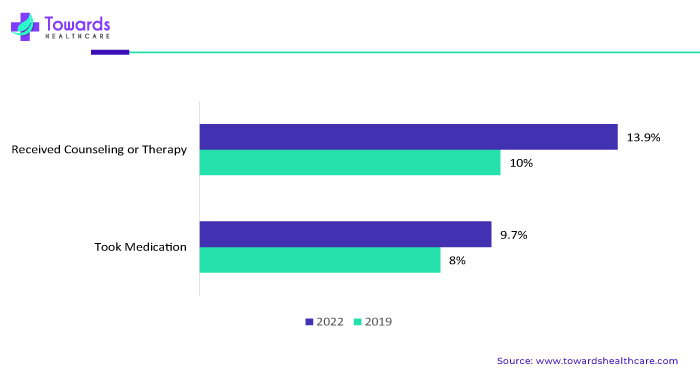
    The Autoimmune Disorders segment is anticipated to exhibit substantial growth, attributed to the rising incidence of genetic disorders, cancers, and cystic fibrosis. In addition, mental health problems sucg as anxiety, depression, ADHD, and behavioural problems are also common among children aged 5-27 years.

    Percentage of Children and Adolescents Aged 5-17 Years Who Received Mental Health Medication Counselling or Therapy from a Mental Health Professional Between 2019 and 2022 in the U.S.

    Percentage Of Children And AdolescentsAdditionally, the Pediatrics Medicine Market growth is further fueled by the inclusion of antibiotics, analgesics, antipyretics, respiratory drugs, gastrointestinal drugs, central nervous system drugs, vaccines, and others in the pediatric disease treatment spectrum. This comprehensive range contributes significantly to the overall market expansion.

    The Route of Administration Segment brings Substantial Growth in the Pediatric Drugs Market

    The Pediatrics Medicine Market is categorized based on the route of administration, namely topical, oral, parental, and others. In 2020, the Oral segment dominated with the highest revenue share. This is attributed to the preference for non-invasive oral delivery in pediatric patients, minimizing pain and enhancing parental comfort, resulting in improved medication compliance.

    This growth is driven by the minimal risk of adverse reactions and drug interactions, along with the ease of administration to children. Additionally, factors such as cost-effectiveness, lower drug quantities, and the concentrated application of antibiotics in affected areas contribute to the growth of this route of administration.

    The Distribution Channel Segment expands the Pediatric Drugs Market Growth

    • Hospital pharmacies can contribute to pediatric drug market growth by ensuring a consistent supply of specialized medications for young patients, collaborating with healthcare providers to optimize treatment plans, and counselling parents on medication administration.
    • Retail pharmacies play a role by providing convenient access to pediatric medications, offering guidance to parents on proper usage, and facilitating prescription adherence. They contribute to growth by being a readily available resource for families seeking over-the-counter and prescription medications for their children.
    • Online pharmacies enhance accessibility, especially for parents in remote areas. They can provide a wide range of pediatric medications, offer educational resources, and support telemedicine initiatives, making it easier for parents to consult healthcare professionals about their children’s health.
      Collectively, these pharmacy settings create a comprehensive ecosystem that supports pediatric healthcare, ensuring accessibility, education, and adherence to medications for children.

    Illuminating Factors: Understanding the Catalysts of Market Growth

    1. Rising Prevalence of Pediatric Disorders: A Call for Specialized Healthcare Solutions

    The surge in the pediatric drugs market is fundamentally driven by the increasing prevalence of pediatric disorders. As these conditions become more widespread, there is a growing demand for specialized pharmaceutical interventions tailored to the unique healthcare needs of children. This paradigm shift underscores the imperative for innovative and effective pediatric drugs.

    2. Demographic Dynamics: The Upsurge in Pediatric Population

    The burgeoning pediatric population globally is a pivotal factor contributing to the market’s exponential growth. With more children requiring healthcare interventions, there is a corresponding surge in the demand for pediatric drugs market. This demographic trend accentuates the need for a robust pharmaceutical landscape dedicated to catering to the distinctive requirements of pediatric patients.

    Opportunities and Challenges: Navigating the Pediatric Drugs Market Landscape

    Opportunities: Advancing Pediatric Healthcare

    The burgeoning market offers opportunities to advance pediatric healthcare by developing targeted and effective pharmaceutical solutions. Innovations in formulations, dosage forms, and delivery mechanisms present avenues for creating medications that are not only efficacious but also palatable and convenient for pediatric patients.

    Challenges: Ensuring Safety and Regulatory Compliance

    Amidst the growth prospects, the pediatric drugs market faces challenges related to ensuring safety and regulatory compliance. Striking a balance between innovation and adherence to stringent regulatory standards is imperative to foster sustained growth and foster trust among healthcare practitioners and parents alike.

    Conclusion: Paving the Way for Pediatric Well-being

    In conclusion, the anticipated growth of the global pediatric drugs market signifies a paradigm shift towards prioritizing the health and well-being of the youngest members of society. The synergy between the escalating prevalence of pediatric disorders, the expanding pediatric population, and pharmaceutical advancements positions the market as a key player in shaping a future where children receive specialized, effective, and safe healthcare solutions. As we navigate this trajectory, the global pediatric drugs market emerges not only as a lucrative industry but, more importantly, as a beacon for nurturing the health and vitality of the next generation.

    Geographical Landscape:

    North America dominates the pediatric drugs market due to rising healthcare spending, supportive regulatory framework, and quick adoption of advanced technologies across the U.S. and Canada. The growth in this region is primarily attributed to its robust healthcare infrastructure, substantial research and development capabilities, and a significant pediatric patient demographic. The region’s dominance is further bolstered by favourable regulatory frameworks and government incentives, fostering the development and accessibility of pediatric medications. For instance, in 2021, US FDA approved the Rethymic drug for pediatric patients and used it to treat rare immune disorders. Rethymic is the 1st thymus tissue that is approved in the United States.

    The market benefits from North America’s dedicated focus on pediatric healthcare heightened awareness among parents and healthcare professionals, and the region’s economic strength. Additionally, the presence of leading pharmaceutical companies further solidifies North America’s prominent position in the global pediatric drugs market.

    During the forecast period, the Asia-Pacific region is poised for significant pediatric drug market growth. This expansion is driven by various vital factors, including the region’s substantial and expanding pediatric population, leading to an increased demand for specialized healthcare solutions for children. The economic prosperity and expanding middle-class demographic in Asia-Pacific also enhance affordability and accessibility to pediatric medications.

    Government initiatives and increased regional healthcare investments are pivotal in fostering market growth. The pharmaceutical industry in Asia-Pacific is channelling more resources towards developing medications tailored for pediatric patients. This concerted effort has positioned the region as a significant influencer in the pediatric drugs market, emerging as a central hub for research, development, and distribution of pharmaceuticals for children.

    Competitive Landscape

    The pediatric drugs market are competitive, with a few big companies leading the way. Some of these companies have a larger share of the market. To stay ahead, some introduce new medicines to tackle existing problems, while others ensure they reach the people needing them.

    In the past 10 years, pharmaceutical companies have increasingly chosen external organisations known as CROs, i.e. Contract Research Organisations, for their clinical trial and clinical research. A Tufts University and ICON PLC study predicts that by 2022, about 72% of global clinical trials will be handled by CROs. The combination of research and accessibility strategy allows these companies to stay ahead in the competitive landscape of pediatric medication.

    Key Market Players:

    • Pfizer Inc.
    • Novartis International AG
    • GSK plc.
    • Sanofi S.A.
    • AstraZeneca plc
    • Merck & Co.,Inc.
    • Johnson & Johnson
    • Roche Holding AG
    • Eli Lilly and Company
    • Abbott Laboratories

    Pediatric Drugs Market Segmentation:

    By Drug Type:

    • Antibiotic
    • Analgesic
    • Antipyretic
    • Respiratory Drugs
    • Gastrointestinal Drugs
    • Central nervous system Drugs
    • Vaccines
    • Others

    By Route of Administration:

    • Oral
    • Topical
    • Parenteral

    By Distribution Channel

    • Hospital Pharmacies
    • Retail Pharmacies
    • Online Pharmacies

    By Geography

    • North America
      • U.S.
      • Canada
    • Europe
      • U.K.
      • Germany
      • France
      • Rest of Europe
    • Asia-Pacific
      • China
      • India
      • Japan
      • South Korea
      • Rest of Asia Pacific
    • Latin America
      • Brazil
      • Rest of Latin America
    • Middle East & Africa (MEA)
      • Saudi Arabia
      • UAE
      • South Africa
      • Rest of the Middle East & Africa

    READ MORE RELATED: AI in Breast Imaging Market