Tag: Therapeutic Area

  • Cancer Vaccines Market: Growth, Trends & What’s Coming Next

    The global cancer vaccines market is on a strong growth path. It’s expected to expand from $11.38 billion in 2025 to a whopping $33.61 billion by 2034, growing at an annual rate of 11.44%.

    Cancer Vaccines Market

    Get All the Details in Our Solutions – Request a Brochure: https://www.towardshealthcare.com/download-brochure/5153

    Market Highlights

    • North America led the global market in 2023, holding 38.4% of the revenue share.

    • Asia Pacific is projected to be the fastest-growing region between 2024 and 2033.

    • Preventive vaccines accounted for 55% of market revenue in 2023.

    • Therapeutic vaccines are expected to grow at the fastest pace.

    • Cervical cancer vaccines led by indication, contributing over 31% in 2023.

    • Hospitals were the main distribution channel in 2023 and will likely remain dominant.


    Understanding Cancer Vaccines

    Cancer vaccines are a form of immunotherapy — they help boost the immune system to fight cancer. There are two types:

    • Preventive vaccines, like HPV and Hepatitis B vaccines, help stop cancer before it starts.

    • Therapeutic vaccines, like those for prostate and bladder cancer, are designed to treat existing cancer.

    With rising cancer cases globally — driven by lifestyle changes, pollution, aging, and genetics — the demand for effective vaccines is growing. Governments and companies are investing heavily in research, infrastructure, and public awareness to address this health crisis.


    Why Is the Market Growing?

    1. Rising Cancer Cases: Pollution, unhealthy diets, stress, sedentary lifestyles, and exposure to harmful chemicals are contributing to an increasing number of cancer cases.

    2. Global Health Focus: Organizations like WHO highlight cancer as the second leading cause of death, with 10 million deaths and 20 million new cases worldwide.

    3. Government & Industry Push: Support in the form of funding, partnerships, and public vaccination drives is accelerating vaccine research and accessibility.


    Challenges: Tumor Heterogeneity

    A big hurdle is tumor heterogeneity — every tumor can behave differently from one patient to another. This makes it tough to create a “one-size-fits-all” vaccine and can limit effectiveness, calling for more personalized solutions.


    The Future: Personalized Cancer Vaccines

    The future of cancer treatment lies in customized vaccines — built specifically for an individual’s genetic profile. These are already being tested alongside other treatments like radiation and immunotherapy to improve outcomes.

    Recent Developments:

    • May 2024: A new mRNA vaccine showed promise against deadly brain tumors by using a patient’s own tumor RNA.

    • March 2024: Transgene, NEC Corporation, and BostonGene expanded their trial for TG4050, a personalized vaccine for head and neck cancers.


    Tech-Driven Progress

    Artificial Intelligence and genome sequencing are speeding up vaccine development. AI helps predict which tumor markers (antigens) will generate a strong immune response. With better, faster, and cheaper genome sequencing, tailored vaccines can be created more efficiently.


    Market by Vaccine Type

    • Preventive Vaccines: Still dominate the market. These vaccines help the immune system stop cancer before it starts. Global campaigns like India’s “Race to Erase Cervical Cancer” show growing awareness and government support.

    • Therapeutic Vaccines: Expected to see rapid growth as they’re used to treat people who already have cancer. Especially beneficial for older patients and those requiring personalized solutions.

    May 2024: China-based WestGene received U.S. FDA approval for WGc-043, the first mRNA-based cancer vaccine targeting Epstein-Barr virus-related tumors — a major milestone.

    You can place an order or ask any questions, please feel free to contact us at sales@towardshealthcare.com


    Market by Indication

    Cervical cancer leads the pack. It’s especially prevalent in low and middle-income countries, where awareness and access to screening and vaccines are limited. WHO reports that cervical cancer is the 4th most common cancer among women, with 660,000 new cases and 350,000 deaths in 2022 alone.


    Distribution Channel Trends

    Hospitals are currently the go-to for cancer vaccinations. They offer a controlled, safe, and expert-led environment for diagnosis, vaccination, and treatment — all under one roof.


    Regional Overview

    North America:

    Continues to dominate due to advanced research, strong government funding, and high cancer rates. For example, in September 2023, U.S. scientists received $25 million in federal funding to develop mRNA cancer vaccines.

    Asia Pacific:

    The region is catching up fast. By 2045, cancer cases here are expected to rise by 64.5%. Countries like India and China are boosting efforts with clinical trials and public initiatives.

    To invest in our premium strategic solution and customized market report options, click here:  https://www.towardshealthcare.com/price/5153

  • Lysosomal Storage Disease (LSD) Market Overview: Growth, Drivers, Opportunities & Challenges

    Lysosomal Storage Disease (LSD) Market Overview: Growth, Drivers, Opportunities & Challenges

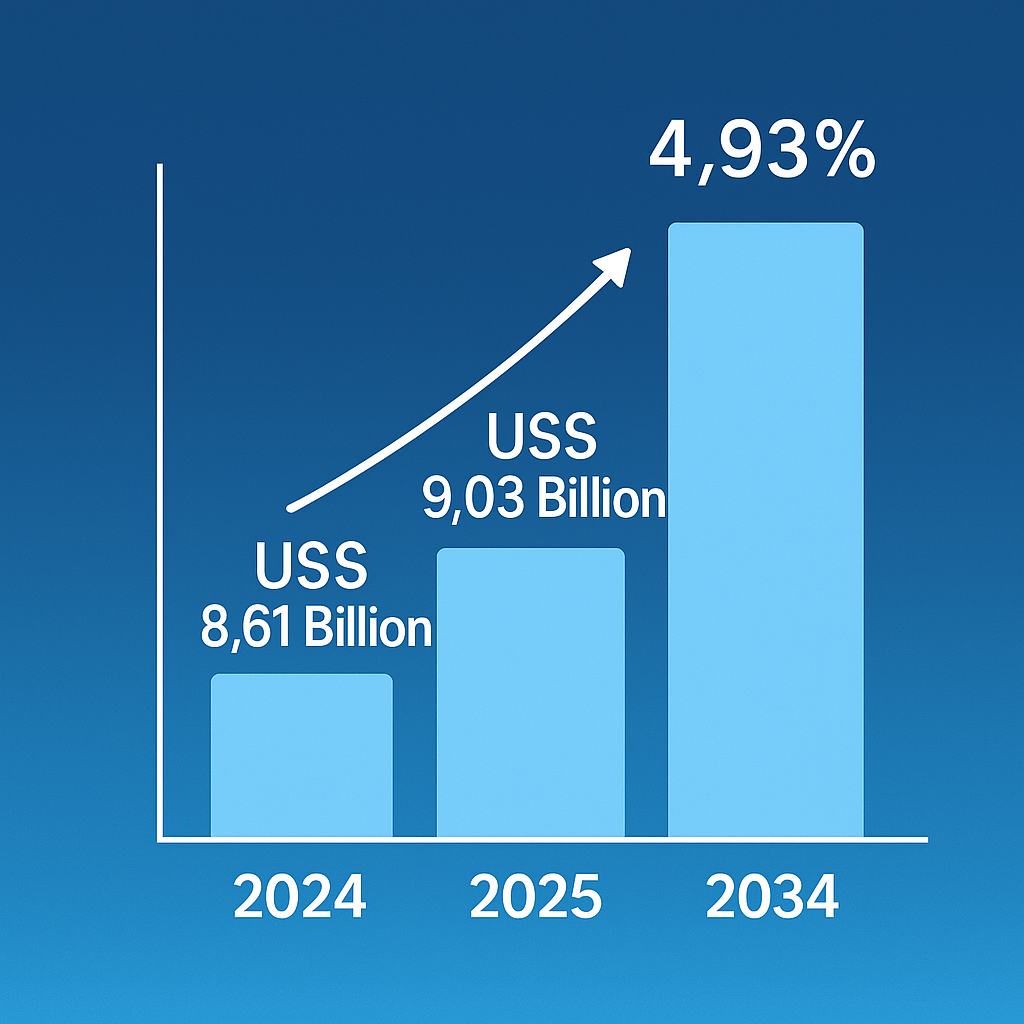
    The global market for Lysosomal Storage Diseases (LSDs) is steadily expanding. In 2024, the market was valued at USD 8.61 billion, and it is expected to reach around USD 13.91 billion by 2034, growing at a compound annual growth rate (CAGR) of 4.93% from 2025 to 2034.

    lysosomal storage disease

    Get All the Details in Our Solutions – Request a Brochure:  https://www.towardshealthcare.com/download-brochure/5553

    📌 Key Highlights:

    • North America led the global market in 2024 due to strong healthcare infrastructure.
    • Asia Pacific is set to experience the fastest growth over the next decade.
    • Enzyme Replacement Therapy (ERT) was the most commonly used treatment method in 2024.
    • Substrate Reduction Therapy (SRT) is gaining traction and is projected to grow rapidly.
    • Hospitals were the largest application setting for LSD treatment in 2024.
    • Ambulatory Surgical Centers (ASCs) are expected to play a growing role in delivering treatments.

    🧬 What are Lysosomal Storage Diseases?

    Lysosomal Storage Diseases are rare, inherited disorders caused by defects in specific genes. These genes are responsible for producing enzymes that help break down certain substances in the body. When these enzymes are missing or defective, harmful amounts of waste build up inside cells, causing damage. Most LSDs affect infants and children, and early diagnosis is crucial.

    Currently, about 70 types of LSDs have been identified, and more may be discovered in the coming years. Enzyme testing and genetic analysis are commonly used for diagnosis, while new therapies continue to emerge.

    🔍 Market Trends Shaping the Future:

    ✅ Government & Private Sector Collaboration:

    • In April 2025, the Karnataka state government teamed up with corporations to sponsor treatment for children with ultra-rare LSDs, covering costs ranging from ₹20–₹40 lakh per child annually.
    • Funding of ₹50 lakh per child is being initiated to ensure continued care.

    ✅ Genomic Innovation:

    • In March 2025, GeneDx, in partnership with GUARDIAN, Seqfirst, and PacBio, showcased their advancements in AI-powered genomic research at the ACMG 2025 meeting.
    • These technologies aim to improve genome sequencing and diagnosis precision.

    🤖 The Role of AI in LSD Treatment

    Artificial Intelligence is transforming how rare diseases like LSD are diagnosed and treated. AI can:

    • Analyze complex genetic data to identify disease-causing mutations.
    • Enable faster, more accurate diagnoses.
    • Support the development of personalized medicine tailored to each patient.
    • Improve image analysis and help in discovering new drug targets.
    • Facilitate smarter clinical decisions through data integration.

    You can place an order or ask any questions, please feel free to contact us at sales@towardshealthcare.com

    📈 What’s Driving Market Growth?

    🚀 Growth Drivers:

    • Emerging Treatment Options
      As LSDs become more recognized, there’s a growing demand for newer, more effective therapies—like substrate reduction therapy, gene therapy, and cystine-depleting agents—beyond just enzyme replacement therapy.
    • Better Patient Adherence
      Improved therapies are not only more effective but also easier for patients to follow, boosting outcomes and market interest.

    Challenges:

    High Treatment Costs
    LSD therapies, particularly personalized treatments, can be extremely expensive. Delays in government funding and limited insurance coverage make access difficult for many patients.

    🌟 Opportunities:

    Increased Awareness
    Awareness campaigns and growing concern around LSDs are encouraging early diagnosis. Healthcare providers and biotech companies are stepping in to educate, diagnose, and treat the disease more efficiently.

    🗓️ Example: In February 2025, Zevra Therapeutics launched the “Learn NPC, Read Between the Signs” campaign to raise awareness about Niemann-Pick disease type C (NPC), an ultra-rare neurological LSD, highlighting the need for early diagnosis.

    🧪 Market Segmentation: What’s Growing?

    🔬 By Treatment Type:

    • Enzyme Replacement Therapy (ERT) led the market in 2024. ERT remains a frontline treatment due to its long-lasting effects.
    • Substrate Reduction Therapy (SRT) is expected to grow quickly due to its oral administration and ability to address neurological LSDs, making it a more convenient and safer option.

    🏥 By Application:

    • Hospitals dominated in 2024 thanks to their ability to manage complex treatments like IV infusions and provide close patient monitoring.
    • Ambulatory Surgical Centers (ASCs) are gaining popularity due to lower treatment costs, efficient follow-ups, and convenient access for patients.

    🌍 Regional Market Insights:

    🇺🇸 North America:

    • Strong healthcare infrastructure and ongoing R&D in the U.S. make it a market leader.
    • Investment in precision medicine and early diagnosis is driving demand.

    🇨🇦 Canada:

    • Collaborations between research institutions and biotech firms are increasing.
    • Government initiatives and growing industry interest are fueling growth.

    🌏 Asia Pacific:

    • Fastest-growing region due to rising awareness and healthcare improvements.
    • Government and private support is helping bridge the diagnosis and treatment gaps.

    🇨🇳 China:

    • Rising population and increasing incidence of LSDs are driving investment in healthcare innovations and diagnostics.

    🇮🇳 India:

    • Growing awareness is leading to better diagnosis and treatment.
    • Government support and a surge in healthcare innovation are expanding the market.

    🇪🇺 Europe:

    • Europe is seeing solid growth thanks to emerging biotech industries.
    • Regulatory bodies and governments are actively supporting drug development and access.

    🏢 Key Players in the LSD Market:

    • Genzyme (Sanofi)
    • Actelion Pharmaceuticals
    • Takeda (Shire)
    • BioMarin
    • Chiesi Farmaceutici
    • Alexion Pharmaceuticals
    • Greenovation Biotech
    • Amicus Therapeutics
    • Mylan
    • Horizon Pharma
    • FGK Clinical Research
    • Leadiant Biosciences

    📢 Latest Developments:

    • April 2025: Chandrika Bhattacharyya of NIBMG reported over 180 million unique DNA variants identified in a five-year study—65% being ultra-rare. This discovery opens up new pathways for gene-based treatments.
    • April 2025: MedGenome Inc. rebranded its U.S. division to Signios Biosciences, focusing on AI and multi-omics for accelerating drug discovery and precision medicine.

    To invest in our premium strategic solution and customized market report options, click here:  https://www.towardshealthcare.com/price/5553 

  • Hemophilia Inhibitors Market: Strategic Developments, Innovations, and Future Outlook

    Hemophilia Inhibitors Market: Strategic Developments, Innovations, and Future Outlook

    The global hemophilia inhibitors market is poised for significant growth, with projections indicating a substantial increase in revenue between 2023 and 2032. This expansion is driven by emerging trends and strong demand across key sectors. The rising cases of genetic diseases, influenced by environmental changes, are contributing to the growth of the hemophilia inhibitors market.

    Get All the Details in Our Solutions – Request a Brochure:  https://www.towardshealthcare.com/download-brochure/5548

    Understanding the Market

    In hemophilia, inhibitors are antibodies—specifically IgG alloantibodies—that neutralize infused clotting factors like factor VIII (FVIII) or factor IX (FIX). These inhibitors are most common among patients with severe hemophilia A. Over 30% of individuals with severe hemophilia A and a smaller percentage of those with mild, moderate hemophilia A or hemophilia B, develop these inhibitors. Their presence significantly complicates treatment, increases the risk of bleeding, and adds to the financial and emotional burden for patients and their families.

    Currently, the primary treatment for hemophilia patients with inhibitors is the use of bypassing agents (BPAs). However, innovative therapies are continually being developed to manage bleeding and reduce complications for both inhibitor and non-inhibitor patients.

    Key Trends and Developments

    • In June 2024, Sanofi presented new data from its hemophilia portfolio at the ISTH Congress in Bangkok, showcasing advancements in treatment options.
    • In November 2023, BioMarin Pharmaceutical and Germany’s GKV-SV reached a reimbursement agreement for ROCTAVIAN®, a gene therapy for severe hemophilia A.

    Role of AI in Hemophilia Treatment

    Artificial Intelligence (AI) and machine learning (ML) are becoming crucial in predicting disease severity, identifying treatment targets like factor V, and developing patient-centric applications. AI is also being used in gene therapy and CRISPR technology, improving treatment planning and risk management.

    Market Drivers

    1. Personalized Treatment Approaches
      Advancements in pharmacogenomics and genetic testing are making it possible to tailor hemophilia treatments to individual patient needs. This personalization allows for earlier intervention and more effective management, particularly for those at high risk of developing inhibitors.
    2. Rise of Gene Therapy
      Gene therapy represents a revolutionary shift in hemophilia treatment. By delivering functional copies of the FVIII or FIX gene, gene therapy enables the body to produce its own clotting factors. Although initially expensive, this approach promises long-term benefits such as reduced bleeding, fewer hospital visits, and improved quality of life.

    You can place an order or ask any questions, please feel free to contact us at sales@towardshealthcare.com

    Market Challenges

    High Cost of Treatment
    Hemophilia treatment remains expensive. On average, annual medication costs can reach $393,000 per patient. Costs are even higher for patients with inhibitors, sometimes exceeding $800,000 per year. Indirect expenses—such as lost productivity and mental health care—add to the burden.

    Regional Insights

    North America
    North America leads the global hemophilia inhibitors market, driven by advanced healthcare infrastructure, heavy R&D investment, and insurance coverage for expensive treatments. The U.S. is at the forefront, with companies like Pfizer, BioMarin, and Takeda leading innovation. AI and digital health tools are widely adopted, improving patient monitoring and treatment.

    U.S. Market Overview
    Hemophilia affects approximately 1 in every 5,617 live male births in the U.S., with around 30,000 to 33,000 males currently living with the condition. R&D efforts continue to yield new therapies that reduce treatment burdens and enhance patients’ lives.

    Canada
    The Canadian Hemophilia Society (CHS) actively supports patients through events like the CHS Rendez-vous, bringing together experts and families. Canada continues to invest in clinical research and funding opportunities for bleeding disorder specialists.

    Asia Pacific
    The Asia Pacific region is experiencing the fastest growth in the hemophilia inhibitors market. Countries like China and India are seeing rising hemophilia rates due to larger populations and better diagnostics. Increased government investment and charitable programs are making advanced treatments more accessible.

    China
    China’s Hemophilia Treatment Centers Cooperative Network hosts national training sessions for specialists across disciplines to improve care quality.

    India
    India bears the second-highest hemophilia burden globally, with over 136,000 cases. In February 2024, the Christian Medical College in Vellore conducted the country’s first clinical trial for gene therapy in hemophilia A patients.

    Leading Companies in the Market

    • Pfizer Inc. (U.S.)
    • Novo Nordisk A/S (Denmark)
    • F. Hoffmann-La Roche Ltd (Switzerland)
    • Bayer AG (Germany)
    • Shire (Ireland)
    • CSL Behring (Australia)
    • Grifols, S.A. (Spain)
    • Biogen Inc. (U.S.)
    • Sanofi S.A. (France)
    • BioMarin Pharmaceutical Inc. (U.S.)
    • Takeda Pharmaceutical Company Limited (Japan)
    • Octapharma AG (Switzerland)
    • Sobi (Sweden)

    Recent Announcements and Innovations

    • In April 2024, Pfizer highlighted the potential of a new medication for long-term bleed protection through one-time administration.
    • In March 2025, the FDA approved Qfitlia (fitusiran) for prophylactic treatment in patients aged 12+ with or without FVIII or FIX inhibitors.
    • In November 2024, the European Commission approved HYMPAVZI™ (marstacimab) for treating severe hemophilia A and B in patients 12 and older.

    Conclusion

    The hemophilia inhibitors market is undergoing rapid transformation, driven by innovations in gene therapy, AI integration, and personalized medicine. While high treatment costs remain a barrier, advancements in technology and broader access to healthcare are setting the stage for more effective, accessible, and patient-centric hemophilia care across the globe. As companies and researchers continue to collaborate, the future holds promising possibilities for improving outcomes and quality of life for hemophilia patients worldwide.

    To invest in our premium strategic solution and customized market report options, click here:  https://www.towardshealthcare.com/price/5548

  • Radiopharmaceutical Market Size, Trends, Drivers, Opportunities, and Competitive Strategies (2024–2034)

    Radiopharmaceutical Market Size, Trends, Drivers, Opportunities, and Competitive Strategies (2024–2034)

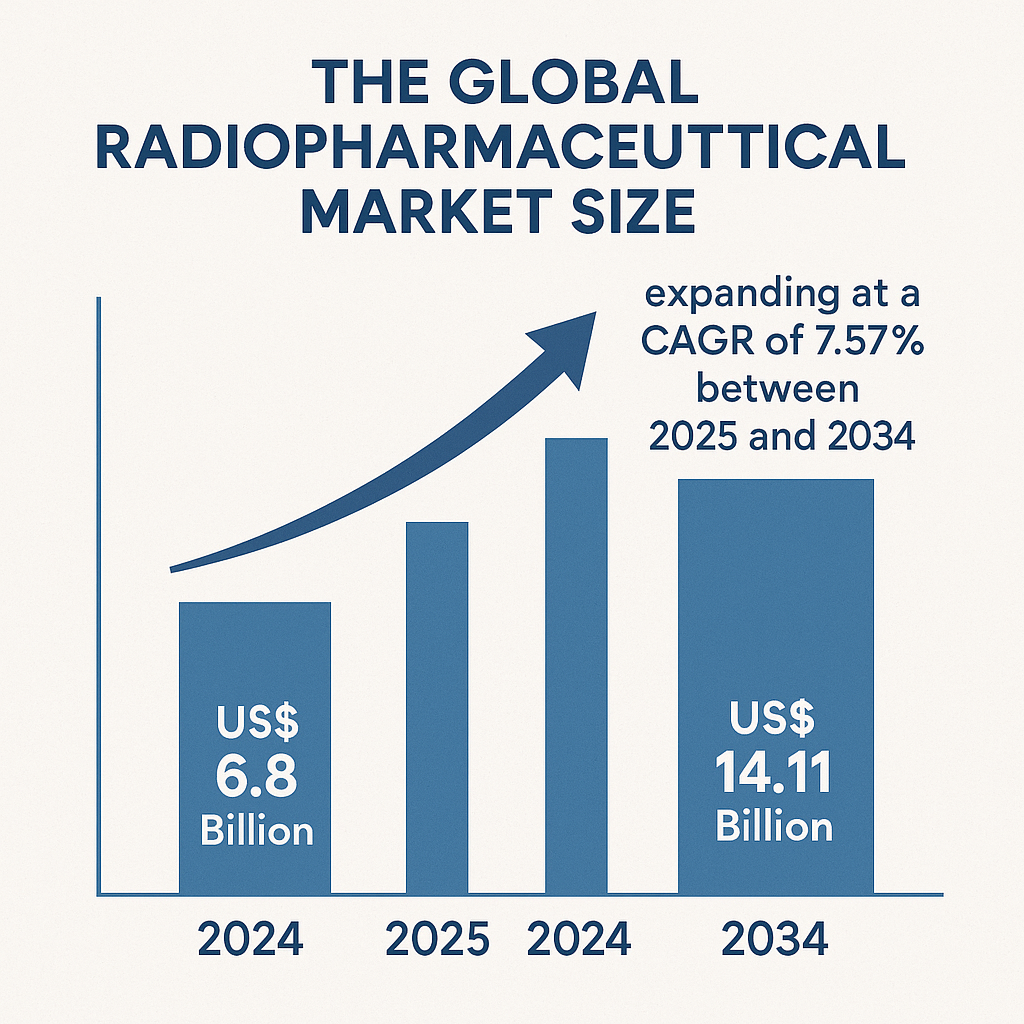
    The Radiopharmaceutical Market witnessed a valuation of US$ 6.8 billion in 2024, indicating a strong demand and steady growth in the sector. This momentum is expected to continue, with projections for 2025 reaching US$ 7.32 billion, showcasing the Radiopharmaceutical Market’s resilience and expanding opportunities.

    Looking ahead, the Radiopharmaceutical Market is forecasted to experience significant growth over the next decade. By 2034, the market size is projected to reach US$ 14.11 billion, nearly doubling from its 2025 value. This impressive expansion is driven by evolving consumer needs, technological advancements, and strategic investments across key sectors.

    radiopharmaceutical market

    Get All the Details in Our Solutions – Download Brochure: https://www.towardshealthcare.com/download-brochure/5552

    Key Takeaways

    • North America led the market with a 44% share in 2024.
    • Asia-Pacific expected to be the fastest-growing region during the forecast period.
    • Technetium-99m dominated by radioisotope type in 2024.
    • Gallium-68 to grow at a notable CAGR in the coming years.
    • Cancer was the leading application area in 2024.
    • Cardiology to be the fastest-growing application.
    • Therapeutic radiopharmaceuticals dominated in 2024.
    • Diagnostic radiopharmaceuticals to experience fastest growth.
    • Hospitals and clinics were the top end users in 2024.
    • Medical imaging centers are expected to grow significantly.

    Market Overview

    Radiopharmaceuticals merge nuclear physics, chemistry, and medicine. These compounds, formed by combining biologically active molecules with radioisotopes, are used in:

    • Diagnostic imaging (e.g., PET, SPECT, scintigraphy)
    • Targeted therapy to deliver radioactive substances directly to affected tissues

    They enable early disease detection, improve treatment precision, and reduce side effects by sparing healthy tissues.

    Market Trends

     Research & Collaboration

    • Akiram Therapeutics (April 2025): Partnered with TetraKit Technologies and Danish PreTT to develop targeted alpha-therapeutics.
    • Navigo Proteins & SCK CEN (April 2025): Focused on using terbium-161 for radiotheranostic treatments.

    ✅ Artificial Intelligence (AI)

    AI is playing a transformative role in:

    • Drug development and discovery
    • Analyzing drug-target interactions
    • Understanding radiopharmaceutical mechanisms
    • Boosting R&D efforts


    Market Dynamics

    Drivers

    • Rising incidence of chronic diseases (e.g., cancer, cardiovascular disorders)
    • Increased awareness of non-invasive and targeted therapies
    • Supportive technological advancements in nuclear medicine

    Restraints

    • High development and production costs (e.g., cyclotrons, reactors)
    • Expensive diagnostic and treatment procedures (PET, SPECT)

    Opportunities

    • Development of novel radiopharmaceuticals
    • Growing demand for precision medicine
    • Expansion in emerging economies due to increased healthcare investments

    Example:
    In March 2025, 64Cu-PD-32766, a new radiopharmaceutical for clear cell renal cell carcinoma (ccRCC), showed promising results in a first-in-human PET trial (developed by National Cancer Center & PeptiDream Inc.)

    You can place an order or ask any questions, please feel free to contact us at sales@towardshealthcare.com

    Segmental Insights

    🔬 By Radioisotope Type

    • Technetium-99m (2024 Leader):
    • Short half-life
    • Widely available
    • Affordable
    • Gallium-68 (Fastest Growing):
    • Dual-use in diagnostics and therapy
    • Precise targeting
    • Reduced radiation exposure

    🩺 By Application

    • Cancer (2024 Leader):
    • Dominates due to high prevalence
    • Encourages radiotherapy and precision medicine development
    • Cardiology (Fastest Growing):
    • Growing cardiac disorder rates
    • Increased use of non-invasive diagnostics

    💉 By Type

    • Therapeutic (2024 Leader):
    • Used in radioimmunotherapy
    • Reduces side effects with tissue-specific targeting
    • Diagnostic (Fastest Growing):
    • Rise in PET/SPECT applications
    • Focus on non-invasive, early-stage detection

    🏥 By End User

    • Hospitals & Clinics (2024 Leader):
    • Comprehensive treatment infrastructure
    • In-house diagnostic capabilities
    • Medical Imaging Centers (Fastest Growing):
    • Quick turnaround
    • Affordable and precise imaging solutions

    Regional Insights

    🌎 North America (44% Market Share in 2024)

    • Advanced healthcare infrastructure
    • Government and private sector R&D funding
    • Widespread PET and SPECT use

    U.S.:

    • R&D leadership
    • Strong support for radiopharmaceutical innovation

    Canada:

    • Industry-academia partnerships
    • Emphasis on cost-effective treatment R&D

    🌏 Asia-Pacific (Fastest-Growing Region)

    • High incidence of chronic diseases
    • Government initiatives in healthcare expansion

    China:

    • Tech advancements driving R&D
    • Growing radiopharma use in hospitals

    India:

    • Increasing private and government investments
    • Rise in cost-effective drug development

    🌍 Europe (Significant Growth Expected)

    • Focus on precision medicine and targeted treatments
    • Strong support for radiopharmaceutical innovation

    Germany:

    • Rising early diagnostic imaging
    • Growing radiopharmaceutical production

    UK:

    • Robust industry-government collaboration
    • Investment in radiopharmaceutical R&D

    To invest in our premium strategic solution and customized market report options, click here:  https://www.towardshealthcare.com/price/5552