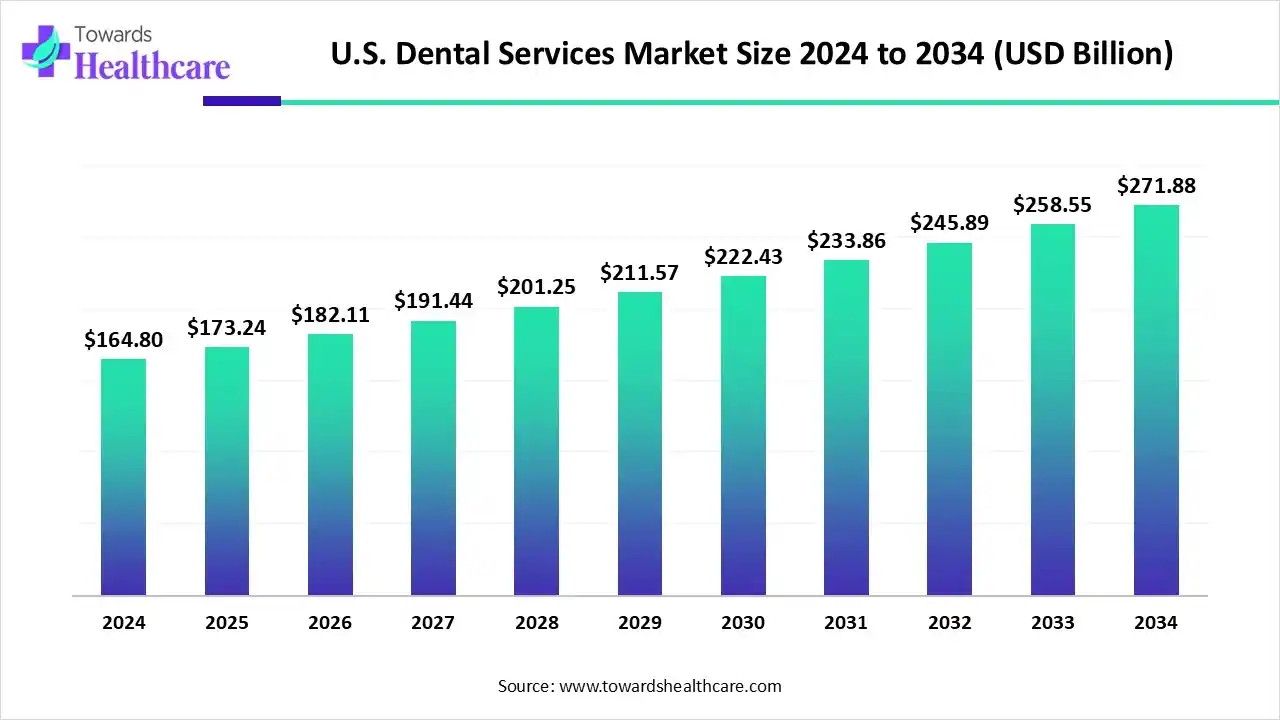
The U.S. dental services market is projected to reach USD 172.6 billion in 2025, with a CAGR of 4.4% from 2025 to 2034, growing to USD 254.7 billion by 2034. The market is being driven by increasing disposable incomes, rising awareness of oral health, and expanding public and private insurance coverage. The dominance of endodontic procedures, private clinics, and private health insurance continues, while cosmetic dentistry and children & adolescents segments are expected to grow fastest during the forecast period.
Download this Free Sample Now and Get the Complete Report and Insights of this Market Easily @ https://www.towardshealthcare.com/download-sample/6254
Market Size (2024-2034)
▶Market Size (2024): USD 166.5 billion
▶The market is expected to grow to USD 172.6 billion in 2025, with a CAGR of 4.4% between 2025 and 2034.
▶Projected Market Size (2034): USD 254.7 billion
▶A robust growth trajectory, propelled by an increase in consumer spending, healthcare awareness, and government initiatives.
Market Trends
Rising Disposable Incomes:
▶Continuous economic growth and urbanization are leading to higher disposable incomes, encouraging increased spending on dental care.
Awareness of Oral Health:
▶Growing awareness of the link between oral and systemic health is driving demand for preventative and cosmetic dental services.
Technological Advancements:
▶AI, digital imaging, teledentistry, and CAD/CAM are becoming more integrated into dental practices, making procedures more efficient and accessible.
Cosmetic Dentistry Growth:
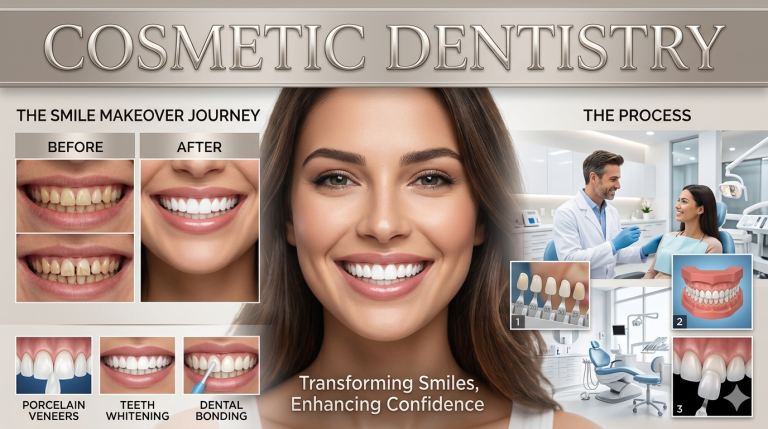
▶More people are opting for cosmetic dental treatments such as teeth whitening, clear aligners, and smile design. This segment is poised to grow at the fastest CAGR.
Rising Demand for Endodontic Procedures:
▶Endodontic procedures, particularly root canals, dominate the market with around 23-25% market share due to the growing need for preserving natural teeth.
Private Health Insurance Dominance:
▶The private health insurance segment holds the largest share (79% of Americans have dental benefits), and this trend is likely to continue as healthcare coverage expands.
Shift Towards Dental Service Organizations (DSOs):
▶DSOs and group practices are expected to grow significantly during the forecast period due to their ability to handle administrative burdens and utilize cutting-edge technology.
Sustainability Trends:
▶”Green dentistry” aims to reduce the environmental footprint of dental care through sustainable practices in energy, waste, and materials usage.
Increased Funding for Oral Health:
▶Initiatives such as the $119 million investment by Delta Dental in 2025 for oral health improvement in all 50 states showcase strong financial support for expanding dental services.
Age Demographics:
▶The adults segment holds the largest share of the market, while the children and adolescents segment is expected to grow at the fastest CAGR.
AI’s Impact on the U.S. Dental Services Market
AI-led Diagnostics:
▶AI algorithms are used to detect oral diseases early, improving diagnostic accuracy and treatment planning.
Enhanced Patient Engagement:
▶AI enhances communication through automated appointment reminders, patient education, and treatment suggestions.
Optimized Workflow:
▶AI-powered tools streamline administrative tasks like scheduling, billing, and record-keeping, improving efficiency.
Personalized Treatment Plans:
▶AI can tailor treatment recommendations to individual patients based on their health data and treatment history.
AI-Powered Teledentistry:
▶AI is enabling virtual dental consultations, particularly in remote areas, improving access to care.
Cost Reduction:
▶By automating routine tasks and improving diagnostic accuracy, AI reduces overall costs for dental practices.
Improved Follow-Up:
▶AI ensures better follow-up care, including timely reminders for routine visits or specific treatments, leading to improved patient outcomes.
Precision in Cosmetic Dentistry:
▶AI aids in creating precise cosmetic solutions, such as clear aligners and teeth whitening, by analyzing dental structures in real-time.
Predictive Analysis:
▶AI can predict future dental conditions based on past patient data, enabling preventive care measures and reducing emergency visits.
AI-Infused Customer Support:
▶Chatbots powered by AI provide 24/7 customer support, helping patients with common queries, treatment options, and appointment bookings.
Regional Insights
U.S. Market Growth:
▶The U.S. dental services market is growing rapidly, with significant investments in technology and healthcare infrastructure.
▶States like Delaware are seeing government-driven initiatives like the Kindergarten Oral Health Screening Program.
Expansion of Public Health Coverage:
▶Medicare and Medicaid are gradually expanding dental coverage, with recent legislation aiming to improve dental benefits for low-income populations and seniors.
Private Sector Involvement:
▶Companies like Delta Dental and VideaHealth continue to drive growth through investments in community health initiatives and AI-powered services.
State and Local Government Programs:
▶Local programs such as Florida’s Medicaid Dental Program and Oral Health Florida are working to enhance oral care accessibility.
Technology Adoption:
▶AI startups like VideaHealth are gaining momentum in states like Ohio and California, revolutionizing diagnostic accuracy and care delivery.
Market Dynamics
Growth Drivers
▶Increasing Disposable Income: Rising income levels enable more individuals to afford dental care, including elective procedures like cosmetic dentistry.
▶Aging Population: An older demographic leads to higher demand for dental services, as older adults often require more dental care.
▶Expansion of Dental Service Organizations (DSOs): DSOs streamline operations for dental practices, allowing for better management and scalability, which enhances service delivery and access.
▶Government Healthcare Reforms: Legislative changes, such as the expansion of Medicare and Medicaid dental benefits, increase access to dental care for low-income populations and seniors.
▶Technological Advancements: The integration of AI and digital tools in diagnostics and treatment planning improves efficiency and patient outcomes.
Restraints
▶High Treatment Costs: The expense of dental procedures can be prohibitive, especially for those without adequate insurance coverage.
▶Limited Access in Rural Areas: Geographic and economic barriers restrict access to dental care in underserved regions.
▶Insurance Coverage Gaps: Many dental insurance plans have limited coverage, leading to out-of-pocket expenses for patients.
▶Workforce Shortages: A shortage of dental professionals in certain areas can lead to longer wait times and reduced access to care.
Opportunities
▶AI Integration: Implementing AI in diagnostics and treatment planning can enhance accuracy and efficiency in dental practices.
▶Expansion of Dental Insurance: Broadening dental insurance coverage can make dental care more affordable and accessible to a larger population.
▶Tele-dentistry: Offering remote consultations can bridge the gap for patients in remote areas or those with mobility issues.
▶Preventive Care Initiatives: Focusing on preventive care can reduce the incidence of dental diseases and lower overall treatment costs.
▶Collaborations with DSOs: Partnerships with DSOs can provide smaller practices with administrative support, allowing them to focus more on patient care.
Challenges
▶Complex Insurance Systems: Navigating the intricacies of dental insurance can be challenging for both providers and patients.
▶Administrative Burdens: Managing billing, coding, and insurance claims can be time-consuming and detract from patient care.
▶Regulatory Compliance: Adhering to state and federal regulations requires constant attention and can be resource-intensive.
▶Patient Education: Ensuring patients understand the importance of oral health and adhere to recommended treatments is an ongoing challenge.
▶Economic Factors: Economic downturns can lead to reduced spending on elective dental procedures, impacting practice revenues.
Top 10 Companies in the U.S. Dental Services Market
Aspen Dental Management, Inc.:
▶Overview: Leading dental services organization offering a range of treatments through independently owned practices.
▶Strength: Extensive network and strong brand presence.
Heartland Dental:
▶Overview: Provides administrative support to dentists to help them focus on patient care.
▶Strength: One of the largest DSOs with a nationwide network.
Smile Brands Inc.:
▶Overview: Offers full business support services to affiliated dental practices.
▶Strength: Strong partnership model with high levels of customer satisfaction.
Dental Care Alliance:
▶Overview: A large dental network offering services like cosmetic dentistry, orthodontics, and general care.
▶Strength: Strong focus on patient care across a wide range of services.
InterDent/Gentle Dental:
▶Overview: Known for comprehensive dental treatments, including orthodontics and cosmetic services.
▶Strength: Extensive experience in managing multi-specialty practices.
Coast Dental Services:
▶Overview: Provides a wide range of dental services across several states.
▶Strength: Focus on quality care and patient satisfaction.
Affordable Dentures & Implants:
▶Overview: Specializes in affordable dentures and implant services.
▶Strength: Accessibility for patients looking for cost-effective solutions.
Align Technology:
▶Overview: Known for innovations in clear aligners (Invisalign).
▶Strength: Technological leadership in orthodontic treatments.
DentaQuest:
▶Overview: Leading dental care provider, especially in Medicaid and public insurance.
▶Strength: Focus on public health initiatives and access to care.
MB2 Dental Solutions:
▶Overview: Provides practice management services to dentists.
▶Strength: Strong focus on increasing the profitability and efficiency of dental practices.
Latest Announcements
RipeGlobal (July 2025):
▶Launched cloud-based interactive dental education platform in the U.S. aimed at enhancing dentist skills and patient outcomes.
VideaHealth (January 2025):
▶Raised $40 million in Series B funding to expand AI-powered diagnostic software for Dental Service Organizations (DSOs).
MouthWatch (July 2025):
▶Introduced a collaboration with Sunstar Americas, Inc., providing AI-powered virtual dental assessments through GUM Virtual Care.
Orthobrain® (April 2025):
▶Secured $7.5 million in funding for expansion in the orthodontic sector in Ohio.
Delta Dental (June 2025):
▶Invested $119 million in oral health programs across all U.S. states, impacting over 15 million lives.
Segments Covered in the U.S. Dental Services Market
Service Type/Specialty
▶The U.S. dental services market encompasses a diverse range of services, each catering to specific oral health needs.
1. Endodontics
▶Dominance: Endodontic procedures, particularly root canal treatments, led the market in 2024, accounting for approximately 23-25% of the total dental services revenue.
▶Growth Drivers: The increasing prevalence of dental caries and the emphasis on preserving natural teeth contribute to the sustained demand for endodontic services.
2. Cosmetic Dentistry
▶Projected Growth: This segment is anticipated to experience the fastest growth rate during the forecast period, driven by rising consumer interest in aesthetic dental procedures.
▶Popular Procedures: Teeth whitening, veneers, and clear aligners are among the most sought-after cosmetic treatments.
3. Orthodontics
▶Market Share: Orthodontic services, including traditional braces and modern clear aligners, hold a significant share of the market.
▶Technological Advancements: The integration of 3D imaging and digital treatment planning has enhanced the precision and appeal of orthodontic treatments.
4. Oral & Maxillofacial Surgery
▶Scope: This specialty addresses complex dental issues such as tooth extractions, jaw realignment, and treatment of oral cancers.
▶Demand Factors: An aging population and increased awareness of oral health contribute to the steady demand for surgical interventions.
5. Preventive & Diagnostic Services
▶Importance: Regular check-ups, cleanings, and early detection of dental issues are fundamental to maintaining oral health.
▶Insurance Coverage: Preventive services are often fully covered by dental insurance plans, encouraging regular visits.
End-User/Practice Type
▶The structure of dental service providers in the U.S. is diverse, with various models catering to different patient needs.
1. Dental Clinics/Private Practices
▶Market Share: Private practices dominate the market, accounting for approximately 62-68% of dental service revenues.
▶Characteristics: These establishments offer personalized care, flexible scheduling, and a wide range of services.
2. Dental Service Organizations (DSOs)/Group Practices
▶Growth Rate: DSOs are experiencing rapid growth, with projections indicating a significant increase in market share over the coming years.
▶Benefits: DSOs provide centralized administrative support, allowing dental professionals to focus more on patient care.
3. Hospitals/Dental Departments
▶Role: Hospitals with dental departments cater to complex cases, including surgeries and specialized treatments.
▶Integration: These departments often collaborate with other medical specialties to provide comprehensive care.
4. Mobile Clinics/Teledentistry Platforms
▶Accessibility: Mobile clinics and teledentistry platforms are expanding access to dental care, especially in underserved areas.
▶Technology Use: Telehealth consultations and mobile units equipped with dental tools facilitate remote diagnostics and treatment planning.
Payment/Financing Method
▶Understanding the various payment methods is crucial for both providers and patients in managing dental care costs.
1. Private Health Insurance
▶Market Share: Private health insurance is the dominant payment method, covering approximately 79% of Americans.
▶Employer Benefits: Many employers offer dental insurance as part of employee benefits packages, enhancing accessibility.
2. Out-of-Pocket/Self-Pay
▶Growth Trend: The out-of-pocket segment is expected to grow at the fastest rate during the forecast period.
▶Advantages: Self-pay options can offer flexibility and may be more cost-effective for certain procedures not covered by insurance.
3. Public Insurance (Medicaid/Medicare)
▶Coverage Expansion: Recent legislative efforts aim to expand dental coverage under Medicaid and Medicare, particularly for seniors and low-income individuals.
▶Access Challenges: Despite expansions, access to dental care through public insurance remains limited in some regions due to provider participation and reimbursement rates.
Patient Age/Demographics
▶Different age groups have varying dental care needs and utilization patterns.
1. Adults (17-65 years)
▶Dominance: Adults constitute the largest segment of dental service consumers.
▶Needs: Common services include preventive care, restorative procedures, and cosmetic enhancements.
2. Children & Adolescents
▶Growth Potential: This segment is projected to experience the fastest growth, driven by increased awareness and early intervention programs.
▶Services: Preventive services, orthodontics, and early cavity treatments are prevalent among younger patients.
3. Seniors (65+ years)
▶Emerging Demand: An aging population is leading to a rise in dental services tailored for seniors, including dentures, implants, and periodontal care.
▶Challenges: Barriers such as fixed incomes and limited insurance coverage can affect access to dental care for seniors.
Top 5 FAQs
▶ What is the projected size of the U.S. dental services market by 2034?
The market is projected to reach USD 254.7 billion by 2034, growing at a CAGR of 4.4% from 2025 to 2034.
▶ Which segment holds the largest share in the U.S. dental services market?
Endodontic procedures captured 23-25% of the market in 2024.
▶ What is the fastest-growing segment in the U.S. dental services market?
Cosmetic dentistry is expected to grow at the fastest rate during the forecast period.
▶ Which payment method dominates the U.S. dental services market?
Private health insurance is the dominant payment method, with 79% of Americans having dental benefits.
▶ Which region has the largest impact on the U.S. dental services market?
Delta Dental’s initiatives in all 50 states are significantly enhancing oral health access, marking a key development in regional trends.
Access our exclusive, data-rich dashboard dedicated to the dental sector – built specifically for decision-makers, strategists, and industry leaders. The dashboard features comprehensive statistical data, segment-wise market breakdowns, regional performance shares, detailed company profiles, annual updates, and much more. From market sizing to competitive intelligence, this powerful tool is one-stop solution to your gateway.
Access the Dashboard: https://www.towardshealthcare.com/access-dashboard
Immediate Delivery Available | Checkout this Premium Research Report @ https://www.towardshealthcare.com/checkout/6254
Become a valued research partner with us – https://www.towardshealthcare.com/schedule-meeting
You can place an order or ask any questions, please feel free to contact us at sales@towardshealthcare.com
Powering Healthcare Leaders with Real-Time Insights: https://www.towardshealthcare.com/healthcare-intelligence-platform
Europe Region – +44 778 256 0738
North America Region – +1 8044 4193 44
APAC Region: +91 9356 9282 04
Web: https://www.towardshealthcare.com
Find us on social platforms: LinkedIn | Twitter | Instagram | Medium | Pinterest
About the Author