The medical device outlook across the Asia-Pacific remains highly positive as hospitals continue increasing investments in diagnostic systems, imaging equipment, surgical technologies, and digital healthcare infrastructure. Rising chronic diseases, aging populations, and healthcare modernization are major growth drivers across the region.
The APAC medical device market surpassed USD 231 billion in 2025 and is projected to exceed USD 401 billion by 2032. The region accounts for nearly 60% of the global population and represents one of the fastest-growing healthcare infrastructure markets worldwide.
| Country/Region | Key Healthcare Statistics | Medical Device Outlook |
|---|---|---|
| APAC | Medical device market above USD 231 billion | Strong growth |
| China | Healthcare spending above USD 48 billion | High hospital investments |
| India | Medical device market above USD 14 billion | Fastest-growing demand |
| South Korea | Healthcare spending around 9% of GDP | Smart hospital expansion |
| Japan | Nearly 30% population aged 65+ | Slower equipment spending |
In China, hospital infrastructure expansion continues to accelerate. China operates more than 38,000 hospitals and healthcare institutions, while its medical device market has crossed USD 48 billion, making it the second-largest globally after the United States.
Demand is rapidly increasing for CT scanners, MRI systems, robotic surgery platforms, AI-assisted diagnostics, and minimally invasive surgical devices. China also performs millions of imaging procedures annually, driving continuous replacement demand for advanced radiology equipment.
India is becoming one of the fastest-growing medical device markets globally. India’s healthcare industry is expected to reach nearly USD 320 billion by 2030, while the hospital sector could surpass USD 190 billion within the decade.
India currently imports nearly 70%–75% of advanced medical devices, especially imaging systems and critical care equipment. The Indian medical device industry is growing at annual rates between 15% and 18%, supported by rising insurance coverage, private hospitals, and government healthcare schemes.
Demand is increasing strongly for ventilators, patient monitoring systems, infusion pumps, portable ultrasound devices, ICU equipment, and surgical robotics. Expansion of tier-2 and tier-3 city hospitals is also creating major procurement opportunities.
In South Korea, hospitals are heavily investing in smart healthcare systems and robotic-assisted surgeries. The country spends approximately 9% of GDP on healthcare and ranks among global leaders in robotic surgery adoption per capita.
Hospitals across South Korea are increasingly adopting AI-powered imaging systems, remote patient monitoring technologies, wearable healthcare devices, and cloud-connected diagnostic platforms. Digital hospital transformation has accelerated significantly after the COVID-19 pandemic.
Singapore also continues investing heavily in advanced healthcare infrastructure. Singapore maintains one of Asia’s highest healthcare expenditure levels per capita and focuses strongly on digital hospitals and precision medicine technologies.
Southeast Asian countries including Thailand, Indonesia, Vietnam, and Malaysia are rapidly expanding hospital capacity. Rising urbanization, healthcare awareness, and medical tourism are supporting higher demand for modern healthcare equipment.
Thailand attracts millions of medical tourists annually, increasing investments in premium surgical technologies and imaging systems. Meanwhile, Indonesia’s healthcare sector is expanding rapidly to serve its population of more than 280 million people.
However, Japan presents a comparatively weaker spending outlook despite remaining one of the world’s largest healthcare markets. Japan spends more than 10% of GDP on healthcare, but hospitals are facing increasing operational and reimbursement pressures.
Nearly 30% of Japan’s population is aged 65 years or older, creating major long-term healthcare costs. Many hospitals are prioritizing equipment optimization and replacement cycles instead of aggressive investments in new medical technologies.
Overall, hospitals across APAC are expected to remain major growth engines for the global medical device industry. Rising healthcare expenditure, expanding hospital infrastructure, increasing chronic disease burden, and rapid healthcare digitalization are expected to sustain strong medical device demand throughout the coming decade.
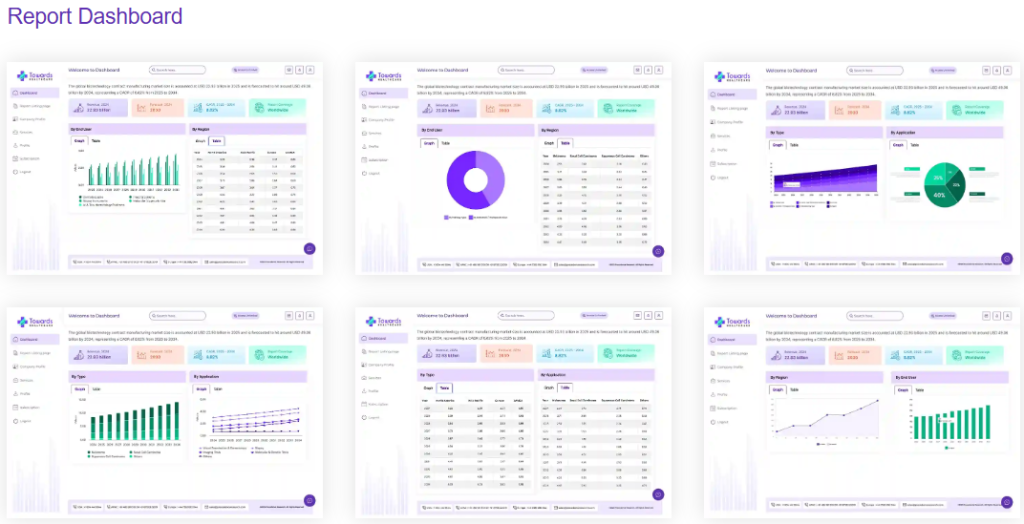
Access our exclusive, data-rich dashboard dedicated to the medical devices sector – built specifically for decision-makers, strategists, and industry leaders. The dashboard features comprehensive statistical data, segment-wise market breakdowns, regional performance shares, detailed company profiles, annual updates, and much more. From market sizing to competitive intelligence, this powerful tool is one-stop solution to your gateway.
Access the Dashboard: https://www.towardshealthcare.com/access-dashboard
About Us
Healthcare WebWire is a part of Towards Healthcare Research and Consulting delivers strategic insights across the medical devices market, including diagnostic devices, surgical equipment, imaging systems, wearable technologies, cardiovascular devices, and orthopedic implants. We help healthcare innovators track market trends, optimize product strategies, and drive growth through data-driven intelligence and industry expertise.
You can place an order or ask any questions, please feel free to contact us at [email protected]
Europe Region – +44 778 256 0738
North America Region – +1 8044 4193 44
APAC Region: +91 9356 9282 04
Visit Our Website: https://www.towardshealthcare.com
Find us on social platforms: LinkedIn | Twitter | Instagram | Medium
Read More: