
Author: Sanskruti

  • Osteoarthritis Market Size Growth Projection 2024 – 2032

    Osteoarthritis Market Size Growth Projection 2024 – 2032

    The osteoarthritis market is poised for substantial growth, with projections indicating a significant boost from USD 8.60 billion in 2023 to approximately USD 19.15 billion by 2032. This promising expansion is expected to occur at a Compound Annual Growth Rate (CAGR) of 8.4% over the forecast period spanning from 2024 to 2032. Such estimations underscore the increasing prevalence and impact of osteoarthritis on global healthcare systems and the economy at large.

    Factors Driving Market Growth

    Several key factors contribute to the projected surge in the osteoarthritis market. Firstly, the aging population, particularly in developed regions, is experiencing a higher incidence of osteoarthritis due to natural wear and tear on joints over time. Additionally, sedentary lifestyles and rising obesity rates further exacerbate the prevalence of this degenerative joint disease.

    Furthermore, advancements in medical research and technology are driving innovation in osteoarthritis treatment options. This includes the development of novel pharmaceuticals, biologics, and medical devices aimed at managing symptoms, preserving joint function, and improving overall quality of life for affected individuals.

    Osteoarthritis, a prevalent joint ailment, has been increasingly recognized as a significant public health concern worldwide. According to recent data from the Centers for Disease Control and Prevention (CDC), osteoarthritis accounted for 2.5% of total health issues experienced by individuals in 2023, with musculoskeletal conditions bearing a substantial burden of 20%. This underscores the importance of understanding and addressing this condition effectively.

    Download a short version of this report @ https://www.towardshealthcare.com/personalized-scope/5136

    The Global Impact of Osteoarthritis

    Globally, osteoarthritis affects approximately 3.3 to 3.6% of the population, making it a widespread health issue. Its prevalence varies across regions and demographic groups, with certain factors such as age, genetics, and lifestyle choices contributing to its development. As one of the leading causes of disability, osteoarthritis ranks as the 11th most disabling condition worldwide, highlighting its profound impact on individuals’ quality of life.

    Understanding the Pathophysiology

    Osteoarthritis is characterized by the progressive degeneration of joint cartilage, leading to pain, stiffness, and impaired mobility. The gradual breakdown of cartilage tissue results in the exposure of underlying bone, leading to inflammation and structural changes within the joint. While the exact mechanisms underlying osteoarthritis remain complex and multifactorial, it is believed to involve a combination of genetic predisposition, mechanical stress, and biochemical factors.

    Risk Factors and Susceptibility

    Several risk factors predispose individuals to the development of osteoarthritis, including:

    • Age: The risk of osteoarthritis increases with advancing age, with older adults being more susceptible to its onset and progression.
    • Obesity: Excess body weight places increased stress on weight-bearing joints, such as the knees and hips, predisposing individuals to osteoarthritis.
    • Joint Trauma: Previous joint injuries or trauma, such as fractures or ligament tears, can accelerate the degenerative process and increase the risk of osteoarthritis.
    • Genetics: Genetic factors play a role in determining an individual’s susceptibility to osteoarthritis, with certain gene variants associated with an increased risk of developing the condition.
    • Occupational Factors: Jobs that involve repetitive joint movements or heavy lifting may increase the risk of osteoarthritis over time.

    Clinical Presentation and Symptoms

    The clinical presentation of osteoarthritis varies depending on the affected joint and the severity of the condition. Common symptoms include:

    • Pain: Persistent joint pain, particularly during movement or weight-bearing activities, is a hallmark feature of osteoarthritis.
    • Stiffness: Joint stiffness, especially after periods of inactivity or prolonged rest, is a common complaint among individuals with osteoarthritis.
    • Swelling: Joint swelling or inflammation may occur, particularly in the later stages of the disease, as a result of synovial inflammation and fluid accumulation.
    • Decreased Range of Motion: Osteoarthritis can lead to a reduced range of motion in affected joints, making it difficult to perform daily activities such as bending, squatting, or reaching.

    Diagnosis and Management Strategies

    The diagnosis of osteoarthritis typically involves a combination of clinical evaluation, imaging studies, and laboratory tests. Radiographic imaging, such as X-rays or MRI scans, may reveal characteristic changes in joint structure, including joint space narrowing, osteophyte formation, and subchondral bone sclerosis.

    Non-pharmacological Interventions

    Non-pharmacological interventions play a crucial role in the management of osteoarthritis and may include:

    • Exercise: Regular physical activity, including aerobic exercise, strength training, and flexibility exercises, can help improve joint function, reduce pain, and enhance overall quality of life.
    • Weight Management: Weight loss in overweight or obese individuals can significantly reduce the load on weight-bearing joints, thereby alleviating symptoms and slowing disease progression.
    • Joint Protection: Using assistive devices such as braces, splints, or canes can help alleviate joint stress and reduce pain during daily activities.

    Pharmacological Treatments

    Pharmacological treatments for osteoarthritis aim to alleviate pain, reduce inflammation, and improve joint function. Commonly prescribed medications include:

    • Analgesics: Over-the-counter pain relievers such as acetaminophen or nonsteroidal anti-inflammatory drugs (NSAIDs) may help alleviate mild to moderate pain associated with osteoarthritis.
    • Topical Agents: Topical creams or gels containing NSAIDs, capsaicin, or menthol can provide localized pain relief and reduce inflammation.
    • Intra-articular Injections: Corticosteroid injections or hyaluronic acid injections may be recommended for individuals with persistent joint pain that is unresponsive to oral medications.

    Surgical Interventions

    In cases of severe osteoarthritis that do not respond to conservative treatments, surgical interventions may be considered. Common surgical procedures for osteoarthritis include:

    • Joint Replacement Surgery: Total joint replacement surgery, such as hip or knee replacement, may be recommended to replace damaged joint surfaces with artificial implants, thereby reducing pain and improving joint function.
    • Arthroscopic Surgery: Arthroscopic procedures, such as debridement or lavage, may be performed to remove damaged tissue or debris from the joint, thereby alleviating symptoms and improving mobility.

    Emerging Therapeutic Approaches

    One noteworthy trend in the osteoarthritis market is the emergence of regenerative medicine and gene therapy as potential therapeutic approaches. Stem cell therapy, in particular, holds promise for regenerating damaged cartilage and slowing disease progression, offering new hope for patients seeking alternatives to traditional treatments like analgesics and joint replacement surgery.

    Moreover, the integration of artificial intelligence (AI) and machine learning (ML) in healthcare is revolutionizing disease management and personalized treatment strategies. By leveraging big data analytics and predictive modeling, healthcare providers can optimize treatment outcomes and tailor interventions to individual patient needs, thereby maximizing efficacy and minimizing adverse effects.

    Market Challenges and Opportunities

    Despite the optimistic growth projections, the osteoarthritis market faces several challenges that warrant attention. These include regulatory hurdles, reimbursement limitations, and the need for robust clinical evidence to support the efficacy and safety of emerging therapies. Additionally, disparities in access to healthcare and disparities in access to healthcare and treatment options underscore the importance of addressing healthcare inequalities to ensure equitable patient outcomes.

    However, these challenges also present opportunities for industry stakeholders to collaborate and innovate in addressing unmet medical needs. By investing in research and development, fostering partnerships across academia and industry, and advocating for policy reforms, stakeholders can drive progress towards more effective and accessible treatments for osteoarthritis patients worldwide.

    Recent Developments

    • In September 2021, Novartis announced that LNA043 received fast-track designation from the US Food and Drug Administration (FDA) for knee osteoarthritis treatment.
    • In February 2021, Moebius Medical revealed that MM-II, an innovative treatment option for knee osteoarthritis symptoms, is undergoing Phase IIb clinical trials. These trials aim to compare the effectiveness and safety of different MM-II doses with placebo in patients experiencing knee osteoarthritis symptoms.

    Osteoarthritis Market Players

    • Zimmer Biomet
    • Pfizer
    • GlaxoSmithKline
    • Bayer Consumer Health
    • Merck & Co.
    • Mylan N.V.
    • Anika Therapeutics Inc.
    • Huons
    • Johnson & Johnson

    Osteoarthritis Market Segments

    By Type

    • Knee Osteoarthritis
    • Hip Osteoarthritis
    • Hand Osteoarthritis
    • Others

    By Diagnosis

    • Imaging Tests
    • Blood Tests
    • Joint Fluid Analysis

    By Treatment

    • Medication
      • Analgesic
      • NSAIDs
      • Counterirritants
      • Corticosteroids
      • Hyaluronic Acid
    • Supportive Devices
    • Surgery

    By Geography

    • North America
    • Europe
    • Asia Pacific
    • Middle East and Africa
    • South America

    To own our research study instantly, Click here @ https://www.towardshealthcare.com/price/5136

    You can place an order or ask any questions, please feel free to contact us at sales@towardshealthcare.com

    About Us

    Towards Healthcare is a leading global provider of technological solutions, clinical research services, and advanced analytics to the healthcare sector, committed to forming creative connections that result in actionable insights and creative innovations. We are a global strategy consulting firm that assists business leaders in gaining a competitive edge and accelerating growth. We are a provider of technological solutions, clinical research services, and advanced analytics to the healthcare sector, committed to forming creative connections that result in actionable insights and creative innovations.

    Explore the comprehensive statistics and insights on healthcare industry data and its associated segmentation: Get a Subscription

  • Osteoarthritis Market Trends: Key Highlights

    Osteoarthritis Market Trends: Key Highlights

    Understanding Osteoarthritis: Key Highlights

    Osteoarthritis, often referred to as the “wear and tear” arthritis, is a degenerative joint disease that primarily affects the elderly population. Understanding the key factors contributing to the development of osteoarthritis is essential for effective management and prevention.

    • Age: A Significant Risk Factor: As individuals age, their likelihood of developing osteoarthritis increases. This age-related degeneration of joints is primarily attributed to the gradual breakdown of cartilage, leading to pain, stiffness, and reduced mobility. While osteoarthritis can occur at any age, it becomes more prevalent in older adults, particularly those over the age of fifty.
    • Sex Disparities in Osteoarthritis: Research indicates that women are more susceptible to osteoarthritis compared to men, especially after the age of fifty. Although the exact reasons behind this gender disparity remain unclear, hormonal factors and differences in joint structure and mechanics may contribute to the increased risk among women.
    • The Impact of Obesity: Obesity is a significant modifiable risk factor for osteoarthritis, particularly in weight-bearing joints such as the knees and hips. Excess weight places added stress on these joints, accelerating the degenerative process and increasing the likelihood of developing osteoarthritis. Moreover, obesity is associated with metabolic changes that further exacerbate joint damage, highlighting the importance of weight management in osteoarthritis prevention and treatment.
    • Genetic Predisposition: Family history plays a crucial role in determining an individual’s susceptibility to osteoarthritis. Those with a family history of the condition are at a higher risk of developing osteoarthritis themselves. While genetics alone cannot predict the onset of osteoarthritis, understanding familial predispositions can help individuals take proactive measures to mitigate their risk through lifestyle modifications and early intervention.

    Download a short version of this report @ https://www.towardshealthcare.com/personalized-scope/5136

    Economic Burden and Healthcare Spending

    The economic burden of osteoarthritis is substantial, with billions of dollars allocated annually for its care and management. During 2020–21, approximately $4.3 billion was spent on osteoarthritis-related healthcare expenditures in the United Kingdom alone, highlighting the significant impact of this condition on healthcare systems worldwide. Effective management strategies are essential not only for improving patient outcomes but also for reducing healthcare spending associated with osteoarthritis.

    Effective Treatment and Management Approaches

    While osteoarthritis is not curable, proper treatment and management can help alleviate symptoms, improve joint function, and enhance overall quality of life for affected individuals. Lifestyle modifications, including regular exercise and weight management, play a crucial role in managing osteoarthritis symptoms and slowing disease progression. Additionally, medications such as nonsteroidal anti-inflammatory drugs (NSAIDs) and corticosteroid injections can help manage pain and inflammation associated with osteoarthritis.

    The Importance of Early Diagnosis and Intervention

    Early diagnosis and intervention are paramount in preventing further joint damage and preserving joint function in individuals with osteoarthritis. Timely medical evaluation, coupled with appropriate treatment strategies, can significantly impact the course of the disease and improve long-term outcomes. Healthcare professionals play a vital role in identifying and managing osteoarthritis early, thereby empowering patients to maintain an active lifestyle and minimize the impact of the condition on their daily lives.

    Aging and obesity are two significant contributors to the increasing prevalence of osteoarthritis, a common condition characterized by the deterioration of joint cartilage and underlying bone. As individuals age, the natural wear and tear on joints become more pronounced, making them susceptible to osteoarthritis. Moreover, obesity exacerbates this issue by placing additional stress on the joints, particularly in weight-bearing areas such as the knees and hips.

    According to the World Health Organization, osteoarthritis primarily affects older adults, with approximately 70% of cases occurring in individuals aged 55 and older. However, it can also impact younger individuals, including athletes or those who have experienced joint injuries. Women are particularly affected, accounting for around 60% of osteoarthritis cases.

    To visualize the impact, imagine joints as cushions that gradually wear down over time. With an aging population and rising obesity rates, more individuals are experiencing joint degeneration, leading to an increased prevalence of osteoarthritis. This condition commonly manifests as pain, stiffness, and reduced mobility in affected joints, significantly impacting quality of life. Addressing this growing health concern requires a multi-faceted approach that includes medical advancements, increased awareness, and innovative therapies. Technological advancements have played a pivotal role in shaping the landscape of osteoarthritis treatment, with a focus on developing more effective and patient-friendly solutions.

    One promising trend is the rise of regenerative medicines, such as stem cell therapy and tissue engineering, which aim to repair damaged joint tissues and address the underlying causes of osteoarthritis. Mesenchymal stem cells (MSCs) have shown promise in tissue engineering and implantation for treating osteoarthritis, offering potential long-term relief for patients. Minimally invasive procedures, such as arthroscopy, have become increasingly popular due to their reduced impact on patients and quicker recovery times compared to traditional open surgeries. These procedures allow for targeted treatment of joint problems while minimizing postoperative discomfort.

    In drug development, biologics derived from living organisms target specific molecules involved in the inflammatory process associated with osteoarthritis, enhancing treatment effectiveness with fewer side effects. Advanced imaging techniques, such as MRI and CT scans, aid in early and accurate diagnosis, allowing for timely intervention. Furthermore, 3D printing technology has revolutionized the production of customized implants, improving the fit and functionality of joint replacements, especially in complex cases. For example, Stryker’s Mako Total Knee 2.0 utilizes advanced robotics and data analytics to enhance surgical outcomes for total knee, hip, and partial knee procedures.

    Telemedicine has also emerged as a valuable tool for monitoring and managing osteoarthritis, allowing patients to connect with healthcare professionals remotely and receive timely treatment, thereby alleviating pressure on healthcare systems. Overall, the combination of medical advancements, technological innovations, and increased awareness holds promise for effectively managing and treating osteoarthritis, ultimately improving the quality of life for affected individuals.

    Understanding the Role of Hyaluronic Acid Injections

    Hyaluronic acid, a naturally occurring substance in our bodies, plays a crucial role in maintaining joint health and function. It acts as a lubricant and shock absorber, facilitating smooth movement and reducing friction within the joints. This essential component is particularly abundant in synovial fluid, which surrounds and cushions the joints, providing them with necessary support.

    Hyaluronic Acid Injections for Osteoarthritis Treatment

    In osteoarthritis, a degenerative joint disease characterized by the breakdown of cartilage, the natural supply of hyaluronic acid diminishes. This loss contributes to the progression of the disease, leading to pain, stiffness, and inflammation in affected joints, notably the knees.

    Hyaluronic acid injections have emerged as a therapeutic option for managing osteoarthritis symptoms effectively. By replenishing the diminished levels of hyaluronic acid within the joint, these injections aim to restore lubrication, improve shock absorption, and alleviate discomfort associated with movement.

    Efficacy and Benefits

    Numerous clinical studies have demonstrated the efficacy of hyaluronic acid injections in reducing pain and enhancing joint function in individuals with osteoarthritis, particularly in the knee joint. These injections offer a promising alternative for patients seeking relief from the debilitating effects of the condition.

    Moreover, hyaluronic acid injections provide several advantages over traditional treatment modalities, such as oral medications and steroid injections. Unlike systemic medications, which may cause systemic side effects, hyaluronic acid injections deliver targeted relief directly to the affected joint, minimizing adverse reactions and maximizing therapeutic benefits.

    Cost Considerations and Insurance Coverage

    While hyaluronic acid injections offer significant therapeutic potential, it’s essential to consider the associated costs and insurance coverage. The price of each injection typically ranges from $350 to $500, and multiple injections may be required to achieve optimal results.

    Insurance coverage for hyaluronic acid injections varies depending on the individual’s policy and provider. Some insurance plans may cover the cost of treatment, but pre-authorization may be necessary. Patients are advised to consult with their insurance company to determine coverage eligibility and any associated out-of-pocket expenses.

    Personalized Therapies for Osteoarthritis

    The management of osteoarthritis poses a unique challenge due to the heterogeneous nature of the condition. Each patient presents with distinct clinical characteristics, disease severity, and treatment response, necessitating personalized therapeutic approaches.

    Challenges in Personalization

    Traditional treatment strategies for osteoarthritis often employ a “one-size-fits-all” approach, overlooking the individual variability in disease progression and response to therapy. However, personalized therapies aim to address this limitation by tailoring treatment regimens to meet the specific needs and preferences of each patient.

    Achieving personalized therapies for osteoarthritis requires a comprehensive understanding of various factors influencing disease pathogenesis and progression. These include genetic predisposition, environmental triggers, biomechanical factors, and lifestyle considerations, among others.

    Research and Development

    The development of personalized therapies for osteoarthritis necessitates extensive research and development efforts to elucidate the underlying mechanisms of the disease and identify novel therapeutic targets. Scientists and clinicians alike are actively engaged in studying the complex interplay between genetic, molecular, and environmental factors contributing to osteoarthritis development and progression.

    Advancements in technologies such as genomics, proteomics, and bioinformatics have revolutionized our ability to characterize the molecular signatures of osteoarthritis and identify potential therapeutic targets. These innovative approaches hold promise for the development of tailored interventions that address the specific needs of individual patients.

    Regulatory Considerations

    Despite the potential benefits of personalized therapies, their widespread implementation faces regulatory challenges related to safety, efficacy, and reimbursement. Regulatory agencies require robust evidence demonstrating the safety and effectiveness of personalized treatments, which may necessitate extensive clinical trials and long-term follow-up studies.

    Furthermore, reimbursement policies for personalized therapies may vary among different healthcare systems, posing financial barriers to patient access. Addressing these regulatory considerations is essential to ensure the timely translation of scientific discoveries into clinical practice and improve patient outcomes.

    To own our research study instantly, Click here @ https://www.towardshealthcare.com/price/5136

    You can place an order or ask any questions, please feel free to contact us at sales@towardshealthcare.com

    About Us

    Towards Healthcare is a leading global provider of technological solutions, clinical research services, and advanced analytics to the healthcare sector, committed to forming creative connections that result in actionable insights and creative innovations. We are a global strategy consulting firm that assists business leaders in gaining a competitive edge and accelerating growth. We are a provider of technological solutions, clinical research services, and advanced analytics to the healthcare sector, committed to forming creative connections that result in actionable insights and creative innovations.

    Explore the comprehensive statistics and insights on healthcare industry data and its associated segmentation: Get a Subscription

    Read More about Osteoarthritis Market:
  • Osteoarthritis Market Share: Understanding the Global Burden of Osteoarthritis

    Osteoarthritis Market Share: Understanding the Global Burden of Osteoarthritis

    Osteoarthritis (OA)stands as one of the most prevalent chronic musculoskeletal disorders globally, posing significant challenges to healthcare systems and impacting the quality of life for millions of individuals. As populations age and lifestyle factors evolve, the burden of OA continues to escalate, necessitating a deeper understanding of its geographical landscape. This comprehensive analysis explores the intricate dynamics of OA prevalence, treatment modalities, and healthcare infrastructures across different regions, with a focus on North America and the Asia Pacific.

    The Epidemiology of Osteoarthritis:

    Osteoarthritis is characterized by the progressive degeneration of joint cartilage and underlying bone, leading to pain, stiffness, and functional impairment. While it can affect any joint, it most commonly manifests in the knees, hips, hands, and spine. Epidemiological data reveals a concerning trend of rising OA prevalence worldwide, driven by factors such as aging populations, sedentary lifestyles, obesity, and genetic predisposition.

    In North America, particularly in the United States, OA poses a significant public health challenge. Age-adjusted prevalence rates indicate a substantial burden, with projections suggesting a dramatic increase in the number of affected individuals by 2030. Similarly, Canada grapples with rising OA prevalence, necessitating concerted efforts to enhance access to care and optimize treatment outcomes.

    In the Asia Pacific region, demographic transitions and changing lifestyle patterns contribute to the escalating burden of OA. Aging populations, coupled with increasing rates of obesity and urbanization, amplify the prevalence of OA across various countries in the region. Moreover, cultural and dietary practices exert a notable influence on OA epidemiology, underscoring the need for region-specific interventions.

    Download a short version of this report @ https://www.towardshealthcare.com/personalized-scope/5136

    Treatment Landscape:

    The management of OA encompasses a multidisciplinary approach aimed at alleviating symptoms, improving function, and enhancing quality of life. Treatment modalities range from conservative measures such as lifestyle modifications, physical therapy, and pharmacotherapy to more invasive interventions like joint replacement surgery.

    In North America, a plethora of treatment options are available to OA patients, reflecting the advanced healthcare infrastructure and robust research ecosystem. Innovative therapies, including biologic agents and regenerative medicine approaches, hold promise in reshaping the treatment paradigm for OA. Moreover, patient-centered care models prioritize shared decision-making and holistic management strategies, catering to the diverse needs of individuals with OA.

    In the Asia Pacific region, access to OA treatments varies significantly across countries, reflecting disparities in healthcare systems and socioeconomic factors. While some nations boast well-established healthcare infrastructures with comprehensive OA management programs, others face challenges related to affordability, accessibility, and cultural beliefs. Efforts to enhance treatment access and foster interdisciplinary collaboration are essential in addressing the evolving needs of OA patients in the region.

    Healthcare Infrastructure and Policy Implications:

    The management of OA is intricately linked to the healthcare infrastructure and policy frameworks governing healthcare delivery. In North America, initiatives aimed at improving OA care focus on enhancing primary care services, implementing evidence-based guidelines, and promoting interdisciplinary collaboration. Moreover, efforts to leverage digital health technologies and telemedicine platforms facilitate remote monitoring and personalized interventions for OA patients.

    In the Asia Pacific region, healthcare systems exhibit considerable heterogeneity, posing challenges and opportunities for OA management. Policy initiatives targeting OA prevention, early detection, and integrated care models are paramount in addressing the growing burden of OA in the region. Moreover, investments in healthcare workforce development and infrastructure enhancement are essential in ensuring equitable access to OA treatments across diverse populations.

    Osteoarthritis represents a complex and multifaceted public health issue with profound implications for individuals, healthcare systems, and societies worldwide. By comprehensively analyzing the geographical landscape of OA, we gain valuable insights into the epidemiology, treatment modalities, and healthcare infrastructures shaping its prevalence and management across different regions. Moving forward, collaborative efforts, evidence-based interventions, and policy reforms are imperative in addressing the evolving challenges posed by OA and improving outcomes for affected individuals globally.

    To own our research study instantly, Click here @ https://www.towardshealthcare.com/price/5136

    You can place an order or ask any questions, please feel free to contact us at sales@towardshealthcare.com

    About Us

    Towards Healthcare is a leading global provider of technological solutions, clinical research services, and advanced analytics to the healthcare sector, committed to forming creative connections that result in actionable insights and creative innovations. We are a global strategy consulting firm that assists business leaders in gaining a competitive edge and accelerating growth. We are a provider of technological solutions, clinical research services, and advanced analytics to the healthcare sector, committed to forming creative connections that result in actionable insights and creative innovations.

    Explore the comprehensive statistics and insights on healthcare industry data and its associated segmentation: Get a Subscription

    Read More about Osteoarthritis Market:
  • Tendonitis Treatment Market Size and Growth

    Tendonitis Treatment Market Size and Growth

    The tendonitis treatment market is poised for substantial growth in the coming years, with estimations projecting a significant increase from USD 214.26 billion in 2023 to approximately USD 298.14 billion by 2032. This trajectory reflects a Compound Annual Growth Rate (CAGR) of 3.6% between 2024 and 2032. In this comprehensive analysis, we delve into the factors driving this expansion and explore the key dynamics shaping the future landscape of tendonitis treatment.

    Factors Driving Market Growth

    1. Rising Prevalence of Tendonitis

    The increasing incidence of tendonitis across diverse demographics serves as a primary catalyst for market expansion. Factors such as sedentary lifestyles, repetitive motions in certain occupations, and the aging population contribute to the escalating prevalence of tendon-related injuries.

    2. Technological Advancements in Treatment Modalities

    Advancements in medical technology have revolutionized tendonitis treatment, offering innovative solutions for enhanced patient outcomes. Novel techniques, including minimally invasive procedures, regenerative medicine, and advanced imaging modalities, have improved diagnostic accuracy and therapeutic efficacy, thereby driving market growth.

    3. Growing Emphasis on Sports Medicine

    The burgeoning interest in sports and fitness activities has propelled the demand for specialized tendonitis treatment options. Athletes and active individuals seek prompt and effective interventions to address tendon injuries and optimize performance, fostering a conducive environment for market expansion.

    For any queries, feel free to reach us @ https://www.towardshealthcare.com/personalized-scope/5135

    Emerging Trends in Tendonitis Management

    1. Personalized Therapeutic Approaches

    The shift towards personalized medicine is reshaping the tendonitis treatment landscape, with healthcare providers increasingly tailoring interventions to individual patient characteristics and needs. Precision medicine strategies leverage genetic, molecular, and lifestyle factors to optimize treatment outcomes and minimize adverse effects.

    2. Integration of Digital Health Solutions

    The integration of digital health technologies, such as telemedicine, wearable devices, and mobile applications, is revolutionizing tendonitis management. These innovative tools facilitate remote monitoring, patient engagement, and data-driven decision-making, thereby enhancing the efficiency and accessibility of care delivery.

    3. Multidisciplinary Collaborative Care Models

    Collaborative care models that involve multidisciplinary teams comprising orthopedic surgeons, physical therapists, rehabilitation specialists, and nutritionists are gaining prominence in tendonitis treatment. This holistic approach ensures comprehensive patient care, addressing not only the physical aspects of injury but also psychological and social factors that impact recovery.

    Market Challenges and Opportunities

    1. Regulatory Compliance and Reimbursement Issues

    Navigating regulatory requirements and securing reimbursement for tendonitis treatment modalities pose significant challenges for market players. Addressing these hurdles necessitates proactive engagement with regulatory authorities and healthcare payers to ensure product approval and market access.

    2. Expanding Market Penetration in Developing Regions

    Expanding market penetration in developing regions presents lucrative opportunities for industry stakeholders. Targeting emerging economies with unmet medical needs and investing in infrastructure development can facilitate market expansion and sustain long-term growth.

    3. Strategic Collaborations and Partnerships

    Forming strategic collaborations and partnerships with key stakeholders, including healthcare providers, research institutions, and government agencies, is critical for navigating the competitive landscape and driving innovation in tendonitis treatment. Collaborative initiatives facilitate knowledge exchange, resource sharing, and market expansion, fostering a conducive environment for sustainable growth.

    Tendonitis, a common condition affecting millions worldwide, occurs when tendons become inflamed due to overuse, injury, or aging. Tendons, crucial in connecting muscles to bones, play a vital role in our everyday movements. Imagine them as the unsung heroes in our body’s orchestra, enabling smooth and coordinated movements. However, when tendons become strained, the harmony is disrupted, leading to pain and discomfort.

    Types of Tendonitis: Recognizing the Symptoms

    Tendonitis can manifest in various parts of the body, each with its unique set of symptoms and challenges. Recognizing these types is crucial for accurate diagnosis and effective treatment:

    Tennis Elbow

    • Commonly associated with repetitive arm movements, tennis elbow causes pain and tenderness on the outer part of the elbow. Activities such as gripping, lifting, or even simple tasks like shaking hands can exacerbate the symptoms.

    Golfer’s Elbow

    • Contrary to its name, golfer’s elbow can affect anyone, not just golfers. It involves pain and inflammation on the inner side of the elbow, typically caused by repetitive gripping or flexing motions.

    Pitcher’s Shoulder

    • As the name suggests, pitcher’s shoulder is prevalent among athletes involved in throwing sports like baseball or softball. It presents as pain and stiffness in the shoulder, often exacerbated by overhead movements.

    Swimmer’s Shoulder

    • Frequent swimmers may experience swimmer’s shoulder, characterized by pain and discomfort in the shoulder joint. The repetitive nature of swimming strokes can lead to overuse injuries in the shoulder muscles and tendons.

    Mother’s Wrist

    • New mothers are susceptible to developing wrist tendonitis due to the repetitive motions involved in caring for their babies, such as lifting, holding, and feeding. Mother’s wrist can cause pain and stiffness in the wrist and hand.

    Jumper’s Knee

    • Athletes engaged in jumping sports, like basketball or volleyball, are prone to jumper’s knee. It manifests as pain below the kneecap, particularly during activities that involve jumping or squatting.

    Achilles Tendonitis

    • Achilles tendonitis affects the Achilles tendon, the large tendon at the back of the ankle. It can cause pain and stiffness in the back of the heel, especially during physical activities like running or jumping.

    Market Trends in Tendonitis Treatment

    In 2023, therapies emerged as the preferred approach for treating tendonitis, dominating the market with a remarkable 65% share. These therapies encompass a range of treatments, including physical therapy, ultrasound, and extracorporeal shock wave therapy, aimed at reducing pain and inflammation while promoting tendon healing.

    Medications also played a significant role in tendonitis treatment, accounting for 25% of the market share in 2023. Nonsteroidal anti-inflammatory drugs (NSAIDs) such as ibuprofen and naproxen are commonly prescribed to alleviate pain and reduce inflammation associated with tendonitis.

    North America led the global tendonitis treatment market in 2023, capturing a substantial 42% market share. This dominance can be attributed to factors such as a high prevalence of tendonitis cases, advanced healthcare infrastructure, and increasing awareness about the importance of early intervention and treatment.

    Addressing the Growing Concern: Impact on Workforce

    According to the Bureau of Labor Statistics, over 70,000 Americans are unable to work each year due to tendonitis-related issues. This alarming statistic underscores the urgent need for better treatment options and preventive measures to mitigate the economic and personal impact of tendonitis.

    Tendonitis Treatment Market Segment

    By Type

    • Tennis Elbow
    • Golfer’s Elbow
    • Pitcher’s Shoulder
    • Swimmer’s Shoulder
    • Runner’s Knee

    By Treatment

    • Therapy
      • Hot and Cold Therapy
      • Physical Therapy
      • Shock Wave Therapy
    • Medications
      • Pain Relievers
      • Corticosteroid Injections
      • Other Medications
    • Surgery

    By Geography

    • North America
    • Europe
    • Asia Pacific
    • Middle East and Africa
    • South America

    To own our Premium Research study instantly, Click here @ https://www.towardshealthcare.com/price/5135

    Unlock Infinite Advantages: Subscribe to Annual Membership

    Read more about tendonitis treatment market:

  • Tendonitis Treatment Market Trends and Updates

    Tendonitis Treatment Market Trends and Updates

    Tendonitis, a condition characterized by inflammation and irritation of the tendons, poses a significant concern for individuals engaged in sports and occupations involving repetitive movements. In this comprehensive guide, we delve into the intricate relationship between increased participation in sports and the heightened risk of developing tendonitis. Drawing upon recent research and industry insights, we explore the multifaceted factors contributing to the prevalence of tendon-related injuries and the growing demand for effective treatment options.

    The Impact of Sports Participation on Tendon Health

    Tendons: Vital Connectors in Physical Activity

    Tendons, resilient connective tissues responsible for transmitting force from muscles to bones, play a crucial role in facilitating movement and athletic performance. However, the repetitive stress and strain imposed during sports activities can subject tendons to excessive wear and tear, predisposing individuals to the development of tendonitis. With over 32 million tendon-related injuries reported annually among athletes and sports enthusiasts, the prevalence of tendinopathies underscores the need for proactive measures to mitigate risk factors and promote tendon health.

    Rising Trends in Sports-Related Injuries

    The burgeoning popularity of sports and recreational activities has led to a surge in sports-related injuries, including tendonitis. According to the National Safety Council (NSC), exercise equipment accounted for a significant portion of injuries in 2022, highlighting the pressing need for injury prevention strategies and effective treatment modalities. As more individuals embrace an active lifestyle, the incidence of tendonitis is poised to escalate, necessitating comprehensive interventions to address the underlying causes and alleviate symptoms.

    Innovations in Tendonitis Treatment

    The landscape of tendonitis treatment is evolving with the introduction of innovative therapies and medical advancements. Recent developments, such as the launch of SportVis by Pendopharm, offer promising solutions for individuals suffering from soft tissue injuries. SportVis, a hyaluronic acid treatment endorsed by Health Canada, provides effective pain relief and accelerates the rehabilitation process, enabling patients to resume their activities with minimal downtime. As the demand for non-invasive treatment options grows, the availability of cutting-edge interventions underscores the importance of timely diagnosis and intervention in managing tendonitis.

    For any queries, feel free to reach us @ https://www.towardshealthcare.com/personalized-scope/5135

    Occupational Factors Contributing to Tendonitis Risk

    Occupational Hazards and Tendon Health

    Beyond sports participation, occupational exposure to repetitive movements and physical strain constitutes a significant risk factor for tendonitis. Workers in industries such as construction, manufacturing, and data entry are susceptible to tendon injuries due to the repetitive nature of their tasks. Prolonged strain on specific tendons can lead to inflammation and degenerative changes, necessitating proactive measures to mitigate workplace hazards and promote musculoskeletal health.

    Ergonomics and Injury Prevention

    Employers play a pivotal role in fostering a safe and ergonomic work environment conducive to employee well-being. By implementing ergonomic tools and conducting training on proper workplace practices, organizations can reduce the risk of occupational injuries and enhance productivity. Regular breaks, stretching exercises, and ergonomic adjustments mitigate the adverse effects of repetitive motion, empowering workers to safeguard their musculoskeletal health and minimize the incidence of tendonitis.

    Early Intervention and Rehabilitation

    Timely intervention is paramount in managing tendonitis and preventing long-term complications. Recognizing the early warning signs and seeking medical advice can facilitate prompt diagnosis and tailored treatment plans. Corticosteroid injections, commonly used to alleviate pain and inflammation associated with tendonitis, offer symptomatic relief and promote healing. However, judicious use and close monitoring are essential to mitigate potential side effects and optimize treatment outcomes.

    Challenges in Tendonitis Diagnosis and Management

    Complexities in Diagnosis

    Accurately diagnosing tendon disorders poses a formidable challenge due to the overlapping symptoms and limitations of diagnostic tools. Tendonitis shares common clinical manifestations with other musculoskeletal conditions, necessitating a comprehensive evaluation to differentiate between various pathologies. While imaging modalities like X-rays and MRIs provide valuable insights, specialized expertise is required to interpret findings accurately and formulate an appropriate management plan.

    Advancements in Diagnostic Techniques

    Despite the inherent complexities, ongoing research endeavors aim to enhance our understanding of tendon biology and pathology. By leveraging advanced imaging techniques and molecular diagnostics, clinicians can achieve greater precision in diagnosing tendonitis and monitoring treatment response. Additionally, interdisciplinary collaboration and knowledge sharing contribute to the development of standardized diagnostic protocols, enabling healthcare providers to deliver optimal care to patients with tendon disorders.

    The increased risk of tendonitis associated with sports participation and occupational hazards underscores the importance of proactive injury prevention strategies and evidence-based interventions. By promoting awareness, implementing ergonomic practices, and leveraging innovative treatment modalities, stakeholders can mitigate the burden of tendon-related injuries and improve the quality of life for affected individuals. As we continue to advance our understanding of tendon health and rehabilitation, collaborative efforts across disciplines will pave the way for enhanced patient outcomes and long-term musculoskeletal wellness.

    Recent Developments in Equine Injury Treatments

    In the dynamic landscape of equine medicine, advancements continue to push the boundaries of what’s possible in treating injuries in horses. Recent breakthroughs in April 2022 and September 2021 have brought two innovative treatments to the forefront, offering hope and healing for horses suffering from tendon and ligament injuries.

    Boehringer Ingelheim’s RenuTrend: Revolutionizing Equine Therapy

    Boehringer Ingelheim, a global leader in animal health, has made a significant stride in equine therapy with the release of RenuTrend. This groundbreaking treatment, introduced in April 2022, marks a new era in the management of tendon and ligament injuries in horses.

    RenuTrend stands out as the first of its kind in Europe, offering a novel approach to treating these common equine ailments. Unlike traditional methods, which often involve lengthy rehabilitation periods and uncertain outcomes, RenuTrend provides a cutting-edge solution that targets the root cause of the injury with precision.

    How RenuTrend Works

    At the heart of RenuTrend’s efficacy lies its innovative delivery mechanism. The treatment is administered through a direct injection into the affected area, allowing for targeted delivery of therapeutic agents precisely where they are needed most. This localized approach maximizes the effectiveness of the treatment while minimizing the risk of adverse side effects.

    Furthermore, RenuTrend complements Boehringer Ingelheim’s existing portfolio of stem cell treatments for horses, offering veterinarians and horse owners a comprehensive suite of options for managing equine injuries.

    Stryker’s Citrelock Tendon Fixation Device System: Pioneering Tendon Repair

    In September 2021, Stryker, a renowned name in medical technology, introduced the Citrelock Tendon Fixation Device System, revolutionizing the field of equine orthopedics. This innovative device represents a significant leap forward in the treatment of damaged tendons, providing a safe and effective solution for horses in need.

    The Science Behind Citrelock

    Central to the Citrelock system is its unique design, which utilizes a specialized thread composed of materials such as citrate, calcium, and phosphate. These components play a crucial role in bone healing, promoting tissue regeneration and accelerating the recovery process.

    Unlike traditional tendon repair methods, which can exacerbate existing damage, the Citrelock system offers a minimally invasive approach that minimizes trauma to surrounding tissues. This results in faster healing times and improved outcomes for horses undergoing treatment.

    To own our Premium Research study instantly, Click here @ https://www.towardshealthcare.com/price/5135

    Unlock Infinite Advantages: Subscribe to Annual Membership

    Read more about tendonitis treatment market:

  • Tendonitis Treatment Market Key Players and Global Impacts

    Tendonitis Treatment Market Key Players and Global Impacts

    In the dynamic landscape of healthcare, tendonitis stands as a prevalent musculoskeletal condition affecting millions worldwide. With a plethora of pharmaceutical giants vying to provide effective solutions, navigating the tendonitis treatment market can be overwhelming. In this comprehensive guide, we delve into the leading players revolutionizing tendonitis treatment.

    Merck & Co., Inc.

    Merck & Co., Inc. emerges as a stalwart in the pharmaceutical realm, renowned for its innovative approach to healthcare. With a rich legacy spanning decades, Merck has cemented its position as a pioneer in tendonitis treatment. Leveraging cutting-edge research and development, Merck continues to unveil groundbreaking therapies aimed at alleviating the debilitating symptoms of tendonitis.

    Abbott

    Abbott stands at the forefront of medical innovation, spearheading advancements in tendonitis management. Through a diverse portfolio of products, Abbott caters to the diverse needs of patients afflicted with tendonitis. From innovative pharmaceuticals to state-of-the-art medical devices, Abbott remains committed to enhancing the quality of life for individuals grappling with tendonitis.

    For any queries, feel free to reach us @ https://www.towardshealthcare.com/personalized-scope/5135

    Pfizer Inc.

    Pfizer Inc. commands global recognition for its unwavering commitment to healthcare excellence. With a steadfast focus on research-driven solutions, Pfizer has introduced a myriad of therapies aimed at mitigating the impact of tendonitis. By fostering collaborations and investing in pioneering technologies, Pfizer continues to shape the landscape of tendonitis treatment.

    Boehringer Ingelheim International GmbH

    Boehringer Ingelheim International GmbH epitomizes innovation in tendonitis therapeutics. Armed with a diverse pipeline of novel compounds, Boehringer Ingelheim remains dedicated to addressing the unmet needs of tendonitis patients. Through strategic partnerships and relentless research efforts, Boehringer Ingelheim strives to redefine the standard of care for tendonitis worldwide.

    Bayer AG

    Bayer AG stands as a beacon of excellence in the pharmaceutical industry, consistently delivering transformative solutions for tendonitis management. With a steadfast commitment to patient-centric innovation, Bayer pioneers groundbreaking therapies aimed at alleviating the burden of tendonitis. Through a holistic approach encompassing pharmaceuticals, biologics, and digital health solutions, Bayer empowers patients to reclaim their quality of life.

    GlaxoSmithKline plc.

    GlaxoSmithKline plc. remains at the forefront of tendonitis treatment, driven by a passion for scientific discovery and patient care. Leveraging decades of expertise, GlaxoSmithKline continues to introduce innovative therapies that address the underlying mechanisms of tendonitis. By prioritizing research and collaboration, GlaxoSmithKline endeavors to enhance outcomes and improve the lives of tendonitis patients worldwide.

    Almatica Pharma, Inc.

    Almatica Pharma, Inc. emerges as a dynamic player in the tendonitis treatment landscape, committed to driving positive change through innovation. With a focus on precision medicine and personalized therapies, Almatica Pharma tailors solutions to meet the unique needs of tendonitis patients. Through a relentless pursuit of scientific excellence, Almatica Pharma aims to redefine the treatment paradigm for tendonitis, ushering in a new era of hope and healing.

    The Tendonitis Treatment Market in North America

    The tendonitis treatment market in North America is a dynamic and rapidly evolving sector, with significant implications for healthcare providers and patients alike. Across various regions, including major urban centers such as New York, Los Angeles, and Toronto, as well as suburban and rural areas, there exists a plethora of healthcare facilities specializing in tendonitis treatment. This widespread presence underscores the prevalence and importance of addressing tendonitis within the healthcare landscape.

    Increasing Demand for Treatment

    One of the key drivers of growth in the North American tendonitis treatment market is the rising number of tendonitis surgeries being performed. This increase reflects a growing demand for effective treatment options to address this debilitating condition. Moreover, the affordability of such medical procedures has contributed to the surge in tendonitis surgeries, making treatment more accessible to a broader segment of the population.

    Innovation and Accessibility

    The emergence of local manufacturers and renowned players in the medical device industry has further propelled innovation and accessibility in tendonitis treatment. These partnerships not only foster technological advancements but also enhance the availability of medical solutions to patients across North America. As a result, there is a growing trend towards the development of more personalized and cost-effective treatment options, catering to the diverse needs of patients.

    Opportunities for Industry Growth

    The collaboration between local medical device makers and major players in the healthcare sector presents significant opportunities for industry growth. By leveraging each other’s expertise and resources, these partnerships can drive innovation and expand the reach of tendonitis treatment solutions. Key players are also actively engaged in research initiatives aimed at broadening their product portfolios, further accelerating market growth in the region.

    Tendonitis Treatment in the Asia-Pacific Region

    In contrast to North America, the landscape for tendonitis treatment in the Asia-Pacific region exhibits its unique dynamics and challenges. Despite differences in healthcare infrastructure and resources, there is a growing trend towards improving access to tendonitis care across various countries and areas within the region.

    Increasing Diagnosis and Treatment

    One of the primary drivers of growth in the Asia-Pacific tendonitis treatment market is the increasing number of people being diagnosed and treated for tendonitis. Factors such as better access to healthcare services and increasing awareness about tendonitis contribute to this upward trajectory in diagnosis and treatment rates. As a result, there is a growing demand for innovative and effective treatment options to meet the needs of patients in the region.

    Collaboration and Innovation

    Local companies and major players in the medical industry are actively collaborating to develop new and improved treatments for tendonitis. By pooling their expertise and resources, these partnerships aim to enhance the accessibility and efficacy of tendonitis treatment options in the Asia-Pacific region. This collaborative approach not only fosters innovation but also facilitates the development of cost-effective solutions tailored to the unique healthcare needs of the region.

    Evolution of Treatment Landscape

    The tendonitis treatment landscape in the Asia-Pacific region is continually evolving, with new options becoming available to patients in different parts of the region. As healthcare infrastructure improves and awareness about tendonitis grows, there is a greater emphasis on providing comprehensive and specialized care to patients. This evolution presents opportunities for healthcare providers and medical device manufacturers to innovate and expand their offerings, ultimately improving patient outcomes and quality of life.

    To own our Premium Research study instantly, Click here @ https://www.towardshealthcare.com/price/5135

    Unlock Infinite Advantages: Subscribe to Annual Membership

    Read more about tendonitis treatment market:

  • Non-Steroidal Anti-Inflammatory Drugs Market Player and Segments

    Non-Steroidal Anti-Inflammatory Drugs Market Player and Segments

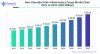
    The non-steroidal anti-inflammatory drugs (NSAIDs) market is expected to undergo significant growth over the next decade. Projections suggest that the market will increase from $21.01 billion in 2023 to approximately $33.55 billion by 2032, representing a steady compound annual growth rate (CAGR) of 5.0% between 2024 and 2032. This growth trajectory underscores the increasing demand for NSAIDs and their widespread use in managing pain and inflammation across various medical conditions.
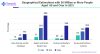
    Arthritis, a condition characterized by inflammation in the joints, affects a substantial portion of the adult population in the United States. As reported by the Centers for Disease Control and Prevention, approximately 53.2 million individuals, representing roughly one-fifth of the adult population, grapple with this ailment. Interestingly, arthritis exhibits a higher prevalence among women, with about 20.9% affected, compared to 16.3% among men. Given the significant impact of arthritis on daily life and mobility, managing the associated pain becomes crucial. In this regard, healthcare professionals often recommend the use of nonsteroidal anti-inflammatory drugs (NSAIDs) as a cornerstone for pain management strategies. By alleviating inflammation and discomfort, NSAIDs play a vital role in enhancing the quality of life for individuals living with arthritis.

    The market for Non-Steroidal Anti-Inflammatory Drugs (NSAIDs) stands as a cornerstone in providing relief from pain and inflammation. Amidst the myriad of companies contributing to this sector, certain players emerge as frontrunners, dictating trends, and shaping the landscape of healthcare. Let’s delve into the sphere of NSAIDs and unveil the dominance of key market players.

    For any queries, feel free to reach us @ https://www.towardshealthcare.com/personalized-scope/5132

    Pfizer Inc.: Pioneering Innovation in NSAIDs

    Pfizer Inc., a stalwart in the pharmaceutical industry, takes center stage with its extensive portfolio of NSAIDs. Renowned for its commitment to innovation, Pfizer continues to push the boundaries of research and development, introducing groundbreaking formulations aimed at enhancing patient care. With a legacy of excellence spanning decades, Pfizer remains a formidable force in the NSAIDs market, setting benchmarks for efficacy, safety, and reliability.

    Merck & Co., Inc.: Advancing Healthcare Through Cutting-Edge Solutions

    Merck & Co., Inc. emerges as a key player in the NSAIDs market, leveraging its expertise in scientific research and technological innovation to address unmet medical needs. Renowned for its unwavering dedication to improving global health outcomes, Merck stands as a beacon of progress, driving advancements in NSAID therapies through a holistic approach to drug development and patient-centered care.

    Novartis AG: Revolutionizing Treatment Paradigms

    Novartis AG, a titan in the pharmaceutical landscape, redefines the treatment paradigm for inflammatory conditions with its comprehensive portfolio of NSAIDs. Fueled by a passion for innovation and a commitment to excellence, Novartis remains at the forefront of medical breakthroughs, pioneering novel therapies that redefine the standard of care. With a relentless focus on patient well-being, Novartis continues to shape the future of NSAID treatments, empowering individuals to lead healthier, more fulfilling lives.

    GlaxoSmithKline Plc: Empowering Patients Through Education and Advocacy

    GlaxoSmithKline Plc stands as a beacon of empowerment in the realm of NSAIDs, championing patient education and advocacy to foster informed decision-making and improved health outcomes. Committed to fostering a culture of transparency and accountability, GlaxoSmithKline strives to empower patients with the knowledge and resources needed to navigate their healthcare journey confidently. Through collaborative partnerships and innovative initiatives, GlaxoSmithKline remains dedicated to enhancing the lives of individuals worldwide.

    Johnson & Johnson Services Inc.: A Legacy of Excellence in Healthcare

    Johnson & Johnson Services Inc. epitomizes excellence in healthcare, with a rich legacy of innovation and commitment to advancing medical science. As a prominent player in the NSAIDs market, Johnson & Johnson continues to lead by example, driving transformative change through its unwavering dedication to research, development, and patient care. With a steadfast focus on improving health outcomes and enhancing quality of life, Johnson & Johnson remains a trusted ally in the fight against pain and inflammation.

    Bayer AG: Pioneering Solutions for Pain Management

    Bayer AG emerges as a global leader in pain management, with a diverse portfolio of NSAIDs aimed at addressing the diverse needs of patients worldwide. Leveraging cutting-edge research and innovative technologies, Bayer remains at the forefront of developing solutions that alleviate pain and improve quality of life. With a legacy of excellence spanning generations, Bayer continues to push the boundaries of scientific innovation, paving the way for a future where pain is no longer a barrier to well-being.

    Dr. Reddy’s Laboratories Ltd.: Driving Access to Affordable Healthcare

    Dr. Reddy’s Laboratories Ltd. stands as a champion of accessibility in the NSAIDs market, dedicated to making quality healthcare affordable and accessible to all. With a relentless commitment to innovation and excellence, Dr. Reddy’s Laboratories strives to develop high-quality NSAID formulations that meet the evolving needs of patients while ensuring affordability and accessibility. Through strategic partnerships and a patient-centric approach, Dr. Reddy’s Laboratories continues to break down barriers to healthcare access, empowering individuals to take control of their health and well-being.

    Viatris Inc: Empowering Patients Through Innovation and Collaboration

    Viatris Inc. is committed to empowering patients through innovation and collaboration, delivering high-quality NSAID therapies that improve health outcomes and enhance quality of life. With a focus on patient-centric care and collaborative partnerships, Viatris Inc. is dedicated to addressing the evolving needs of patients and healthcare providers, driving positive change in the NSAIDs market. Through a commitment to excellence and a passion for innovation, Viatris Inc. continues to redefine the standard of care, empowering individuals to live healthier, more fulfilling lives.

    AstraZeneca: Redefining Possibilities in Inflammatory Disease Management

    AstraZeneca stands at the forefront of innovation in inflammatory disease management, with a robust portfolio of NSAIDs that address the underlying causes of pain and inflammation. Committed to advancing medical science and improving patient outcomes, AstraZeneca continues to push the boundaries of research and development, pioneering novel therapies that redefine possibilities in NSAID treatment. With a focus on precision medicine and personalized care, AstraZeneca is dedicated to empowering patients to live their best lives, free from the burden of pain and inflammation.

    Abbott Laboratories: Leading the Charge in Patient-Centered Care

    Abbott Laboratories is a trailblazer in patient-centered care, with a steadfast commitment to improving health outcomes and enhancing quality of life. As a key player in the NSAIDs market, Abbott Laboratories leverages its expertise in scientific research and innovation to develop solutions that address the unique needs of patients worldwide. Through a holistic approach to healthcare delivery and a focus on innovation, Abbott Laboratories continues to lead the charge in advancing medical science and improving patient care.

    Exploring the Non-Steroidal Anti-Inflammatory Drugs Market Segmentations

    In the realm of pharmaceuticals, Non-Steroidal Anti-Inflammatory Drugs (NSAIDs) play a pivotal role in alleviating various medical conditions. This article delves into the intricate segmentations of the NSAIDs market, providing a comprehensive overview categorized by disease type, route of administration, distribution channel, and geography.

    Disease Type Segmentations

    Arthritis

    Arthritis, a prevalent condition characterized by joint inflammation, remains one of the primary therapeutic targets for NSAIDs. These drugs offer relief from pain and inflammation associated with osteoarthritis, rheumatoid arthritis, and other forms of arthritic conditions.

    Migraine

    The debilitating effects of migraines necessitate effective pain management strategies, wherein NSAIDs emerge as key players. With their anti-inflammatory properties, NSAIDs contribute significantly to migraine treatment protocols, providing relief to sufferers.

    Ophthalmic Diseases

    While primarily known for their systemic effects, NSAIDs also find application in the treatment of ophthalmic diseases. Conditions such as uveitis and post-operative inflammation benefit from the localized administration of NSAID eye drops, aiding in reducing inflammation and discomfort.

    Others

    Beyond the aforementioned disease types, NSAIDs demonstrate efficacy in addressing a spectrum of other medical conditions. From menstrual pain to dental procedures, the versatility of NSAIDs makes them indispensable across various healthcare settings.

    Route of Administration Segmentations

    Oral

    Oral NSAIDs, available in various formulations including tablets, capsules, and liquids, represent the conventional route of administration. This mode offers systemic distribution, making it suitable for conditions requiring widespread anti-inflammatory effects.

    Topical

    Topical NSAIDs, in the form of gels, creams, and patches, offer localized relief from pain and inflammation. This route minimizes systemic exposure while maximizing drug concentration at the site of application, making it ideal for musculoskeletal conditions such as arthritis.

    Others

    Beyond oral and topical routes, alternative methods of NSAID administration continue to evolve. Innovative formulations such as transdermal patches and intra-articular injections cater to specific patient needs, further expanding the therapeutic arsenal of NSAIDs.

    Distribution Channel Segmentations

    Hospital Pharmacy

    Within the healthcare infrastructure, hospital pharmacies serve as vital hubs for the procurement and dispensing of pharmaceuticals, including NSAIDs. The availability of a diverse range of NSAID formulations ensures optimal patient care within hospital settings.

    Retail Pharmacy

    Retail pharmacies, accessible to the general public, serve as convenient outlets for NSAID acquisition. With a plethora of brands and formulations lining the shelves, patients can choose NSAIDs tailored to their specific needs under the guidance of pharmacists.

    Online Pharmacy

    The digital age has revolutionized the landscape of pharmaceutical distribution, with online pharmacies offering unprecedented convenience and accessibility. Patients can now procure NSAIDs with ease, facilitated by doorstep delivery and virtual consultations.

    Geographic Segmentations

    North America

    As a leading market for healthcare products, North America commands a significant share of the NSAIDs market. With a robust healthcare infrastructure and a high prevalence of conditions such as arthritis and migraines, the demand for NSAIDs remains steadfast in this region.

    Europe

    Europe stands as a key player in the global NSAIDs market, driven by a burgeoning elderly population and increasing incidence of chronic diseases. Stringent regulatory standards ensure the safety and efficacy of NSAIDs, fostering trust among healthcare practitioners and patients alike.

    Asia Pacific

    The Asia Pacific region presents immense growth opportunities for the NSAIDs market, fueled by rapid urbanization, changing lifestyles, and improving healthcare access. Rising awareness regarding pain management further propels the demand for NSAIDs across diverse demographics.

    Middle East and Africa

    While traditionally underserved, the Middle East and Africa are witnessing a gradual uptake of NSAIDs, spurred by improving healthcare infrastructure and rising disposable incomes. Efforts to combat the burden of chronic diseases amplify the demand for NSAIDs in this region.

    South America

    South America emerges as a promising frontier for NSAID manufacturers, buoyed by increasing healthcare expenditure and expanding pharmaceutical markets. The prevalence of musculoskeletal disorders and headache disorders underscores the need for NSAIDs in this region.

    Unlock Infinite Advantages: Subscribe to Annual Membership

    To own our Premium Research Study Instantly, Click here: https://www.towardshealthcare.com/price/5132

    Read more:

  • Non-Steroidal Anti-Inflammatory Drugs Market Trends and Updates

    Non-Steroidal Anti-Inflammatory Drugs Market Trends and Updates

    The landscape of Crohn’s disease treatment has seen significant advancements in recent years, with pharmaceutical giants like AbbVie Inc. and Pfizer Inc. making notable strides in the field. These developments are not only transforming the way we approach the management of this chronic condition but also offering hope and relief to millions of patients worldwide.
    AbbVie’s Breakthrough: RINVOQ Approval

    In May 2023, AbbVie Inc. achieved a significant milestone with the approval of RINVOQ (upadacitinib) by the U.S. Food and Drug Administration (FDA) for the treatment of adults with moderately to severely active Crohn’s disease. This groundbreaking approval represents a major leap forward in the realm of Crohn’s disease management, providing healthcare professionals and patients with a new and effective therapeutic option.

    RINVOQ, a novel Janus kinase (JAK) inhibitor, works by targeting the underlying inflammation associated with Crohn’s disease, thereby helping to alleviate symptoms and improve patients’ quality of life. The approval of RINVOQ underscores AbbVie’s commitment to innovation and its dedication to addressing the unmet needs of patients living with inflammatory conditions.

    With RINVOQ now available as a treatment option, healthcare providers have an additional tool in their arsenal to combat Crohn’s disease, offering hope for improved outcomes and better disease management for patients.

    For any queries, feel free to reach us @ https://www.towardshealthcare.com/personalized-scope/5132

    Pfizer’s Strategic Acquisition: Arena Pharmaceuticals

    In March 2022, Pfizer Inc. made a strategic move to bolster its portfolio in the field of gastrointestinal health and inflammation by acquiring Arena Pharmaceuticals. This acquisition not only expands Pfizer’s range of products but also strengthens its expertise in areas such as stomach and bowel health, skin conditions, and heart health.

    One of the key benefits of the acquisition is the access to Arena Pharmaceuticals’ innovative pipeline of products, including potential therapies for inflammatory bowel diseases like Crohn’s disease. By integrating Arena Pharmaceuticals’ research and development capabilities into its own infrastructure, Pfizer aims to accelerate the development of new treatments and bring them to market more efficiently.

    Furthermore, the acquisition of Arena Pharmaceuticals allows Pfizer to leverage its resources and global reach to maximize the impact of these novel therapies, ultimately benefiting patients worldwide.

    Impact on Patient Care and Beyond

    The recent developments in Crohn’s disease treatment have far-reaching implications for patients, healthcare providers, and the healthcare industry as a whole. With the approval of RINVOQ and Pfizer’s strategic acquisition of Arena Pharmaceuticals, there is renewed optimism surrounding the management of this complex condition.

    Patients living with Crohn’s disease now have access to a wider range of treatment options, tailored to their individual needs and preferences. This not only improves their quality of life but also empowers them to take an active role in managing their health.

    Healthcare providers, armed with the latest advancements in therapy, are better equipped to provide comprehensive care and support to their patients. By staying abreast of the latest research and treatment options, they can optimize patient outcomes and ensure the best possible care for those living with Crohn’s disease.

    Furthermore, the collaboration between pharmaceutical companies and healthcare providers fosters innovation and drives progress in the field of inflammatory bowel diseases. By working together to develop new therapies and improve existing treatments, we can continue to advance our understanding and management of Crohn’s disease, ultimately improving the lives of patients worldwide.

    Understanding the Role of Oral NSAIDs in Pain Management

    Oral NSAIDs stand as stalwarts in the realm of pain relief and inflammation control. Their diverse forms, ranging from tablets to liquids, offer a convenient solution for individuals grappling with conditions like arthritis, headaches, menstrual cramps, and injuries. This accessibility, whether over-the-counter or via prescription, ensures prompt relief for those in need.

    The Versatility of Oral NSAIDs

    Unlike their counterparts targeting localized pain, oral NSAIDs operate systemically, offering widespread alleviation across the body. This versatility makes them the preferred choice for many patients dealing with a spectrum of pain and inflammation-related issues. Safety and efficacy reign supreme in driving their demand, supported by extensive research confirming their effectiveness in managing moderate to severe discomfort.

    Advantages Driving Patient Compliance

    The ease of administration associated with oral NSAIDs fosters patient adherence to treatment plans, crucial for chronic conditions requiring sustained pain management. Moreover, with improving healthcare infrastructure globally, there’s a burgeoning demand for accessible and cost-effective pain relief options, further fueling the popularity of oral NSAIDs.

    Evolution in Formulations: Meeting Market Demands

    Continuous innovation in oral NSAID formulations, including extended-release variants, underscores their adaptability to evolving market needs. With an aging population and a surge in chronic pain cases, these advancements ensure oral NSAIDs remain indispensable in the pain management landscape.

    Rising Preference for Alternative Therapies: A Competitive Landscape

    Exploring Alternative Pain Management Strategies

    Alternative therapies such as physical therapy, acupuncture, and herbal supplements are gaining traction as people seek holistic approaches to pain management. These modalities, emphasizing natural remedies and holistic healing, present viable alternatives to traditional medications like NSAIDs.

    Challenges to NSAIDs: Navigating the Competitive Terrain

    The burgeoning popularity of alternative therapies poses a challenge to NSAIDs, necessitating pharmaceutical companies to differentiate and highlight the unique advantages of their products. While alternative therapies boast reduced side effects and holistic wellness benefits, NSAIDs offer quick, targeted relief backed by robust clinical evidence.

    Navigating Market Dynamics: Ensuring Continued Relevance

    To maintain their competitive edge, pharmaceutical firms must invest in research and development, focusing on enhancing NSAID formulations. By showcasing the rapid onset of action and predictable dosing of NSAIDs, companies can reaffirm their significance in the pain management market.

    Embracing Collaboration for Optimal Patient Care

    A collaborative approach, bridging conventional and alternative medicine, offers patients a comprehensive pain management strategy. By synergizing the benefits of NSAIDs with alternative therapies, healthcare providers can tailor solutions that meet the diverse needs of patients, ensuring optimal outcomes.

    North America: A Hub for Non-Steroidal Anti-Inflammatory Drugs

    In North America, the demand for Non-steroidal Anti-inflammatory Drugs (NSAIDs) is substantial, driven by the prevalence of health issues like arthritis and chronic pain among its large population. With advanced healthcare infrastructure, accessing these medications is relatively easy. Renowned companies invest heavily in research to ensure the safety and efficacy of their NSAIDs, alongside robust marketing efforts to raise awareness. Regulatory bodies such as the FDA and Health Canada rigorously evaluate and monitor these drugs, ensuring compliance with safety standards throughout their lifecycle.

    Asia Pacific: Rising Demand Amidst Growing Healthcare Infrastructure

    The Asia Pacific region witnesses a surge in demand for NSAIDs due to its vast population and increasing incidence of chronic diseases like arthritis. Government policies significantly influence the NSAIDs market dynamics, particularly regarding pricing, reimbursement, and approval processes. Rapid economic growth in Southeast Asia and South Asia contributes to higher affordability, expanding the consumer base for these medications.

    Innovations and Market Expansion

    In May 2021, Ono Pharmaceutical Co., Ltd. introduced JOYCLU 30mg injection for joint-related ailments in Japan, following regulatory approval. This milestone enhances accessibility to NSAIDs, presenting lucrative opportunities for pharmaceutical companies. The competitive landscape in the Asia Pacific necessitates continual product enhancements and innovative delivery mechanisms to thrive in this evolving market.

    Unlock Infinite Advantages: Subscribe to Annual Membership

    To own our Premium Research Study Instantly, Click here: https://www.towardshealthcare.com/price/5132

    Read more:

  • Non-Steroidal Anti-Inflammatory Drugs Market Size and Growth

    Non-Steroidal Anti-Inflammatory Drugs Market Size and Growth

    One sector that has consistently shown promising growth is the non-steroidal anti-inflammatory drugs (NSAIDs) market. With an estimated market size poised to surge from USD 21.01 billion in 2023 to approximately USD 33.55 billion by 2032, the trajectory of this market segment presents a compelling opportunity for stakeholders and investors alike.

    Understanding Non-Steroidal Anti-Inflammatory Drugs

    NSAIDs constitute a class of medications renowned for their efficacy in managing pain, inflammation, and fever. Unlike their steroidal counterparts, NSAIDs work by inhibiting the activity of cyclooxygenase enzymes, thus curbing the production of prostaglandins responsible for inflammation and pain signaling.

    Key Market Drivers

    1. Aging Population Demographics

    The global demographic shift towards an aging population has significantly contributed to the escalating demand for NSAIDs. With age comes a higher prevalence of chronic conditions such as arthritis and osteoarthritis, wherein NSAIDs play a pivotal role in providing symptomatic relief and improving quality of life.

    2. Rising Incidence of Chronic Diseases

    The burgeoning incidence of chronic diseases, including cardiovascular ailments and various forms of arthritis, underscores the indispensability of NSAIDs in modern healthcare. As lifestyle factors and sedentary habits continue to pervade society, the need for effective pain management solutions becomes paramount.

    3. Technological Advancements in Drug Delivery

    Advancements in pharmaceutical technology have led to the development of innovative drug delivery mechanisms, enhancing the efficacy and safety profiles of NSAIDs. From transdermal patches to sustained-release formulations, these technological innovations have widened the scope of NSAID utilization across diverse patient populations.

    For any queries, feel free to reach us @ https://www.towardshealthcare.com/personalized-scope/5132

    Regional Dynamics

    North America

    As a frontrunner in healthcare innovation and infrastructure, North America remains a lucrative market for NSAID manufacturers. The presence of key market players, coupled with robust healthcare expenditure, fortifies the region’s position as a significant revenue contributor to the global NSAIDs market.

    Europe

    Europe, characterized by its aging population and high disease burden, represents another lucrative market for NSAID manufacturers. Stringent regulatory frameworks and emphasis on evidence-based medicine underscore the importance of efficacy and safety in driving market penetration and adoption.

    Asia-Pacific

    The Asia-Pacific region, encompassing emerging economies such as China and India, presents immense growth opportunities for NSAID manufacturers. Factors such as expanding middle-class demographics, improving healthcare infrastructure, and rising disposable incomes contribute to the region’s burgeoning demand for NSAIDs.

    Challenges and Limitations

    Despite the promising growth outlook, the NSAIDs market faces several challenges and limitations that warrant attention:

    1. Adverse Effects Profile

    NSAIDs are associated with a spectrum of adverse effects, ranging from gastrointestinal complications to cardiovascular risks. Mitigating these risks while preserving therapeutic efficacy remains a paramount concern for healthcare providers and regulatory authorities.

    2. Patent Expiry and Generic Competition

    The impending expiry of patents for several blockbuster NSAIDs poses a significant challenge for originator companies, opening the door to increased competition from generic manufacturers. Strategies such as lifecycle management and portfolio diversification are imperative to sustain market share and profitability.

    3. Regulatory Scrutiny

    Regulatory agencies worldwide continue to scrutinize the safety and efficacy profiles of NSAIDs, necessitating stringent adherence to pharmacovigilance practices and post-market surveillance. Proactive engagement with regulatory bodies and compliance with evolving regulatory guidelines are imperative to navigate this landscape effectively.

    Managing Arthritis Pain with NSAIDs: A Comprehensive Guide

    Arthritis affects approximately 1 in 5 adults in the United States, totaling about 53.2 million individuals, with a higher prevalence among women at 20.9% compared to men at 16.3%. Effective management of arthritis pain is crucial for enhancing the quality of life for those affected. Non-steroidal anti-inflammatory drugs (NSAIDs) emerge as indispensable allies in this battle against pain and inflammation.

    Understanding the Role of NSAIDs

    NSAIDs play a pivotal role in pain management, inflammation reduction, and fever alleviation. Widely utilized to address a spectrum of ailments including arthritis, muscle discomfort, headaches, menstrual cramps, and minor injuries like sprains and strains, NSAIDs function by inhibiting the production of prostaglandins, chemicals responsible for triggering pain and inflammation in the body.

    Versatility in Form and Function

    These medications are available in various forms, commonly as over-the-counter oral tablets such as ibuprofen (Advil, Motrin), naproxen (Aleve), and prescription-strength formulations. Moreover, NSAIDs can be administered topically through creams or gels, offering localized relief for targeted areas of discomfort.

    Evolving Treatment Options

    In September 2020, Dr. Reddy’s Laboratories unveiled an over-the-counter (OTC) solution, diclofenac sodium topical gel 1%, specifically tailored to alleviate arthritis pain in the United States. This introduction underscores the continual evolution and innovation in NSAID-based therapies.

    Global Impact and Growing Demand

    The global demand for NSAIDs has witnessed a significant surge, fueled by multiple factors including the escalating prevalence of chronic conditions like arthritis, particularly among aging populations worldwide. With the projected doubling of individuals aged 65 and over from 761 million in 2021 to 1.6 billion in 2050, the need for effective pain management solutions is poised to intensify.

    Accessibility and Preference

    The accessibility of NSAIDs, both over-the-counter and via prescription, has facilitated their widespread usage. Furthermore, NSAIDs are often favored over opioid medications due to their lower risk of addiction and milder side effects. This preference contributes to the escalating demand for NSAIDs globally.

    Emerging Trends in Developing Nations

    Developing countries are witnessing a surge in NSAID usage as healthcare infrastructure improves and awareness regarding their efficacy spreads. As individuals become more proactive in seeking optimal pain management strategies, the demand for NSAIDs continues to soar worldwide.

    Cautionary Considerations

    While NSAIDs offer profound benefits in pain management, it’s imperative to exercise caution and adhere to healthcare professional guidance. These medications can potentially induce gastrointestinal complications and elevate the risk of cardiovascular issues. Hence, responsible usage is paramount to mitigate adverse effects and ensure optimal therapeutic outcomes.

    Worries About Getting Addicted to Opioids Have Made People Look for Safer Ways to Deal With Pain

    People are worried about getting hooked on opioids, so they’re searching for safer ways to handle pain. This has led to an increase in using non-opioid options like non-steroidal anti-inflammatory drugs. Unlike opioids, which can be addictive and have serious side effects, these drugs provide effective pain relief without the same risk of addiction.

    Non-steroidal anti-inflammatory drugs work by reducing swelling and blocking pain signals. They’re commonly used for arthritis, headaches, and muscle strains, and many people and doctors prefer them because they work well with minimal side effects.

    The easy availability of these drugs is a big reason why more people are using them. You can find them on the shelves of pharmacies and grocery stores without needing a prescription. This makes them super easy to get, and that’s boosting their popularity. Not just in medical settings, but people are also choosing over-the-counter non-steroidal anti-inflammatory drugs for quick relief from minor pains. This shift shows that people are becoming more aware of the risks linked with opioids and are choosing safer options.

    Plus, doctors are more likely to suggest non-steroidal anti-inflammatory drugs as the first choice for managing pain because they’re safe and effective. This recommendation is causing more people to use these drugs for different types of pain.

    The increasing preference for non-opioid pain relief, like non-steroidal anti-inflammatory drugs, is because of worries about opioid addiction and abuse, along with the effectiveness, availability, and safety of these drugs. So, they’ve become essential for managing pain and improving life quality, both in medical treatment and everyday use.

    Advancements in drug delivery technologies have revolutionized how medications like non-steroidal anti-inflammatory drugs (NSAIDs) are administered and utilized. Let’s explore the latest innovations transforming the landscape of pain relief.


    Topical NSAID Formulations: Targeted Relief at Your Fingertips

    One significant innovation in NSAID administration is the development of topical NSAID formulations. These include creams, gels, or patches applied directly to the skin over the affected area. By bypassing the digestive system, these formulations enable NSAIDs to be absorbed through the skin, directly targeting the source of pain or inflammation. This targeted delivery method enhances efficacy and minimizes systemic side effects, offering localized relief without compromising overall health.

    Sustained-Release Formulations: Prolonged Relief, Fewer Doses

    Another notable advancement is the creation of sustained-release formulations of NSAIDs. Unlike traditional immediate-release medications, which provide quick but short-lived relief, sustained-release formulations release the medication gradually over an extended period. By maintaining a steady level of NSAIDs in the bloodstream, these formulations offer longer-lasting pain relief and reduce the frequency of dosing. This not only improves patient compliance but also enhances comfort and quality of life.


    Market Dynamics: Driving Innovation and Expansion

    The NSAID market is dynamic, with numerous players investing in research, production, and marketing. Let’s look at some recent developments:

    • In August 2021, Alkem Labs introduced Ibuprofen and Famotidine tablets in the U.S. market, expanding their product offerings.
    • In September 2020, Dr. Reddy’s Laboratories launched an over-the-counter medication, diclofenac sodium topical gel 1%, catering to arthritis pain relief in the United States.

    These strategic moves reflect the industry’s commitment to meeting evolving consumer needs and expanding market presence.


    Advantages of Advanced Drug Delivery Technologies

    These innovations offer several advantages:

    • Localized Relief: Topical formulations provide targeted relief without systemic absorption, reducing the risk of gastrointestinal side effects.
    • Convenience: Patients can apply medication directly to the affected area, enhancing ease of use and adherence to treatment regimens.
    • Improved Compliance: Sustained-release formulations require less frequent dosing, improving patient compliance and long-term outcomes.
    • Enhanced Quality of Life: Consistent pain relief over an extended period enhances patient comfort and overall well-being.

    Driving Market Growth: Meeting Global Demand for Pain Management Solutions

    The introduction of advanced drug delivery technologies has transformed NSAID administration, offering safer, more effective, and convenient options for pain relief. These innovations play a crucial role in meeting the growing demand for improved pain management solutions worldwide, driving market growth and enhancing patient care.

    Unlock Infinite Advantages: Subscribe to Annual Membership

    To own our Premium Research Study Instantly, Click here: https://www.towardshealthcare.com/price/5132

    Read more:

  • Fibromyalgia Treatment Market Size and Growth

    Fibromyalgia Treatment Market Size and Growth

    The fibromyalgia treatment market has witnessed a steady ascent in recent years, with projections indicating a promising future ahead. According to recent estimations, the market size is poised to experience substantial growth, transitioning from USD 2.77 billion in 2023 to approximately USD 4.13 billion by 2032. This impressive expansion is anticipated to unfold at a Compound Annual Growth Rate (CAGR) of 4.3% between 2024 and 2032. Such remarkable figures not only underscore the significance of addressing fibromyalgia but also hint at the evolving landscape of treatment modalities and healthcare interventions tailored for this condition.

    Understanding Fibromyalgia: A Complex Puzzle

    Before delving into the nuances of the fibromyalgia treatment market, it is imperative to grasp the intricacies of the condition itself. Fibromyalgia is a chronic disorder characterized by widespread musculoskeletal pain, often accompanied by fatigue, sleep disturbances, and cognitive impairments. Despite its prevalence, fibromyalgia remains poorly understood, with its etiology multifactorial and its diagnosis challenging. However, advancements in research have shed light on potential underlying mechanisms, paving the way for innovative therapeutic approaches and management strategies.

    Driving Forces Behind Market Growth

    Several factors contribute to the projected growth of the fibromyalgia treatment market. One significant driver is the increasing awareness and recognition of fibromyalgia as a legitimate medical condition, leading to greater diagnosis rates and subsequent demand for effective treatments. Additionally, advancements in medical technology and pharmaceutical research have facilitated the development of novel drugs and therapies targeting the complex symptomatology of fibromyalgia. Furthermore, the growing prevalence of lifestyle-related risk factors, such as sedentary behavior and psychological stress, has underscored the need for comprehensive and personalized treatment regimens, thereby fueling market expansion.

    Evolving Treatment Landscape: From Conventional to Cutting-edge

    The fibromyalgia treatment market encompasses a diverse array of interventions, ranging from conventional pharmacotherapy to complementary and alternative medicine (CAM) modalities. Traditional approaches often involve the use of analgesics, antidepressants, and antiepileptic drugs to alleviate pain and improve symptom management. However, with increasing emphasis on holistic healthcare and patient-centered outcomes, there has been a burgeoning interest in non-pharmacological interventions, including cognitive-behavioral therapy (CBT), physical therapy, and mindfulness-based practices. Moreover, the emergence of innovative treatments, such as transcranial magnetic stimulation (TMS) and non-invasive neuromodulation techniques, heralds a new era of precision medicine tailored to the individual needs of fibromyalgia patients.

    Market Dynamics: Navigating Challenges and Opportunities

    Despite the optimistic outlook for the fibromyalgia treatment market, several challenges and opportunities lie ahead. Regulatory hurdles and reimbursement issues pose significant barriers to market entry and product adoption, particularly for novel therapeutics and medical devices. Moreover, the heterogeneity of fibromyalgia presentations complicates clinical trial design and outcome measurement, underscoring the need for standardized diagnostic criteria and patient-reported outcome measures (PROMs). Nevertheless, ongoing research initiatives and collaborative efforts within the healthcare community offer promise for overcoming these obstacles and driving innovation in fibromyalgia care.

    Future Perspectives: Charting a Course for Progress

    Looking ahead, the fibromyalgia treatment market is poised for continued growth and evolution, driven by advancements in scientific understanding, technological innovation, and patient-centered care. As researchers unravel the complex pathophysiology of fibromyalgia and clinicians refine personalized treatment algorithms, the landscape of fibromyalgia management will undoubtedly undergo transformative changes. Moreover, increased public awareness and advocacy efforts are crucial for reducing stigma, fostering empathy, and promoting equitable access to care for individuals living with fibromyalgia. By harnessing the collective expertise and compassion of healthcare stakeholders, we can forge a path towards improved outcomes and enhanced quality of life for fibromyalgia patients worldwide.

    Fibromyalgia, a chronic condition characterized by widespread musculoskeletal pain, fatigue, and cognitive difficulties, affects millions of adults worldwide. Despite its prevalence, the exact cause of fibromyalgia remains elusive, presenting a challenge for effective treatment. However, as demand for solutions escalates, the medical community is actively exploring innovative approaches to alleviate symptoms and improve the quality of life for individuals living with this condition.

    Understanding Fibromyalgia: A Complex Syndrome

    Fibromyalgia presents a complex clinical picture, with patients experiencing chronic pain, fatigue, sleep disturbances, and cognitive impairments. While the underlying mechanisms are not fully understood, current research suggests that fibromyalgia may be linked to central sensitization syndrome, a condition where the nervous system becomes hypersensitive to pain signals.

    Demographic Insights

    Fibromyalgia predominantly affects women, with approximately 7.7% experiencing the condition compared to 4.9% of men in the United States. Moreover, studies conducted in Europe and South America have reported prevalence rates ranging from 3.3% to 8.3%, indicating a global impact. Notably, fibromyalgia tends to increase with age, with individuals between 20 to 55 years old most commonly affected.

    Treatment Landscape: Beyond Traditional Medications

    Traditionally, fibromyalgia management has relied on pharmacological interventions, including antidepressants, anticonvulsants, and pain relievers. While these medications can provide symptomatic relief for some patients, they may not address the underlying mechanisms driving fibromyalgia. As a result, researchers are exploring alternative treatment modalities to complement existing pharmacotherapy options.

    Emerging Therapeutic Strategies

    In recent years, there has been growing interest in non-pharmacological approaches to fibromyalgia management. Techniques such as cognitive-behavioral therapy (CBT), exercise therapy, acupuncture, and mindfulness-based interventions have shown promise in improving pain perception, sleep quality, and overall functioning in individuals with fibromyalgia.

    Cognitive-Behavioral Therapy (CBT)

    CBT aims to modify maladaptive thoughts and behaviors associated with chronic pain, empowering patients to develop coping strategies and enhance their resilience. By addressing the psychological aspects of fibromyalgia, CBT can help individuals better manage their symptoms and improve their overall quality of life.

    Exercise Therapy

    Regular physical activity, tailored to individual capabilities, has been shown to alleviate pain and fatigue in fibromyalgia patients. Low-impact exercises such as walking, swimming, and yoga can improve muscle strength, flexibility, and mood, contributing to overall well-being.

    Complementary and Alternative Medicine (CAM)

    Complementary therapies such as acupuncture, massage therapy, and herbal supplements are gaining recognition as adjunctive treatments for fibromyalgia. While the evidence supporting their efficacy is still evolving, many patients report subjective benefits, highlighting the importance of personalized care.

    Leveraging Technology for Patient Empowerment

    In the digital age, technology has become an invaluable tool for managing chronic conditions like fibromyalgia. Mobile applications, wearable devices, and telemedicine platforms offer new avenues for patients to track their symptoms, communicate with healthcare providers, and access educational resources remotely.

    Mobile Applications

    Several smartphone applications are available to help individuals with fibromyalgia monitor their symptoms, track medication adherence, and participate in self-management programs. These apps often feature symptom diaries, activity trackers, and educational modules designed to empower patients and enhance self-efficacy.

    Wearable Devices

    Wearable technology, such as fitness trackers and smartwatches, can provide real-time data on physical activity, sleep patterns, and physiological parameters. By leveraging wearable devices, individuals with fibromyalgia can gain insights into their health status and make informed decisions about their lifestyle and treatment strategies.

    Telemedicine

    Telemedicine enables remote consultations between patients and healthcare providers, eliminating geographical barriers and increasing access to specialized care. Through virtual visits, fibromyalgia patients can receive personalized treatment recommendations, participate in tele-rehabilitation programs, and engage in remote monitoring, enhancing continuity of care.

    The Road Ahead: Advocacy and Awareness

    As the prevalence of fibromyalgia continues to rise, advocacy efforts and public awareness campaigns play a crucial role in promoting early detection, timely intervention, and improved outcomes for affected individuals. By fostering collaboration between healthcare professionals, patient advocacy groups, and government agencies, we can enhance the understanding of fibromyalgia, reduce stigma, and ensure equitable access to care.