The in vitro diagnostics (IVD) market is evolving faster than ever.
From routine blood tests to advanced genetic screenings, diagnostics now shape how healthcare professionals detect and manage diseases. Yet, behind every accurate result lies an often overlooked hero; reagents.
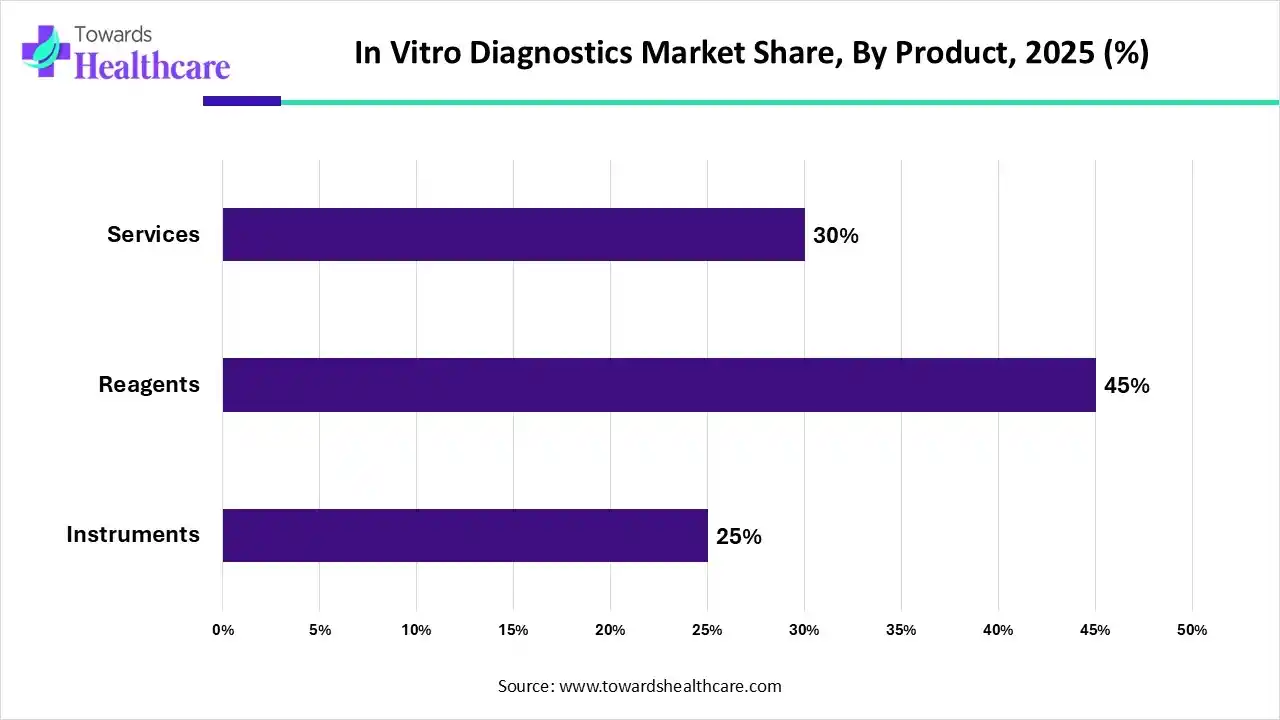
While instruments often grab attention, reagents quietly dominate the market. In 2025, the reagents segment accounted for 25% of the total IVD market share, and its influence continues to grow.
Download Free Sample: https://www.towardshealthcare.com/download-sample/5229
Reagents: The Backbone of Every Test
Reagents are not just supporting elements—they are the core functional components of diagnostic testing.
They include enzymes, antibodies, primers, buffers, and chemical solutions that directly interact with patient samples. Without them, even the most advanced diagnostic instruments become ineffective.
These components are available as complete kits or individual materials, depending on laboratory needs. Their flexibility makes them essential across hospitals, research labs, and diagnostic centers.
Why Reagents Are Leading the Market
The dominance of reagents is not accidental. It is driven by their continuous consumption and irreplaceable role in testing workflows.
Every test requires fresh reagents. This recurring demand ensures consistent market growth, unlike instruments, which are purchased less frequently.
Here are the key reasons behind their dominance:
-
High usage frequency: Every diagnostic test consumes reagents, making them indispensable
-
Wide application range: From infectious diseases to genetic disorders, reagents are used everywhere
-
Customization flexibility: Labs can choose specific reagents based on test requirements
-
Technological integration: Advanced diagnostics like PCR and immunoassays rely heavily on reagents
This constant demand makes reagents the most stable and scalable segment in the IVD ecosystem.
Accuracy Begins with Quality
In diagnostics, accuracy is everything.
Reagents directly influence the reliability of test results. Even a slight variation in reagent quality can lead to incorrect outcomes, affecting patient care decisions.
That is why manufacturers invest heavily in:
-
Rigorous quality control systems
-
Clinical validation processes
-
Regulatory approvals and compliance
These steps ensure that reagents deliver consistent and precise results, making them the most trusted component in diagnostics.
Innovation Is Transforming Reagents
The reagents segment is not static. It is rapidly evolving with advancements in biotechnology and molecular diagnostics.
Modern reagents are now designed to work with cutting-edge technologies such as:
-
Real-time PCR
-
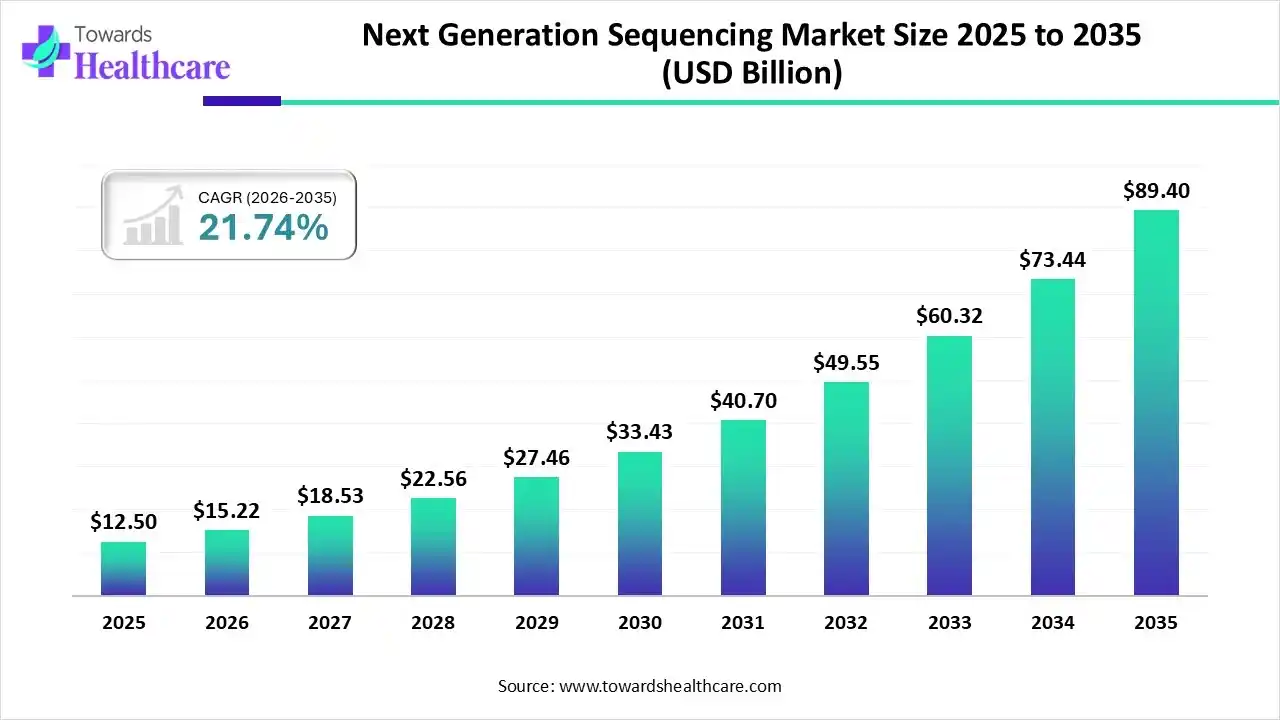
Next-generation sequencing (NGS)
-
Immunoassays and biosensors
These innovations allow faster detection, improved sensitivity, and better disease monitoring.
For example, in September 2023, a Bengaluru-based company, NeoDx Biotech Labs, introduced an IVD kit for Ankylosing Spondylitis using real-time PCR technology.
This development highlights how reagents are enabling precision diagnostics at a deeper molecular level.
The Shift Toward Personalized Medicine
Healthcare is moving toward personalized treatment. Diagnostics plays a key role in this transformation, and reagents are at the center of it.
Reagents help identify genetic variations, biomarkers, and disease-specific indicators. This enables doctors to tailor treatments based on individual patient profiles.
As personalized medicine grows, the demand for specialized and high-performance reagents will increase significantly.
Cost Efficiency Drives Adoption
Reagents also play a major role in making diagnostics more cost-effective.
Compared to large diagnostic instruments, reagents are relatively affordable and scalable. Laboratories can expand testing capabilities without heavy capital investment.
This makes diagnostics more accessible, especially in developing regions where cost remains a major concern.
Challenges That Still Exist
Despite strong growth, the reagents segment faces certain challenges.
Maintaining consistency across batches, ensuring global regulatory compliance, and managing supply chains are critical concerns.
Additionally, increasing competition is pushing manufacturers to innovate faster while maintaining affordability.
However, these challenges are also creating opportunities for companies to differentiate through quality and innovation.
Future Outlook: Reagents Will Lead the Next Wave
The future of the IVD market clearly points toward reagent-driven growth.
As diseases become more complex and detection methods more advanced, the importance of reagents will only increase.
Key trends shaping the future include:
-
Rising demand for rapid diagnostic kits
-
Growth in molecular and genetic testing
-
Increased focus on early disease detection
-
Expansion of point-of-care testing
These trends indicate that reagents will remain the central pillar of diagnostic innovation.
More Than Just Components
It is easy to overlook reagents as just chemical substances.
But in reality, they are the foundation of modern diagnostics, enabling accuracy, speed, and innovation.
While instruments may define the scale of diagnostics, reagents define its precision and reliability.
Access our exclusive, data-rich dashboard dedicated to the healthcare market – built specifically for decision-makers, strategists, and industry leaders. The dashboard features comprehensive statistical data, segment-wise market breakdowns, regional performance shares, detailed company profiles, annual updates, and much more. From market sizing to competitive intelligence, this powerful tool is one-stop solution to your gateway.
Access the Dashboard: https://www.towardshealthcare.com/access-dashboard
Checkout the Market Report Now at: https://www.towardshealthcare.com/checkout/5229
You can place an order or ask any questions, please feel free to contact us at sales@towardshealthcare.com
Europe Region – +44 778 256 0738
North America Region – +1 8044 4193 44
APAC Region: +91 9356 9282 04
Visit Our Website: https://www.towardshealthcare.com
Find us on social platforms: LinkedIn | Twitter | Instagram | Medium
About the Author